How to Stop Snoring Naturally: What Works Tonight vs. What Takes Weeks
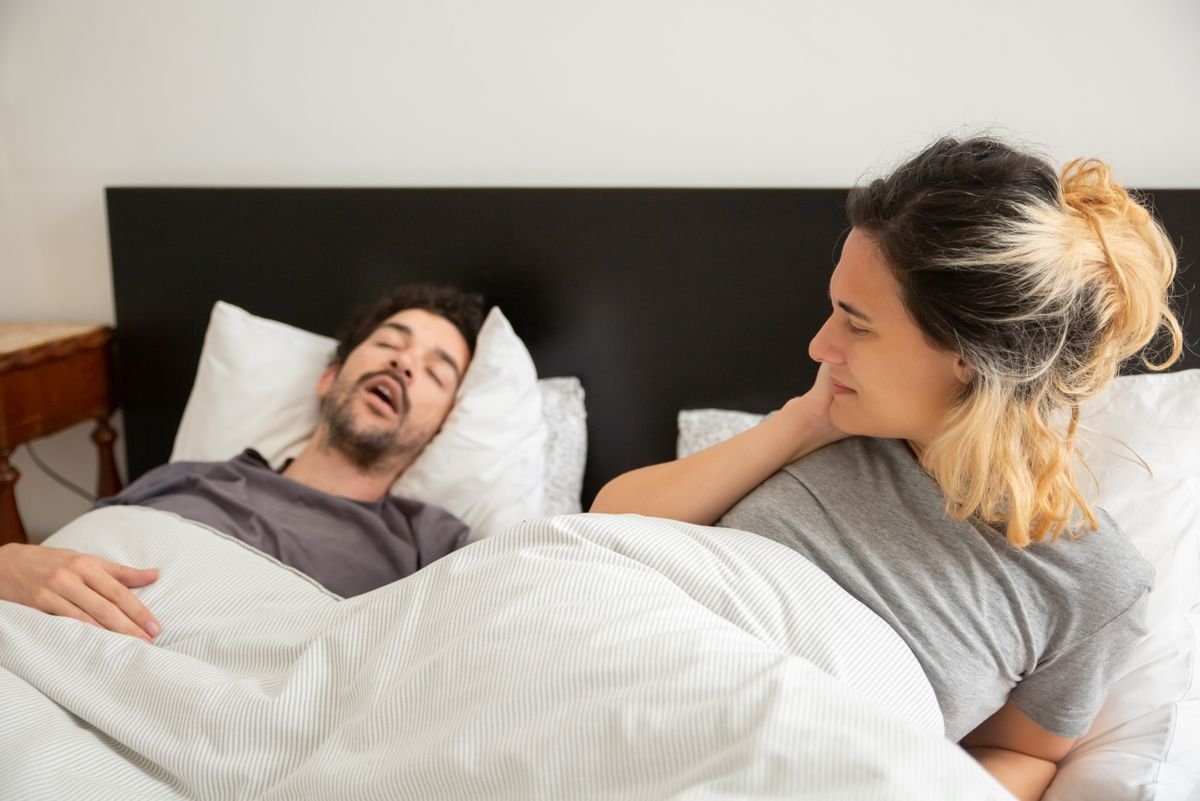
Snoring is one of the most common sleep complaints in the United States. More than a quarter of adults snore on a regular basis, according to the Sleep Foundation, and most only find out because someone else tells them. The noise itself is rarely dangerous on its own — it is relaxed tissue in the back of the throat vibrating as air moves through a narrowed airway. But it can wreck the sleep of everyone in the room, and in some cases it signals a breathing problem that needs a doctor.
The good news is that plenty of snoring responds to simple changes. Some work tonight. Others take a few weeks of steady effort. This guide splits them that way, so you know what to try first — and when to see a doctor instead.
Why We Snore
When you fall asleep, the muscles in your mouth, tongue, and throat relax. That narrows the airway, and the air you breathe in and out makes the loose tissue flutter. That flutter is the snore.
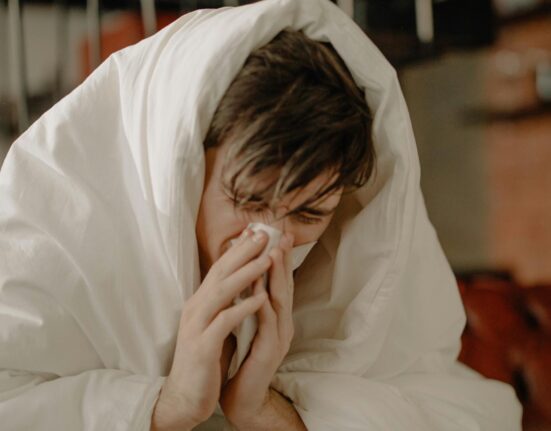
Some people snore because of the shape of their airway — a small or set-back jaw, large tonsils, a deviated septum, or nasal polyps. Others snore only when something tightens the airway for a while: a cold or allergies that clog the nose, a drink in the evening, sleeping flat on the back, sedative medicine, or extra weight around the neck.
Put simply, anything that narrows the airway or lets the throat muscles go slack makes snoring more likely.
Stress can also keep your sleep light and broken, which makes everything feel worse the next morning. If stress is part of the picture, these stress management techniques can help you wind down before bed.
What Works Tonight
These five changes can make a difference on the very first night.
1. Sleep on your side
Sleeping on your back lets the tongue fall backward and narrow the airway, which is why back-sleepers snore more. Rolling onto your side often quiets the noise right away.
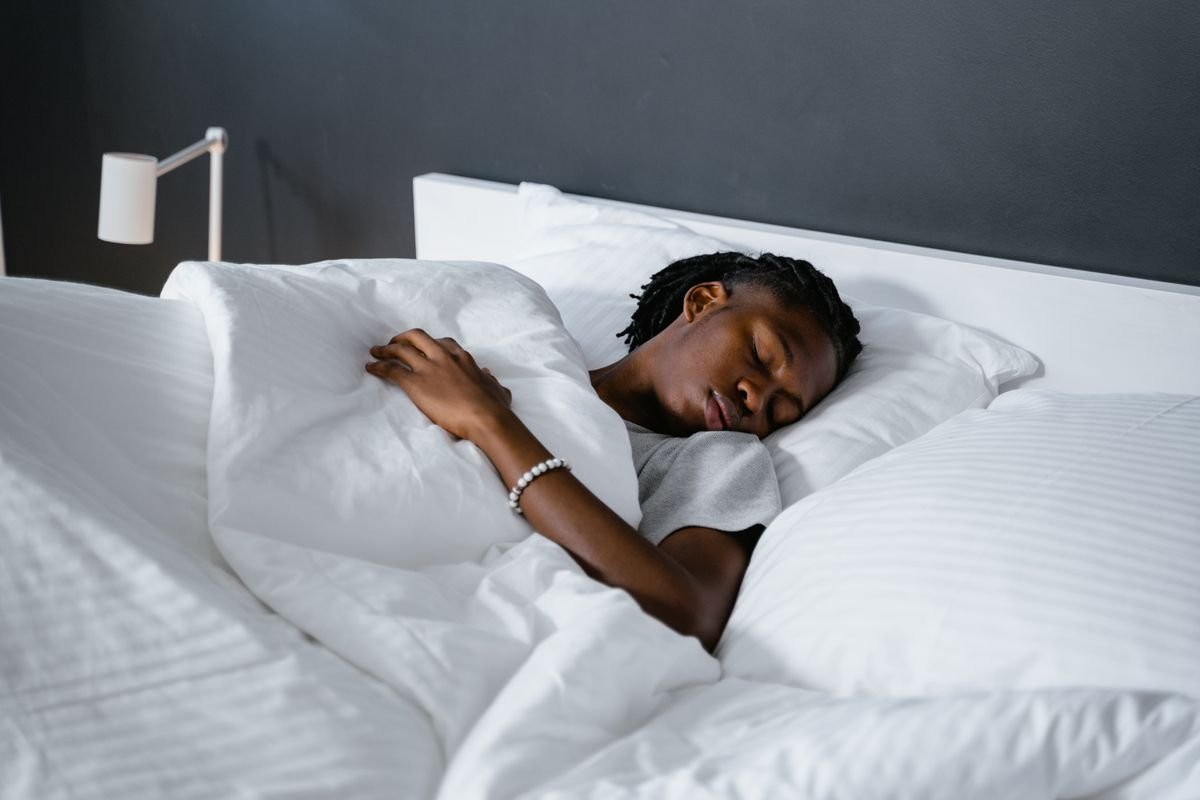
Staying there is the hard part. The NHS suggests taping or stitching a tennis ball to the back of your sleepwear, or using a special pillow or bed wedge. A body pillow tucked behind your back works the same way, and it feels normal after a night or two.
2. Clear your nose before bed
If a stuffy nose is the trigger, the snoring often follows the congestion. A saline rinse before bed washes out dust and mucus, and a nasal strip from any US drugstore holds the nostrils open while you sleep. The NHS lists nasal dilators, strips, and decongestant sprays for blocked airways in the nose.
If allergies are behind the stuffiness, a decongestant before bed may help, according to the American Academy of Sleep Medicine. Try one fix tonight. If your nose is clear and you still snore loudly, the cause is more likely in the throat, and the steps below matter more.
3. Skip alcohol in the evening
Alcohol relaxes the muscles in your throat. As the American Academy of Sleep Medicine puts it, that can cause you to snore, or even let your airway collapse during sleep. The NHS gives the same advice in plain words: do not drink too much alcohol.
If you usually have a drink with dinner, try a few alcohol-free evenings and compare. Many people notice the change on the first night.
4. Lift the head of the bed
Raising the head of the bed can take pressure off the airway. The Sleep Foundation suggests bed risers, a wedge pillow, or an adjustable frame. A wedge keeps your whole upper body on a gentle slope, which is different from stacking two extra pillows and bending your neck.
A firm wedge pillow costs a few dollars at most US home stores, and you will know within a night or two whether it helps.
5. Skip sleeping pills tonight
Sleeping pills can sometimes cause snoring, because they relax the muscles around the airway even further. The NHS warns against them for this reason. If a doctor prescribed the medicine, do not stop it on your own — ask your doctor first. If you take an over-the-counter sleep aid out of habit, try one night without it.
Before bed, a short breathing break can also help you settle. A 5-minute breathing break is a simple way to slow down and breathe through your nose before you lie down.
What Takes Weeks
Some fixes need time. These four are worth starting now, even though the payoff builds slowly.
1. Mouth and throat exercises
Slack muscles around the airway make snoring more likely, and exercises can build their tone back up. The Sleep Foundation says they help most with mild snoring, and they usually need daily practice for two or three months. In one small trial, three months of daily throat exercises cut snoring frequency by 36% and snoring intensity by 59%.
Three simple moves cover most of what the trials used:
- Tongue slide. Place the tip of your tongue against the back of your top front teeth. Slowly slide it backward along the roof of your mouth, as far as it will go. Repeat ten times.
- Tongue press. Press your whole tongue flat against the roof of your mouth and hold it there for ten seconds. Repeat ten times.
- Vowel sounds. Say each vowel — A, E, I, O, U — out loud, slowly and with an exaggerated open mouth. Repeat the set ten times.
Do them once a day, for about ten minutes. The point is daily repetition, not force. If your snoring is tied to sleep apnea, these exercises support treatment — they do not replace it.
2. Steady weight loss, if you carry extra weight
Extra tissue around the neck narrows the airway, which is why the NHS lists losing weight as one of the first steps for people who are overweight. The American Academy of Sleep Medicine adds that weight loss can help improve sleep apnea symptoms in people who are overweight, though it also warns there is no guarantee it will remove the problem.
Losing even a small amount can help, but it is a slow fix that works best next to the faster steps above. Aim for steady habits — regular meals, daily walking, less late-night snacking — rather than a crash diet.
3. Quit smoking
Smoking irritates the lining of the nose and throat, and the NHS lists not smoking among the first changes for snoring. The American Academy of Sleep Medicine says quitting smoking may improve sleep apnea symptoms as well. It is one of the hardest changes here, and one of the most useful for your health as a whole. Your doctor can talk through options that make quitting easier.
4. Keep a steady sleep schedule
Your daily routines — what you eat and drink, and how you schedule your days — have a real impact on sleep quality, according to the American Academy of Sleep Medicine. Going to bed and waking up at roughly the same time each day, even on weekends, helps your body settle into a steady rhythm. A steady morning helps too: if you wake up tired, a simple morning routine beats a rushed start.

If the simple steps are not enough
If a few weeks of the steps above change nothing, a mouth device may be next. A mandibular advancement device is worn at night and holds the lower jaw forward so the airway stays open. The Sleep Foundation notes these devices work well for snoring and mild to moderate sleep apnea, but a dentist trained in sleep medicine must fit one. Ask your doctor whether one fits your case.
When Snoring Could Be Sleep Apnea
Not everyone who snores has sleep apnea, but loud snoring is one of its most common symptoms.
Sleep apnea is a disorder in which breathing stops or gets very shallow during sleep. According to MedlinePlus, the pauses can last from a few seconds to minutes, and they may occur 30 times or more in an hour. Normal breathing usually restarts with a snort or choking sound. People with sleep apnea are more at risk for car crashes and work accidents, because broken sleep leaves them drowsy during the day.
Talk to your doctor if you notice any of these warning signs:
- Loud snoring three or more nights a week
- Breathing that stops and starts while you sleep, noticed by someone else
- Gasping, choking, or snorting sounds during the night
- Waking up short of breath, or with a morning headache
- Feeling sleepy or unfocused during the day, even after a full night in bed
- High blood pressure, or recent weight gain with louder snoring
Untreated sleep apnea is linked to dangerous daytime drowsiness and to health problems including high blood pressure, diabetes, stroke, and depression, according to the Sleep Foundation. That is why the signs above deserve a doctor visit rather than another home remedy.
Diagnosis rests on your medical and family history, a physical exam, and a sleep study, according to MedlinePlus. The most common treatment is CPAP, a machine that sends a steady stream of air through a mask to keep the airway open — the American Academy of Sleep Medicine calls it the frontline treatment for sleep apnea. Mouth devices and surgery are other options your doctor may discuss.
FAQ
Can snoring go away on its own?
Sometimes. Snoring tied to a cold, allergies, or a few drinks often fades when the cause fades. Snoring that happens most nights usually needs a change — a new sleep position, a clear nose, or less alcohol — before it quiets down.
Is sleeping on your side really enough?
For many people it makes the biggest single-night difference, because it stops the tongue from falling back into the airway. If it is not enough on its own, pair it with a clear nose and no alcohol that evening.
Do nasal strips work?
They can help when congestion is the main problem, by holding the nostrils open while you sleep. They do less when the snoring comes from the throat. Try them for a few nights and judge by how you sound, not by the box.
How long do throat exercises take to work?
They need daily practice over two or three months, and they work best for mild snoring, according to the Sleep Foundation. A few minutes a day is the whole routine — consistency matters more than effort.
When should I see a doctor about snoring?
See a doctor if you snore loudly three or more nights a week, if someone has seen your breathing stop or heard you gasp at night, or if you feel sleepy during the day despite a full night in bed. Morning headaches and high blood pressure with snoring are also reasons to get checked.
References
- NHS. Snoring. https://www.nhs.uk/conditions/snoring/
- Sleep Foundation. Snoring: The Causes, Dangers, & Treatment Options. https://www.sleepfoundation.org/snoring
- MedlinePlus. Sleep Apnea. https://medlineplus.gov/sleepapnea.html
- American Academy of Sleep Medicine, Sleep Education. Sleep Apnea. https://sleepeducation.org/sleep-disorders/sleep-apnea/
- American Academy of Sleep Medicine, Sleep Education. Healthy Sleep Habits. https://sleepeducation.org/healthy-sleep/healthy-sleep-habits/
PureFitDay Editorial Team creates practical health, wellness, and nutrition content for readers who want simple guidance for healthier living.
This article shares general health information for learning purposes only. It is not medical advice, and it does not replace a visit with a doctor of your own.