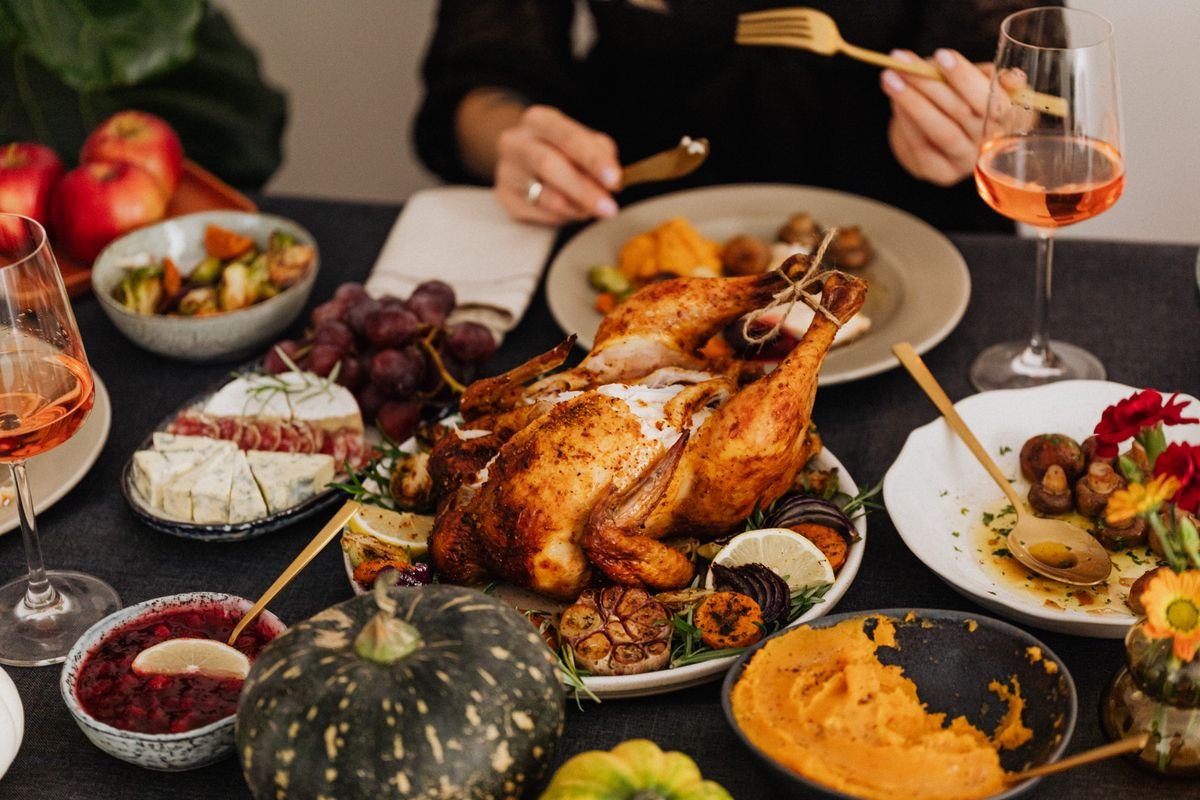
Thanksgiving dinner, the office party, Christmas Eve, New Year’s Day. From late November to early January, food shows up everywhere in the United States: the break room, the neighbors’ porch, the tin of cookies from a coworker. It is the one stretch of the year when eating more than usual is not a slip — it is the plan.
So how much damage does it really do? The story everyone repeats says the average person gains five pounds between Thanksgiving and New Year’s. Researchers at the National Institutes of Health tested that claim by weighing 195 adults four times from fall through the following spring. The average gain over the holiday stretch was 0.37 kilograms — about 0.8 pounds. The gain was real, but it was a fraction of the five-pound story.
Here is the part that matters more. That small gain did not come off. By late winter, the same group was up 0.48 kilograms — just over a pound — from where they started in the fall, and when 165 of them were weighed again the following autumn, the weight was still there. One pound is nothing. One pound every year, kept, is a different story.
That is good news, in a way. You do not need a strict diet or a January punishment plan. You need a few steady habits that keep an ordinary season from turning into a month of overeating: the plate method, portion rules, drinks, dessert, leftovers, and the walk after dinner.
The Plate Method at the Holiday Table
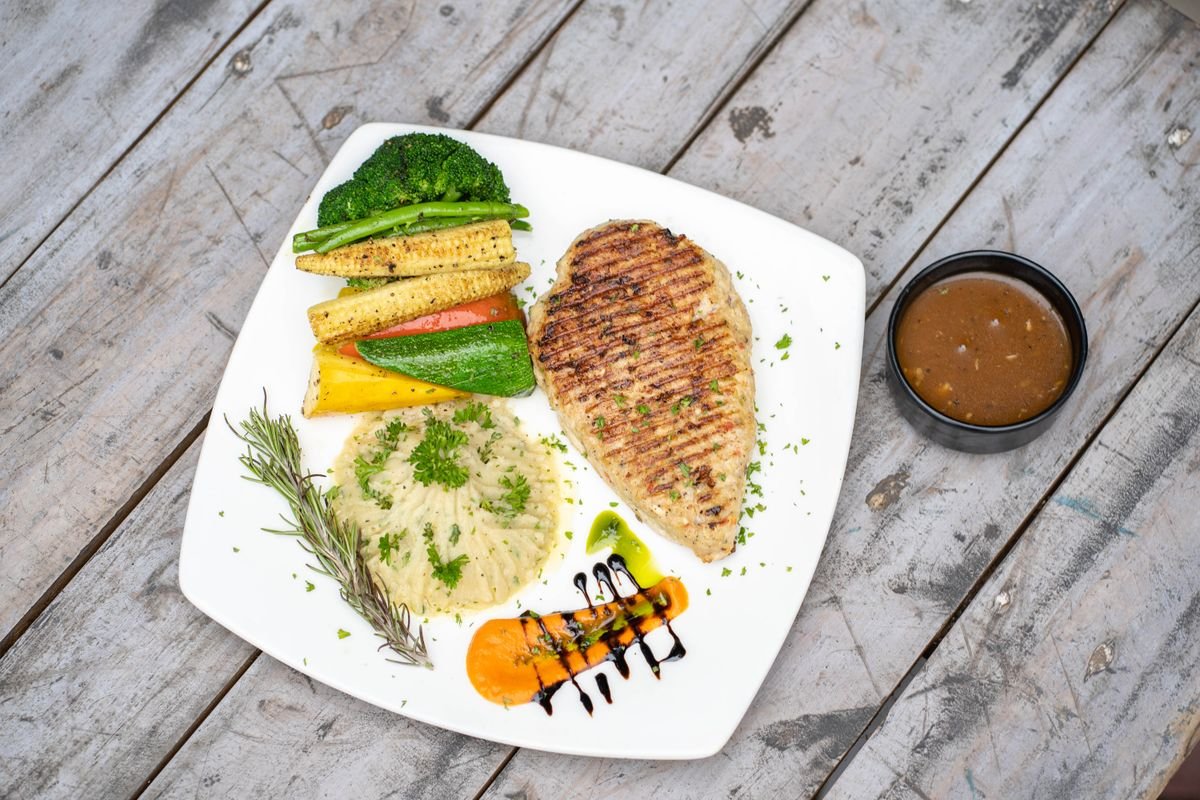
The plate method is the simplest tool for a holiday meal, and it comes from the Harvard Healthy Eating Plate: half the plate vegetables and salad, a quarter protein, a quarter starch. That is the whole rule, and it works at a Thanksgiving table as well as on a Tuesday.
At a sit-down dinner, build the plate in that order: salad and green beans first, turkey or ham next, then one scoop of mashed potatoes, stuffing, or sweet potatoes. Nothing is banned. The rich foods just get a smaller share of the plate.
At a buffet, walk the whole table before you pick up a plate. Look at everything first, then choose what you actually want. Once you have chosen, fill the plate once and step away from the table. Standing next to the food while you talk is how a second and third plate happen without a decision.
If the host sets out small plates, use them. A full small plate looks like a full meal, while a half-empty large plate feels small even with the same amount of food.
For more ideas on building balanced meals through the week, see these nutrition and diet tips for better energy: https://purefitday.com/nutrition-and-diet-tips-for-better-energy/
Portion Rules That Actually Work
The plate method handles one meal. Portion rules handle the whole season — four of them do most of the work.
First, eat slowly and put your fork down between bites. It takes a while for fullness signals to catch up with your stomach, so people who rush through a plate are often still hungry when it is empty. Talk between bites — the conversation is half the point of the meal.
Second, taste everything you want, in small amounts. A holiday table can hold ten dishes you like. You do not need a full serving of each one. A spoonful of the casserole, a small scoop of the stuffing, one dinner roll — you get the flavor of all of it for a fraction of the food. This beats the all-or-nothing choice between skipping dishes and piling them on.
Third, eat a normal breakfast and lunch on the big day. Skipping meals to “save up” for dinner backfires: you arrive starving, and a starving person does not make careful choices. A normal breakfast with eggs and whole-grain toast, and a light lunch with soup or a sandwich, keeps you steady until dinner.
Fourth, decide on seconds before you start: one plate, then a pause. If you are still hungry after a pause, go back for the vegetables or the turkey. The pause is the rule that makes the other rules work.
Drinks: The Hidden Calories
Food gets all the attention at holiday meals, but drinks quietly add up. A glass of eggnog, a sweet cocktail, a mug of hot chocolate with whipped cream, a second glass of wine — each adds calories on top of a full plate, and none of them fills you up. Sweet tea and soda do the same at lunch.
Alcohol has a second effect: it relaxes the brakes on eating. After two drinks, the dessert table looks more inviting and the portion rules feel less urgent. That is not a lack of willpower. It is how alcohol works.
Three rules keep drinks in check. Alternate every alcoholic drink with a glass of water or sparkling water. Keep a water glass in your hand when you are standing and talking, so you do not refill a wine glass out of habit. And decide your number before the party — one drink, or two — instead of deciding in the moment. If you want something festive without alcohol, sparkling water with cranberry juice and a lime wedge looks the part and costs you almost nothing.
Dessert Without the Spiral
Dessert is where many holiday meals double in size. The pies come out after a full dinner, and everyone tries a little of each one: a slice of pumpkin pie, a slice of pecan pie, a few cookies, a scoop of ice cream. That is a second meal, eaten standing up, after you were already full.
Pick one dessert you truly want and skip the rest. One good slice of the pie you love beats small tastes of four desserts you only half wanted. Eat it sitting down, slowly, and actually taste it — dessert eaten standing at the counter barely registers.
If the host insists you try their pie too, ask for a thin slice, or share one with someone at the table. Half a slice still counts. When the dessert round is over, leave the table — the leftovers will keep.
A Leftovers Plan
Leftovers are the quiet second half of holiday weight gain. Thanksgiving dinner ends, and the same food sits in the fridge for four days: turkey sandwiches, pie for breakfast, stuffing as a snack. The holiday stretches on long after the guests leave.
Handle leftovers the same night. Divide them into single-meal containers before you put anything away, and freeze the turkey in meal-size bags. Keep a few planned meals in mind: turkey sandwiches on whole-grain bread with lettuce and tomato, a pot of turkey soup with beans and vegetables, or turkey over a salad. When leftovers have a plan, they become regular meals. When they do not, they become grazing.
Send food home with guests — most people are glad to take a container. Keep the fridge stocked with your normal food too — fruit, yogurt, eggs, bread — so the holiday food is not the only thing in the house. For a full system on planning meals ahead, these healthy meal prep ideas work just as well in December as in any other month: https://purefitday.com/healthy-meal-prep-ideas/
The Post-Meal Walk
The simplest holiday habit costs nothing and takes ten minutes: after the big meal, go for a walk. It helps digestion, gets your body moving after an hour of sitting, and breaks the pattern of moving from the dinner table to the couch to the dessert table.
Make it a family habit. Invite whoever is at the table — walk the dog, walk to look at the neighborhood lights, walk to the park and back. Ten to fifteen minutes is enough. In cold weather, a few laps around the block still counts.
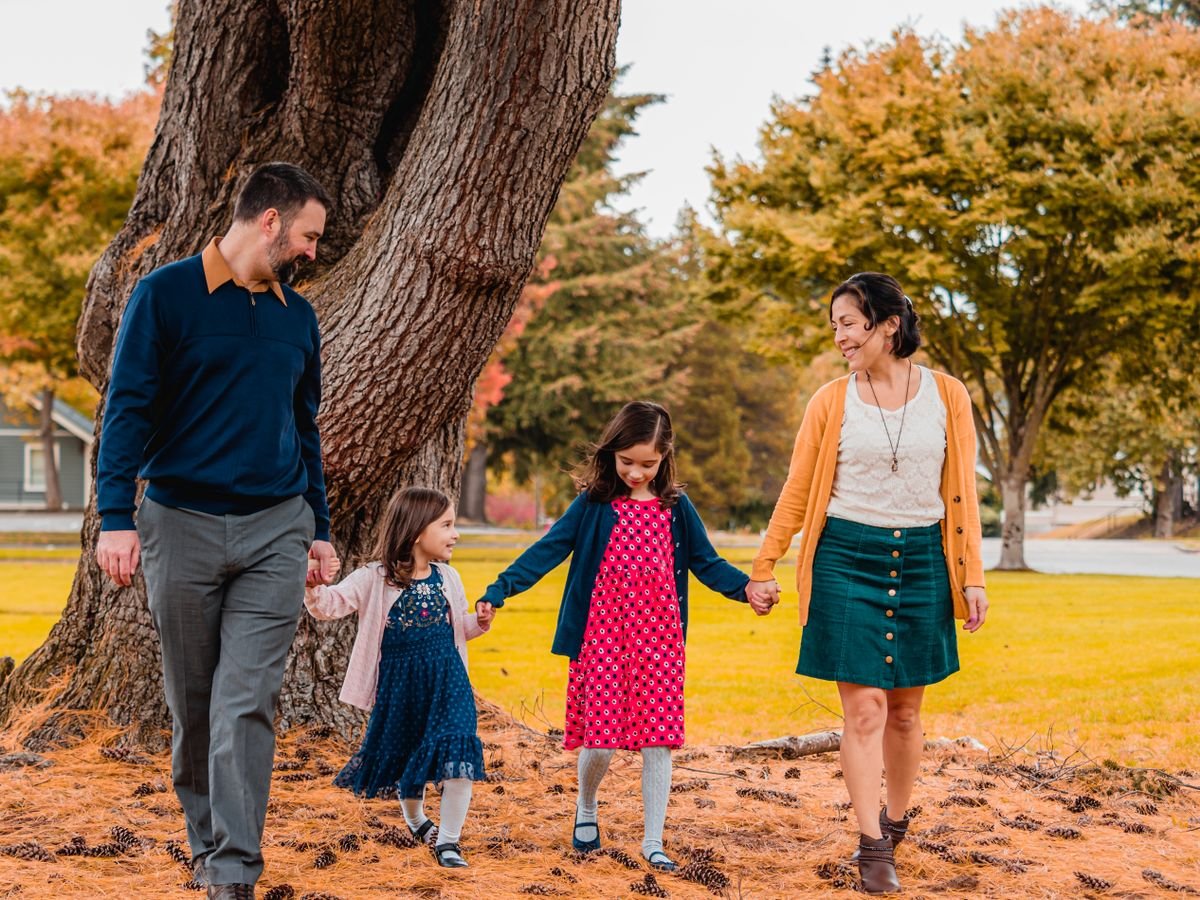
The walk also puts a clear end to the meal. Once you have walked, the eating part of the evening is over, and the rest of the night is for games, conversation, and the football game. For more on why regular walking matters all year, see these walking benefits for seniors and healthy aging — the same ideas apply at every age: https://purefitday.com/walking-benefits-for-seniors-and-healthy-aging/
If You Overeat One Day, What Then?
You will overeat at least once this season. Everyone does. One big meal is not a failure, and it is not what decides your weight in January. What decides it is what you do the next day.
Do not skip meals the next day to make up for it, and do not jump into a crash diet or a fast. That is the guilt spiral: overeat, punish yourself, get hungry, overeat again. Instead, go back to normal — your usual breakfast, your usual walk, water. The average holiday gain in the NIH study was under a pound, so the fix for a big day is an ordinary day, not a punishment.
If the whole season feels out of control, pick one habit and hold it: the plate method at every big meal, the walk after every big meal, or the one-dessert rule. One steady habit, kept for six weeks, does more than a perfect week followed by giving up.
And if weight is a worry that keeps coming back, talk with your doctor about what is a normal holiday pattern and what needs a real plan.
FAQ
How much weight do people actually gain over the holidays?
Less than the story says. In the NIH study, 195 adults gained an average of 0.37 kilograms — about 0.8 pounds — between mid-November and early January. The catch is that the gain was not lost by the following autumn, so small gains add up over the years.
Do I have to skip my favorite foods to avoid holiday weight gain?
No. Skipping the foods you love is the fastest way to quit a plan. Eat them in smaller portions instead: one scoop of stuffing, one slice of pie, one dinner roll. The plate method lets you eat everything on the table, just in better proportions.
Is it better to skip breakfast before Thanksgiving dinner?
No. Skipping meals to save room usually backfires — you arrive very hungry, and a very hungry person eats fast and eats more. A normal breakfast and a light lunch keep you steady.
Does a walk after dinner really help?
Yes. A short walk after a big meal aids digestion, gets you moving after an hour of sitting, and marks a clear end to the meal, which helps you stop grazing. Ten to fifteen minutes is enough, and it works best when the whole family goes together.
What if I gain weight anyway?
A pound or two over the holidays is a common pattern, and it does not mean the season was a failure. Go back to your normal meals and walks in January. If the weight keeps climbing year after year, or if you have a condition such as diabetes or high blood pressure, talk with your doctor about a plan that fits you.
References
- Yanovski JA, Yanovski SZ, Sovik KN, Nguyen TT, O’Neil PM, Sebring NG. A prospective study of holiday weight gain. New England Journal of Medicine. 2000;342(12):861-7. https://pubmed.ncbi.nlm.nih.gov/10727591/
- National Institute of Diabetes and Digestive and Kidney Diseases. Healthy Eating and Physical Activity for Life. https://www.niddk.nih.gov/health-information/weight-management/healthy-eating-physical-activity-for-life
- Harvard T.H. Chan School of Public Health. Healthy Eating Plate. https://www.hsph.harvard.edu/nutritionsource/healthy-eating-plate/
- National Health Service (UK). 12 tips to help you lose weight. https://www.nhs.uk/live-well/healthy-weight/12-tips-to-help-you-lose-weight/
- National Institute of Diabetes and Digestive and Kidney Diseases. Tips to Get Active. https://www.niddk.nih.gov/health-information/weight-management/tips-get-active
- National Institute on Alcohol Abuse and Alcoholism. Alcohol Facts and Statistics. https://www.niaaa.nih.gov/alcohols-effects-health/alcohol-topics/alcohol-facts-and-statistics
PureFitDay Editorial Team creates practical health, wellness, and nutrition content for readers who want simple guidance for healthier living.
This article shares general health information for learning purposes only. It is not medical advice, and it does not replace a visit with a doctor of your own.