

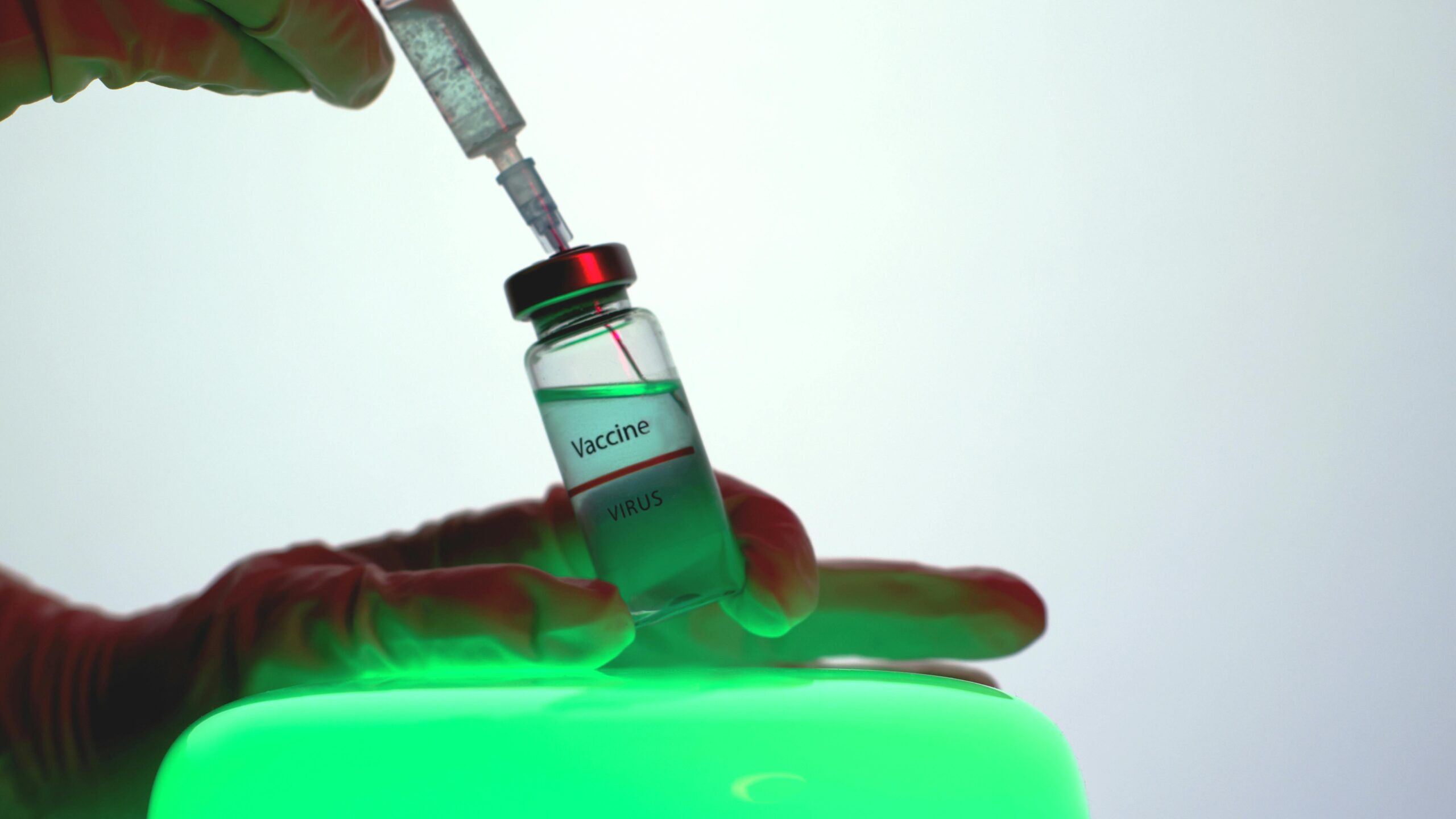
Vaccines and Immunization: Why Prevention Is One of the Best Health Investments
Vaccines and immunization have transformed public health in ways that few medical advances ever have. Diseases that once caused widespread illness, disability, and death are now rare in many parts of the world because of successful vaccination programs.
Many people associate vaccines only with childhood, but immunization remains important throughout life. Whether you are a student, working professional, parent, athlete, or senior adult, staying up to date with recommended vaccines can help protect your health and the health of those around you.
Understanding how vaccines work and why they matter can help people make informed healthcare decisions and build a stronger foundation for long-term wellness.
Why the Immune System Needs Training
The human body has a remarkable defense system known as the immune system. Its job is to recognize harmful bacteria, viruses, and other germs and fight them before they cause serious illness.
The challenge is that the immune system learns through exposure. When a completely new infection enters the body, it may take time for the immune system to respond effectively. During that time, the illness can spread and cause symptoms.
Vaccines help solve this problem by safely introducing information about a disease before a person encounters the actual infection. This allows the immune system to develop a memory of the threat and respond much faster in the future.
In simple terms, vaccines prepare the body before the real battle begins.
Understanding Vaccines and Immunization
Although the words are often used together, vaccines and immunization are slightly different.
A vaccine is the product that helps stimulate an immune response.
Immunization is the process through which a person becomes protected against a disease after receiving a vaccine.
Together, vaccines and immunization form one of the most effective strategies for disease prevention in modern healthcare.
Different Types of Vaccines
Modern medicine uses several vaccine technologies to provide protection against disease.
Live Attenuated Vaccines
These vaccines contain a weakened version of a virus or bacteria. Because the germ is weakened, it does not usually cause illness in healthy individuals but still creates a strong immune response.
Inactivated Vaccines
These vaccines contain germs that have been killed. They cannot cause the disease but still help the immune system learn how to recognize it.
Protein-Based Vaccines
These vaccines use only specific pieces of a virus or bacteria rather than the entire germ. They are designed to trigger immunity while minimizing unnecessary exposure.
mRNA Vaccines
A newer technology, mRNA vaccines provide instructions that help the body’s cells create a harmless protein. The immune system then learns to recognize and defend against that protein if it encounters the actual virus later.
Despite their differences, all vaccine types share the same goal: protecting people from serious illness.
The Benefits Go Beyond Individual Protection
Most people think vaccination only protects the person receiving the shot. In reality, the benefits extend much further.
When a large percentage of a community is vaccinated, diseases have fewer opportunities to spread. This concept is known as community protection or herd immunity.
This protection becomes especially important for:
- Infants who are too young for certain vaccines
- Older adults
- People undergoing cancer treatment
- Individuals with weakened immune systems
- People with chronic health conditions
By staying vaccinated, individuals help protect vulnerable members of society as well.
Why Adults Still Need Vaccines
One of the most common misconceptions is that vaccination ends after childhood.
In reality, immunity from some vaccines can decrease over time. New health risks also appear as people age, travel, change jobs, or develop medical conditions.
Adults may require vaccines for:
- Influenza flu
- Tetanus boosters
- Shingles
- Pneumococcal disease
- Hepatitis
- COVID-19
- Travel-related illnesses
Regular healthcare visits provide an opportunity to review vaccination status and determine whether any updates are needed.
Vaccines and an Active Lifestyle
People who focus on fitness often prioritize exercise, nutrition, hydration, and sleep. However, preventive healthcare is equally important.
An illness can interrupt training schedules, reduce physical performance, affect recovery, and force long breaks from exercise.
Vaccines help reduce the risk of preventable infections that could impact overall health and physical activity. Staying healthy allows people to maintain consistency in their fitness routines and pursue long-term wellness goals more effectively.
Common Concerns About Vaccine Safety
Questions about vaccine safety are understandable. Medical decisions should always be based on reliable information.
Before approval, vaccines go through extensive laboratory research, clinical trials, safety reviews, and ongoing monitoring. Regulatory agencies continue to track vaccine safety even after public use begins.
Most vaccine side effects are mild and temporary, such as:
- Soreness at the injection site
- Mild fatigue
- Low-grade fever
- Temporary muscle aches
These reactions are generally signs that the immune system is responding and building protection.
Serious side effects are rare and are carefully monitored by healthcare authorities.
Vaccination and Preventive Healthcare
Preventive healthcare focuses on reducing risk before illness develops. Vaccination is one of the strongest examples of prevention in action.
Other preventive health habits include:
- Regular medical checkups
- Healthy eating
- Physical activity
- Quality sleep
- Stress management
- Avoiding tobacco products
Together, these habits support stronger long-term health outcomes.
Helpful Health Resources
Improve your daily wellness routine: Healthy Meal Prep Ideas for Busy Professionals
Learn more about emotional well-being: Mental Health Disorder Symptoms Guide
The Ten-Minute Appointment Most Adults Skip
Kids get their shots on a schedule somebody else manages. Adults are on their own, and most of us are quietly out of date.
It usually goes like this. A 52-year-old in Tampa stops at the pharmacy inside his grocery store to pick up a prescription in October. The pharmacist asks one question: “Want your flu shot while you’re here?” Ten minutes later it is done, in the same trip as the milk and eggs, and at no cost with his insurance.
At that same visit he finds out two things nobody had told him: he is due for a shingles vaccine now that he is over 50, and his last tetanus booster was so long ago nobody can find the record.
That is the entire system for adults. No portal to master, no six-month plan — just one question at a counter you already visit, and a note in your phone for the second shingles dose.
The hardest part of adult vaccination is not pain or price. It is that nobody books it for you anymore.
Vaccines are one piece of preventive care, and this general and medical healthcare guide shows where they fit in a normal checkup.
For the everyday-habits side of staying well, these immunity boosting habits for kids cover sleep, food, and handwashing at home.
And if you are comparing everyday immune-support habits with vaccination, this look at herbal immunity boosters keeps the claims honest.
Final Thoughts
Vaccines and immunization remain among the most effective public health tools available today. They help prevent serious diseases, reduce healthcare burdens, support healthier communities, and protect vulnerable populations.
Good health is not only about treating illness when it appears. It is also about taking proactive steps to reduce risk before problems begin. Vaccination is one of those important steps.
By staying informed and following recommended immunization schedules, individuals can strengthen their personal health while contributing to the well-being of the wider community.
FAQs
1. What are vaccines and immunization?
Vaccines are medical products that help the immune system recognize and fight specific diseases. Immunization is the process of becoming protected after receiving a vaccine.
2. Why are vaccines important for adults?
Adults may need vaccines because immunity can decrease over time, health risks change with age, and some vaccines are recommended for travel, work, chronic health conditions, or seasonal disease prevention.
3. Are vaccines safe?
Vaccines go through careful testing, safety review, and ongoing monitoring before and after approval. Most side effects are mild, such as temporary soreness, tiredness, or low-grade fever.
4. How do vaccines support community health?
When many people are vaccinated, diseases have fewer chances to spread. This helps protect babies, older adults, and people with weak immune systems who may be more vulnerable to infections.
5. Can vaccines help people who follow a fitness lifestyle?
Yes. Preventing illness can help people stay consistent with exercise, recovery, work, and daily routines. Vaccines support long-term health by reducing the risk of certain preventable infections.
6. Can I get several vaccines at the same visit?
Often, yes. It is common for a flu shot and a COVID vaccine to be given at the same appointment, and pharmacists routinely combine due vaccines to save trips. Ask when you book — combining visits is one of the easiest ways to stay up to date.
7. Do vaccine effects wear off over time?
Some do. Tetanus protection fades and needs a booster every 10 years, flu vaccines are reformulated yearly because the virus changes, and some childhood vaccines need adult boosters. This is why “I was vaccinated as a kid” does not always mean “I am covered now.”
8. What should I bring to a vaccination appointment?
Your ID, your insurance card, and any vaccination record you have — a photo of an old vaccine card on your phone is genuinely useful. Tell the pharmacist or nurse about serious allergies (especially to eggs or latex) and any past reaction to a vaccine before the shot, not after.
9. Can I exercise after getting a vaccine?
Light exercise is fine for most people, and moving the arm actually helps with soreness. Many people feel tired or achy for a day, so swap one hard workout for a walk and train normally once you feel like yourself again.
Author Bio
PureFitDay Editorial Team creates practical health, wellness, and nutrition content for readers who want simple guidance for healthier living.
References
- World Health Organization — Vaccines and Immunization
- Centers for Disease Control and Prevention — Vaccines and Immunizations
- NHS — Vaccinations
- MedlinePlus — Immunization
- Mayo Clinic — Vaccines for Adults
Disclaimer
This guide explains how vaccines work in plain language. It is general health information, not advice about which vaccines you personally need or when you should get them. Vaccine needs can vary based on age, medical history, pregnancy status, travel plans, workplace exposure, allergies, and local health guidelines. Always consult a qualified healthcare professional before making vaccination or medical decisions.



1 Comment