


General & Medical Healthcare: The Foundation of a Healthy Life
Good health is not built through exercise and nutrition alone. A strong foundation begins with general & medical healthcare, which focuses on preventing illness, identifying health concerns early, and supporting overall well-being. Whether you are starting a fitness journey, improving your lifestyle, or simply aiming to stay healthy as you age, understanding the role of healthcare can help you make safer and more informed decisions.
Regular medical care allows individuals to monitor their health, manage existing conditions, and reduce the risk of future complications. It is one of the most important investments you can make in your long-term wellness.
Understanding General & Medical Healthcare
General & medical healthcare is a broad area of medicine dedicated to diagnosing, treating, and preventing a wide range of health conditions. Instead of focusing on one specific organ or system, healthcare professionals in this field look at the body as a whole.
These medical experts often serve as the first point of contact for patients. They assess symptoms, recommend diagnostic tests, provide treatment plans, and refer patients to specialists when necessary.
The goal is not only to treat illness but also to maintain health and improve quality of life through ongoing care and preventive measures.
Why General & Medical Healthcare Matters for Everyday Wellness
Many people only visit a doctor when they feel unwell. However, routine healthcare visits can identify problems before symptoms become serious.
Preventive healthcare helps detect issues such as high blood pressure, elevated cholesterol levels, vitamin deficiencies, diabetes risk factors, and other conditions that may otherwise go unnoticed.
Early detection often leads to better treatment outcomes and can help prevent more serious health complications in the future.
The Relationship Between Healthcare and Fitness
Fitness and healthcare work together to support a healthy lifestyle. Before beginning a new workout program, especially if you have underlying health conditions, a medical assessment can provide valuable information about your body’s readiness for physical activity.
Healthcare professionals may evaluate:
- Blood pressure levels
- Heart health and cardiovascular risk
- Blood sugar control
- Joint and mobility concerns
- Weight management factors
- Overall physical condition
By understanding these factors, you can build a safer and more effective fitness routine that aligns with your personal health needs.
Common Health Conditions Managed Through General & Medical Healthcare
General practitioners and internal medicine doctors manage a wide variety of health concerns. Some of the most common include:
Respiratory Conditions
Respiratory issues such as colds, flu, allergies, asthma, bronchitis, and respiratory infections can affect daily life and physical performance. Early treatment helps reduce complications and improve recovery.
Cardiovascular Health Concerns
Heart-related conditions remain one of the leading health concerns worldwide. Regular monitoring of blood pressure, cholesterol levels, and heart function helps identify risks before they become severe.
Metabolic Disorders
Conditions such as diabetes, insulin resistance, obesity, and thyroid disorders can impact energy levels, weight management, and overall health. Proper diagnosis and treatment are essential for long-term wellness.
Digestive and Nutritional Issues
Healthcare providers also help manage digestive problems, nutrient deficiencies, and dietary concerns that may affect overall health and fitness goals.
How Doctors Diagnose Health Problems
Modern healthcare relies on evidence-based diagnostic methods rather than assumptions. When symptoms appear, doctors use clinical evaluations and laboratory testing to identify the root cause.
Common diagnostic tools include:
- Complete blood count (CBC)
- Blood glucose testing
- Lipid profile testing
- Liver and kidney function tests
- Blood pressure monitoring
- Thyroid function testing
- Imaging studies when required
These tests provide valuable information that helps healthcare providers create accurate treatment plans.
Prevention: The Core of Modern Healthcare
One of the most important principles of general & medical healthcare is prevention. Preventive care focuses on reducing disease risk before health problems develop.
Simple preventive habits include:
- Scheduling routine medical checkups
- Receiving recommended vaccinations
- Following a balanced diet
- Staying physically active
- Getting adequate sleep
- Avoiding tobacco products
- Managing stress effectively
These habits can significantly reduce the likelihood of chronic diseases and support long-term wellness.
Mental Health and Physical Health Are Connected
Physical health and mental well-being influence each other more than many people realize. Chronic stress, anxiety, and emotional exhaustion can contribute to headaches, digestive issues, sleep disturbances, fatigue, and other physical symptoms.
Likewise, ongoing physical health conditions can affect mood, motivation, and emotional resilience.
Healthcare providers increasingly recognize the importance of addressing both mental and physical health to achieve complete wellness.
Signs That You Should Schedule a Medical Checkup
While annual health assessments are beneficial for most adults, certain symptoms should never be ignored.
You should consider consulting a healthcare professional if you experience:
- Persistent fatigue or weakness
- Unexpected weight gain or weight loss
- Changes in appetite
- Shortness of breath
- Frequent headaches
- Ongoing digestive problems
- High stress levels affecting daily life
- Symptoms that continue despite lifestyle changes
Seeking medical advice early often prevents minor issues from becoming major health concerns.
Building a Healthier Lifestyle Through Informed Care
A successful wellness journey involves more than exercise routines and healthy meals. Medical guidance helps ensure that lifestyle changes are appropriate for your individual needs and health status.
For more wellness resources and healthy lifestyle guidance, visit Pure Fit Day.

The Checkup You Keep Postponing
Almost everyone has the same story: a checkup that was due in spring, quietly becoming next year’s problem. Here is what finally getting one looks like, for a 44-year-old warehouse supervisor in Atlanta who had not seen a doctor in three years.
He books it on his phone during lunch, at the clinic two miles from home, first slot of the day so work cannot eat it. The night before, he types three things into a notes app: the knee that clicks, the heartburn that shows up twice a week, and the snoring his wife keeps mentioning.
The visit itself is unglamorous. Blood pressure cuff, a stethoscope, blood drawn for labs, a flu shot while he is there, and ten honest minutes of questions. The doctor finds his blood pressure creeping up — early enough that the prescription is walking, less salt, and a recheck in three months, not medication.
Total cost of the morning: about an hour, and most of a copay. Total value: a problem caught while it was still small.
Vaccination is the part of preventive care adults most often fall behind on, and our vaccines and immunization guide explains what you may be due for.
Between checkups, this body warning signs guide helps you judge which changes deserve an appointment.
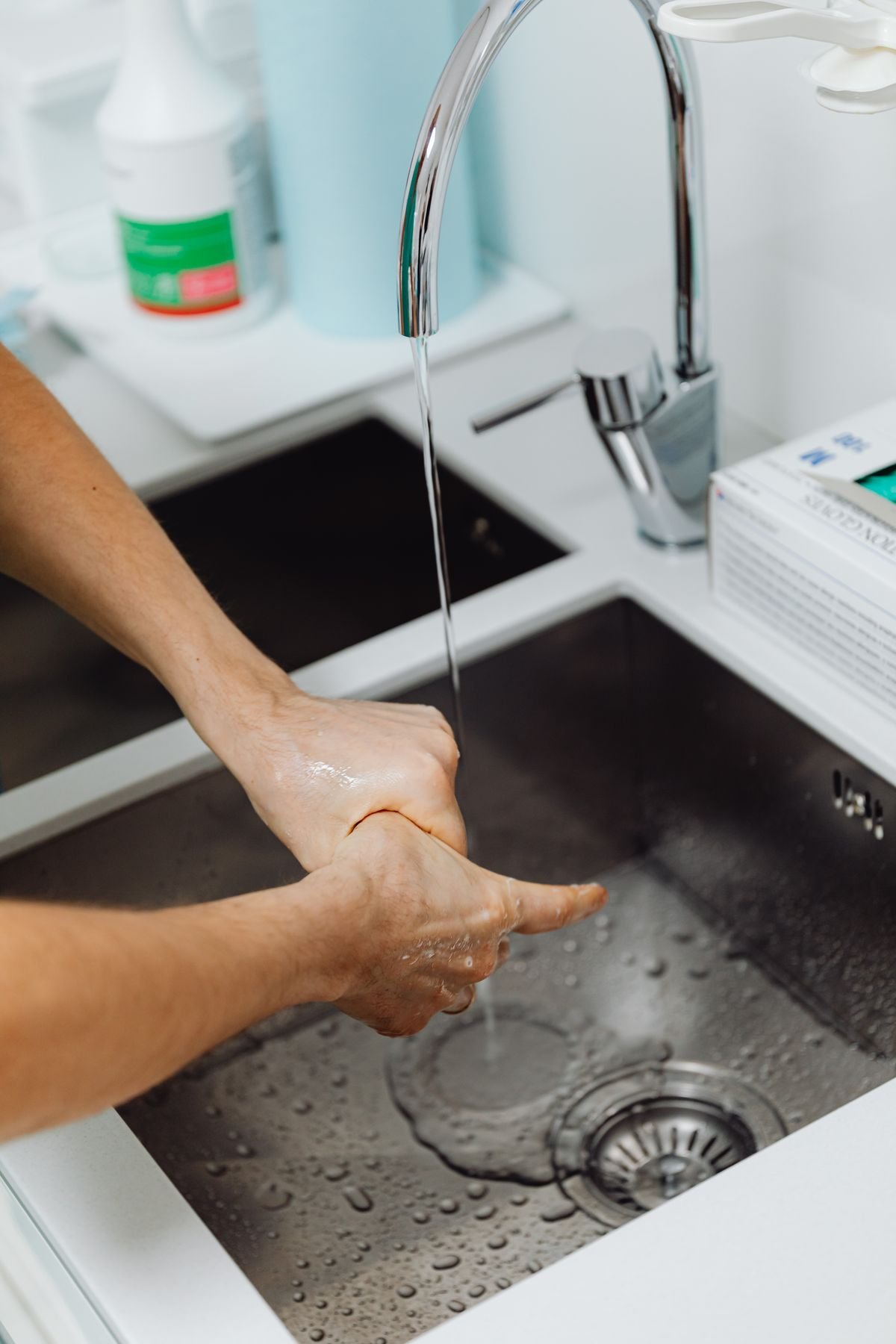
And the cheapest preventive medicine of all is at the sink — these hand washing tips cover the habit properly.
Conclusion
General & medical healthcare serves as the foundation of a healthy and balanced life. It supports disease prevention, early diagnosis, effective treatment, and overall wellness. By combining healthcare visits with healthy habits, individuals can achieve fitness goals more safely, and maintain better overall health for years to come.
Frequently Asked Questions (FAQs)
What is the purpose of general & medical healthcare?
The primary purpose is to prevent, diagnose, and treat health conditions while promoting overall wellness and long-term health.
How often should adults have a routine health checkup?
Most adults benefit from an annual health assessment, although people with existing medical conditions may require more frequent visits.
Can medical checkups improve fitness results?
Yes. Medical evaluations help identify underlying issues that may affect exercise performance, recovery, and overall fitness progress.
Why is preventive healthcare important?
Preventive healthcare helps identify risks early, reducing the likelihood of serious diseases and improving treatment outcomes.
Does mental health affect physical health?
Absolutely. Stress, anxiety, and other mental health concerns can contribute to physical symptoms and impact overall well-being.
What actually happens at a routine checkup?
Expect a conversation about your health history and habits, basic measurements (blood pressure, pulse, weight), a physical exam, and often blood work. Depending on your age, the visit may also cover vaccinations and screenings. Writing your questions down beforehand is the simplest way to get more out of it.
How should I prepare for a doctor’s appointment?
Bring a list of your medicines and doses, any symptoms with rough dates, and your top two or three questions. If you track blood pressure, blood sugar, or sleep at home, bring those numbers — a month of real readings is worth more than one nervous reading in the clinic.
Which screenings do adults commonly need?
The usual list includes blood pressure checks, cholesterol and blood-sugar screening, and age-based cancer screenings such as colorectal screening from 45 and mammograms for women. The exact list depends on your age, sex, and family history, which is why a regular checkup matters more than a generic checklist.
When is a symptom serious enough to see a doctor quickly?
Chest pain or pressure, sudden weakness or facial drooping, trouble breathing, uncontrolled bleeding, and sudden severe pain are emergency signs — seek urgent care immediately. For everything else, a symptom that lasts more than a couple of weeks, keeps returning, or is getting worse deserves an appointment rather than another month of waiting.
Author Bio
PureFitDay Editorial Team creates practical health, wellness, and nutrition content for readers who want simple guidance for healthier living.
References
- World Health Organization (WHO)
- Centers for Disease Control and Prevention (CDC)
- National Heart, Lung, and Blood Institute
- MedlinePlus — Health Checkup
- NHS — NHS Health Check
Disclaimer
This guide explains how everyday healthcare works so you can use it well. It is general information only, and nothing in it can diagnose a condition or replace your own doctor. Always consult a qualified healthcare professional regarding any medical concerns, symptoms, diagnosis, or treatment decisions. What you need, and how often you need it, depends on your age, your history, and your current health.




2 Comments