

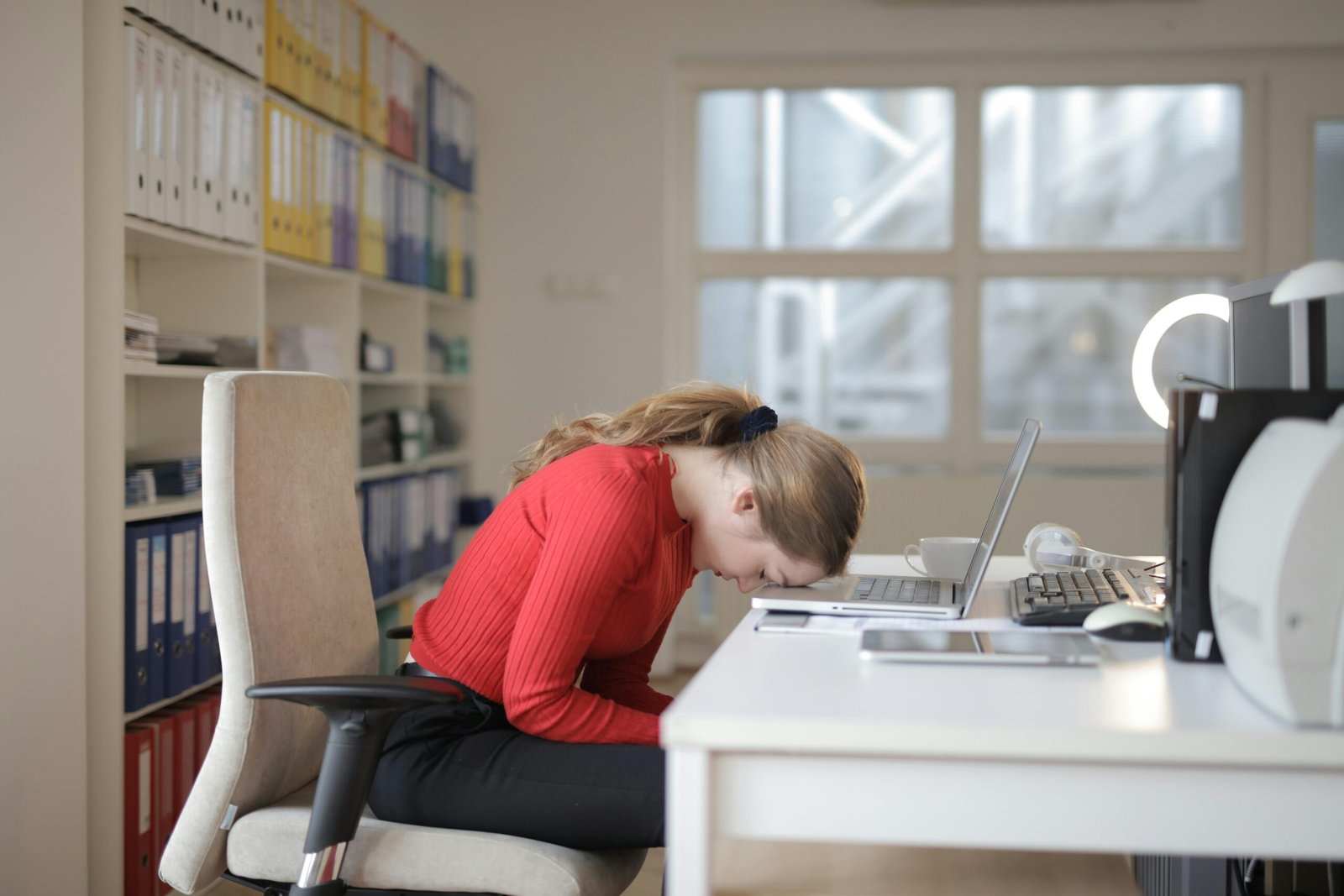
Simple Habits and Techniques to Manage Daily Stress Safely
Daily stress does not always arrive loudly. Sometimes it starts with a tight jaw, a heavy head, short patience, poor sleep, or the feeling that even small tasks are too much. Work pressure, family duties, constant phone notifications, money worries, and lack of rest can slowly build up until the mind feels overloaded.
Managing stress safely does not mean removing every problem from life. That is not realistic. It means building small daily habits that help the body calm down, think clearly, and recover from pressure before it turns into burnout.
The best stress management techniques are usually simple. Breathing properly, walking, drinking water, reducing caffeine, resting your eyes, eating slowly, and sleeping on time can all support a calmer routine when practiced consistently.
How Stress Shows Up in Daily Life
Stress can affect the body and mind at the same time. Some people feel it emotionally, while others feel it physically. A person may feel irritable, tired, distracted, or unable to rest even when the day is over.
These signs are easy to ignore in the beginning. Many people simply say they are busy or tired. But when these signs continue for weeks, they can affect health, work, sleep, and personal relationships.
Start the Morning Without Rushing
A stressful morning can affect the whole day. Waking up late, checking the phone immediately, skipping food, or starting without a plan can create tension before the day begins.
Try giving yourself a slower start. Drink water, open a window, stretch for a minute, and take a few calm breaths before touching your phone. A small and simple start helps you begin the day with balance.
Natural morning light can also support your body clock. Step outside, stand near a window, or sit somewhere bright for a few minutes. This can help you feel awake without relying only on caffeine.
Use Breathing to Calm the Body Fast
Breathing is one of the fastest ways to calm stress because it directly affects the nervous system. When a person is stressed, breathing becomes shallow. Slow breathing can send a signal to the body that it is safe to relax.
Try box breathing. Breathe in for four seconds, hold for four seconds, breathe out for four seconds, and hold again for four seconds. Repeat this 4 to 5 times. This practice is simple and can be done at work, at home, or before a difficult conversation.
You do not need to wait until stress becomes extreme. Use breathing breaks during the day to stop tension from building up. Even five minutes of slow breathing can make a difference.
Reduce the Caffeine Stress Cycle
Caffeine can help you feel alert, but too much coffee or strong tea can make stress worse for some people. It can increase the heart rate, cause shaking, reduce sleep quality, and make worry feel stronger.
You do not have to quit caffeine suddenly. Start by reducing one cup. Replace it with water, mint tea, or a short walk. Try to avoid caffeine in the afternoon and evening so that sleep does not become a problem.
Take Stress Breaks During Work
Long sitting, constant typing, and screen focus can make stress feel heavier. Your body needs small breaks to recover.
Every hour, stand up for a minute. Roll your shoulders, stretch your neck, move your back, and walk a few steps. It is a small action, but it helps the body release the tension that builds during long sitting.
If possible, take one short walk during the day. A ten-minute walk can clear your head, improve blood flow, and reduce eye strain. You do not need a gym or special equipment. Walking outside during lunch is enough.
Protect Your Mind from Screen Overload
Phones and laptops are useful, but too much screen time can overstimulate the mind. Constant scrolling, alerts, and online comparisons can create low-level stress that people hardly notice.
Try a phone-free hour after dinner. Keep your mobile away from your bed. Silence every notification that is not from a real person.
You can also support your self-care routine by learning about best natural skincare ingredients that help keep your skin healthy. Self-care is not limited to one habit. When one part of the routine feels calm and simple, it becomes easier to manage the rest of your day.
Eat Slowly and Stay Hydrated
Stress can affect digestion. Many people eat too fast, skip meals, or snack while working. This can lead to bloating, stomach discomfort, and low energy.
Try eating without checking office files or scrolling on your phone. Chew slowly and give your body time to feel full.
Water also matters. Dehydration can make tiredness, headaches, and irritability feel worse. Keep a bottle close to your desk and drink water before you wait for a strong feeling of thirst.
Use the Brain Dump Method at Night
Overthinking often becomes louder at night. The room becomes quiet, but the mind starts listing worries, unfinished work, and conversations from the day.
A simple brain dump can help. Take a notebook and write everything that is on your mind. It does not need to be organized or perfect. Just writing the thoughts down can feel lighter.
This habit is especially helpful before sleep because it reduces the need to keep everything stored in the mind. You do not need to solve the problem at night. You only need to write it down for tomorrow.
Create a Calmer Evening Routine
Your evening routine decides how well your body recovers. If you stay awake late, scroll for hours, or work until you fall asleep, your mind will not feel calm.
Try keeping your bedroom cool, dark, and quiet. Wash your face, prepare clothes for the next day, and write a short note about tomorrow. Small actions can reduce stress the next morning.
Good sleep is one of the strongest natural stress recovery tools. Without enough sleep, the next day will feel harder and more stressful.
A Simple 3-3-3 Stress Reset
When life feels too busy, use a simple reset instead of trying to fix everything at once.
- Take three short breathing breaks during the day.
- Drink water regularly and avoid waiting until you feel drained.
- Walk for 30 minutes when possible, even if it is split into smaller walks.
This method is easy to remember and realistic for busy people. It does not require equipment, apps, or extra time.
Avoid Overcomplicated Wellness Trends
Many products promise instant peace, but stress relief does not always need to be expensive. Before trying a new supplement, you can check your daily routine. A calm mind usually comes from small, repeated actions rather than one new product.
Better sleep, less caffeine, breathing breaks, walking, hydration, screen control, and simple meals are more effective than a trend that you cannot maintain.
When Stress Needs Professional Support
Daily stress is common, but it should not be ignored if it becomes too heavy. If stress is affecting your sleep, appetite, focus, mood, work, or relationships, it is important to seek support.
You should also seek urgent help if you feel unsafe, hopeless, or unable to cope. Asking for support does not mean you failed. It means you are taking care of yourself.

One Tuesday, Three Small Resets
Most stress advice fails because it is written for a quiet Sunday, not for a Tuesday with a deadline. So take one ordinary workday in Chicago.
At 9 a.m. the inbox is already loud and your shoulders are up near your ears. That is reset one: feet flat on the floor, breathe in for four counts, out for six, five times, before you answer a single email. It takes one minute and nobody in the office notices.
At 1 p.m. the second coffee sounds like help, but it usually just borrows energy from the afternoon. Reset two: a glass of water and a ten-minute walk around the block instead. The walk does what the coffee only promises.
At 6 p.m. your head is still replaying the day. Reset three: write every unfinished task on one sheet of paper, park the phone in the kitchen, and eat dinner without a screen.
Three resets, none longer than ten minutes. That is what daily stress management actually looks like when it works.
At your desk, these 5 minute breathing breaks for high stress shifts are the fastest reset you can do without leaving your chair.
Stress is only one piece of the picture, and these mind wellness tips for a balanced lifestyle cover the habits that support it.
For the slower, longer-term side of feeling calmer, try these simple lifestyle habits for mental peace.
Final Thoughts
Managing daily stress safely is not about doing everything perfectly. It is about choosing small, gentle actions that fit your life. The best habits are the ones that help you feel calmer and more in control.
Start with one or two habits instead of changing your whole life in one day. Stay consistent, notice how you feel, and adjust anything that does not fit. Small changes can build up into a stronger and healthier daily routine.
FAQs
1. What are simple stress management techniques for daily life?
Simple techniques include deep breathing, short walks, stretching, drinking water, reducing caffeine, and organizing one task at a time. Many people also find that sleeping on time and taking small breaks during work help a lot.
2. Can stress cause physical symptoms?
Yes, stress can cause headaches, muscle tightness, stomach discomfort, tiredness, poor sleep, fast heartbeat, and low appetite. If this happens, try breathing, walking, water, rest, and a calm routine. If symptoms continue, speak with a doctor.
3. How quickly do stress management habits work?
Some habits, like breathing exercises, may help within minutes. Bigger changes in mood, sleep, and focus can take days or weeks of small daily effort.
4. Is caffeine bad for stress?
Caffeine is not bad for everyone, but too much can increase restlessness, fast heartbeat, anxiety, and poor sleep. If you feel these symptoms after drinking coffee, try reducing slowly.
5. When should I get help for stress?
You should seek help if stress affects your sleep, work, relationships, appetite, mood, or daily activities. Seek urgent help if you feel hopeless or unable to cope.
6. Can exercise really lower stress?
Yes. A brisk 20- to 30-minute walk lowers muscle tension and helps most people sleep better that night, and sleep is where a lot of stress gets processed. You do not need an intense workout; a regular walk after dinner works for many people.
7. How do I calm down quickly at work?
Step away from the screen for two minutes, slow your breathing so the exhale is longer than the inhale, and relax your jaw and shoulders on purpose. Then write down the single next action for the task that is worrying you. A named next step feels smaller than a whole project.
8. Does poor sleep make stress worse?
Almost always. After a short night, normal problems feel bigger and patience runs out faster. Keeping a regular bedtime, even on weekends, is one of the least glamorous and most effective stress habits there is.
9. What is the difference between normal stress and burnout?
Normal stress eases when the pressure eases and rest restores you. Burnout is when rest stops working: you feel drained for weeks, cynical about work you used to care about, and unable to concentrate. If that sounds familiar, talk to a doctor or counselor rather than adding more self-help habits.
Author Bio
PureFitDay Editorial Team creates practical health, wellness, and nutrition content for readers who want simple guidance for healthier living.
References
- American Psychological Association — Stress
- Mind UK — Stress
- HelpGuide — Stress Management
- Healthdirect Australia — Stress
- Sleep Foundation — Stress and Sleep
- MedlinePlus — Stress
- National Institute of Mental Health (NIMH) — Caring for Your Mental Health
Disclaimer
This guide shares everyday stress-management habits for general wellness. It is not a replacement for therapy or medical care, and it cannot diagnose or treat a mental health condition. If stress feels overwhelming, continues for a long time, affects daily life, or includes thoughts of self-harm, speak with a qualified healthcare professional, counselor, or local emergency service immediately.






8 Comments