


Body Warning Signs Guide: Understanding Your Body’s Early Signals
Have you ever felt tired for several days and brushed it off as Most people do the same. The body often gives small hints before a health issue becomes serious. A sudden drop in energy, frequent bloating, headaches, poor sleep, or body aches may look normal at first, but together they can tell you something important.
This body warning signs guide is not about getting scared of every small symptom. It is about noticing patterns. When you understand your body’s early signals, you can fix small lifestyle problems before they turn into bigger health concerns.
The Small Health Clues People Usually Ignore
Sometimes the body does not shout. It gives quiet signals.
You may wake up tired even after sleeping. You may feel heavy after every meal. You may get headaches in the afternoon. You may feel pain in your joints after workouts for longer than usual. These things are common, but that does not always mean they are normal.
If something keeps happening again and again, it deserves attention.
When Low Energy Becomes a Warning Sign
Feeling tired after a busy day is normal. Feeling tired every day is different.
If you are sleeping enough but still feel drained, your body may be pointing toward poor nutrition, low water intake, or lack of rest.
A better approach is to check your sleep, food, hydration, and daily routine first.
Digestive Signs Your Body May Be Showing
Your stomach often reacts quickly when your routine is not right. Bloating, acidity, constipation, or a heavy feeling after meals can be early signs that your eating habits need attention.
One bad meal is not a problem. But if digestion feels uncomfortable most days, your body is asking for a simple change in your routine.
Headaches, Screen Time, and Dehydration
A headache is not always just a headache. It can come from sitting too long on screens, drinking less water, sleeping late, or skipping meals.
Think about a day when you barely drank water. By evening, your head feels heavy, focus drops, and you feel tired for no clear reason.
Keeping water nearby and drinking slowly throughout the day can help more than people think.
Body Pain After Exercise: Normal or Not?
Workout soreness is common, especially after a new exercise. But pain that stays for weeks should never be ignored.
If your knees, shoulders, back, or wrists hurt again and again, it may be due to poor form, overtraining, or starting with too much weight too soon.
A Simple 3-Minute Body Check
You do not need a complicated health tracker. Before sleeping, ask yourself:
- How was my energy today?
- Did I feel any unusual pain or discomfort?
- Did I drink enough water?
- Was my digestion normal?
- Did I sleep properly last night?
After a few weeks, these small notes can show clear patterns. This is one of the easiest ways to notice changes early.
Signs You Should Not Handle Alone
Some symptoms need medical attention. Do not wait too long if you notice chest pain, breathing difficulty, sudden dizziness, swelling that does not go away, high fever, or sudden weakness in any part of your body.
Home remedies are fine for small routine problems, but serious symptoms need a qualified healthcare professional.
Conclusion
Your body gives signals every day. Some are small, some are serious, and some simply mean your lifestyle needs a small adjustment.
Pay attention to your energy, sleep, digestion, hydration, mood, and pain levels. When something feels unusual for days, do not ignore it. A small step taken early can prevent a bigger problem later.
The Small Signs Are Easy to Miss for Days
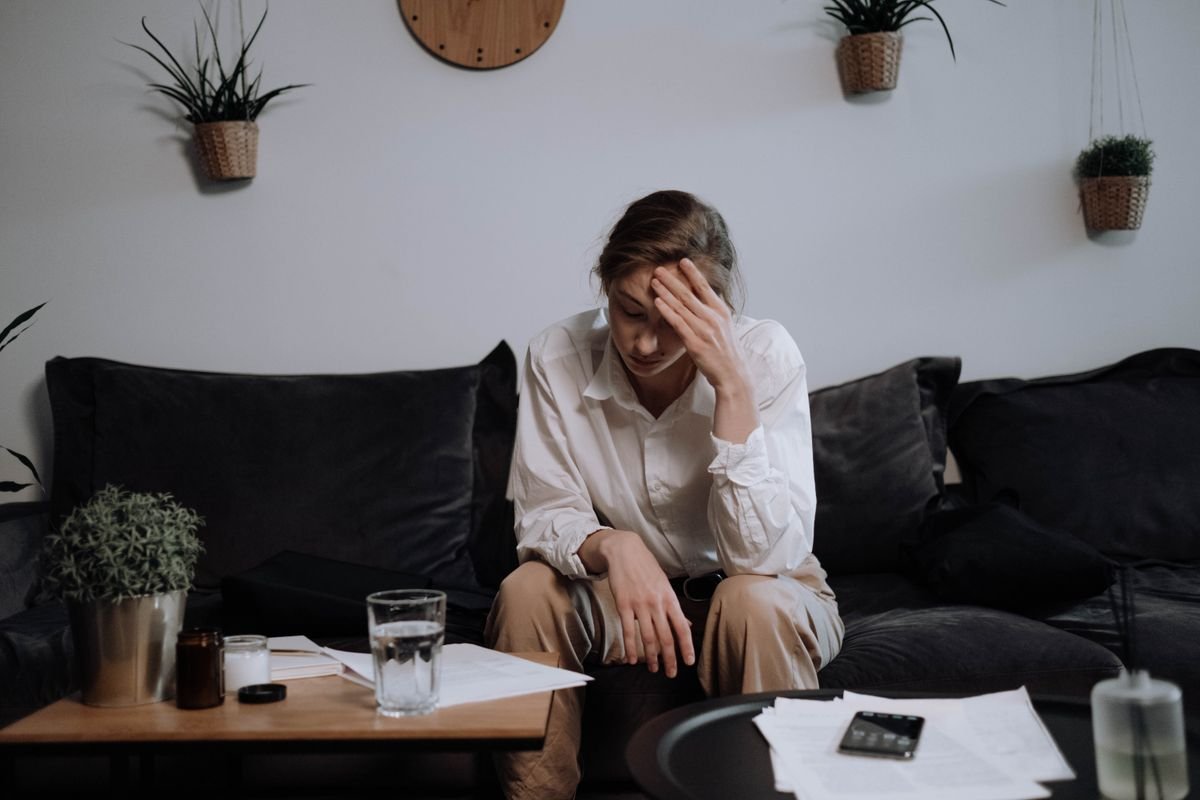
Most people do not ignore a big problem. They ignore small, ordinary ones. Picture an office worker in Chicago. He stays up late scrolling on his phone, skips breakfast, and runs on three cups of coffee. By late afternoon his head hurts and he feels drained. He blames the weather. The same thing happens the next day, and the next.
One tired day means very little. A pattern is different. That is the part worth paying attention to. A simple note on your phone — sleep, water, food, headache, energy — takes less than a minute at night. After a week, the pattern is usually written there in plain sight.
Two mistakes are common. The first is panicking over every small ache. The second is explaining away a sign that keeps coming back for weeks. Neither helps. If a symptom is new, strong, getting worse, or simply not settling, do not keep guessing at home. Get it checked by a doctor. That is always the safer move.

Regular checkups and basic screening are part of catching problems early, as explained in our guide to general and medical healthcare.
Some warning signs are emotional rather than physical, so it also helps to know the common symptoms of mental health disorders and when to seek support.
If low energy is your main signal, your daily food is a sensible first place to look, and these nutrition and diet tips for better energy are a practical starting point.
FAQs
Are body warning signs always serious?
No. Many signs are linked to sleep, stress, food, or dehydration. But if they continue for many days, they should be checked.
Why do I feel tired even after sleeping?
It may happen due to poor sleep quality, stress, dehydration, low nutrition, or an underlying health problem.
Can stress cause body pain?
Yes. Stress can tighten muscles, disturb sleep, cause headaches, and affect digestion.
How do I track my body warning signs?
Write short daily notes about energy, sleep, water intake, digestion, mood, and pain. Patterns become clear after a few weeks.
When should I see a doctor?
See a doctor if symptoms are severe, sudden, unusual, or continue without improvement.
How long should I wait before getting a symptom checked?
If a symptom is mild, watch it for a few days while you note sleep, food, water and stress. If it is still there after one to two weeks, or it keeps returning, book a doctor instead of waiting longer.
What should I write down before seeing a doctor?
Note when the symptom started, when it feels worst, and what seems to trigger or ease it. Also list any medicines you already take. Clear notes help the doctor help you faster.
Can a blood test explain constant tiredness?
Sometimes, yes. Ongoing tiredness can have several causes, and only a doctor can decide which tests, if any, you actually need. Do not order tests or start supplements based on guesswork alone.
Which symptoms should never wait for a routine appointment?
Chest pain, trouble breathing, sudden weakness, fainting, or a fever that will not settle need urgent medical help the same day. Do not try home remedies first for signs like these.
Author Bio
PureFitDay Editorial Team creates practical health, wellness, and nutrition content for readers who want simple guidance for healthier living.
References
- World Health Organization
- Centers for Disease Control and Prevention
- MedlinePlus
- NHS Health Information
- MedlinePlus — Health Topics
- NHS — Conditions A to Z
Disclaimer
This article is for general health education only. It is not a replacement for medical advice, diagnosis, or treatment. If you have ongoing symptoms or serious health concerns, consult a qualified healthcare professional.




1 Comment