

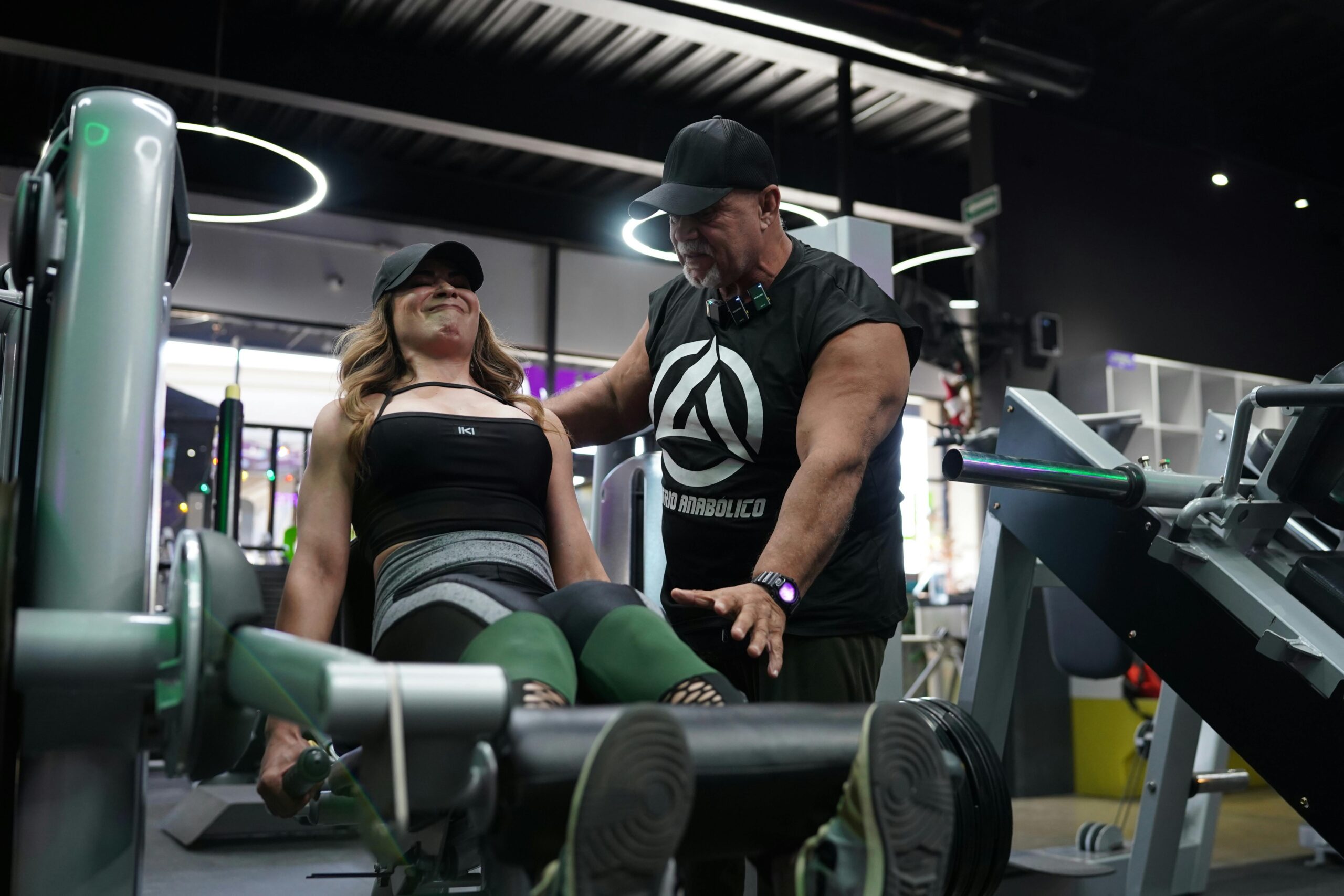
Gym Training Guide: Build Strength and Muscle the Right Way
A good gym training guide can make the difference between random workouts and real progress. When someone starts the gym for the first time, everything can feel confusing. There are machines, dumbbells, trainers, diet advice, supplements, and different workout plans everywhere.
The truth is simple. You do not need a perfect routine on day one. You need a clear plan, proper form, steady progress, good food, and enough rest. Strength and muscle are built through consistency, not shortcuts.

Start with a Clear Training Goal
Before lifting weights, decide what you want from the gym. Some people want muscle growth, some want fat loss, some want strength, and some simply want to feel more active and confident.
If you are a beginner, focus first on learning basic exercises and building discipline. Once your body gets used to training, you can adjust your plan for muscle size, strength, or fat loss.
Learn Basic Exercises First
Most gym results come from simple movements done correctly. You do not need twenty exercises in one workout. Focus on basic movements such as squats, bench press, rows, shoulder press, deadlifts, lunges, pull-downs, push-ups, and core exercises.
These exercises work multiple muscles at the same time. A squat trains your legs and core. A bench press works your chest, shoulders, and triceps. Rows help build your back and arms.
Good form matters more than heavy weight. If your form breaks, reduce the weight and control the movement.
Use Progressive Overload
Your body grows when it faces a little more challenge over time. This is called progressive overload. It can mean adding more weight, doing one extra rep, adding another set, or improving control during each rep.
Do not rush this process. Adding too much weight too fast can cause injury. Progress should feel challenging but manageable.
Simple Weekly Gym Routine
Beginners can start with three to four gym days per week. This gives the body enough training stimulus and enough recovery time.
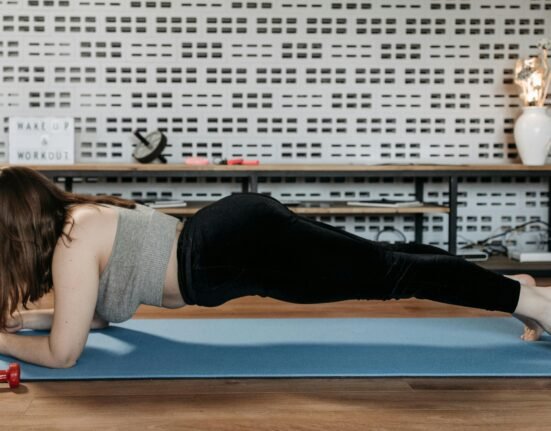
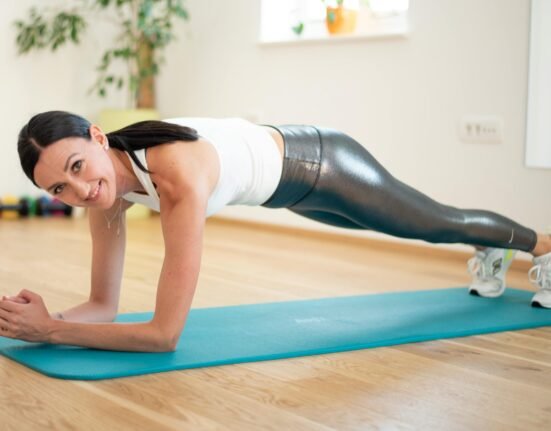
- Day 1: Full body workout with squats, bench press, rows, shoulder press, and plank
- Day 2: Rest or light walking
- Day 3: Full body workout with leg press, dumbbell press, lat pull-down, lunges, and core work
- Day 4: Rest
- Day 5: Upper and lower mix with deadlift variation, incline press, cable row, leg curls, biceps, and triceps
This routine is simple but effective. It trains major muscles without overloading the body too quickly.
Nutrition for Gym Progress
You cannot build a strong body with training alone. Food plays a major role in muscle growth, energy, and recovery.
Protein helps repair muscles. Carbohydrates provide energy for workouts. Healthy fats support hormones and overall health. Good food choices include eggs, chicken, fish, lentils, rice, oats, potatoes, fruits, vegetables, yogurt, milk, nuts, and water.
You do not need an extreme diet. Start by eating regular meals, adding protein to each meal, drinking enough water, and reducing junk food.
Rest and Recovery
Muscles do not grow only during workouts. They repair and grow during rest. If you train hard but sleep poorly, your progress will slow down.
Try to sleep well, take rest days seriously, and avoid training the same muscle hard every day. Recovery is part of the plan.
Common Gym Mistakes
Many beginners slow their progress because of small mistakes. One common mistake is changing the routine every week. Your body needs time to improve at the same movements.
Another mistake is ego lifting. Lifting too heavy with poor form can lead to injury and poor muscle activation. Controlled reps are better than messy heavy reps.
Skipping warm-up is also a mistake. A few minutes of light cardio and warm-up sets can prepare your body for heavier training.
Final Thoughts
A gym training guide should make fitness simple. Start with basic exercises, train three to four days per week, eat balanced meals, sleep properly, and track your progress.
You do not need magic supplements or complicated routines. You need patience, consistency, and smart training. Show up, lift with control, eat better, rest well, and give your body time to grow.
Your First Month at the Gym: What It Actually Feels Like
Nobody tells beginners this: the first two weeks feel awkward for almost everyone. You will watch other people to copy their form. You will forget which machine you used last time. That is fine. Keep a small notebook or a note on your phone with the exercise, the weight, and how many reps you managed. Without that note, every session starts from guesswork.
Eat something simple before you train if you feel weak, like a banana, a boiled egg, or a glass of milk. A heavy meal sits badly, and an empty stomach makes light weights feel heavy.
Two mistakes waste the first month. One is adding weight every session to impress people nearby. The other is copying the split routine of someone who has trained for five years. Three full-body days, the same basic lifts, and one extra rep at a time will carry a beginner further than any advanced plan. Progress in month one is mostly learning, and learning counts.
Once the basic lifts in this guide feel comfortable, our list of the 10 best muscle building exercises shows how to build a fuller workout around them.
What you eat before a session matters more than most beginners expect, so it is worth reading up on the best pre workout foods for energy and strength before your next training day.
On weeks when you cannot get to the gym at all, this guide to home workouts to build muscle keeps the same basic movements going with whatever you have in the house.
FAQs
1. How many days should beginners go to the gym?
Beginners can start with three to four days per week. This gives enough time for training and recovery without overloading the body.
2. Can gym training help with fat loss?
Yes, gym training can help with fat loss by building muscle, improving metabolism, and increasing daily calorie burn when combined with a balanced diet.
3. What is the best workout split for beginners?
A full-body workout three days per week is a good option for beginners. It helps train all major muscles and allows enough recovery time.
4. Should I lift heavy weights as a beginner?
Beginners should focus on proper form first. Heavy weights can be added slowly once the technique is safe and controlled.
5. What should I eat after gym training?
A balanced post-workout meal can include protein and carbohydrates, such as eggs with toast, chicken with rice, yogurt with fruit, or lentils with whole-grain bread.
6. I am sore for three days after every session. Is that normal?
Strong soreness is common in the first two or three weeks, because the muscles are not used to the work yet. It should ease as your body adapts to the same routine. Sharp joint pain is different from muscle soreness — that is a sign to stop, check your form, and lighten the weight.
7. Do I need protein powder to build muscle?
No. Powder is just a convenient food, nothing more. Eggs, chicken, fish, milk, yogurt, lentils and beans cover the same need for most people, as long as protein shows up at most meals. Buy powder only if eating enough is genuinely hard for you.
8. The gym is crowded and the squat rack is always taken. What can I do instead?
Use dumbbells. Goblet squats, dumbbell lunges and Romanian deadlifts train the same muscles and need only a small corner of floor. Going at a quieter time, even thirty minutes earlier, also solves most of the crowd problem.
9. How do I know it is time to increase the weight?
When you can finish your last set with two or three clean reps still in you, the weight has become too easy. Add the smallest step the gym offers, often 1 to 2.5 kg, and expect the reps to drop for a session or two. If your form breaks down, the jump was too big.
Author Bio
PureFitDay Editorial Team creates practical health, wellness, and nutrition content for readers who want simple guidance for healthier living.
References
- American College of Sports Medicine — Strength Training Guidance
- NHS — Exercise and Fitness
- MedlinePlus — Exercise and Physical Fitness
- Mayo Clinic — Fitness
- Mayo Clinic — Strength Training
- NHS — Strength Exercises
Disclaimer
This guide shares general fitness education for healthy adults. It is not a medical check-up or a plan built for your body — talk to a doctor before training if you have an injury, a heart condition, or any long-term illness. If you have an injury, heart condition, chronic illness, joint pain, or any medical concern, speak with a qualified healthcare professional or certified fitness trainer before starting a new gym routine.


4 Comments