

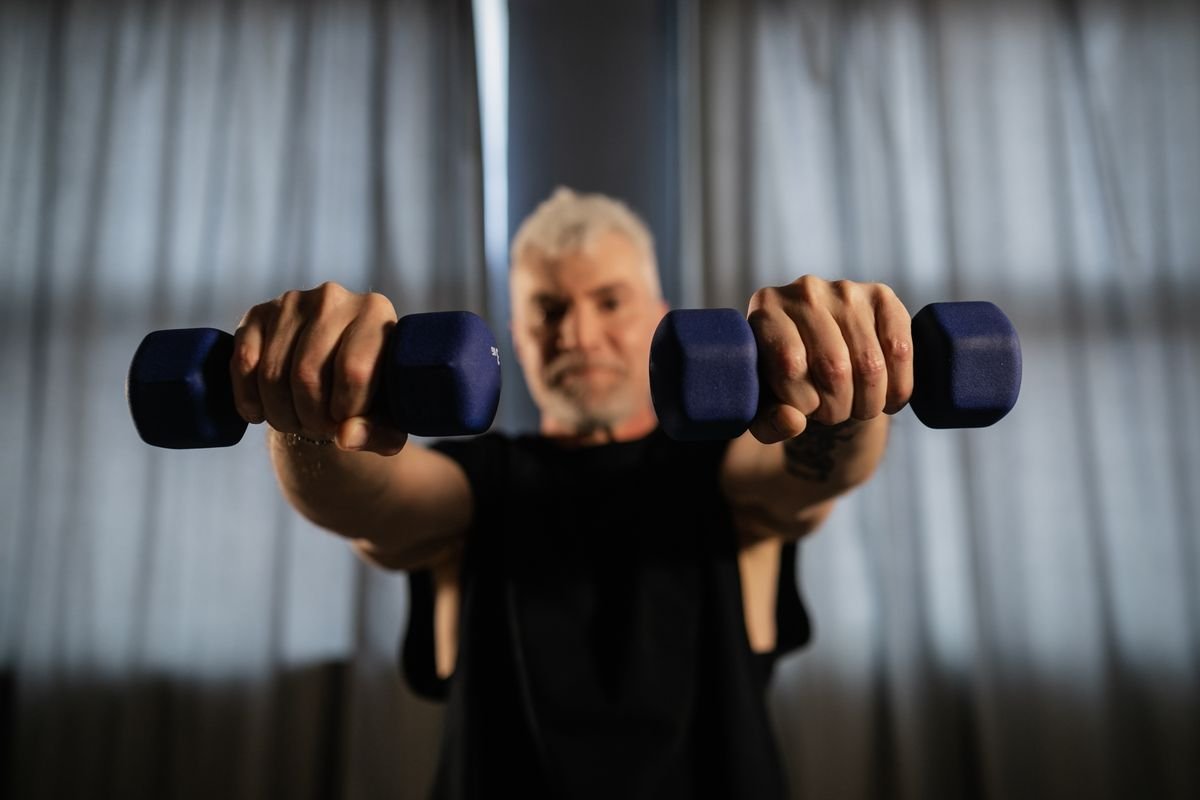
Strength Training for Seniors: Safe Beginner Tips
Strength training for seniors can be one of the most helpful ways to support healthy aging, daily independence, and better mobility. Many older adults think strength training means heavy weights, difficult gym machines, or intense workouts, but that is not true.
For seniors, strength training can be simple, gentle, and safe when done correctly.
It may include light dumbbells, resistance bands, bodyweight movements, chair exercises, or even daily activities that gently challenge the muscles. The goal is not to build a bodybuilder-style physique. The goal is to keep the muscles strong enough to support everyday life.
Standing up from a chair, carrying groceries, climbing stairs, opening jars, walking confidently, and maintaining balance all require strength. As people get older, muscle strength may gradually decrease, especially when the body is not used regularly.
That is why safe strength training can be so valuable.
Why Strength Training Matters for Seniors
Muscles play an important role in almost every daily movement.
When muscles become weaker, ordinary tasks can feel harder. Getting out of bed, walking around the room, climbing stairs, or carrying shopping can feel more difficult.
Strength training for seniors can help support:
- Better muscle strength
- Improved balance
- Greater mobility
- Better posture
- More confidence
- Easier daily movement
- Healthy aging
Strong muscles also support the joints. When muscles are stronger, they can help reduce unnecessary stress on the knees, hips, and shoulders.
Start with Light and Simple Movements
A common mistake is trying to lift too much weight too soon.
Seniors should always begin with light resistance and slow movements.
For beginners, strength training may start with:
- Bodyweight exercises
- Light dumbbells
- Resistance bands
- Chair-supported movements
- Wall push-ups
Even simple movements can be effective when done consistently.
There is no need to rush progress.
The body needs time to adapt, especially if exercise has not been part of the routine for a while.
Focus on Safety First
Safety is the most important part of any senior fitness routine.
Before starting, choose a safe area with enough room to move. Remove loose rugs, clutter, and any objects that could cause a fall.
Keep a sturdy chair nearby for support.
Wear comfortable shoes if standing exercises are included.
Move slowly and avoid sudden jerky motions.
Strength exercises should never cause sharp pain. If dizziness, chest discomfort, or unusual shortness of breath, or sudden weakness occurs, stop and rest. A steady workout should feel challenging but not painful.
Seniors with medical conditions, recent surgery, or joint concerns should speak with a healthcare professional before beginning.
Warm Up Before Strength Training
A warm-up prepares the body for movement.
Many seniors skip warm-ups, but they are especially important before strength training.
A simple warm-up may include:
- Shoulder rolls
- Arm swings
- Seated marching
- Ankle circles
- Light walking around the room
Spend about five minutes warming up before doing strength exercises.
Warm muscles usually move more comfortably and safely.
Wall Push-Ups
Wall push-ups are gentle and beginner-friendly.
Stand facing a wall and place both hands on the wall at shoulder height. Step back slightly, bend your elbows, and lower your body toward the wall. Then push back to the starting position.
This exercise works the arms, shoulders, and chest without placing too much pressure on the joints.
Start with 8 to 10 repetitions.
Chair Sit-to-Stands
This is one of the best beginner strength exercises for seniors.
Sit in a sturdy chair with both feet flat on the floor. Stand up slowly, take a breath at the top, then lower yourself back down.
Use your hands if needed.
This movement strengthens the legs, hips, and core muscles.
It also helps with real-life daily tasks because standing up from a chair is something seniors do many times during the day.
Start with 5 repetitions and increase gradually.
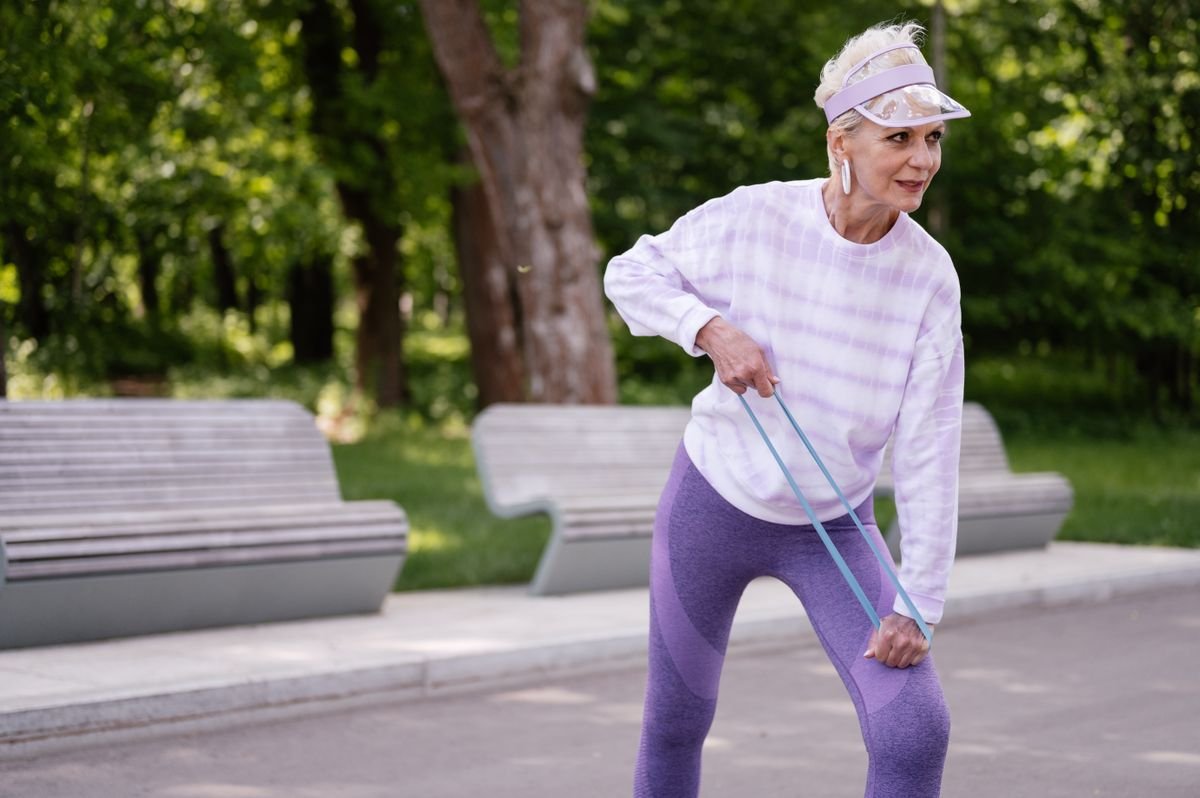
Resistance Band Rows
Resistance bands are great for seniors because they are light and easy to control.
To do a seated resistance band row, sit upright in a chair. Hold the band with both hands and gently pull your elbows back as if squeezing your shoulder blades together. Slowly return to the starting position.
This exercise helps strengthen the upper back and supports better posture.
Good posture can make walking, standing, and sitting more comfortable.
Start with 8 repetitions.
Use a light resistance band at first.
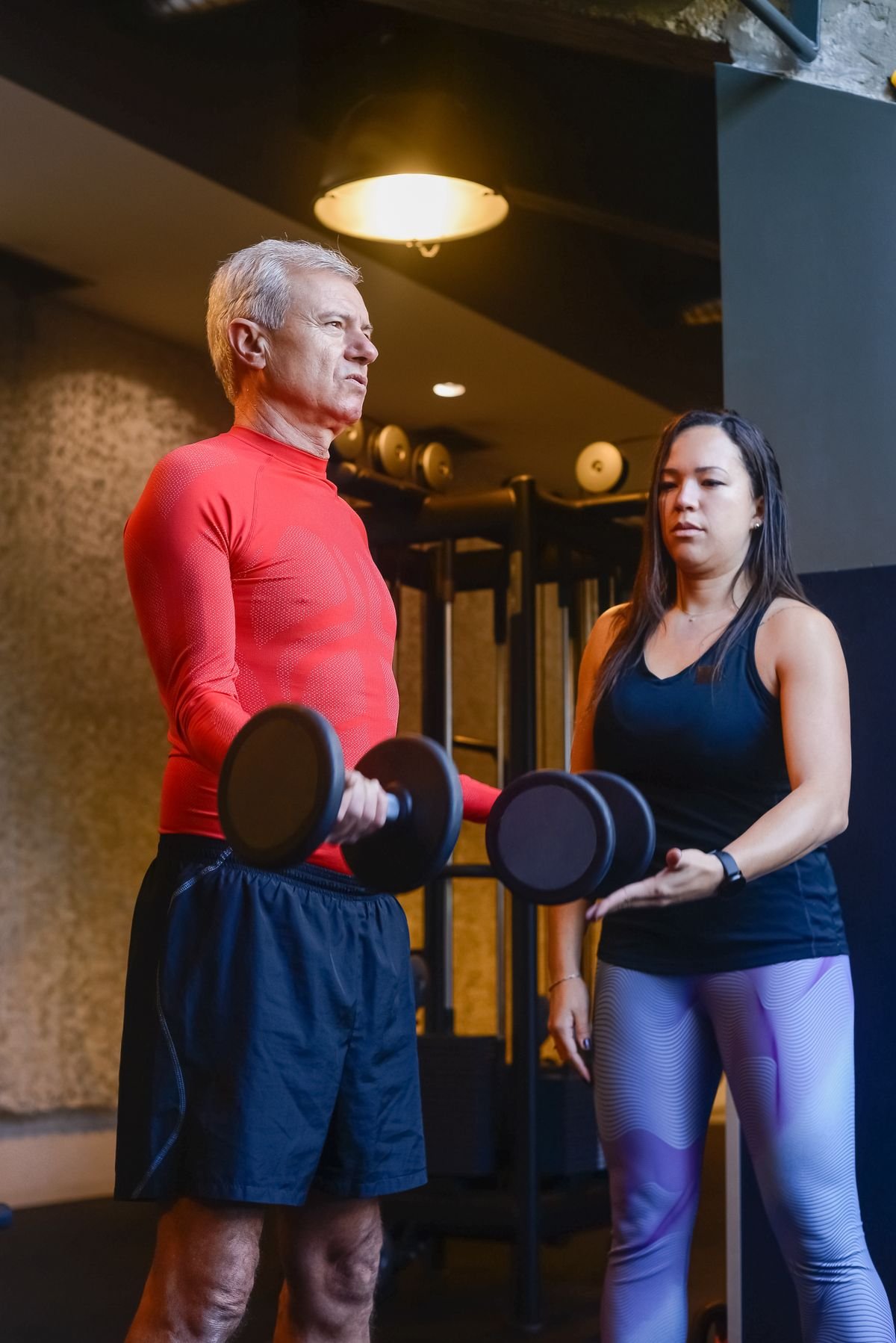
Light Dumbbell Curls
Dumbbell curls help strengthen the arms, which is useful for carrying items and performing household tasks.
Hold a light dumbbell in each hand, or use small water bottles if dumbbells are not available. Keep your elbows close to your body. Slowly bend your elbows and lift the weights toward your shoulders. Bring them down slowly, without letting them drop.
This exercise supports everyday activities such as carrying bags, lifting light items, or holding objects safely.
Begin with one set of eight.
Choose a weight that feels easy to control.
Seated Leg Extensions
This exercise strengthens the front of the thighs.
Take a sturdy chair, sit tall, and plant both feet on the floor. Straighten one leg out in front of you, slowly. Hold briefly, then lower it back down. Repeat with the other leg.
Move slowly and avoid kicking.
This exercise may help support walking, standing, and climbing stairs.
Start with 5 to 8 repetitions on each leg.
Heel Raises
Heel raises strengthen the calf muscles and support better balance.
Stand behind a chair and hold it lightly. Slowly lift your heels so you are standing on your toes, then lower back down.
This exercise helps strengthen the calves and ankles.
It may also improve walking stability.
Aim for ten slow raises to start.
Strength Training and Morning Movement
Many seniors like to exercise in the morning.
Some seniors prefer to add gentle strength exercises after a short morning routine. This can help warm up the muscles before the day starts.
If you are building a daily routine, you may also find this guide helpful: Morning Exercise Routine for Seniors.
Morning movement and beginner strength training can work well together for better daily mobility.
Create a Simple Beginner Routine
A beginner strength routine does not need to be complicated.
Here is a simple example:
Monday
- Wall push-ups
- Seated leg extensions
- Heel raises
Wednesday
- Chair sit-to-stands
- Resistance band rows
- Light dumbbell curls
Friday
- Wall push-ups
- Chair sit-to-stands
- Seated leg extensions
This routine can be adjusted based on comfort and ability.
Rest days are important because muscles need time to recover.
Do Not Forget Breathing
Many people accidentally hold their breath while exercising.
This can make movements feel harder and may increase discomfort.
Try to breathe normally during each exercise.
A simple rule is to exhale during effort and inhale while returning to the starting position.
For example, breathe out when standing up from a chair and breathe in when sitting back down.
Progress Slowly
Progress should be gradual.
Seniors do not need to increase weight quickly.
Progress may mean doing one or two more repetitions, improving control, using slightly better posture, or increasing time under tension.
Small improvements are still improvements.
Strength training is most effective when it becomes a regular habit rather than something done once a week or only when motivation is high.
Benefits Beyond Muscle Strength
Strength training supports more than muscles.
Many seniors notice improvements in:
- Confidence
- Posture
- Balance
- Energy
- Daily independence
- Mobility
- Mood
When the body feels stronger, daily life often feels easier.
Even small strength gains can make ordinary tasks more comfortable.
Common Mistakes to Avoid
Some common mistakes include:
- Lifting too much weight
- Moving too quickly
- Skipping warm-ups
- Holding the breath
- Exercising through pain
- Ignoring balance support
- Doing too much too soon
Strength training should feel controlled and safe.
It should not feel rushed or painful.
Final Thoughts
Strength training for seniors can be simple, safe, and highly useful when done properly.
Gentle exercises such as wall push-ups, chair sit-to-stands, resistance band rows, light dumbbell curls, and seated leg extensions can be suitable for most beginners.
The key is to start slowly and focus on proper control.
You do not need heavy weights or difficult workouts.
A few safe strength exercises performed regularly can help seniors feel stronger, steadier, and more independent.
What the First Two Weeks Really Look Like
Forget the perfect routine for a moment. Here is how it usually goes. A 68-year-old starting at home tries wall push-ups and sit-to-stands on day one. Her legs shake on the fifth stand. She holds the chair arms on the way down. That is fine. That counts.
Day two, her thighs ache when she climbs the stairs. Mild soreness like this is common at the start. She rests. On day three she repeats the same small session, a little steadier this time.
Most beginners make the same three mistakes. They train every single day because they feel motivated. They rush the movements to finish quickly. And they add weight before the basic movement feels easy.
Keep it boring instead. Two or three short sessions a week. Slow reps. A chair within reach. Many seniors fit it around ordinary life — a few heel raises while the coffee is brewing, sit-to-stands before lunch. Small, regular and safe beats one heroic workout followed by a sore week off.
Stronger legs work even better alongside balance practice, and these balance exercises for seniors to prevent falls pair well with this routine.
If standing exercises feel difficult right now, start with chair exercises for seniors with limited mobility and build up from there.
On the days between strength sessions, a daily walk keeps you moving, as covered in our guide to the walking benefits for seniors.
FAQs
1. Is strength training safe for seniors?
Yes, strength training can be safe for seniors when done with light resistance, slow movements, proper form, and rest between sessions.
2. What are the best beginner strength exercises for seniors?
Chair sit-to-stands are one of the best beginner strength exercises because they strengthen the legs, hips, and core while being easy to perform safely.
3. How often should seniors do strength training?
Many seniors can benefit from strength training two to three times per week, with rest days between sessions.
4. Do seniors need equipment for strength training?
No. Seniors can use bodyweight exercises, resistance bands, light dumbbells, or household items like water bottles.
5. Which muscles should seniors focus on?
Many seniors focus on legs, arms, core muscles, and balance.
6. Should seniors use heavy weights?
Seniors should start with very light weights or resistance bands and focus on control before increasing weight or repetitions.
7. Can strength training help with balance?
Yes, strength training can improve balance by increasing lower-body strength, supporting better posture, and improving stability.
8. What should seniors do if they feel pain during strength training?
Seniors should stop if they feel sharp pain, dizziness, chest discomfort, unusual shortness of breath, or sudden weakness. If symptoms continue, seek medical help right away.
9. How do I know if a weight is too heavy for me?
If you cannot finish the movement slowly, start holding your breath, or your form falls apart, it is too heavy. A good starting weight lets you complete the last two repetitions with effort while still staying in control.
10. What if my knees feel sore during chair sit-to-stands?
Use a slightly higher chair, place your feet a little further forward, and use your hands for support. If the pain is sharp, or it stays sore for days afterwards, stop that exercise and ask a doctor or physiotherapist before trying again.
11. Should I talk to my doctor before starting?
Yes, if you have a heart condition, recent surgery, a joint replacement, balance problems, or you have not exercised in years. A short conversation first is far better than stopping later with an injury.
12. How soon will I notice a difference?
Most people first notice everyday things getting easier — standing up, carrying shopping, climbing stairs — within four to six weeks of regular practice. It is gradual. Nobody transforms in a week, and that is normal.
Author Bio
PureFitDay Editorial Team creates practical health, wellness, and nutrition content for readers who want simple guidance for healthier living.
References
- Centers for Disease Control and Prevention (CDC) – Physical Activity for Older Adults
https://www.cdc.gov/physical-activity-basics/guidelines/older-adults.html - National Institute on Aging — Exercise and Physical Activity
https://www.nia.nih.gov/health/exercise-and-physical-activity - World Health Organization (WHO) – Physical Activity
https://www.who.int/news-room/fact-sheets/detail/physical-activity - Harvard Health Publishing – Strength Training
https://www.health.harvard.edu/exercise-and-fitness - Mayo Clinic – Strength Training
https://www.mayoclinic.org/healthy-lifestyle/fitness/in-depth/strength-training/art-20046670 - MedlinePlus — Exercise for Seniors
https://medlineplus.gov/exerciseforseniors.html
Disclaimer
The information provided in this article is for educational and informational purposes only and should not be considered medical advice. Seniors should consult a qualified healthcare professional before starting any new strength training routine, especially if they have heart conditions, joint pain, balance concerns, injuries, recent surgery, or mobility limitations. Your own fitness level, joints and health conditions decide what is safe for you.





3 Comments