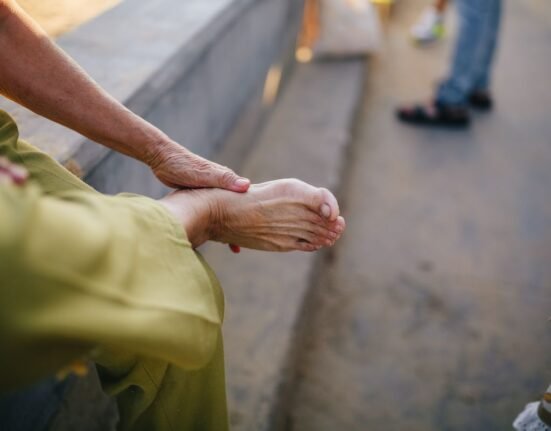
When Your Shoes Feel Tight by Evening
Your shoes fit fine in the morning. By supper time, they feel tight, your socks leave deep marks around your ankles, and your feet look puffy. For many older adults, this is a familiar pattern, and it is usually mild. Painless swelling of the feet and ankles is a common problem, especially among older people, according to MedlinePlus.
The medical word for this swelling is edema: extra fluid built up in the tissues of the feet, ankles, and legs. Gravity pulls fluid downward, so it shows up most in the lowest parts of the body. Swelling that starts suddenly, affects only one leg, or comes with pain, redness, or trouble breathing needs prompt medical care.
This article covers why swelling happens more with age, the common causes, daily habits that help, and warning signs that need care right away. If you live with diabetes, foot care follows a different routine, covered step by step in our guide to diabetic foot care for seniors.
Why Swelling Happens More Often With Age
Your body moves fluid through a careful balance. Tiny blood vessels called capillaries let small amounts of fluid pass into nearby tissues, and your veins and lymph system carry it away. When that balance shifts, fluid collects in the tissues, and the area swells. The Mayo Clinic describes it plainly: edema occurs when tiny blood vessels leak fluid, and the fluid builds up in nearby tissues.
Three changes that come with age make this more likely. First, the one-way valves in your leg veins weaken. When they do not close well, blood pools, pressure rises, and fluid seeps into the tissues. Doctors call this venous insufficiency, and it often goes with varicose veins.
Second, the calf muscle pump slows down. Your calf muscles squeeze your leg veins each time you walk, pushing blood upward. When you sit still for hours, that pump idles, and fluid settles in the feet and ankles.
Third, thinner skin shows swelling sooner. Signs include puffiness, stretched or shiny skin, heavy legs, and skin that holds a dimple for a few seconds after a finger press. A sock ring around the ankle at the end of the day is the same sign, in everyday form.
Swelling that is new, keeps getting worse, or comes with other symptoms deserves a conversation with your doctor, because it can also be a sign of heart, kidney, or liver trouble.
Common Causes of Swollen Feet in Older Adults
Most swollen feet in seniors come from a short list of causes, and often more than one is at work at the same time.
Sitting or standing in one position too long. A long day at a desk, in a recliner, on a road trip, or on a flight can end with swollen ankles. Gravity pulls water down into the legs and feet when you sit or stand in one place for a long time, the Cleveland Clinic notes.
Veins that do not pump well. Venous insufficiency is a common cause of swollen feet in older adults. The vein valves weaken with age, blood pools, and fluid collects. Swelling that builds during the day and eases overnight with your legs raised is worth mentioning at your next visit.
Too much salt. Salt holds water in the body, and a salty day often shows up in the ankles the next morning. The biggest sources in an American kitchen are rarely the salt shaker: canned soup, deli meats, frozen dinners, pizza, fast-food meals, cheese, and chips carry the heaviest loads. Cooking at home and checking labels help most.
Extra weight. Extra weight puts more pressure on leg veins, and slow, steady loss helps.
Injury or surgery. A sprained ankle, a bruised foot, or surgery on a leg, ankle, or foot can cause swelling that lasts for weeks while tissues heal. It should slowly improve. Swelling that suddenly gets worse after surgery, or that comes with pain and warmth, needs a prompt call to your doctor.
Medicines, as a side effect. Several common medicine types can cause leg swelling: certain blood pressure medicines, steroid medicines, hormone treatments, certain antidepressants, anti-inflammatory pain medicines, and certain diabetes medicines. This is a category list, not a verdict on any one prescription. Never stop taking a medicine you think may be causing swelling without first talking to your health care provider.
Health conditions that need a doctor’s care. Swollen legs can be a sign of heart failure, kidney failure, or liver failure. In these conditions, the body holds too much fluid, and it collects in the legs. Problems with the lymph system, which drains extra fluid from tissues, can also cause swelling, sometimes after surgery that removed lymph nodes. New swelling that does not fade, swelling with shortness of breath, or rapid weight gain all deserve a timely appointment.
Daily Habits That Help
Mild swelling with a clear cause usually responds to simple daily habits. MedlinePlus notes that home treatment for leg swelling not tied to a serious condition should usually be tried before medicines for the swelling. Check with your doctor first if you have heart, kidney, or liver disease, or a fluid limit.
Raise your legs. Put your legs on pillows so your feet sit above your heart while you lie down. Thirty minutes twice a day is a good routine. Lying flat works better than a footrest.
Pump your ankles. While you sit, raise and lower your heels with your toes on the floor, then raise and lower your toes with your heels on the floor, then tighten and release your leg muscles. The CDC lists these exact moves for long periods of sitting. Add ankle circles, ten each way, a few times a day, and stand up hourly.
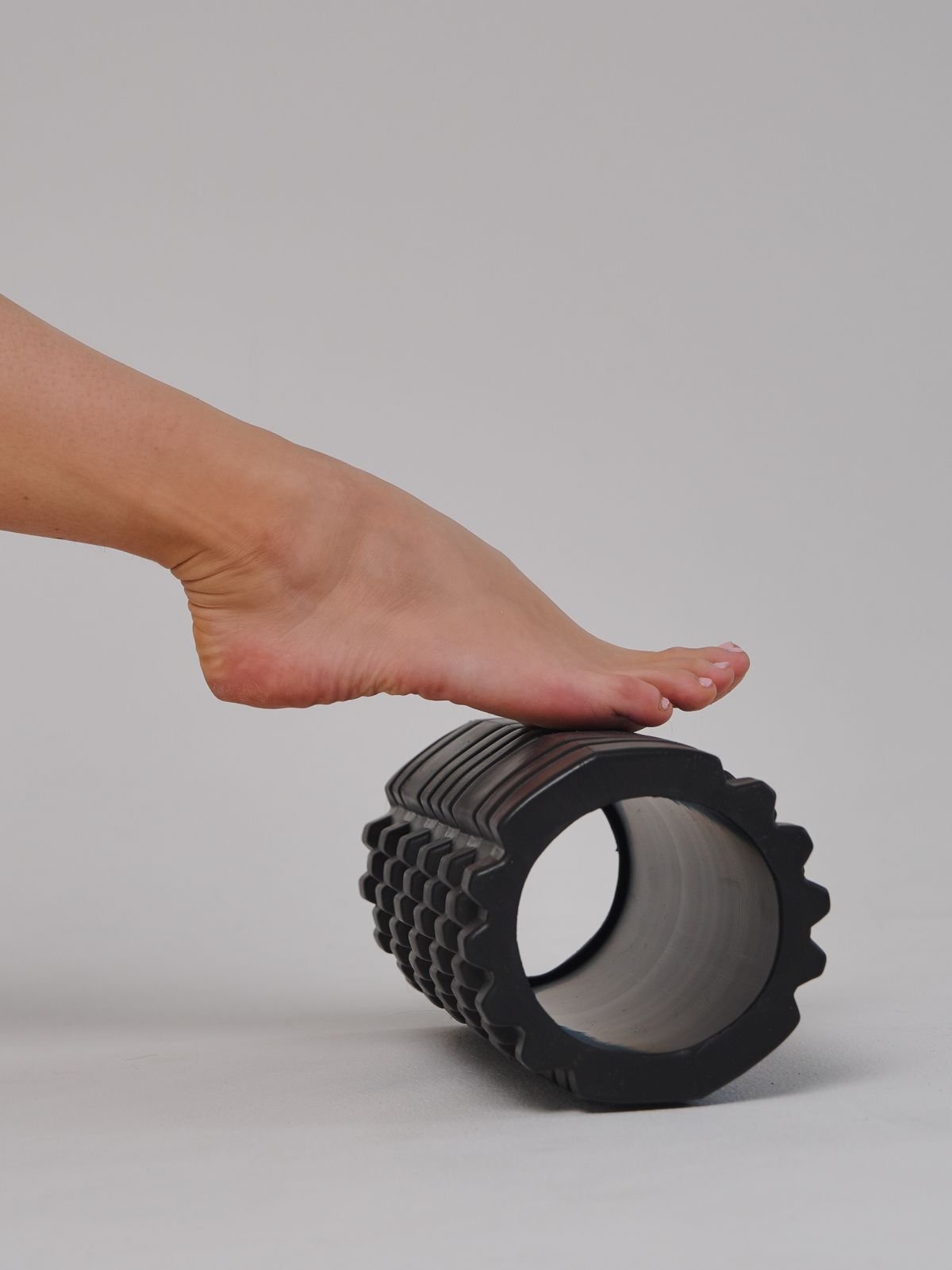
Take short walks often. A short daily walk does double duty: it works the calf pump and supports your heart, balance, and mood. Two or three short walks beat one long one, because the pump works through the day. Wear supportive shoes and walk on level ground.
Ease back on salt. A low-salt eating plan may reduce fluid buildup and swelling. Cook at home most days, rinse canned beans, choose fresh or frozen vegetables, and compare sodium on labels. Season with herbs, garlic, lemon juice, and black pepper instead of salt.
Keep a steady water routine. Drink water on a regular schedule through the day rather than waiting until you feel very thirsty. Thirst signals get weaker with age, and steady hydration habits help your body manage its fluid balance. Do not cut back on water to fight swelling unless your doctor has told you to limit fluids. Cutting fluids on your own can cause dizziness and kidney strain, and it rarely fixes swelling.
Plan for long trips. When you travel for more than a few hours, take breaks often to stand up and move around. On a road trip, stop every hour or two and walk for a few minutes. On a flight, get up and walk the aisle when the seat belt sign allows, and do the seated heel and toe raises every half hour. Drink water through the trip.
Footwear and Sitting Habits
Choose shoes that fit your feet at their largest. Feet swell through the day, so shop for shoes in the late afternoon. Look for a roomy toe box, a low heel, and a firm sole that still bends at the ball of the foot. Laces or straps that adjust let you loosen the fit as the day goes on.

Skip tight bands around your legs. Avoid tight socks, tight elastic bands, and garters around the thighs or calves. Tight bands press on veins and slow the return of blood. Choose socks that stay up without digging in.
Ask about support stockings before you buy them. Support stockings squeeze the legs gently and help veins push fluid upward. They are sold at most drugstores in the United States, but they are not right for everyone. The Cleveland Clinic advises asking your provider before using them, especially with poor circulation, nerve damage, or diabetes. If your doctor recommends them, get fitted in the morning.
Change position often. Sitting with your feet flat on the floor is better than sitting with your legs crossed for a long stretch, and standing up every hour is better still. Jot down the time of day, which leg swells, and anything new, such as pain or redness.
Warning Signs: Get Care Right Away
Most mild swelling is a nuisance. Some swelling is an emergency.
Call 911 or your local emergency number right away if you have swelling with shortness of breath or trouble breathing, chest pain (especially pain that feels like pressure or tightness), coughing up blood, a heartbeat that is suddenly fast or irregular, or fainting. These can mean a blood clot in the lungs or fluid building up in the lungs. Both can be life-threatening. Do not drive yourself.
Contact your doctor the same day if you have:
- Sudden swelling in only one leg, especially with pain or tenderness in the calf
- A swollen leg or foot that is red or warm to the touch
- Swelling with a fever
- Swelling that stays after a night of rest with your legs raised
- Swelling that keeps getting worse
- Swelling after surgery or long bed rest
- Worsening swelling with heart or kidney disease
A blood clot in a deep leg vein, called deep vein thrombosis, can cause sudden swelling in one leg with pain, warmth, and redness. About half of people with this type of clot have no symptoms at all, according to the CDC, so sudden one-sided swelling deserves a same-day call.
Book a routine appointment soon if swelling is new and lasts more than a few days without a clear cause, if it does not ease with the daily habits in this article, or if it comes with unexplained weight gain over a short period. Tell your doctor when it started, one leg or both, what helps or worsens it, and which medicines you take. Bring your notebook.
Frequently Asked Questions
Why do my feet swell more by evening than in the morning?
Gravity is the main reason. Fluid settles in the lowest parts of the body through the day, and the calf muscle pump idles while you sit. Overnight, lying flat lets fluid drain back. Swelling that is still there first thing in the morning is worth a call to your doctor.
Should I drink less water to bring the swelling down?
No, not on your own. Cutting fluids can cause dizziness and kidney strain, and it rarely fixes swelling. Keep a steady water routine unless your doctor has told you to limit fluids for a heart or kidney condition.
Are compression socks safe for everyone?
No. They can cause harm when circulation is poor or feeling in the feet is reduced. Ask your doctor before you buy them, get fitted properly, and tell your doctor if they cause pain, numbness, or skin sores.
How do I know if swelling is an emergency?
Sudden one-leg swelling with pain, warmth, or redness needs a same-day call. Swelling with shortness of breath, chest pain, coughing up blood, or fainting is an emergency. Call 911.
Will walking help, or will it make swelling worse?
Short, frequent walks usually help, because walking works the calf muscles that push fluid upward. Build up slowly and rest with your legs raised afterward. If walking brings pain, chest discomfort, or shortness of breath, stop and call your doctor.
About the Author
PureFitDay Editorial Team creates practical health, wellness, and nutrition content for readers who want simple guidance for healthier living.
References
- MedlinePlus, U.S. National Library of Medicine. “Foot, leg, and ankle swelling.” https://medlineplus.gov/ency/article/003104.htm
- MedlinePlus, U.S. National Library of Medicine. “Edema.” https://medlineplus.gov/edema.html
- Mayo Clinic. “Edema: Symptoms and causes.” https://www.mayoclinic.org/diseases-conditions/edema/symptoms-causes/syc-20366493
- Cleveland Clinic. “Edema: Causes, Symptoms & Treatment.” https://my.clevelandclinic.org/health/diseases/12564-edema
- Centers for Disease Control and Prevention. “About Venous Thromboembolism (Blood Clots).” https://www.cdc.gov/blood-clots/about/
Medical Disclaimer
This article is for general information only and is not medical advice. Swelling can have many causes, and only your own doctor can find the cause of yours. Talk to your doctor before you change your eating, fluid, or activity routine, before you buy support stockings, and before you start or stop any medicine. If you have sudden swelling in one leg, shortness of breath, chest pain, or fainting, seek emergency care right away.