

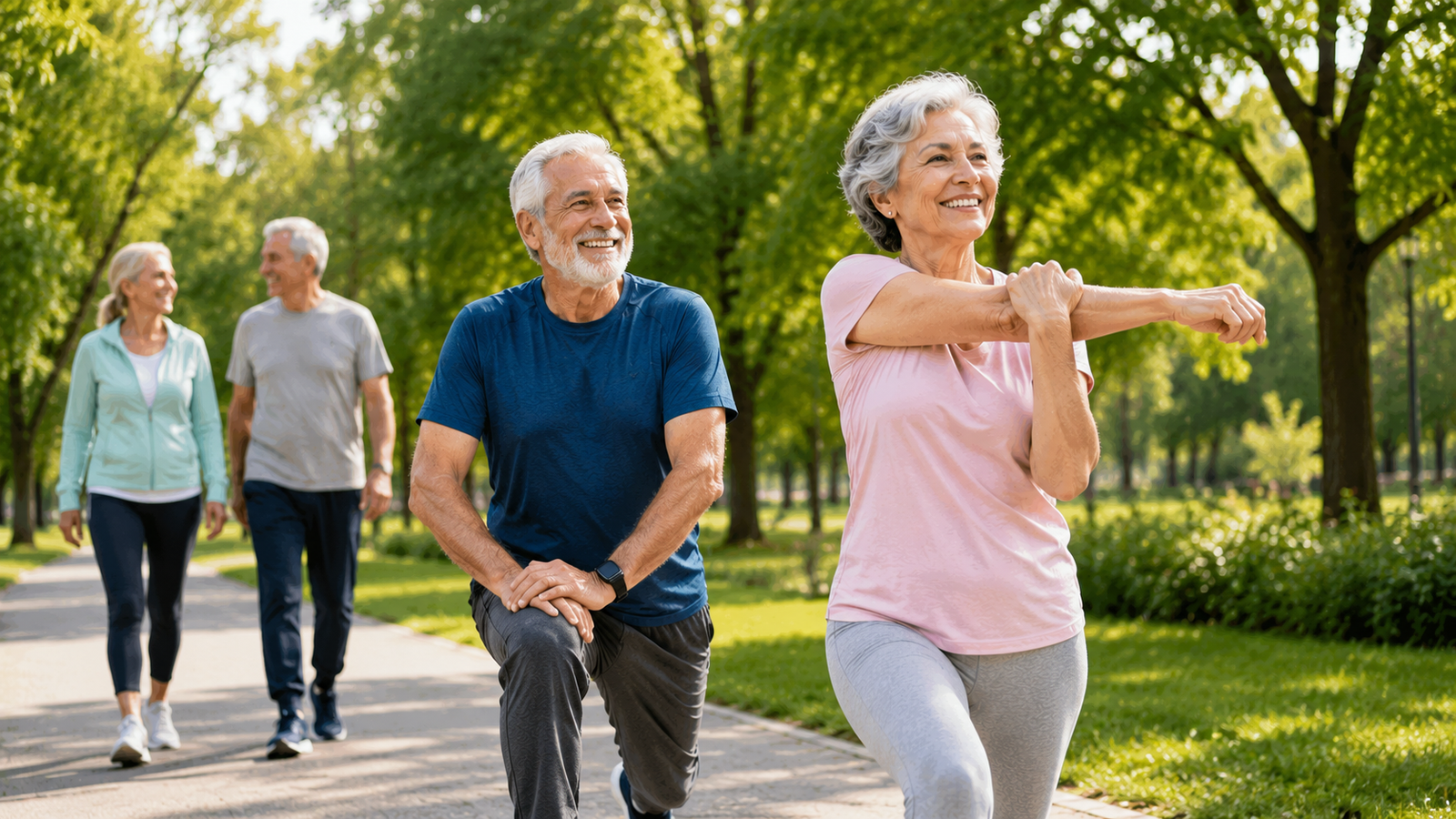
Senior Fitness Tips for Better Strength and Mobility
Growing older does not mean giving up an active lifestyle. In fact, staying physically active becomes even more important with age. Many seniors notice that everyday activities such as climbing stairs, carrying groceries, standing for long periods, or getting up from a chair become more challenging over time. While some physical changes are a natural part of aging, regular movement can help maintain strength, improve mobility, and support independence.
The good news is that senior fitness does not require intense workouts or complicated exercise plans. Small, consistent efforts can help older adults stay active, confident, and comfortable in daily life.
The Real Challenge of Staying Active After 60
Many older adults are not limited by age itself but by reduced movement. As people become less active, muscles gradually lose strength, joints become stiffer, and balance may decline.
This often creates a cycle where movement feels harder, so activity decreases even more.
The result may include:
- Reduced mobility
- Lower energy levels
- Increased stiffness
- Difficulty performing daily tasks
- Less confidence when walking or moving
Breaking this cycle often starts with small daily activities rather than major lifestyle changes.
How Daily Movement Supports Independence
One of the biggest benefits of senior fitness is maintaining independence.
Activities such as dressing, cooking, cleaning, shopping, gardening, and walking all require strength and mobility.
When older adults stay active, they are often able to:
- Move around more comfortably
- Maintain balance
- Perform household tasks independently
- Stay socially engaged
- Continue enjoying hobbies and activities
Fitness is not just about exercise. It is about preserving the ability to live life on your own terms.
5 Signs Your Body Needs More Movement
Sometimes the body provides clues that more activity may be beneficial.
1. Feeling Stiff in the Morning
Stiffness after waking up may indicate reduced flexibility and mobility.
2. Difficulty Climbing Stairs
If stairs feel harder than they used to, lower-body strength may need attention.
3. Poor Balance
Feeling unsteady while walking or standing can be a sign that balance exercises may help.
4. Reduced Energy
Regular movement often helps support circulation and daily energy levels.
5. Avoiding Physical Tasks
If everyday activities feel difficult, gradually increasing movement may help improve confidence.
A Simple Weekly Fitness Plan for Seniors
A balanced routine does not need to be complicated.
Monday
20-minute walk
Tuesday
Gentle stretching and mobility exercises
Wednesday
Light strength training
Thursday
Short walk and balance practice
Friday
Strength and flexibility exercises
Saturday
Outdoor activity, gardening, or walking
Sunday
Recovery and light movement
The goal is consistency rather than perfection.
Exercises That Improve Everyday Activities
Instead of focusing on athletic performance, seniors can choose exercises that improve real-life movements.
Chair Squats
Help strengthen the legs and make standing up easier.
Wall Push-Ups
Support upper-body strength without excessive strain.
Seated Leg Raises
Help maintain lower-body strength and mobility.
Heel Raises
Strengthen the calves and improve balance.
Resistance Band Exercises
Provide gentle strength training for both upper and lower body.
These exercises can often be performed safely at home.
Why Balance Training Matters
Many seniors focus on walking but overlook balance training.
Good balance supports safer movement and helps reduce the risk of falls.
Simple balance exercises include:
- Standing on one foot while holding a chair
- Walking heel-to-toe
- Side stepping
- Gentle weight shifting
Practicing balance regularly can help build confidence and stability.
Staying Motivated When Exercising Alone
Motivation can sometimes be challenging.
Helpful strategies include:
- Exercising with a friend
- Joining community walking groups
- Tracking progress in a notebook
- Listening to music during activity
- Setting small weekly goals
Remember that progress is measured by consistency, not speed.
The Importance of Recovery
Fitness involves more than exercise.
Recovery is equally important.
Seniors should:
- Stay hydrated
- Get adequate sleep
- Take rest days when needed
- Stretch after activity
- Avoid overexertion
Allowing the body time to recover can help prevent discomfort and support long-term success.
Support Fitness with Healthy Habits
Exercise works best when combined with other healthy habits.
Good nutrition, hydration, personal hygiene, and sleep all contribute to overall wellness.
If you want to improve your overall daily wellness routine, you can also read our guide on Bathing and Cleanliness Tips for Better Hygiene and Healthy Skin.
When healthy habits work together, maintaining an active lifestyle becomes much easier.
Safety Tips Before Starting Exercise
Before beginning a new fitness routine, seniors should remember a few simple precautions:
- Start slowly
- Wear supportive footwear
- Exercise in safe environments
- Use support when needed
- Stop if unusual pain occurs
- Stay hydrated
- Consult a healthcare professional when appropriate
Safety helps make fitness both effective and sustainable.
Final Thoughts
Senior fitness is not about lifting heavy weights or running long distances. It is about maintaining strength, mobility, balance, and confidence so everyday life feels easier and more enjoyable.
Small actions such as walking, stretching, strength exercises, and balance training can provide meaningful benefits over time.
The goal is not perfection.
The goal is consistent movement that supports healthy aging and long-term independence.
FAQs
1. At what age should seniors start strength training?
Strength training can be beneficial at almost any age when performed safely and appropriately.
2. Is walking enough exercise after 60?
Walking is excellent, but combining it with strength and balance exercises provides greater overall benefits.
3. How often should older adults exercise each week?
Many seniors benefit from regular movement throughout the week, including walking, stretching, and strength exercises.
4. What exercises help prevent falls?
Balance exercises, leg strengthening exercises, and mobility training may help improve stability.
5. Can seniors build muscle naturally?
Yes. Regular strength training combined with proper nutrition may help support muscle maintenance and growth.
6. What should seniors eat after exercise?
Balanced meals containing protein, healthy carbohydrates, and hydration can support recovery.
7. Are resistance bands better than weights?
Resistance bands can be a safe and effective option for many older adults.
8. When should a senior avoid exercise and consult a doctor?
If there is severe pain, dizziness, chest discomfort, or a medical condition that affects activity, professional guidance is recommended.
Author Bio
About the Author
Margaret Lewis is a healthy aging writer who focuses on senior fitness, mobility, fall prevention, and active living. She creates practical wellness content designed to help older adults maintain independence and improve quality of life.
References
- National Institute on Aging (NIA) – Exercise and Physical Activity for Older Adults
- American College of Sports Medicine (ACSM) – Senior Fitness Guidelines
- National Council on Aging (NCOA) – Healthy Aging Resources
- Arthritis Foundation – Staying Active with Age
- MedlinePlus – Exercise and Physical Fitness for Older Adults
Disclaimer
Medical Disclaimer
Exercise recommendations in this article are intended for general educational purposes only. Older adults with chronic conditions, recent injuries, balance concerns, heart conditions, or mobility limitations should consult a qualified healthcare professional before beginning a new exercise program. Individual needs and abilities may vary.




Leave feedback about this