Morning Exercise for Seniors: Simple Daily Routine
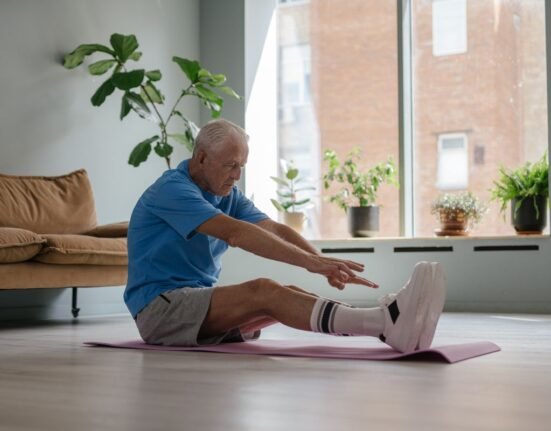
Morning exercise for seniors can be a simple and helpful way to begin the day with more energy, comfort, and confidence. Many older adults wake up feeling stiff, slow, or less flexible than they would like. This can happen after sleeping in one position for several hours or spending less time moving during the previous day.
A gentle morning routine can help the body wake up gradually.
It does not need to be difficult. Seniors do not need intense workouts, heavy weights, or long exercise sessions to feel the benefits. A few simple movements done slowly and safely can support mobility, balance, flexibility, circulation, and daily independence.
The goal of morning exercise for seniors is not to feel tired. The goal is to feel ready for the day.

Why Morning Exercise for Seniors Is Helpful
Morning exercise helps the body move after a long period of rest.
During sleep, muscles and joints can feel tight. Gentle movement in the morning may help reduce stiffness and make daily activities easier.
A morning exercise for seniors routine can support:
- Better mobility
- Improved flexibility
- Increased energy
- Better balance
- Improved circulation
- More confidence
- A positive start to the day
Many seniors also find that morning exercise helps them feel more motivated. When movement becomes part of the morning routine, it is easier to stay consistent.
Start Slowly After Waking Up
Seniors should avoid jumping straight into exercise immediately after getting out of bed.
The body needs time to adjust.
Start by sitting on the edge of the bed for a moment. Take a few slow breaths. Move the ankles gently. Roll the shoulders. Allow the body to wake up before standing.
This small habit can help reduce sudden dizziness and make movement feel safer.
There is no need to rush.
A good morning exercise for seniors routine should always feel calm and controlled.
Drink Water Before Exercise
Hydration matters in the morning.
After sleeping for several hours, the body may need fluids. Drinking a glass of water before exercise can help support energy and comfort.
Seniors do not need to drink too much at once.
A small glass of water is enough to begin.
Keeping water nearby during exercise is also helpful, especially during warmer weather.
Morning Exercise for Seniors and Mood
Morning movement can also support mental well-being.
Starting the day with gentle exercise may help improve mood and create a sense of accomplishment. Many seniors feel more positive when they begin the day with movement instead of sitting for a long time.
Exercise does not need to be intense to feel rewarding.
A small routine can help create structure and purpose.
Regular morning exercise for seniors may also encourage healthier daily habits and greater consistency with physical activity.
Final Thoughts
Morning exercise for seniors can be a simple way to improve mobility, flexibility, balance, circulation, and daily confidence.
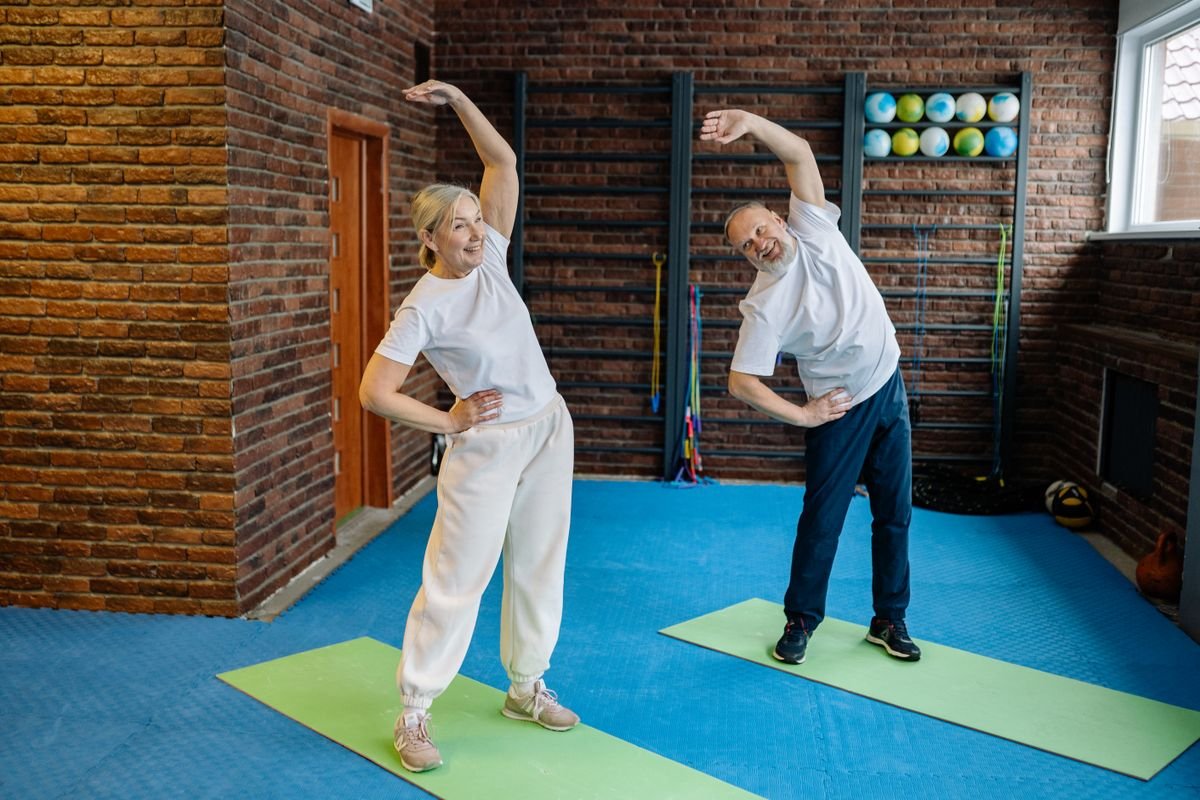
Gentle movements such as neck stretches, shoulder rolls, seated marching, ankle circles, arm raises, chair sit-to-stands, side stretches, and light walking can help the body start the day more comfortably.
The goal is not to exercise hard.
The goal is to wake up the body and move safely.
With a few minutes of regular morning exercise for seniors, older adults may feel more active, steady, and ready for the day ahead. Consistency is more important than intensity, and even a short daily routine can support long-term health and independence.
A Gentle 10-Minute Routine to Try Tomorrow Morning
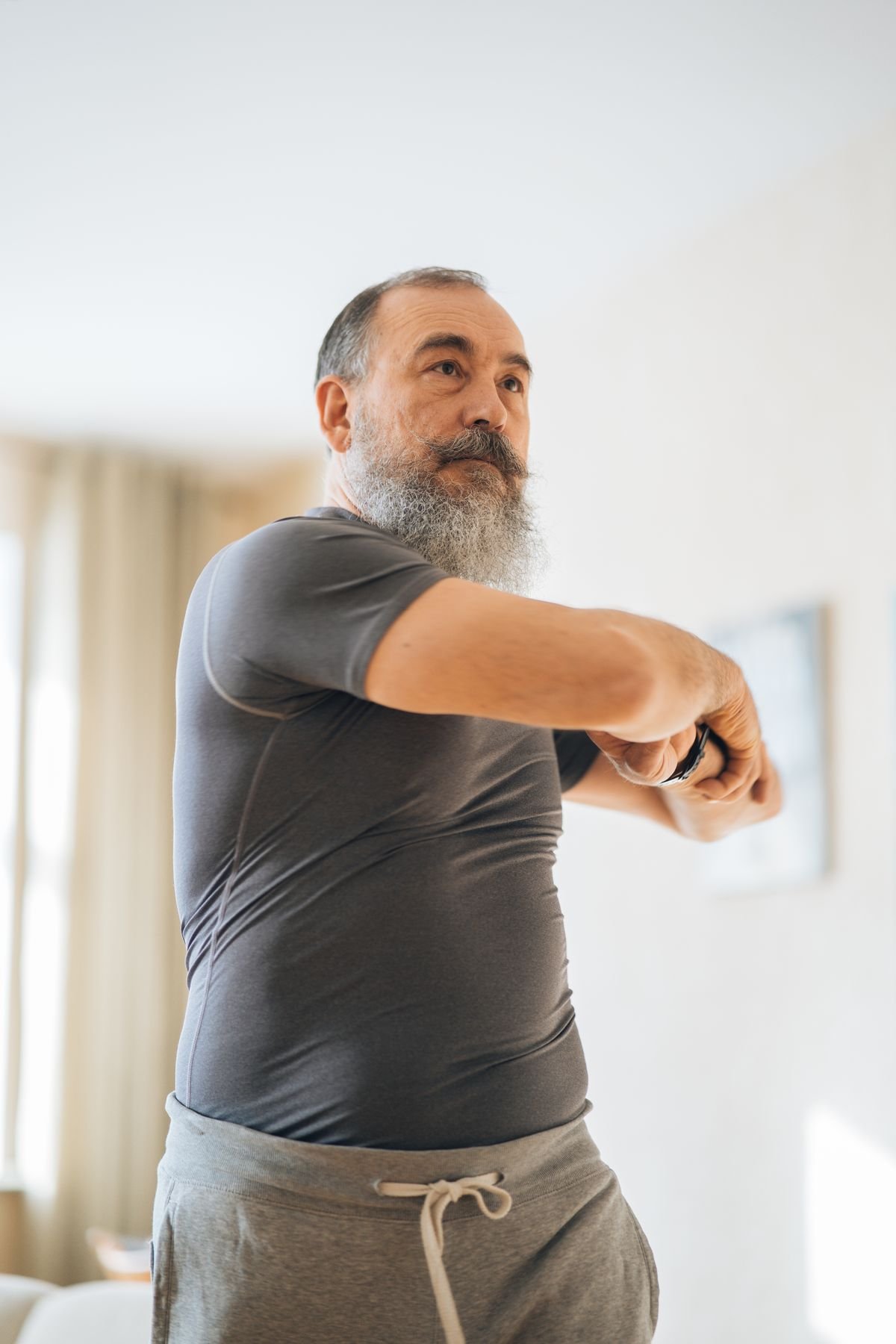
Sit on the edge of the bed first. Circle each ankle five times, then point and flex your feet. Stand up slowly, hold the bed or a chair, and march on the spot for a count of twenty. Roll your shoulders ten times, backwards and forwards. Then walk to the kitchen, pour a glass of water, and do five chair stands while the kettle heats. That is the whole routine, and it takes about ten minutes.
Go slower on stiff days. Cold mornings and poor sleep make joints feel worse, and that is normal. Skip any move that hurts and spend longer on the easy ones instead.
The common mistake is treating this like a workout class. There is no prize for finishing fast. People who keep this habit usually attach it to something fixed, like morning tea or getting dressed. Once the routine has a place in the morning, it stops depending on motivation, which is unreliable at 7 a.m. anyway.
On days when you have more time and energy, these easy exercises for seniors to stay active at home build on this morning routine with a full set of chair and standing moves.
Exercise is only one part of a good start — these healthy morning routine ideas for a better day cover the rest, from light and breakfast to planning the day calmly.
If the morning routine has become easy and you want a fuller plan for the week, this senior fitness routine for energy, balance, and independence is a good next step.
Frequently Asked Questions
Why do I feel stiff every morning, even after a good night’s sleep?
Joints and muscles tighten during hours of stillness, and fluid in the joints moves less overnight. Mild stiffness that eases within half an hour of moving around is very common with age. Stiffness that lasts for hours, or comes with swelling, is worth mentioning to a doctor.
Should I eat breakfast before or after morning exercise?
For a gentle routine like this one, most people are fine exercising first and eating afterwards. A glass of water before you start is a good idea after a night without fluids. If you take diabetes medicine or often feel light-headed in the morning, a small snack first is the safer choice.
I feel dizzy when I stand up quickly. Is morning exercise safe for me?
Sit on the edge of the bed for a full minute before standing, and keep a chair or the bed within reach during the first moves. Skip anything that makes the dizziness worse. Repeated dizziness on standing should be checked by a doctor, because blood pressure and some medicines can cause it.
How long before I notice a difference?
Most people feel looser in the mornings within two to three weeks of doing a short routine daily. Balance and strength changes take longer, usually six to eight weeks. The change is gradual — one morning you just get up and realise the first steps felt easier.
About the Author
PureFitDay Editorial Team creates practical health, wellness, and nutrition content for readers who want simple guidance for healthier living.