


Healthy Eating Tips for Seniors: Simple Ways to Eat Better Every Day
As people grow older, nutrition becomes more important than ever. The foods seniors eat each day can affect energy levels, mobility, digestion, heart health, bone strength, and overall well-being.
Many older adults notice changes in appetite, metabolism, and activity levels as they age. Because of these changes, maintaining healthy eating habits becomes an important part of supporting long-term health and independence.
The good news is that healthy eating does not have to be complicated.
Small improvements in daily food choices can make a meaningful difference over time. A balanced diet filled with nutrient-rich foods can help seniors feel stronger, more energetic, and better prepared for everyday activities.
These healthy eating tips for seniors can help support overall wellness while making meals enjoyable and practical.

Why Nutrition Matters More with Age
The body changes naturally with age.
Muscle mass may decrease, bones can become weaker, digestion may slow down, and certain nutrients may become harder for the body to absorb.
At the same time, many seniors become less physically active, which can reduce calorie needs while increasing the importance of nutrient-rich foods.
Good nutrition can help support:
- Healthy energy levels
- Strong bones
- Muscle maintenance
- Better digestion
- Heart health
- Immune system function
- Healthy aging
A healthy diet provides the body with the nutrients it needs to continue functioning effectively.
Focus on Whole Foods
One of the simplest healthy eating tips for seniors is to focus on whole foods whenever possible.
Whole foods are foods that are minimally processed and naturally rich in nutrients.
Examples include:
- Fruits
- Vegetables
- Whole grains
- Lean proteins
- Nuts and seeds
- Legumes
- Low-fat dairy products
These foods often provide vitamins, minerals, fiber, and antioxidants that support overall health.
Highly processed foods may contain excessive amounts of sodium, sugar, and unhealthy fats.
Choosing whole foods more often can help improve nutritional quality.
Eat More Fruits and Vegetables
Fruits and vegetables provide important nutrients that support healthy aging.
They are naturally rich in vitamins, minerals, antioxidants, and fiber.
Seniors should aim to include a variety of colorful fruits and vegetables throughout the day.
Good options include:
- Berries
- Apples
- Oranges
- Bananas
- Spinach
- Broccoli
- Carrots
- Bell peppers
- Sweet potatoes
Different colors often provide different nutrients, so variety is beneficial.
Include Protein with Every Meal
Protein plays an important role in maintaining muscle health.
As people age, preserving muscle mass becomes increasingly important for mobility and independence.
Good protein sources include:
- Fish
- Chicken
- Turkey
- Eggs
- Greek yogurt
- Cottage cheese
- Beans
- Lentils
- Tofu
Including protein at breakfast, lunch, and dinner can help support muscle maintenance and daily strength.
Stay Hydrated Throughout the Day
Many seniors do not drink enough water.
The sensation of thirst may become less noticeable with age, making dehydration more common.
Proper hydration supports:
- Digestion
- Circulation
- Energy levels
- Joint function
- Overall wellness
Water should be the primary beverage choice.
Other hydrating options may include:
- Herbal tea
- Milk
- Soups
- Water-rich fruits
Keeping a water bottle nearby can serve as a helpful reminder.
Choose Whole Grains
Whole grains provide fiber and important nutrients.
Fiber helps support digestive health and may contribute to feeling satisfied after meals.
Healthy whole grain options include:
- Oatmeal
- Brown rice
- Whole wheat bread
- Quinoa
- Whole grain pasta
Replacing refined grains with whole grains can improve nutritional quality.
Limit Added Sugar
Many packaged foods contain added sugar.
Excessive sugar intake may contribute to weight gain and other health concerns.
Common sources include:
- Soft drinks
- Candy
- Sweet desserts
- Sugary cereals
- Sweetened beverages
Instead of relying on sugary snacks, seniors can choose naturally sweet foods such as fruit.
Support Heart Health Through Nutrition
Heart health becomes increasingly important with age.
Healthy eating habits can support cardiovascular wellness.
Heart-friendly foods include:
- Fatty fish
- Nuts
- Seeds
- Olive oil
- Vegetables
- Fruits
- Whole grains
Reducing highly processed foods and excessive sodium may also help support heart health.
Pay Attention to Bone Health
Strong bones are important for maintaining mobility and reducing injury risk.
Calcium and vitamin D play major roles in bone health.
Foods that may support bone health include:
- Milk
- Yogurt
- Cheese
- Fortified dairy alternatives
- Leafy green vegetables
Regular physical activity and balanced nutrition often work together to support healthy bones.
Plan Simple Balanced Meals
Healthy eating does not require complicated recipes.
A simple balanced plate can include:
- Lean protein
- Vegetables
- Whole grains
- Healthy fats
For example:
Grilled chicken, steamed vegetables, and brown rice.
Or:
Baked fish, sweet potatoes, and a side salad.
Simple meals are often easier to prepare and maintain consistently.
Healthy Snacks for Seniors
Nutritious snacks can help fill gaps between meals.
Good options include:
- Fresh fruit
- Greek yogurt
- Nuts
- Hummus with vegetables
- Cottage cheese
- Whole grain crackers
Healthy snacks can provide additional nutrients without relying on heavily processed foods.
Read Food Labels
Food labels can provide useful information.
Pay attention to:
- Sodium content
- Added sugars
- Saturated fat
- Serving sizes
Understanding labels can help seniors make informed choices when shopping.
Nutrition and Healthy Aging
Nutrition is one of the foundations of healthy aging.
The foods chosen each day can influence energy, mobility, mood, and overall health.
Many healthy aging habits work together.
Along with healthy eating, staying physically active is important. If you would like guidance on exercise as part of healthy aging, you may also find this article helpful: Senior Fitness Routine for Energy, Balance, and Independence.
Combining proper nutrition with regular movement can support long-term wellness.
Common Nutrition Mistakes Seniors Should Avoid
Some common mistakes include:
- Skipping meals
- Not drinking enough water
- Eating too many processed foods
- Consuming excessive sugar
- Ignoring protein intake
- Relying heavily on convenience foods
Small improvements can often lead to meaningful long-term benefits.
Final Thoughts
Healthy eating tips for seniors do not have to be complicated.
Simple habits such as eating more fruits and vegetables, including protein with meals, staying hydrated, choosing whole grains, and limiting processed foods can support healthy aging and daily wellness.
The goal is making consistent food choices that help support energy, mobility, strength, and overall quality of life.
Over time, these small habits can contribute to better health and greater independence.
Small Habits That Make Healthy Eating Stick
Advice only helps if it survives an ordinary Tuesday. These are the small habits that tend to last, because none of them ask you to change everything at once.
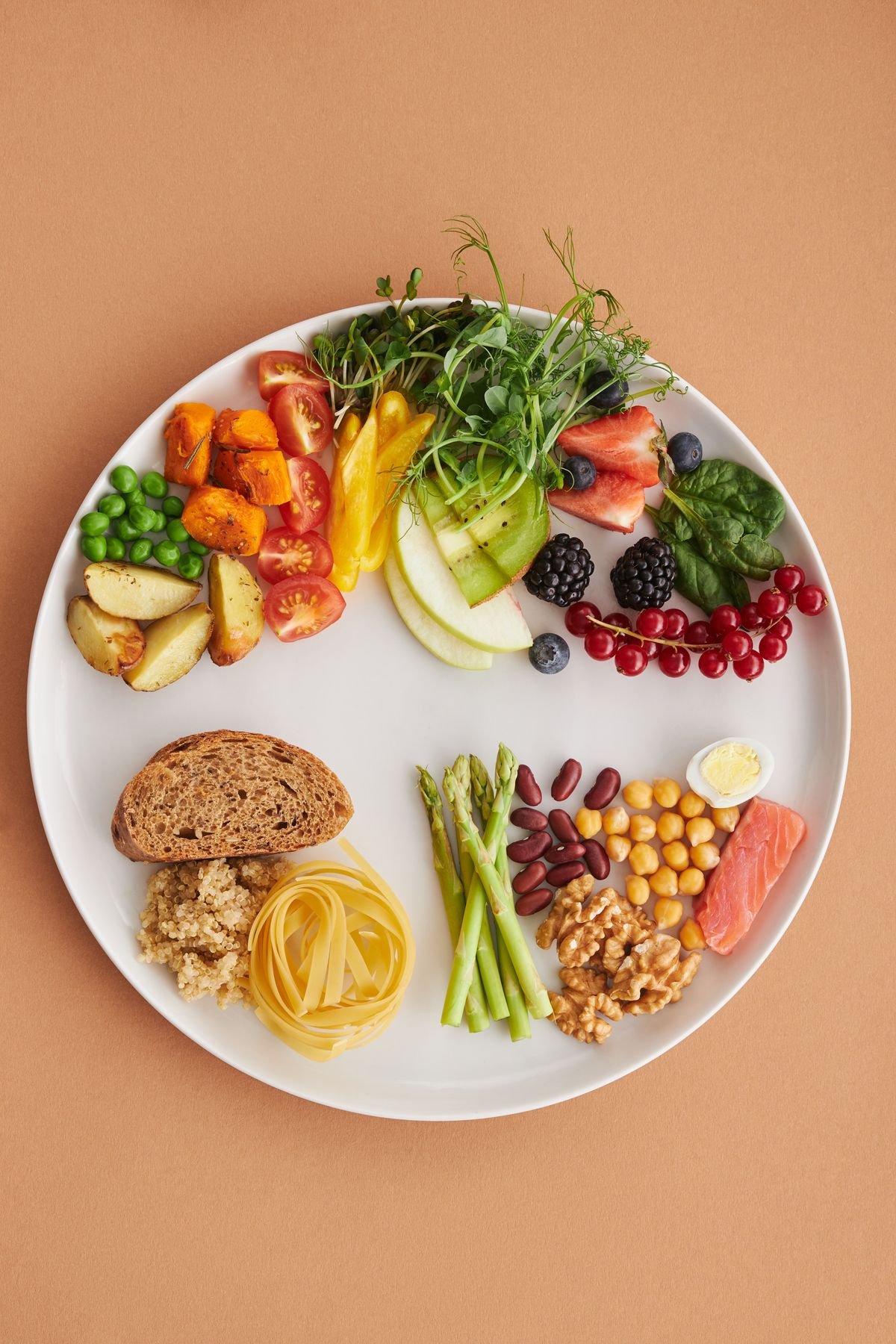
Build the plate in the same order every time: vegetables first, then beans, lentils or another protein, then whole-grain bread or rice. Filling half the plate with vegetables before anything else stops the meal quietly becoming all bread.
Take the salt shaker off the table. Most extra salt does not come from cooking. It comes from the shaker, pickles, chips, and the pack of cookies that goes with evening coffee.
Eat one seasonal fruit a day instead of drinking juice. An apple, an orange, or a small bowl of melon gives you fibre that juice leaves behind, and it fills you up for longer.
Watch the breakfast trap. Coffee with two cookies feels light, but it has almost no protein, and many people feel shaky and snacky by eleven. Adding one boiled egg or a small bowl of Greek yogurt changes the whole morning.
Change one habit this week. Not five. One.
If you would rather not build each day yourself, the simple diet plan for seniors turns these same tips into a ready-made week of meals.
The label-reading habit matters most for salt and fat, and our heart healthy diet tips for seniors show what to cut first.
For the bigger picture behind these habits, the senior nutrition guide for healthy aging explains how nutrient needs change as you get older.
FAQs
1. What are the best healthy eating tips for seniors?
Eating more fruits and vegetables, staying hydrated, including protein with meals, and choosing whole grains are among the best healthy eating habits for seniors.
2. Why is nutrition important for seniors?
Nutrition supports energy, muscle health, bone strength, digestion, immunity, and overall healthy aging.
3. How much protein do seniors need?
Protein needs vary by individual, but many seniors benefit from including protein at each meal to help maintain muscle mass.
4. What are healthy snacks for seniors?
Fresh fruit, yogurt, nuts, vegetables with hummus, and whole grain crackers are nutritious snack options.
5. How can seniors stay hydrated?
Keeping water nearby, drinking fluids regularly, and eating water-rich foods can help maintain hydration.
6. Are whole grains better than refined grains?
Whole grains generally provide more fiber and nutrients than refined grains.
7. What foods support heart health?
Fish, vegetables, fruits, nuts, seeds, olive oil, and whole grains can support heart health.
8. Can healthy eating help seniors stay independent?
A balanced diet can support strength, energy, and overall wellness, which may contribute to maintaining independence.
9. How much salt should a senior aim for in a day?
The World Health Organization advises less than 5 grams of salt a day, roughly one level teaspoon from all food combined. Most of it hides in bread, crackers, pickles, cheese, and packaged snacks rather than in home cooking, which is why reading labels matters.
10. Is fruit juice as healthy as eating whole fruit?
No. Juicing removes most of the fibre, so the sugar reaches you faster and you feel hungry again sooner. Eat the fruit itself when you can, and if you do drink juice, keep it to a small glass with a meal rather than on its own.
11. I eat very little these days. How do I get more nutrition out of small meals?
Make every small meal carry more: add Greek yogurt or an egg at breakfast, a spoon of olive oil or butter in the lentils, and milk or a smoothie between meals. Eating a little every few hours usually works better than forcing yourself through one large plate.
12. Do I need vitamin supplements to eat healthily?
Food should come first, and most people get what they need from varied meals with beans and lentils, vegetables, eggs, dairy, and fruit. Some seniors do need vitamin D or B12 top-ups, but that depends on blood tests, so ask your doctor instead of buying supplements on a guess.
Author Bio
About the Author
PureFitDay Editorial Team creates practical health, wellness, and nutrition content for readers who want simple guidance for healthier living.
References
- Centers for Disease Control and Prevention (CDC) – Healthy Eating for Older Adults
https://www.cdc.gov - National Institute on Aging (NIA) – Healthy Eating
https://www.nia.nih.gov - World Health Organization (WHO) – Healthy Diet
https://www.who.int - Harvard Health Publishing – Nutrition and Healthy Aging
https://www.health.harvard.edu - Mayo Clinic – Healthy Lifestyle Nutrition
https://www.mayoclinic.org - World Health Organization — Healthy diet fact sheet
https://www.who.int/news-room/fact-sheets/detail/healthy-diet - NHS — Eat well
https://www.nhs.uk/live-well/eat-well/
Disclaimer
Medical Disclaimer
These tips are general nutrition education for older adults, not personal medical advice — check with your doctor or dietitian before changing how you eat, especially if you manage a condition like diabetes. Always consult a qualified healthcare professional before making significant dietary changes, especially if you have existing medical conditions, food allergies, or dietary restrictions. Your needs change with your health, your medicines, and how active you are. If you have a medical condition, talk to your doctor before acting on anything in this article.




8 Comments