

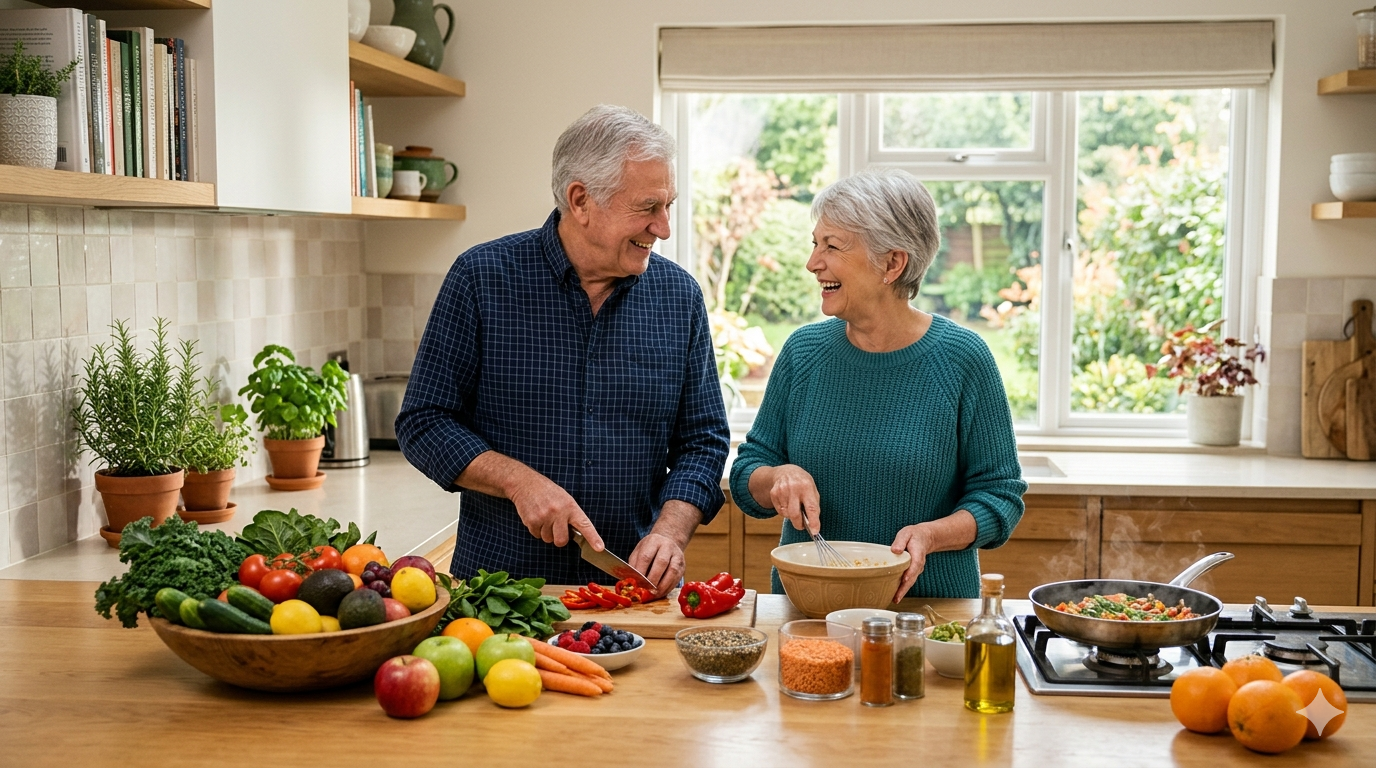
Healthy Eating Tips for Seniors: Simple Ways to Eat Better Every Day
As people grow older, nutrition becomes more important than ever. The foods seniors eat each day can affect energy levels, mobility, digestion, heart health, bone strength, and overall well-being.
Many older adults notice changes in appetite, metabolism, and activity levels as they age. Because of these changes, maintaining healthy eating habits becomes an important part of supporting long-term health and independence.
The good news is that healthy eating does not have to be complicated.
Small improvements in daily food choices can make a meaningful difference over time. A balanced diet filled with nutrient-rich foods can help seniors feel stronger, more energetic, and better prepared for everyday activities.
These healthy eating tips for seniors can help support overall wellness while making meals enjoyable and practical.
Why Nutrition Matters More with Age
The body changes naturally with age.
Muscle mass may decrease, bones can become weaker, digestion may slow down, and certain nutrients may become harder for the body to absorb.
At the same time, many seniors become less physically active, which can reduce calorie needs while increasing the importance of nutrient-rich foods.
Good nutrition can help support:
- Healthy energy levels
- Strong bones
- Muscle maintenance
- Better digestion
- Heart health
- Immune system function
- Healthy aging
A healthy diet provides the body with the nutrients it needs to continue functioning effectively.
Focus on Whole Foods
One of the simplest healthy eating tips for seniors is to focus on whole foods whenever possible.
Whole foods are foods that are minimally processed and naturally rich in nutrients.
Examples include:
- Fruits
- Vegetables
- Whole grains
- Lean proteins
- Nuts and seeds
- Legumes
- Low-fat dairy products
These foods often provide vitamins, minerals, fiber, and antioxidants that support overall health.
Highly processed foods may contain excessive amounts of sodium, sugar, and unhealthy fats.
Choosing whole foods more often can help improve nutritional quality.
Eat More Fruits and Vegetables
Fruits and vegetables provide important nutrients that support healthy aging.
They are naturally rich in vitamins, minerals, antioxidants, and fiber.
Seniors should aim to include a variety of colorful fruits and vegetables throughout the day.
Good options include:
- Berries
- Apples
- Oranges
- Bananas
- Spinach
- Broccoli
- Carrots
- Bell peppers
- Sweet potatoes
Different colors often provide different nutrients, so variety is beneficial.
Include Protein with Every Meal
Protein plays an important role in maintaining muscle health.
As people age, preserving muscle mass becomes increasingly important for mobility and independence.
Good protein sources include:
- Fish
- Chicken
- Turkey
- Eggs
- Greek yogurt
- Cottage cheese
- Beans
- Lentils
- Tofu
Including protein at breakfast, lunch, and dinner can help support muscle maintenance and daily strength.
Stay Hydrated Throughout the Day
Many seniors do not drink enough water.
The sensation of thirst may become less noticeable with age, making dehydration more common.
Proper hydration supports:
- Digestion
- Circulation
- Energy levels
- Joint function
- Overall wellness
Water should be the primary beverage choice.
Other hydrating options may include:
- Herbal tea
- Milk
- Soups
- Water-rich fruits
Keeping a water bottle nearby can serve as a helpful reminder.
Choose Whole Grains
Whole grains provide fiber and important nutrients.
Fiber helps support digestive health and may contribute to feeling satisfied after meals.
Healthy whole grain options include:
- Oatmeal
- Brown rice
- Whole wheat bread
- Quinoa
- Whole grain pasta
Replacing refined grains with whole grains can improve nutritional quality.
Limit Added Sugar
Many packaged foods contain added sugar.
Excessive sugar intake may contribute to weight gain and other health concerns.
Common sources include:
- Soft drinks
- Candy
- Sweet desserts
- Sugary cereals
- Sweetened beverages
Instead of relying on sugary snacks, seniors can choose naturally sweet foods such as fruit.
Support Heart Health Through Nutrition
Heart health becomes increasingly important with age.
Healthy eating habits can support cardiovascular wellness.
Heart-friendly foods include:
- Fatty fish
- Nuts
- Seeds
- Olive oil
- Vegetables
- Fruits
- Whole grains
Reducing highly processed foods and excessive sodium may also help support heart health.
Pay Attention to Bone Health
Strong bones are important for maintaining mobility and reducing injury risk.
Calcium and vitamin D play major roles in bone health.
Foods that may support bone health include:
- Milk
- Yogurt
- Cheese
- Fortified dairy alternatives
- Leafy green vegetables
Regular physical activity and balanced nutrition often work together to support healthy bones.
Plan Simple Balanced Meals
Healthy eating does not require complicated recipes.
A simple balanced plate can include:
- Lean protein
- Vegetables
- Whole grains
- Healthy fats
For example:
Grilled chicken, steamed vegetables, and brown rice.
Or:
Baked fish, sweet potatoes, and a side salad.
Simple meals are often easier to prepare and maintain consistently.
Healthy Snacks for Seniors
Nutritious snacks can help fill gaps between meals.
Good options include:
- Fresh fruit
- Greek yogurt
- Nuts
- Hummus with vegetables
- Cottage cheese
- Whole grain crackers
Healthy snacks can provide additional nutrients without relying on heavily processed foods.
Read Food Labels
Food labels can provide useful information.
Pay attention to:
- Sodium content
- Added sugars
- Saturated fat
- Serving sizes
Understanding labels can help seniors make informed choices when shopping.
Nutrition and Healthy Aging
Nutrition is one of the foundations of healthy aging.
The foods chosen each day can influence energy, mobility, mood, and overall health.
Many healthy aging habits work together.
Along with healthy eating, staying physically active is important. If you would like guidance on exercise as part of healthy aging, you may also find this article helpful: Senior Fitness Routine for Energy, Balance, and Independence.
Combining proper nutrition with regular movement can support long-term wellness.
Common Nutrition Mistakes Seniors Should Avoid
Some common mistakes include:
- Skipping meals
- Not drinking enough water
- Eating too many processed foods
- Consuming excessive sugar
- Ignoring protein intake
- Relying heavily on convenience foods
Small improvements can often lead to meaningful long-term benefits.
Final Thoughts
Healthy eating tips for seniors do not have to be complicated.
Simple habits such as eating more fruits and vegetables, including protein with meals, staying hydrated, choosing whole grains, and limiting processed foods can support healthy aging and daily wellness.
The goal is not perfection.
The goal is making consistent food choices that help support energy, mobility, strength, and overall quality of life.
Over time, these small habits can contribute to better health and greater independence.
FAQs
1. What are the best healthy eating tips for seniors?
Eating more fruits and vegetables, staying hydrated, including protein with meals, and choosing whole grains are among the best healthy eating habits for seniors.
2. Why is nutrition important for seniors?
Nutrition supports energy, muscle health, bone strength, digestion, immunity, and overall healthy aging.
3. How much protein do seniors need?
Protein needs vary by individual, but many seniors benefit from including protein at each meal to help maintain muscle mass.
4. What are healthy snacks for seniors?
Fresh fruit, yogurt, nuts, vegetables with hummus, and whole grain crackers are nutritious snack options.
5. How can seniors stay hydrated?
Keeping water nearby, drinking fluids regularly, and eating water-rich foods can help maintain hydration.
6. Are whole grains better than refined grains?
Whole grains generally provide more fiber and nutrients than refined grains.
7. What foods support heart health?
Fish, vegetables, fruits, nuts, seeds, olive oil, and whole grains can support heart health.
8. Can healthy eating help seniors stay independent?
A balanced diet can support strength, energy, and overall wellness, which may contribute to maintaining independence.
Author Bio
About the Author
PureFitDay Editorial Team creates practical health, wellness, and nutrition content designed to help readers build healthier lifestyles. Our content focuses on healthy aging, senior nutrition, fitness, mobility, strength, balance, and everyday wellness habits.
References
- Centers for Disease Control and Prevention (CDC) – Healthy Eating for Older Adults
https://www.cdc.gov - National Institute on Aging (NIA) – Healthy Eating
https://www.nia.nih.gov - World Health Organization (WHO) – Healthy Diet
https://www.who.int - Harvard Health Publishing – Nutrition and Healthy Aging
https://www.health.harvard.edu - Mayo Clinic – Healthy Lifestyle Nutrition
https://www.mayoclinic.org
Disclaimer
Medical Disclaimer
The information provided in this article is for educational and informational purposes only and should not be considered medical advice. Always consult a qualified healthcare professional before making significant dietary changes, especially if you have existing medical conditions, food allergies, or dietary restrictions. Individual nutritional needs may vary. PureFitDay is not responsible for any health issues resulting from the use of information presented in this article.





Leave feedback about this