

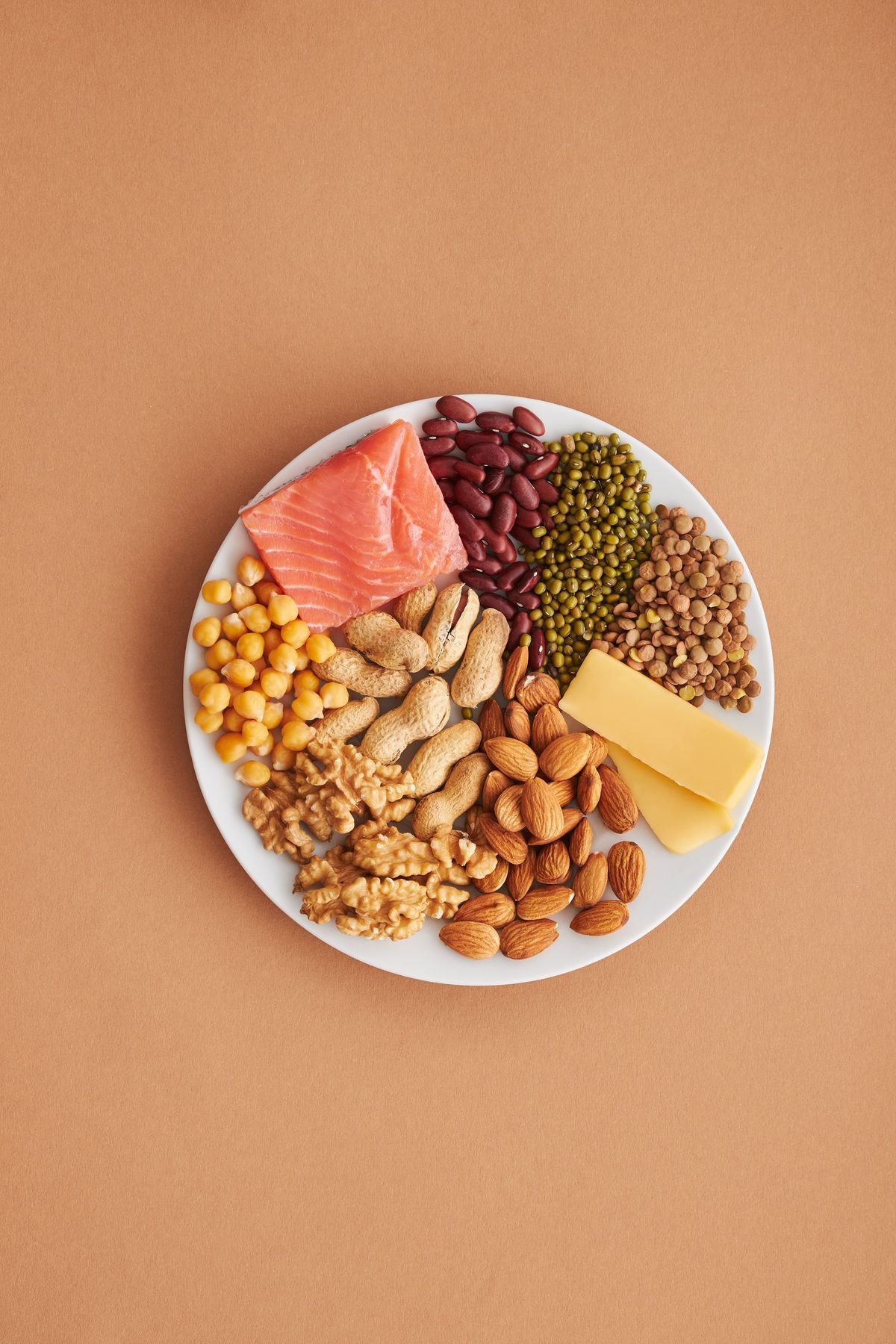
Bone Health Foods for Seniors
Bone health becomes more important as people get older. Strong bones help seniors stay active, steady, and independent in daily life. Walking, standing, climbing stairs, carrying groceries, and moving around the home all depend on healthy bones and muscles working together.
As people age, bones may gradually lose strength. This does not mean seniors should feel worried all the time, but it does mean nutrition deserves more attention. The right foods can help support bone strength, mobility, and healthy aging.
Bone health foods for seniors usually include calcium-rich foods, vitamin D sources, protein foods, leafy greens, nuts, seeds, and other nutrient-rich meals. Most of them are plain grocery-store foods that take little time or money. Simple daily choices can make a meaningful difference over time.
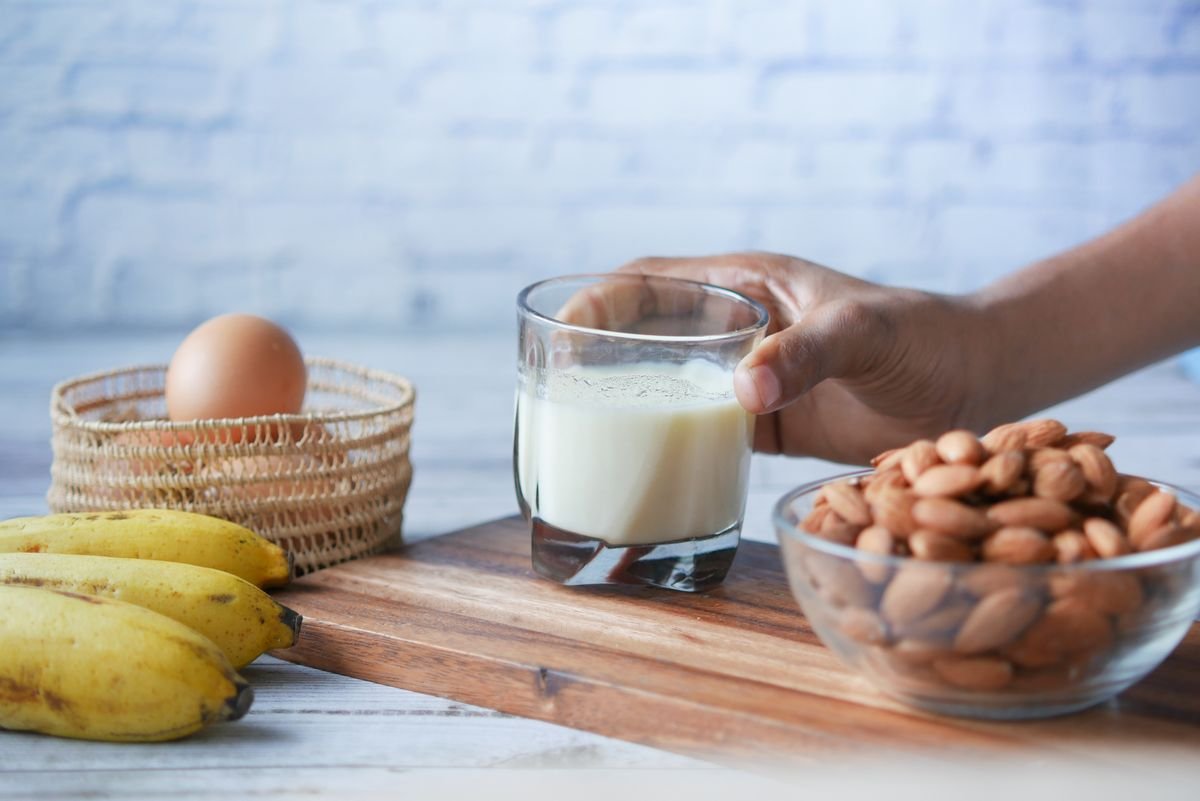
Why Bone Health Matters for Seniors
Bones support the body’s structure and protect important organs. They also work with muscles and joints to help people move safely.
For seniors, bone health matters because weaker bones can affect mobility, balance, and confidence. When bones are better supported through nutrition and healthy habits, everyday movement may feel easier.
Bone health may support:
- Better mobility
- Stronger daily movement
- Improved confidence
- Healthy posture
- Active aging
- Greater independence
Healthy bones are not built by one food alone. They need a combination of nutrients and regular care.
Calcium-Rich Foods
Calcium is one of the most important minerals for bone health.
Many people think of milk when they hear calcium, and that is a good place to start. But calcium can also come from other foods.
Good calcium sources include:
- Milk
- Yogurt
- Cheese
- Fortified plant-based milk
- Leafy green vegetables
- Fortified cereals
- Tofu made with calcium
Yogurt can be especially useful for seniors because it is soft, easy to eat, and can be paired with fruit or oats.
Vitamin D Foods
Vitamin D helps the body use calcium properly.
Without enough vitamin D, calcium may not support bones as effectively. Many seniors may not get enough vitamin D, especially if they spend less time in sunlight.
Food sources of vitamin D include:
- Salmon
- Sardines
- Tuna
- Egg yolks
- Fortified milk
- Fortified cereals
Some seniors may need vitamin D supplements, but this should be discussed with a healthcare professional.
Dairy Foods for Bone Support
Dairy foods are common bone-supporting foods because they often provide calcium, protein, and sometimes vitamin D.
Helpful dairy options include:
- Milk
- Plain yogurt
- Greek yogurt
- Cottage cheese
- Cheese
Greek yogurt can be a good choice because it provides protein along with calcium.
Seniors who do not tolerate dairy can choose fortified alternatives, depending on their needs.
Leafy Greens
Leafy greens are another helpful food group for bone health.
They provide vitamins, minerals, and plant compounds that support overall wellness.
Good options include:
- Kale
- Spinach
- Collard greens
- Bok choy
- Turnip greens
- Broccoli
Leafy greens can be added to soups, omelets, rice dishes, or soft-cooked meals.
Protein and Bone Health
Protein is often discussed for muscle health, but it also matters for bones.
Strong muscles help support the body and protect bones during movement.
Good protein sources include:
- Fish
- Eggs
- Chicken
- Turkey
- Beans
- Lentils
- Greek yogurt
- Tofu
A balanced meal with protein, vegetables, and whole grains can support both bone and muscle health.
Fish for Bones and Healthy Aging
Fish can be useful for seniors because it may provide protein, vitamin D, and healthy fats.
Good fish choices include:
- Salmon
- Sardines
- Trout
- Tuna
Soft fish may also be easier to chew than tougher meats.
Including fish a few times a week can be a practical part of a balanced senior diet.
Bone-Mineral Foods
Small foods can carry a lot of bone minerals. Sesame and almonds add calcium, chia adds calcium and magnesium, and vitamin K2 in cheese and egg yolks helps direct calcium into bone.
Helpful bone-mineral options include:
- Sesame seeds and tahini, for calcium
- Almonds
- Chia seeds
- Prunes
- Fortified orange juice
- Canned sardines with bones
- Leafy greens, for vitamin K
For seniors who have trouble chewing, tahini, ground sesame, or canned sardines mashed with the bones may be easier to use.
Stir tahini into oatmeal, scatter chia over yogurt, or blend sesame into a smoothie.
Whole Grains for Daily Nutrition
Whole grains do not directly replace calcium-rich foods, but they support overall nutrition.
Good whole grain choices include:
- Oatmeal
- Brown rice
- Whole wheat bread
- Quinoa
- Barley
Whole grains provide fiber and steady energy, which can help seniors maintain a healthy routine.
Fruits That Support Wellness
Fruits provide vitamins, antioxidants, and hydration.
Helpful fruit options include:
- Oranges
- Berries
- Apples
- Kiwi
- Bananas
Oranges and fortified orange juice may provide calcium or vitamin C depending on the product.
Fruit can also make healthy snacks more enjoyable.
Bone Health and Heart Health Together
Many foods that support bones can also fit into a heart-friendly diet.
For example, salmon, leafy greens, beans, yogurt, nuts, and whole grains can support overall wellness in more than one way.
If you are also focusing on cardiovascular wellness, you may find this guide helpful: Heart Healthy Diet Tips for Seniors.
Good nutrition often supports multiple areas of health at the same time.
Simple Bone Healthy Meal Ideas
Bone-friendly meals do not need to be complicated.
Breakfast
- Greek yogurt with berries
- Oatmeal with milk and nuts
- Eggs with whole grain toast
Lunch
- Salmon salad with greens
- Lentil soup with vegetables
- Turkey sandwich with fortified milk
Dinner
- Baked fish with broccoli
- Chicken with brown rice and leafy greens
- Tofu with vegetables and quinoa
Snacks
- Cottage cheese with fruit
- Almond butter on toast
- Yogurt with chia seeds
Small meals like these can help seniors include bone-supporting nutrients throughout the day.
Foods and Drinks That Can Weaken Bones
Some foods and drinks can pull calcium out of bones or get in the way of absorbing it, when they show up too often.
These are worth keeping in check:
- Excess sodium, which can leach calcium out of bones in urine
- Cola and other drinks with phosphoric acid
- Too much alcohol
- Too much caffeine
- Highly processed snacks and fried foods that crowd out calcium-rich meals
These do not need to be cut out completely, but they should not replace calcium-rich meals.
Lifestyle Habits That Support Bones
Food is important, but it works best with healthy habits.
Helpful habits include:
- Gentle strength exercises
- Walking
- Balance exercises
- Getting safe sunlight exposure
- Staying hydrated
- Eating enough protein
- Following medical advice
Nutrition, movement, and safety all work together for healthy aging.
Final Thoughts
Bone health foods for seniors can help support stronger bones, mobility, confidence, and healthy aging.
Foods such as milk, yogurt, cheese, leafy greens, salmon, eggs, beans, lentils, nuts, seeds, and whole grains can all play a helpful role in a balanced diet.
The goal is not to eat perfectly every day.
The goal is to build simple habits that support bone strength over time.
With steady nutrition and healthy movement, seniors can support their bones and continue enjoying a more active, independent lifestyle.

A Bone-Friendly Day Without a Special Shopping Trip
Nothing in a bone-friendly day has to come from a health-food store. Most of it is already in a normal American kitchen.
Breakfast is Greek yogurt with berries and a handful of walnuts — calcium, protein, and something crunchy, eaten while the coffee is still hot. If yogurt is not your thing, oatmeal made with milk does a similar job.
Lunch is where canned fish earns its place. A salmon salad on whole-grain bread — canned salmon, bones and all, mashed in — carries more calcium than most people expect from a sandwich. A tuna version works too, with a side of whatever fruit is in the bowl.
Dinner might be beans and greens: white beans simmered with garlic and a pan of kale or collards, plus cheese grated over the top if you like. None of it is exotic. It is Tuesday food.
The other half of the day is not food at all. Twenty minutes outside — a walk to the mailbox and around the block — is where the vitamin D comes from for most people. The plate and the walk work together; neither one does the whole job alone.
To see these foods arranged across a whole week, the simple diet plan for seniors slots calcium-rich meals into a ready-made schedule.
For the full picture of what changes after 60, see our guide to the vitamins and minerals seniors need daily, including B12 and magnesium.
Bones are one part of eating well at this age; the senior nutrition guide for healthy aging covers how the whole pattern fits together.
FAQs
1. What are the best bone health foods for seniors?
Milk, yogurt, cheese, leafy greens, salmon, eggs, beans, lentils, nuts, seeds, and fortified foods can support bone health.
2. Why is calcium important for seniors?
Calcium supports strong bones and teeth and plays a role in muscle function.
3. Why do seniors need vitamin D?
Vitamin D helps the body absorb and use calcium properly.
4. Are leafy greens good for bone health?
Yes. Leafy greens provide important vitamins and minerals that support overall wellness and bone health.
5. Is yogurt good for seniors?
Yes. Yogurt is soft, easy to eat, and may provide calcium and protein.
6. Can fish support bone health?
Yes. Fish can provide protein and vitamin D, especially fatty fish like salmon and sardines.
7. Should seniors take calcium supplements?
Some seniors may need supplements, but they should speak with a healthcare professional first.
8. Can diet alone keep bones healthy?
Diet helps, but bone health is best supported through nutrition, physical activity, safe movement, and medical guidance.
9. How much calcium do seniors need each day?
The National Institutes of Health puts it at 1,000 mg a day for men aged 51 to 70 and 1,200 mg for women over 50 and for everyone over 70. In food terms, 1,200 mg is roughly three to four servings of dairy or fortified alternatives, spread across the day so the body can absorb it in smaller amounts.
10. Can I get enough vitamin D from sunlight alone?
It depends where you live and the time of year. In much of the northern US, winter sun is too weak for the skin to make vitamin D, and older skin makes less of it anyway. That is why vitamin D is the one nutrient on this page where a blood test and a conversation with your doctor are genuinely worth it.
11. Does coffee or soda affect bone health?
Moderate coffee does not appear to harm bones much on its own, though heavy caffeine intake can slightly increase calcium loss. Cola is the bigger concern — people who drink a lot of it tend to drink it instead of milk, so the loss is often about what the soda replaced. Keeping coffee to a normal amount and not swapping dairy for cola covers most of the issue.
12. What if I cannot eat dairy?
You have more options than the dairy aisle suggests: canned salmon and sardines with the bones, calcium-fortified plant milks and orange juice (check the label — fortified versions carry roughly as much calcium as milk), tofu made with calcium, almonds, white beans, and leafy greens like kale and collards. Hitting the daily target without dairy is very doable; it just takes a label check or two.
Author Bio
About the Author
PureFitDay Editorial Team creates practical health, wellness, and nutrition content for readers who want simple guidance for healthier living. Our content focuses on healthy aging, senior nutrition, bone health, heart health, fitness, mobility, strength, balance, and everyday wellness habits.
References
- Centers for Disease Control and Prevention (CDC) – Nutrition for Older Adults
https://www.cdc.gov - National Institute on Aging (NIA) – Bone Health and Aging
https://www.nia.nih.gov - World Health Organization (WHO) – Healthy Diet
https://www.who.int - Harvard Health Publishing – Bone Health and Nutrition
https://www.health.harvard.edu - Mayo Clinic – Calcium and Vitamin D
https://www.mayoclinic.org - National Institutes of Health, Office of Dietary Supplements — Calcium
- National Institutes of Health, Office of Dietary Supplements — Vitamin D
Disclaimer
Medical Disclaimer
This is general nutrition education, not a personal diet plan. If you have osteoporosis, kidney disease, or take medicine that affects calcium or vitamin D, ask your doctor before making big changes or starting a supplement. Seniors should consult a qualified healthcare professional before making major dietary changes or starting supplements, especially if they have osteoporosis, kidney disease, heart conditions, medication concerns, food allergies, or dietary restrictions. How much calcium and vitamin D you personally need depends on your age, your health, and your medicines.




2 Comments