

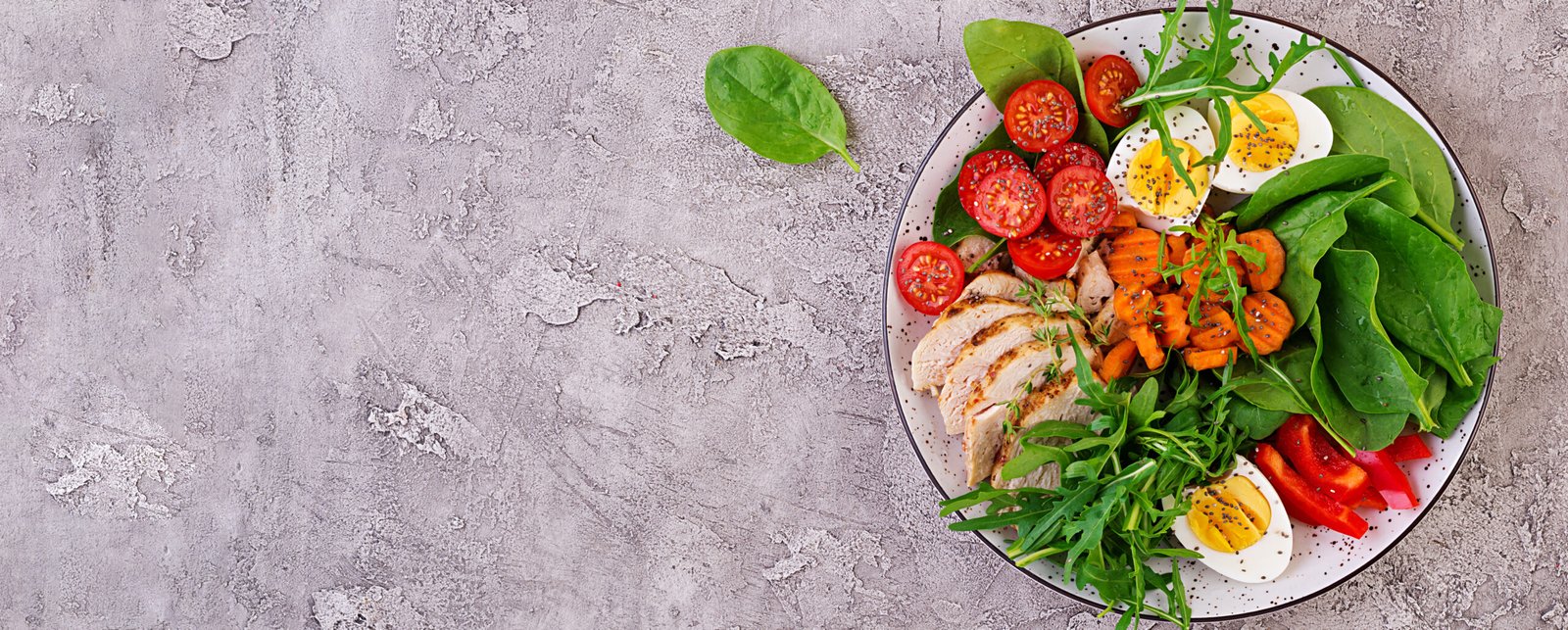
Kitchen Planning Tips: How to Prep Healthy Meals When Busy
Healthy meal prep ideas can make busy weeks much easier, especially when work, family, deadlines, and tired evenings leave little energy for cooking. Many people want to eat better, but the problem usually starts when the fridge is empty and hunger is already high. That is when fast food apps, snacks, and random meals become the easiest choice.
Meal prep does not mean cooking fancy dishes or spending your whole Sunday in the kitchen. It simply means preparing a few useful ingredients ahead of time so healthy eating becomes easier during the week. When meals are ready or half-ready, you save time, reduce stress, spend less money, and make better food choices without thinking too much.
This guide gives practical kitchen planning tips for busy people who want simple meals, better energy, and less daily food panic.
Why Meal Planning Feels Hard for Busy People
Most people do not struggle with healthy eating because they do not care. They struggle because their day is already full. After a long shift, cooking from zero can feel like another job. You may know what is healthy, but when you are tired, hungry, and rushed, convenience usually wins.
This is why meal planning works. It removes the pressure of deciding everything at the last minute. Instead of asking “What should I eat?” every night, you already have rice, protein, vegetables, or a simple snack ready to use.
Small planning steps can protect your routine from last-minute choices that do not support your health goals.
The Real Cost of Skipping Meal Prep
Skipping meal prep can affect more than your weight. It can affect your energy, focus, mood, digestion, and budget. Eating oily takeout or sugary snacks too often may give quick satisfaction, but it can also leave you sleepy and unfocused later.
Many office workers feel an afternoon crash after eating heavy meals made with refined carbs and too much oil. Blood sugar rises quickly and then drops, making the body feel tired. A balanced meal with protein, fiber, and slow-digesting carbs can help keep energy steadier.
Good meal prep is not about strict dieting. It is about making healthy food easier to reach than unhealthy food.
Start with a Simple Weekly Food Base
The easiest way to meal prep is to prepare basic food parts, not full complicated recipes. This gives you flexibility during the week.
Think of your meal prep in four simple groups:
- Protein: chicken, eggs, fish, lentils, beans, chickpeas, yogurt, or tofu
- Carbs: rice, oats, potatoes, whole wheat roti, quinoa, or pasta
- Vegetables: spinach, carrots, cucumber, broccoli, peas, capsicum, or salad leaves
- Healthy fats: nuts, seeds, olive oil, avocado, or peanut butter
Once these basics are ready, you can mix them in different ways. Rice with chicken and vegetables on Monday can become a wrap filling on Tuesday or a salad bowl on Wednesday.
Use the Sunday Prep Method
Sunday prep does not need to take hours. Start with one hour. That is enough to make the week easier.
- Wash and chop vegetables.
- Boil eggs or prepare one protein source.
- Cook rice, potatoes, oats, or another carb base.
- Prepare two simple sauces or seasonings.
- Pack two or three lunch boxes in advance.
Do not try to prepare every meal perfectly. The goal is to reduce daily work, not create pressure. Even preparing breakfast ingredients or lunch boxes for two days can make a big difference.
Choose Meals That Still Taste Good Later
Not every food stores well. Some meals become dry, soggy, or boring after one day. Busy people should choose meals that stay fresh and easy to reheat.
Good meal prep options include rice bowls, lentil bowls, chicken wraps, overnight oats, boiled eggs, grilled chicken, roasted potatoes, vegetable pasta, chickpea salad, yogurt bowls, and homemade smoothies.
Keep sauces separate when possible. This helps prevent food from becoming wet or messy inside the container.
Storage Matters More Than People Think
Good containers make meal prep easier and safer. Use clean, airtight containers and store cooked food properly. Glass containers are useful because they are easy to clean, do not hold strong smells as much, and are usually better for reheating than cheap plastic boxes.
Let hot food cool slightly before closing the lid and putting it in the fridge. Label meals if needed, especially when preparing several boxes. Keep raw and cooked foods separate to avoid contamination.
Food safety is part of healthy meal prep. A clean kitchen routine protects your stomach and keeps your meals fresh for longer.
How Meal Prep Supports Mood and Focus
Food choices can affect how you feel during the day. When meals are balanced, the body receives steadier energy. This may help reduce tiredness, irritability, and poor focus during work or study.
Meal prep also reduces decision fatigue. When you already know what you will eat, your mind has one less thing to worry about. This can be helpful for people who feel mentally drained after work.
If low mood is also affecting your routine, you may find this guide helpful: daily depression support tips. Food is not a cure for emotional struggles, but steady meals can support a healthier daily rhythm.
Quick Meal Prep Ideas for Busy Days
Here are simple healthy meal prep ideas you can rotate during the week:
- Breakfast: overnight oats with milk, dates, nuts, and fruit
- Lunch: rice bowl with chicken, lentils, vegetables, and yogurt
- Snack: boiled eggs, fruit, roasted chickpeas, or nuts
- Dinner: whole wheat wrap with protein, salad, and light sauce
- Quick option: yogurt bowl with oats, peanut butter, and banana
Keep the meals realistic. If you do not enjoy a food, do not force it. Meal prep only works when the food is simple, affordable, and easy to repeat.
A Simple 5-4-3-2-1 Meal Prep Rule
Instead of tracking every calorie, beginners can use a simple weekly planning rule:
- 5: prepare five servings of vegetables or salad items
- 4: prepare four servings of slow carbs like rice, oats, or potatoes
- 3: prepare three protein options such as eggs, chicken, or lentils
- 2: keep two healthy snack options ready
- 1: allow one small treat so the routine feels realistic
This method keeps meal prep simple and flexible. You do not need a strict diet chart to eat better.
Common Meal Prep Mistakes to Avoid
The first mistake is making too much food at once. If you prepare seven identical meals, you may get bored by the third day. Prep ingredients instead of repeating the same full dish.
The second mistake is ignoring taste. Healthy food still needs seasoning, texture, and variety. Use lemon, herbs, spices, yogurt sauce, or light dressings to keep meals enjoyable.
The third mistake is storing food carelessly. Old food, open containers, and mixed raw ingredients can create stomach problems. Keep food fresh, clean, and properly sealed.
The fourth mistake is expecting perfection. Some weeks will be messy. That is normal. Meal prep should reduce stress, not create more pressure.
What to Remember
Healthy meal prep ideas work best when they are simple. You do not need restaurant-style dishes or expensive ingredients. A few cooked basics, clean containers, and a small weekly plan can help you eat better even when life is busy.
Start with one habit: prepare lunch for two days, wash vegetables early, boil eggs, or cook rice in advance. Once that feels easy, add more steps slowly.
Healthy eating becomes easier when your kitchen is ready before hunger hits.
FAQs
1. What are the easiest healthy meal prep ideas for beginners?
Easy options include overnight oats, boiled eggs, rice bowls, lentil bowls, grilled chicken, roasted potatoes, chopped vegetables, yogurt bowls, and simple wraps.
2. How long does meal prep take?
Basic meal prep can take 45 to 60 minutes once or twice a week. You do not need to prepare every meal; even a few ready ingredients can save time.
3. Is meal prep good for weight loss?
Meal prep can support weight loss because it helps control portions, reduce takeout, and make healthier choices easier during busy days.
4. What containers are best for meal prep?
Airtight glass containers are useful because they are durable, easy to clean, and good for reheating. BPA-free containers may also work if used safely.
5. How can meal prep reduce stress?
Meal prep reduces daily decision-making. When food is ready, you do not have to worry about what to eat after a long day, which can lower food-related stress.
Author Bio
Pure Fit Day Nutrition & Lifestyle Team creates practical food and wellness guides for busy readers who want simple routines, better energy, balanced meals, and healthier habits without making daily life complicated.
References
- Academy of Nutrition and Dietetics — Meal Planning
- Harvard T.H. Chan School of Public Health — Healthy Eating Plate
- FoodSafety.gov — Cold Food Storage Charts
- Better Health Channel — Healthy Eating Tips
- British Nutrition Foundation — Healthy Eating
Disclaimer
This article is for general nutrition and lifestyle education only. It is not a personalized diet plan or medical advice. If you have diabetes, food allergies, digestive conditions, eating disorders, kidney disease, pregnancy-related nutrition needs, or any medical concern, speak with a qualified healthcare professional or registered dietitian before making major diet changes.




Leave feedback about this