


Heart Healthy Diet Tips for Seniors
Heart health becomes more important as people get older. Many seniors begin to pay closer attention to blood pressure, cholesterol, energy levels, weight, and overall wellness. While medication and medical care may be necessary for some people, daily food choices can also play a helpful role in supporting heart health.
A heart healthy diet for seniors does not need to feel strict or boring. It is not about removing every favorite food or following a difficult meal plan. Instead, it is about choosing more foods that support the body and limiting foods that may place extra stress on the heart.
Simple changes can make a difference over time. Eating more vegetables, choosing whole grains, adding healthy fats, reducing excess sodium, drinking enough water, and including lean protein can all support a healthier lifestyle.
Why Heart Healthy Eating Matters for Seniors
The heart works every day without rest. As the body ages, keeping the heart supported through healthy habits becomes especially important.
Food choices can influence blood pressure, cholesterol levels, body weight, energy, and overall wellness.
A heart healthy diet for seniors may help support:
- Better cardiovascular wellness
- Healthy blood pressure
- Improved energy
- Healthy weight management
- Better digestion
- Overall healthy aging
Healthy eating does not replace medical care, but it can work alongside other healthy habits.
Choose More Fruits and Vegetables
Fruits and vegetables are important for heart health because they provide fiber, vitamins, minerals, and antioxidants.
They are also naturally low in unhealthy fats and can help make meals more filling.
Good options include:
- Berries
- Apples
- Oranges
- Spinach
- Broccoli
- Carrots
- Tomatoes
- Bell peppers
Adding fruits and vegetables to meals does not have to be difficult. Seniors can add berries to oatmeal, spinach to eggs, vegetables to soup, or fruit as a snack.
Pick Whole Grains More Often
Whole grains provide fiber and steady energy.
Fiber can help support digestion and may support heart health as part of a balanced diet.
Good whole grain choices include:
- Oatmeal
- Brown rice
- Whole wheat bread
- Quinoa
- Barley
- Whole grain pasta
Oatmeal is especially popular because it is simple, soft, affordable, and easy to prepare.
Include Healthy Fats
Not all fats are bad for the heart.
Healthy fats can be part of a balanced senior diet.
Good sources include:
- Olive oil
- Avocado
- Nuts
- Seeds
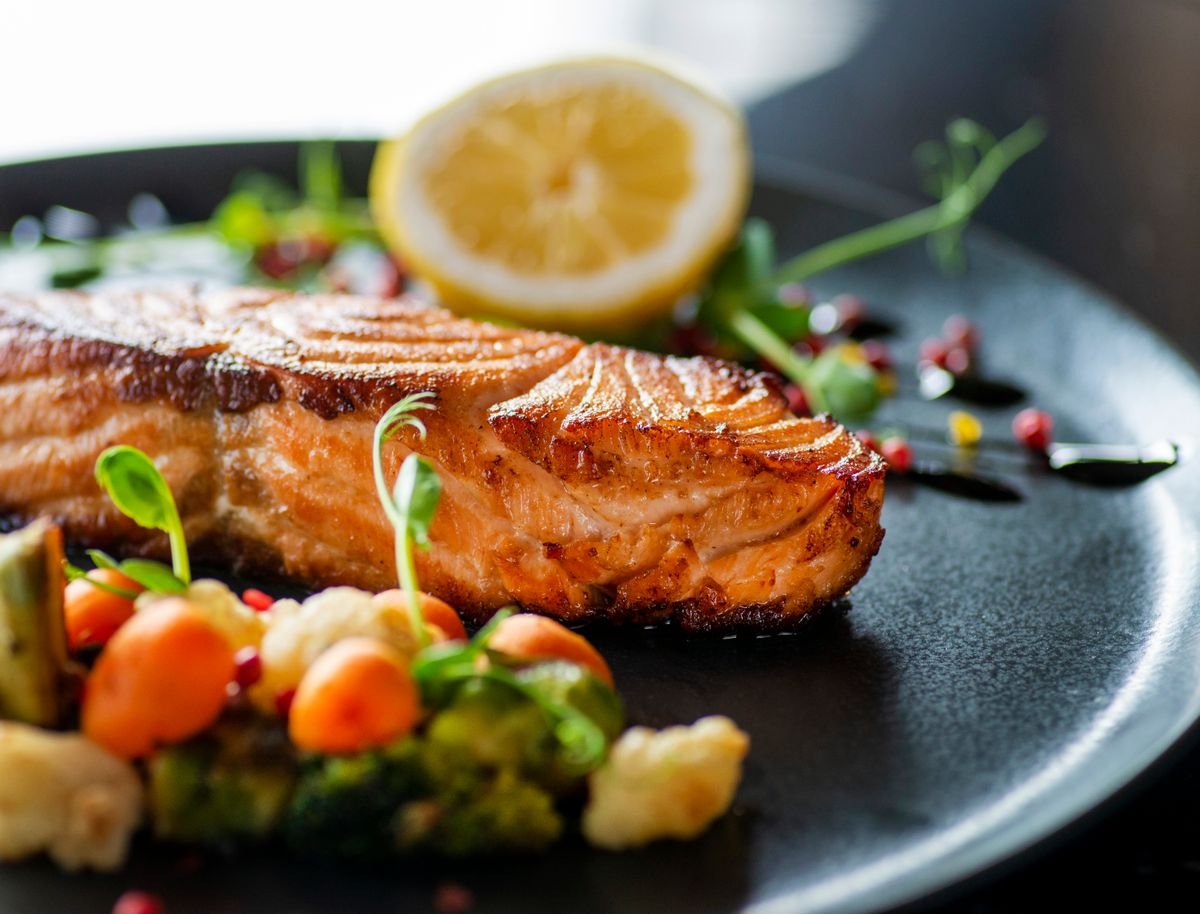
- Fatty fish
These foods can add flavor and nutrition without relying heavily on fried or processed foods.
The key is portion control. Healthy fats are nutritious, but they are also calorie-dense.
Eat Fish When Possible
Fish can be a helpful food for heart health.
Fatty fish such as salmon, sardines, trout, and tuna provide protein and omega-3 fatty acids.
Fish can be baked, grilled, steamed, or added to salads.
Try to choose fish prepared with less oil and less salt.
For seniors who do not eat fish, other protein sources such as beans, lentils, chicken, eggs, or tofu can still be useful.
Reduce Excess Sodium
Many packaged foods contain a lot of sodium.
Too much sodium may affect blood pressure in some people.
Common high-sodium foods include:
- Processed meats
- Packaged soups
- Fast food
- Chips
- Frozen meals
- Salty snacks
A simple step is to read food labels and choose lower-sodium options when possible.
Using herbs, lemon, garlic, ginger, or spices can add flavor without relying too much on salt.
Choose Lean Protein
Protein supports muscle health, strength, and recovery.
For heart health, lean protein choices are often a better option than heavily processed meats.
Good choices include:
- Fish
- Chicken
- Turkey
- Beans
- Lentils
- Eggs
- Tofu
- Low-fat yogurt
Beans and lentils are especially useful because they provide both protein and fiber.
Limit Added Sugar
Too much added sugar can affect energy, weight, and overall health.
Common sources include:
- Sugary drinks
- Candy
- Cakes
- Cookies
- Sweet cereals
- Sweetened tea
Seniors do not need to avoid sweets forever. The goal is moderation.
Fruit can be a helpful choice when craving something naturally sweet.
Stay Hydrated
Hydration also supports heart and overall health.
Thirst can fade with age, so some seniors drink less than they need without noticing. That matters more for the heart when blood-pressure medicines make the body lose extra fluid.
Drinks that are kind to the heart include:
- Water
- Herbal tea
- Milk
- Soups
- Water-rich fruits such as melon and oranges
Keeping fluids up also helps digestion and daily energy, while cutting back on sugary drinks takes a steady load off the heart.
Vitamins and Minerals for Heart Health
Certain nutrients can support overall wellness and heart health, including potassium, magnesium, calcium, and vitamin D.
Balanced meals are one of the easiest ways to get these nutrients from food.
If you want a broader nutrient guide, you may also read: Vitamins for Seniors and Daily Mineral Needs.
Good nutrition works best when different healthy habits support each other.
Simple Heart Healthy Meal Ideas
A heart healthy diet can still be simple.
Breakfast
- Oatmeal with berries and nuts
- Whole grain toast with avocado
- Greek yogurt with fruit
Lunch
- Lentil soup with vegetables
- Grilled chicken salad
- Tuna sandwich on whole grain bread
Dinner
- Baked salmon with brown rice
- Turkey with vegetables
- Bean stew with whole grain bread
Snacks
- Apple slices with peanut butter
- Nuts in small portions
- Yogurt with berries
- Carrots with hummus
Simple meals can be easier to follow than complicated diet plans.
Grocery Tips for Seniors
A healthy grocery list can make heart-friendly eating easier.
Helpful foods to keep at home include:
- Oats
- Beans
- Lentils
- Brown rice
- Frozen vegetables
- Fresh fruits
- Nuts
- Yogurt
- Fish
- Olive oil
Frozen fruits and vegetables can be just as useful as fresh options and may last longer.
Foods to Limit
Some foods are best limited for heart health.
These include:
- Fried foods
- Processed meats
- Sugary drinks
- High-sodium snacks
- Heavily processed meals
- Excess sweets
Limiting these foods does not mean never eating them. It means they should not become everyday choices.
A Heart-Healthy Day That Does Not Feel Like a Diet
Most people hear “heart-healthy diet” and picture plain food and a list of things they have lost. A normal day on it looks much less dramatic than that.
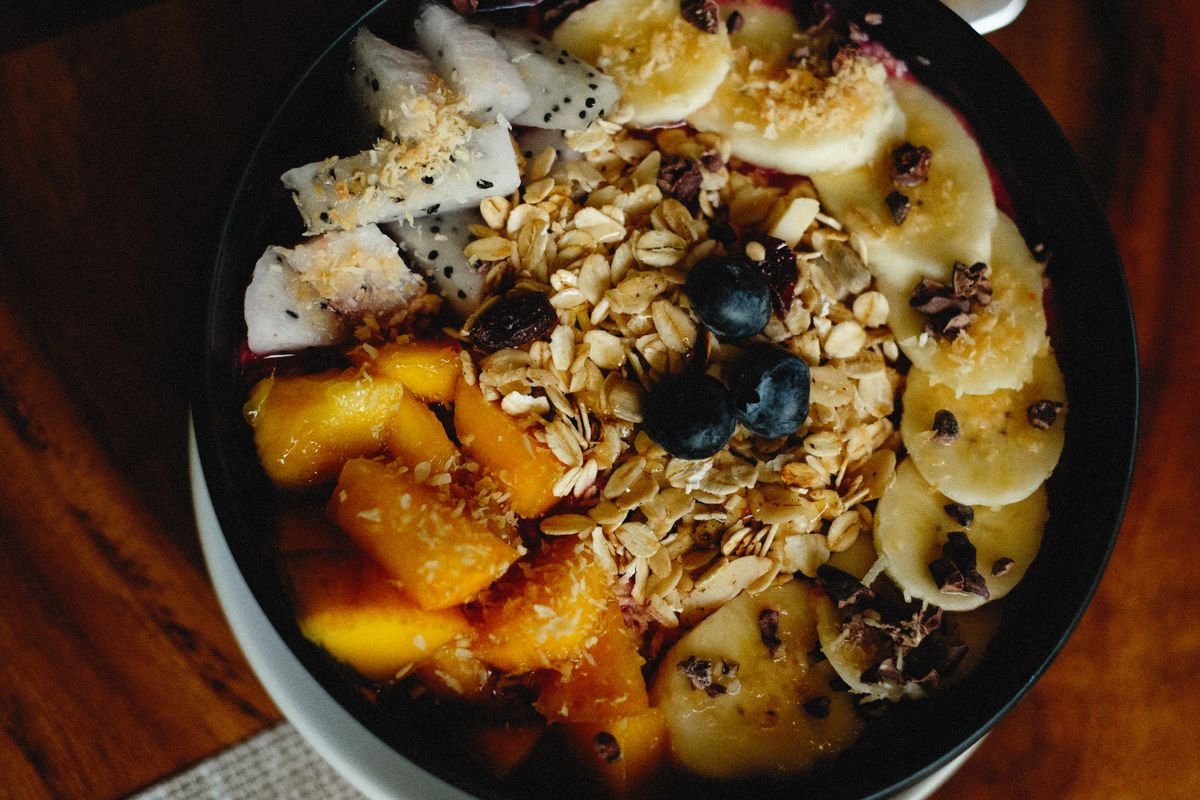
Breakfast is oatmeal with walnuts and blueberries, plus coffee — yes, coffee is fine for most people. Lunch might be lentil soup with a whole-grain roll, the kind of lunch that costs about three dollars to make at home.
The afternoon is where diets usually die, so plan for it: an apple with peanut butter, or a small handful of unsalted nuts, beats the cookie jar raid at 4 p.m.
Dinner is baked salmon, green beans, and a baked potato with a spoon of Greek yogurt instead of a mountain of butter. It tastes like dinner, not like a prescription.
Nothing on that day is exotic. That is the point — heart-healthy eating that survives is built from a regular grocery store, not a specialty shop.
For the everyday habits behind this way of eating, our healthy eating tips for seniors cover labels, salt, and sugar in daily life.
Food is only half of heart care, and the walking benefits for seniors guide shows how a daily walk supports the same goal.
For the full picture of eating well after 60, the senior nutrition guide for healthy aging pulls protein, fluids, and food groups together.
Final Thoughts
A heart healthy diet for seniors can be simple, practical, and enjoyable.
A DASH-style plate looks like this: half the plate filled with vegetables, whole grains instead of refined ones, low-fat dairy, a small handful of nuts, fish twice a week, and sodium kept under 2,300 mg a day.
Small changes matter.
Choosing oatmeal instead of sugary cereal, adding vegetables to lunch, drinking more water, or using less salt can all support a healthier routine.
Small swaps you repeat most days matter more than one perfect week followed by giving up. The goal is consistent eating habits that support energy, independence, and healthy aging.
FAQs
1. What is a heart healthy diet for seniors?
A heart healthy diet for seniors includes fruits, vegetables, whole grains, lean proteins, healthy fats, and lower-sodium foods.
2. What foods are good for senior heart health?
Oatmeal, berries, fish, beans, lentils, nuts, leafy greens, olive oil, and whole grains are good options.
3. Should seniors avoid salt completely?
No. Most seniors do not need to avoid salt completely unless advised by a healthcare professional, but reducing excess sodium can be helpful.
4. Is oatmeal good for heart health?
Yes. Oatmeal provides fiber and can be part of a heart-friendly eating plan.
5. Are nuts good for seniors?
Yes. Nuts provide healthy fats and nutrients, but portions should be moderate.
6. Can seniors eat eggs on a heart healthy diet?
Many seniors can include eggs in moderation, depending on personal health needs and medical advice.
7. What drinks are best for heart health?
Water, herbal tea, milk, and low-sugar drinks are better daily choices than sugary beverages.
8. Can diet improve heart health in seniors?
Healthy eating can support heart wellness, especially when combined with physical activity and medical guidance.
9. How much sodium should a senior aim for each day?
The American Heart Association suggests no more than 2,300 milligrams a day, with an ideal target closer to 1,500 for most adults with high blood pressure. Most of it comes from restaurant meals, bread, deli meats, and packaged foods rather than the salt shaker, which is why label reading matters more than cooking without salt.
10. Is frozen or canned fish okay for heart health?
Yes. Frozen salmon or sardines and canned tuna in water carry much the same omega-3 benefit as fresh fish, at a lower price. Rinse canned fish to cut some sodium, and lean toward water-packed rather than oil-packed versions.
11. Can I still eat out on a heart-healthy diet?
You can, with a few habits: ask for dressings and sauces on the side, choose grilled over fried, swap fries for a vegetable or salad, and take half the entrée home. One restaurant meal does not undo a week of home cooking — the pattern is what counts.
12. Should I stop eating red meat completely?
Most people do not need a total ban. Smaller portions a few times a month, with beans, lentils, fish, and chicken filling the rest of the week, is the approach cardiologists usually describe. If your doctor has set a specific limit, that advice comes first.
Author Bio
About the Author
PureFitDay Editorial Team creates practical health, wellness, and nutrition content for readers who want simple guidance for healthier living. Here we cover healthy aging, senior nutrition, heart health, fitness, mobility, strength, balance, and the everyday habits that keep life moving.
References
- National Institute on Aging (NIA) — Heart Health and Aging
https://www.nia.nih.gov/health/heart-health/heart-health-and-aging - MedlinePlus — Heart Disease and Diet
https://medlineplus.gov/ency/article/002436.htm
Disclaimer
Medical Disclaimer
This article shares general nutrition information for older adults. It does not replace advice from your own doctor or cardiologist, particularly if you take blood-pressure or cholesterol medication. Seniors should consult a qualified healthcare professional before making major dietary changes, especially if they have heart disease, high blood pressure, diabetes, kidney disease, medication concerns, or dietary restrictions. How strict you need to be depends on your own readings and medication, so check any big change against your last check-up.





2 Comments