Intermittent Fasting for Fat Loss | Ultimate Guide
I know how bad it feels to struggle with belly weight month after month. To be honest, dropping weight does not mean you have to starve your body all day long. For instance, it does not mean you must eat boring meals or drink tasteless soup either. Instead, you can look at intermittent fasting for fat loss plans to lean down safely. This simple switch offers a smart way to fix your body shape without driving your mind crazy.
To make things better, this style of eating does not care about sudden plate changes or cutting out your favorite home dishes. It simply alters your eating clock during the day. You just shrink your food hours into a specific time window. That is why this small shift stops you from eating too much or grabbing snacks out of simple boredom. In fact, it gives your stomach a long break while forcing your body to use old fat stores much faster.

How fasting actually burns fat
The trick behind changing your food timing is actually quite simple to understand when you look at it. When you stop eating for several hours, your body runs out of quick sugar fuel in your blood. Therefore, your internal insulin levels drop down low after a few hours of total rest. No new food is coming inside your system to give your organs quick energy.
As a result, your body must use stored fat for daily survival stamina. That is exactly how you shed weight day by day without counting every single food grain. However, staying regular with your daily fasting window is the real secret to opening up this natural burning path.
Fasting setups that work in real life
You do not need a rigid or stressful plan to see a change in the mirror. Instead, just pick a timing setup that matches your daily job shift and family life.
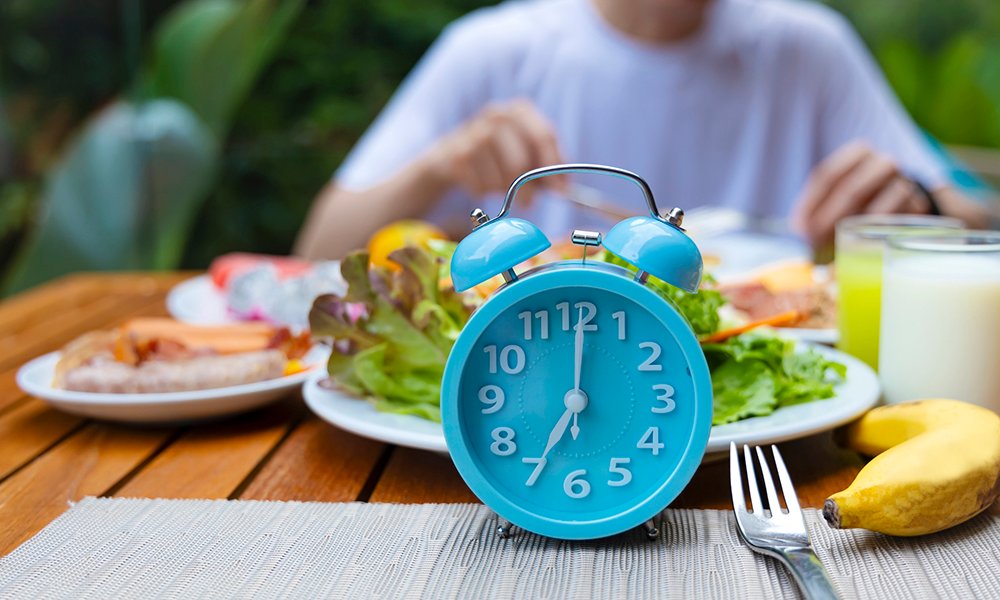
I always tell people to look at the 16/8 window first if they want an easy start. You keep your mouth closed for sixteen hours straight, and then you eat your meals inside an eight-hour window. For example, you can skip an early morning breakfast, start eating your first big plate at 12 PM, and wrap up your last bite by 8 PM.
Of course, your body gets used to this basic plan over a few weeks. Then, you can step things up for faster progress. You can fast for eighteen hours here, keeping your food time to just six hours. This shift gives your system even more time to hunt for deep fat fuel.
On top of this, some experienced guys take a full day break from food once a week. This deep pause resets your gut tracks completely. It helps a lot if your weight loss feels stuck, but it takes serious mental grit to master.
Perks of changing your eating clock
This lifestyle choice does a lot of good for your internal health scores. It does not just shift the scale numbers down on Sunday mornings. For example, it cuts off late-night mindless snacking while you sit and watch television screens.
In addition to this, your body burns old fat stores for daily fuel, which clears up morning brain fog. Your energy levels stay all day because your blood sugar stops spiking up and down. At the same time, it is very easy to follow because you wash fewer kitchen dishes every week.
The cell deep clean secret
Many beginners do not know that fasting triggers a powerful self-cleaning process inside our cells. When your digestive tract stops breaking down food, your body redirects its energy toward deep repair work. This process acts like a built-in waste disposal system for your tissues.
Because of this shift, your system starts searching for old, damaged parts and worn-out cell blocks to burn for fuel. It sweeps out the internal sludge that makes you feel sluggish and tired. This cell cleanup boosts your skin health and keeps your organs running smoothly. Therefore, giving your mouth a long pause helps you stay fresh from the inside out.
What to drink while you fast
Starters often make a massive blunder here because they think they cannot touch any fluid during the fast. That is totally wrong. Staying hydrated is super important for your kidney parts. You can drink plenty of plain water during your fast.
For instance, black coffee without milk or sugar is totally fine. Plain green tea works great as well since these hot drinks keep your stomach full. They stop sudden hunger spikes without breaking your fast. Just do not add honey, cream, or milk drops. Even a tiny bit of calorie intake breaks your fasting state instantly, so keep your cups raw.
The opposite diet track
Understanding how your body manages food timing helps you see the full picture of health. While shortening your eating hours forces your body to drop extra fat mass, some individuals struggle with the exact opposite issue. Their body tracks run thin fast, making them look thin and weak against their wishes.
Instead of shrinking their meals, they need a high-volume food plan to build thick weight. To see how adding rich food blocks shapes a thin frame, look at our full weight gain diet plan to build healthy mass safely. Learning how the body handles a large bulk diet makes you smarter at tracking your fat loss windows. Whether you want to shrink your cells or grow them, food timing is always the main factor.
Making smart food choices
Fasting helps your metabolism a lot, but you still cannot eat junk food all night during your open window. Food quality matters for muscle strength. Fill your plate with clean choices when your eating time opens up.
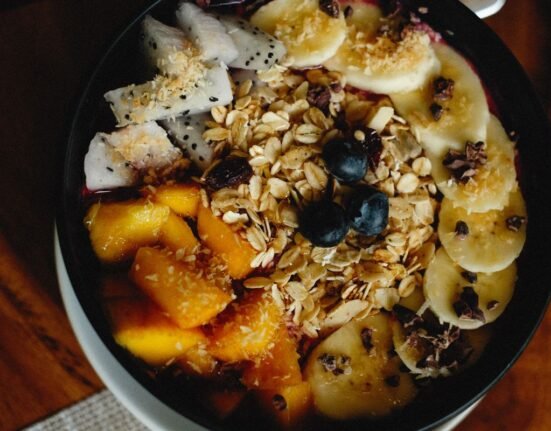
Make sure you get enough whole eggs, chicken breast, or fresh fish to keep your muscles safe from melting away. For your fats, use small amounts of almonds, walnuts, or pure olive oil to support your body paths. When picking carbs, stick to simple oats, brown rice, or sweet potatoes for long-lasting daily stamina.
The hunger wave trick
When you first shift your eating clock, your stomach will rumble loudly around your old breakfast time. This rumble happens because of a hunger hormone inside you. Your brain releases this fluid based on your daily habits, not because you are starving.
However, this hunger signal does not rise forever. It comes in a short wave that lasts for about twenty minutes and then drops away on its own. Instead of running to the kitchen out of panic, drink a large mug of warm water. Wait out the wave calmly. Soon, your body will stop releasing the fluid at that hour, and your morning fasts will feel completely effortless.
How to manage your gym workouts
Can you lift iron weights or do intense cardio while fasting? Yes, absolutely. Doing light strength training or quick home workouts speeds up your daily fat loss progress.
Maybe you like exercising in the morning before your first meal. Just keep your workout intensity moderate so you do not fry your nerves. Your body will burn through stubborn fat reserves even faster because there is no quick sugar in your blood. Just drink plenty of water during your sets so you do not feel dizzy on the floor.
Common blunders to avoid completely
The biggest trap is treating your open eating window like a massive party. You cannot starve for sixteen hours and then eat double the normal amount of food at night. Ordering greasy pizza will not help you lose an ounce of fat.
Another mistake is ignoring your water intake. Your body drops water weight quickly during a fast, so you will end with a bad headache if you forget your bottles. Your energy levels will drop fast too, so keep drinking sips.

One Regular Workday on a 16:8 Schedule
Fasting guides love the science and skip the Tuesday. So here is a Tuesday. A warehouse supervisor in Chicago finishes dinner at 7:30 p.m. — chicken, rice, vegetables, nothing special — and that is his last bite.
His morning is the part people fear, and it turns out to be mostly habit. Black coffee at six, water bottle on the forklift route, and a busy shift that makes the clock move faster than his stomach does. The hungry moment arrives around ten, lasts fifteen minutes, and leaves on its own.
He breaks the fast at noon in the break room: a big chicken wrap, Greek yogurt, an apple. Not a feast — the mistake he made in week one, when lunch was a double burger and fries and the afternoon felt worse than the fast.
Dinner at home by seven, kitchen closed after. Three months in, the schedule is so ordinary he forgets it counts as a diet. The scale moves slowly, about a pound a week, which is exactly the pace his doctor told him to trust.
What you eat inside the window matters as much as the window itself, so see our nutrition and diet tips for better energy for the food half of the plan.
A shorter eating window is easier to keep when food is ready, and these healthy meal prep ideas remove the daily guesswork.
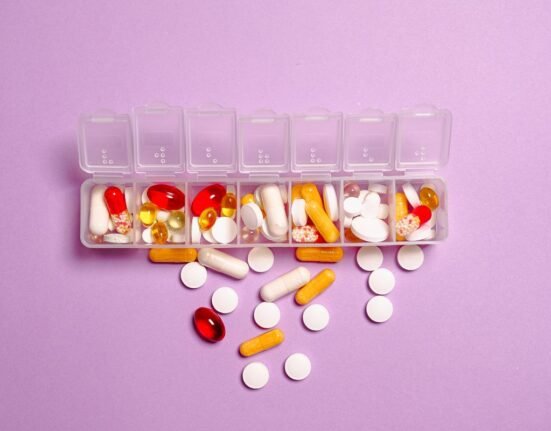
If fasting leaves you wondering about nutrient gaps, our guide to the best daily vitamin supplements covers what is actually worth taking.
The Main Point
At the end of the day, intermittent fasting for fat loss routines act like a powerful tool. It helps you take back total control of your body shape. It is not a magic trick or a short shortcut. It requires real consistency, daily patience, and clean eating.
Start small with a simple sixteen-hour window. Listen to your body tracks closely. Eat clean, single-ingredient whole foods when the clock starts, and your morning mirror will make you proud of your effort.
Frequently Asked Questions
Can I drink coffee during the fasting window?
Yes — black coffee (and plain tea or water) has effectively no calories and does not break a fast for most practical purposes. The catch is what goes into it: sugar, cream, and flavored syrups turn the drink into a small meal and end the fast early.
Will intermittent fasting slow down my metabolism?
Not at the 16:8 level used by most people. Short daily fasts have not been shown to damage metabolic rate the way long periods of severe under-eating can. What protects your metabolism is eating adequately in the window and keeping some resistance training in the week.
What actually breaks a fast?
Any meaningful calories: food, juice, milk in coffee, sugar-sweetened drinks, and most “just a bite” snacks. Plain water, black coffee, and unsweetened tea are the safe list during the window. If your goal is appetite control rather than a laboratory definition, a stray calorie matters less than the habit of snacking returning.
Who should not try intermittent fasting?
Pregnant or breastfeeding women, anyone under 18, people with a history of eating disorders, and people whose diabetes medication is timed around meals should not fast without medical supervision. If fasting makes you dizzy, obsessive about food, or unable to sleep, that is your answer — stop and eat normally.
References
- MedlinePlus — Weight Control
- National Institute of Diabetes and Digestive and Kidney Diseases (NIDDK) — Choosing a Safe and Successful Weight-loss Program
About the Author
PureFitDay Editorial Team creates practical health, wellness, and nutrition content for readers who want simple guidance for healthier living.
Disclaimer
This article explains fasting methods for general education. Fasting is not right for everyone — if you are pregnant, under 18, underweight, or managing diabetes or another condition, talk to your doctor before skipping meals.