

Simple Hand Washing Habits That Make a Real Difference
Hand washing habits may look basic, but they play a big role in daily hygiene. Most people know they should wash their hands, yet many of us rush through it, forget it during busy moments, or only wash when our hands look visibly dirty.
The truth is that clean-looking hands are not always clean. Throughout the day, your hands touch phones, doors, tables, keyboards, shopping bags, money, pets, gym equipment, and many public surfaces. Even when there is no visible dirt, your hands can still carry unwanted germs, oil, and dust.
You do not need expensive products or a complicated routine to keep your hands clean. Soap, clean water, and a few extra seconds are often enough to make a real difference.
Clean Hands Start with Awareness
Hand hygiene becomes easier when you notice how often you use your hands. From the moment you wake up, your hands are involved in almost everything. You turn off your alarm, touch your phone, prepare food, open doors, use a laptop, carry bags, and touch surfaces without thinking about it.
This does not mean you should worry about every object you touch. It simply means that regular hand washing is a smart daily habit. Your hands are one of the easiest ways for germs and dirt to move from one place to another.
Once you become aware of this, washing your hands starts to feel less like a chore and more like a normal part of self-care.
The Moments When Hand Washing Matters Most
A common mistake is waiting until your hands look dirty. Many important hand washing moments happen before visible dirt appears.
Try to wash your hands:
- Before eating or preparing food
- After using the bathroom
- After coming home from outside
- After coughing, sneezing, or blowing your nose
- After touching pets or cleaning pet areas
- After handling garbage
- After using public transport
- After working out or touching gym equipment
- After gardening, cleaning, or handling dusty items
These moments happen often in normal life. Building hand washing around them can improve hygiene without changing your whole routine.
A Better Wash Takes Only a Little Longer
Many people wash their hands too quickly. They wet their hands, rub for a second, rinse, and leave. That quick rinse may feel like enough, but it often misses important areas.
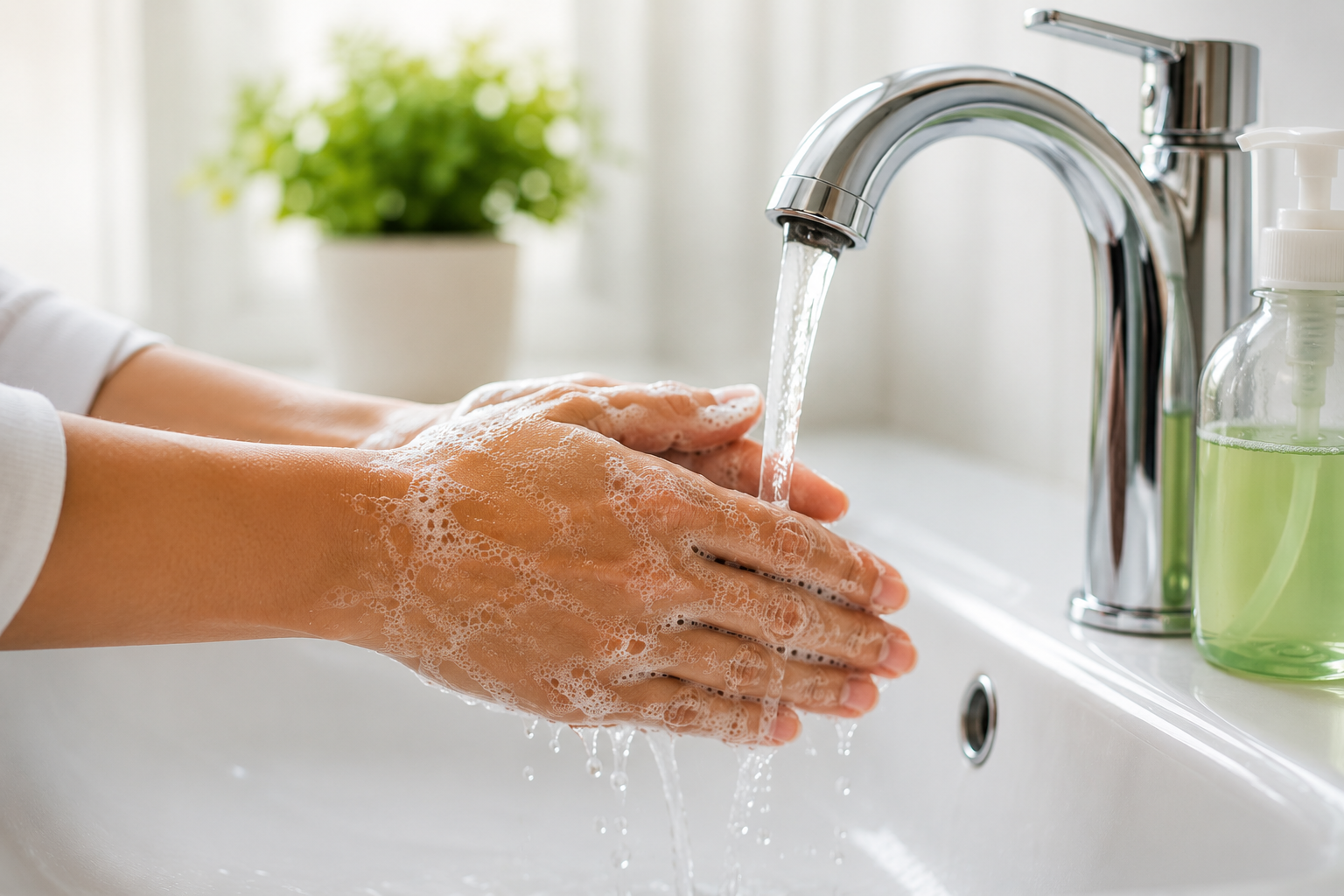
A better method is simple. Wet your hands with clean water, apply soap, and rub all areas properly. Clean your palms, the backs of your hands, between your fingers, around your thumbs, under your nails, and near your wrists.
Spending about twenty seconds on washing is a useful habit. It is not a long time, but it gives the soap enough time to spread and clean more effectively.
Do Not Forget Nails and Thumbs
The areas most people forget are thumbs, fingertips, and the space around nails. These areas touch many surfaces and can hold dirt easily.
If your nails are long, they may collect more buildup during the day. You do not need perfect nails, but keeping them clean and trimmed can support better hygiene.
When washing, take a few extra seconds to rub your fingertips against your palm and clean around your nails. This small step improves the whole routine.
Why Soap Makes the Difference
Water alone can remove some dirt, but soap helps much more. Soap loosens oil, dirt, and unwanted particles from the skin so they can be rinsed away properly.
You do not need a luxury soap for everyday use. A simple gentle soap is enough for most people. If your skin gets dry easily, choose a mild soap and avoid harsh formulas that leave your hands uncomfortable.
The goal is clean hands that still feel healthy, not dry or irritated.
Hand Sanitizer Has Its Place
Hand sanitizer is useful when soap and water are not available. It can help during travel, shopping, outdoor activities, office work, or public transport.
However, sanitizer should not completely replace hand washing. If your hands are visibly dirty, greasy, sweaty, or dusty, washing with soap and water is usually the better option.
Think of sanitizer as a helpful backup, not the main routine.
Drying Hands Properly Matters Too
Drying your hands is part of the process. Damp hands can feel uncomfortable and may pick up dirt more easily.
Use a clean towel, paper towel, or air dryer when available. At home, wash hand towels regularly and avoid using one towel for too long, especially if it stays damp.
A clean towel supports the effort you just made while washing your hands.
Hand Washing and Overall Body Care
Hand washing is one part of a complete hygiene routine. It works best with other simple habits like showering regularly, wearing clean clothes, keeping nails tidy, brushing teeth, and using clean towels.
If you want to improve your daily hygiene routine further, you can also explore these Natural Body Care Tips. Simple body care habits can help you feel cleaner, fresher, and more comfortable throughout the day.
Teaching Children Without Making It Complicated
Children touch everything: toys, floors, school desks, playground equipment, pets, and shared objects. Teaching hand washing early can help build a strong hygiene habit.
The best way is to keep it simple. Wash hands before meals, after using the bathroom, after playing outside, and after touching pets. Children often copy what they see, so adults following the same habit makes a big difference.
Hand washing does not need to feel like punishment. It should feel like a normal part of daily life.
Common Mistakes That Make Washing Less Effective
Even people who wash their hands often can make small mistakes. The most common mistakes include washing too quickly, skipping soap, ignoring thumbs, missing the space between fingers, forgetting nails, or drying hands with an unclean towel.
Another mistake is washing only when hands look dirty. Many germs and particles are invisible, so appearance alone is not enough to judge cleanliness.
These mistakes are easy to fix once you notice them.
If Frequent Washing Makes Hands Dry
Frequent washing can sometimes leave hands dry, especially in cold weather or when using harsh soap. If this happens, switch to a gentler soap and apply moisturizer after washing.
Healthy skin is also part of hygiene. Cracked or irritated skin can feel uncomfortable and may make you avoid washing. Keeping hands moisturized helps you continue the habit comfortably.
The Main Takeaway
Hand washing is simple, but it is one of the most useful hygiene habits you can build. Your hands touch countless surfaces every day, so keeping them clean supports your overall routine.
You do not need expensive products. Wash before eating, after using the bathroom, after coming home, and after activities that expose your hands to dirt or germs. Use soap, take a little time, clean around your nails, and dry your hands properly.
Small hygiene habits may not feel exciting, but they often make the biggest difference in daily life.
FAQs
1. Why is hand washing important?
Hand washing helps remove dirt, oil, and germs from the skin. Since hands touch many surfaces daily, washing them supports better personal hygiene.
2. How long should I wash my hands?
Washing for about twenty seconds is a good habit. This gives enough time to clean palms, fingers, thumbs, nails, and wrists properly.
3. Is hand sanitizer better than soap and water?
Hand sanitizer is useful when soap and water are not available, but soap and water are better when hands are visibly dirty, greasy, or sweaty.
4. Why do my hands get dry after washing?
Dryness can happen because of frequent washing, harsh soap, cold weather, or not moisturizing. A gentle soap and simple hand moisturizer can help.
5. When should children wash their hands?
Children should wash hands before eating, after using the bathroom, after playing outside, after touching pets, and after coughing or sneezing.
Author Bio
Pure Fit Day Hygiene Team writes practical personal care content focused on daily cleanliness, body care, hygiene habits, skin comfort, and simple wellness routines that are easy to follow at home.
References
- NHS — How to Wash Your Hands
- Healthdirect Australia — Hand Washing
- UNICEF — Hand Washing Guidance
- Global Handwashing Partnership — About Handwashing
- American Academy of Dermatology — Dry Hands
Disclaimer
This article is for general hygiene and wellness education only. It is not medical advice, diagnosis, or treatment. If you have severe skin dryness, cracked skin, infection, rash, eczema, allergies, or ongoing irritation from hand washing products, speak with a qualified healthcare professional or dermatologist.





Leave feedback about this