

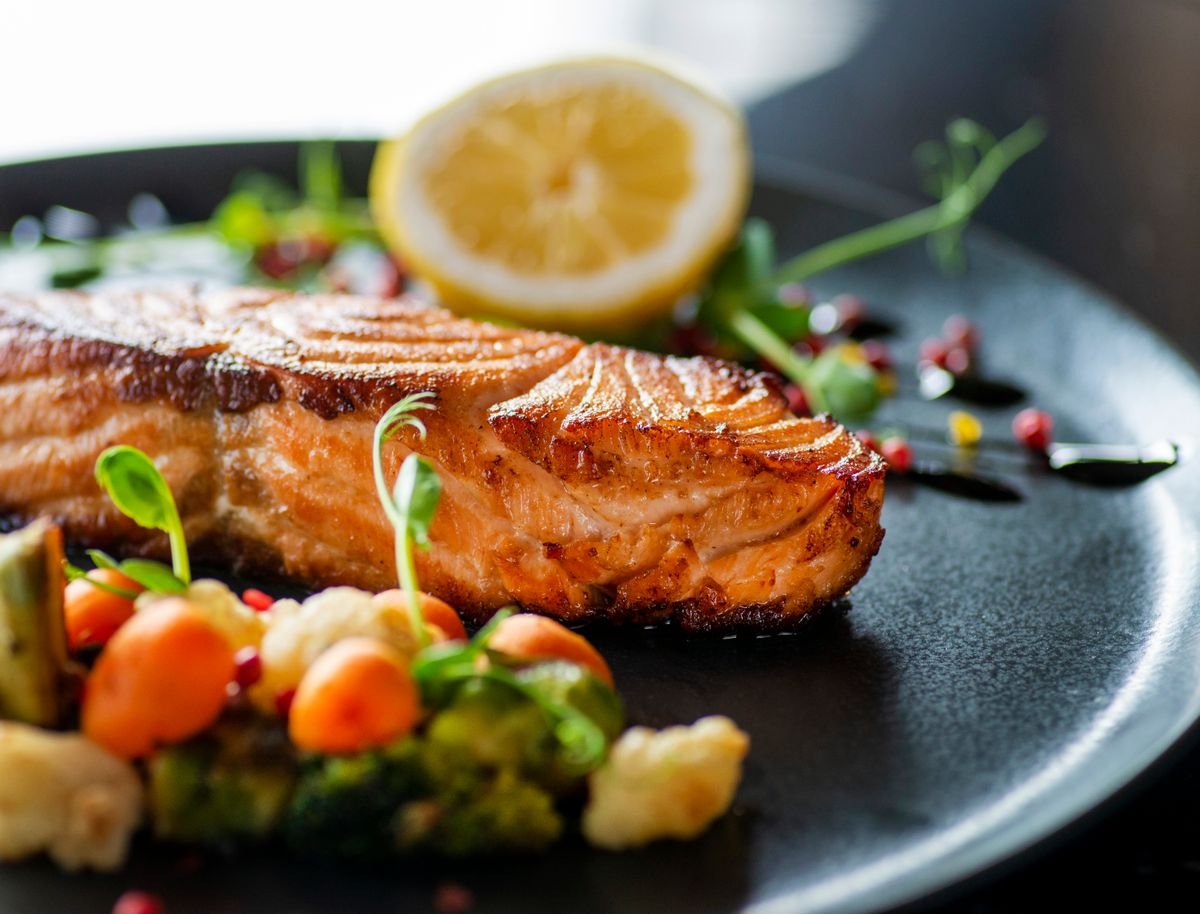
Nutrition and Diet Tips for Better Energy
The right diet tips can make a real difference in how energetic you feel during the day. Many people blame tiredness on sleep, stress, or a busy routine, but food habits often play a big role too. What you eat, when you eat, and how balanced your meals are can affect your focus, mood, digestion, and daily energy.
Better energy does not come from strict dieting or cutting out every food you enjoy. It usually comes from small, steady improvements. A balanced breakfast, enough water, smart snacks, protein-rich meals, and fewer sugary drinks can help your body feel more stable throughout the day.
This guide shares practical nutrition and diet tips for better energy that you can use at home, at work, at school, or during a busy routine.
Why Food Affects Your Energy
Your body uses food as fuel. Carbohydrates provide energy, protein supports repair and fullness, healthy fats help with longer-lasting satisfaction, and vitamins and minerals support many body functions.
When meals are unbalanced, energy may rise quickly and then drop. This often happens after sugary snacks, sweet drinks, or skipping meals for too long.
A better approach is to eat meals that provide steady fuel instead of quick energy only.
Diet Tips for Busy Days
Morning meals can shape the rest of your day. Skipping breakfast may leave some people feeling tired, distracted, or overly hungry later.
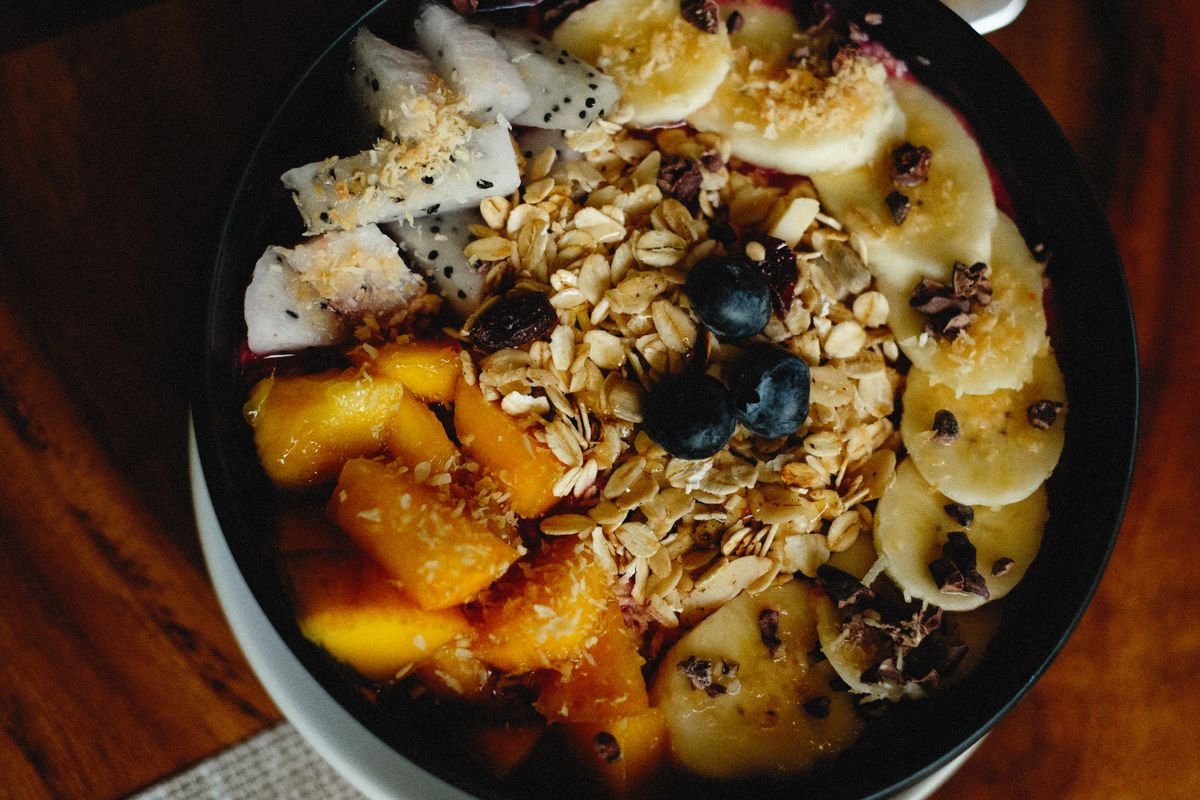
A good breakfast does not need to be heavy. It should include a mix of protein, fiber, and fluids.
Easy Breakfast Ideas
- Oatmeal with fruit and nuts
- Eggs with whole grain toast
- Greek yogurt with berries
- Smoothie with milk, fruit, and oats
- Peanut butter toast with banana if suitable
These simple meals can help you begin the day with more stable energy.
Choose Carbs That Last Longer
Carbohydrates are not bad. Your body needs them for energy. The key is choosing better sources most of the time.
Whole grains and fiber-rich foods usually provide longer-lasting energy than sugary or highly processed foods.
Better Carb Choices
- Oats
- Brown rice
- Whole wheat bread
- Whole grain pasta
- Sweet potatoes
- Beans and lentils
These foods digest more slowly and can help you avoid sudden energy crashes.
Add Protein to Every Main Meal
Protein helps you feel full and supports muscle repair, strength, and recovery. It also helps balance meals so you do not feel hungry too quickly.
Good protein options include:
- Eggs
- Chicken
- Fish
- Beans
- Lentils
- Yogurt
- Cheese
- Tofu
- Nuts or nut butter if suitable
One of the most useful diet tips for better energy is to avoid meals that are only made of refined carbs. Adding protein can make the same meal more satisfying.
Hydration Is Part of Nutrition
Low water intake can make you feel tired, lightheaded, or less focused. Many people drink tea, coffee, or sugary drinks but still do not drink enough plain water.
Simple hydration habits include:
- Drink water after waking up
- Keep a bottle nearby
- Drink water with meals
- Drink extra water after exercise
- Limit sugary drinks
You do not need to force excessive water. Just make hydration part of your normal routine.
Smart Snacks Can Prevent Energy Dips
Snacks are helpful when they support your energy instead of replacing real meals.
Better snack options include:
- Fruit with yogurt
- Whole grain crackers with cheese
- Boiled eggs
- Nuts and seeds if suitable
- Apple slices with peanut butter
- Hummus with vegetables
A snack with protein or fiber usually keeps you satisfied longer than candy, chips, or sweet drinks.
Reduce Foods That Cause Quick Crashes
You do not need to ban your favorite foods, but some choices may affect energy when eaten too often.
Try to limit daily intake of:
- Sugary drinks
- Candy
- Packaged desserts
- Highly processed snacks
- Large fast-food meals
- Energy drinks
These foods can fit occasionally, but they should not become your main source of daily fuel.
Build an Energy Plate
A simple energy plate can make meal planning easier.
Try this combination:
- Protein: eggs, fish, chicken, beans, lentils, yogurt, or tofu
- Carbs: whole grains, potatoes, oats, rice, or pasta
- Color: fruits or vegetables
- Healthy fats: avocado, olive oil, nuts, or seeds
- Drink: water
This plate gives your body a better mix of nutrients than eating only one type of food.
Quick Ideas for Busy Days
Busy routines often lead to skipped meals or random snacking. Planning a little can help.
Quick Ideas
- Keep fruit ready to grab
- Prepare overnight oats
- Pack yogurt or nuts for snacks
- Cook extra rice or lentils for the next day
- Keep boiled eggs in the fridge
- Carry a water bottle
If you want more guidance on nutrient-rich foods, you can also read our guide on Best Vitamins for a Healthy Diet.
Do Not Ignore Meal Timing
Meal timing can affect energy too. Going too long without food may lead to tiredness, headaches, cravings, or overeating later.
A simple routine may include:
- Breakfast within a reasonable time after waking
- Balanced lunch
- Healthy snack if needed
- Satisfying dinner
You do not need a perfect schedule. You only need a routine that prevents long gaps and keeps your energy more stable.
Listen to Your Body
Food affects people differently. Some people feel better with a larger breakfast. Others prefer a lighter start. Some need snacks during the day, while others feel fine with three meals.
Notice your own patterns:
- When do you feel tired?
- Do sugary drinks make you crash?
- Do you skip meals often?
- When did you last drink a full glass of water?
- Do your meals include protein?
Small observations can help you build better eating habits.
A Workday, Eaten Two Different Ways
Take two coworkers in the same office in Columbus. Same age, same workload, same 3 p.m. slump waiting for both of them.
The first one skips breakfast, grabs a large coffee at ten, and calls that a meal. Lunch is whatever the vending machine and a drive-thru can produce in twelve minutes. By three she is staring at her screen, so she has a second coffee and a candy bar. The energy comes back for twenty minutes, then drops harder.
The second one eats eggs and whole-grain toast before leaving home. Coffee happens once, with breakfast. Lunch is leftovers from last night — grilled chicken, rice, and green beans — eaten away from her desk, plus a bottle of water she keeps refilling.
Neither woman is on a diet. The difference is timing and protein, not willpower.
If your afternoons look like the first version, do not rebuild your whole kitchen. Move one thing: eat a real breakfast with protein for one week and watch what 3 p.m. feels like.
Food is only half of the picture, so these simple daily energy tips cover the sleep, light, and movement habits that sit alongside your meals.
If you are eating for energy after 60, our healthy eating tips for seniors show how to build the same habits into smaller, easier meals.
For a ready-made shopping list, see the best foods for seniors to support energy and keep two or three of them in the kitchen at all times.
The Energy Takeaway
The best nutrition and diet tips for better energy are simple: eat balanced meals, drink enough water, include protein, choose whole grains, add fruits and vegetables, and avoid relying too much on sugary snacks or drinks.
Energy does not come from one perfect food. It comes from consistent habits that support your body throughout the day.
Start with one change, such as eating breakfast, drinking more water, or adding protein to lunch. Over time, these small steps can help you feel more focused, steady, and ready for daily life.
FAQs
1. What are the best diet tips for better energy?
The best diet tips include eating balanced meals, drinking water, adding protein, choosing whole grains, and limiting sugary drinks.
2. What foods give long-lasting energy?
Oats, whole grains, eggs, yogurt, beans, lentils, fruits, vegetables, nuts, and seeds can support longer-lasting energy.
3. Can skipping breakfast make you tired?
For many people, skipping breakfast may lead to low energy, poor focus, or overeating later in the day.
4. Are sugary snacks bad for energy?
Sugary snacks may give quick energy, but they can also lead to energy crashes when eaten too often.
5. How does water help energy?
Water supports digestion, circulation, focus, and body function. Low hydration can make some people feel tired.
6. What time should I stop drinking coffee so it does not ruin my sleep?
For most people, early afternoon is a sensible cutoff. Caffeine can stay in your system for six hours or more, so a 4 p.m. coffee is still partly with you at 10 p.m. If your sleep is light, try moving the last cup to before noon for a week.
7. Are energy drinks a good fix for an afternoon slump?
They give a fast lift, but it is mostly caffeine and sugar, and the drop afterwards is usually steeper than the one you were trying to escape. A short walk, a glass of water, and a protein snack hold up better over a whole afternoon.
8. I do not have time to meal prep. Can these tips still work?
Yes. Rotisserie chicken, pre-washed salad bags, microwave brown rice, Greek yogurt cups, and bananas cover most of the pattern with almost no cooking. The goal is a protein, a slow carb, and water at each meal — not a Sunday spent filling containers.
9. Why do I feel sleepy right after a big lunch?
A large, heavy meal — especially one built on white bread, fries, and soda — sends blood sugar up fast and then down fast, and the down is the sleepy part. A smaller lunch with protein and fiber, plus ten minutes of walking, flattens that curve for most people.
Author Bio
About the Author
PureFitDay Editorial Team creates practical health, wellness, and nutrition content for readers who want simple guidance for healthier living.
References
- Academy of Nutrition and Dietetics – Healthy Eating Basics
- Harvard T.H. Chan School of Public Health – The Nutrition Source
- NHS Eat Well – Food and Diet Guidance
- MedlinePlus — Nutrition
- NHS — How to eat a balanced diet
Disclaimer
Nutrition Disclaimer
This article is for general educational purposes only and should not be considered medical or nutritional advice. Energy levels can be affected by sleep, stress, medical conditions, medications, hydration, and diet. Speak with a qualified healthcare professional or registered dietitian if you have ongoing fatigue, dietary concerns, or health conditions.



5 Comments