

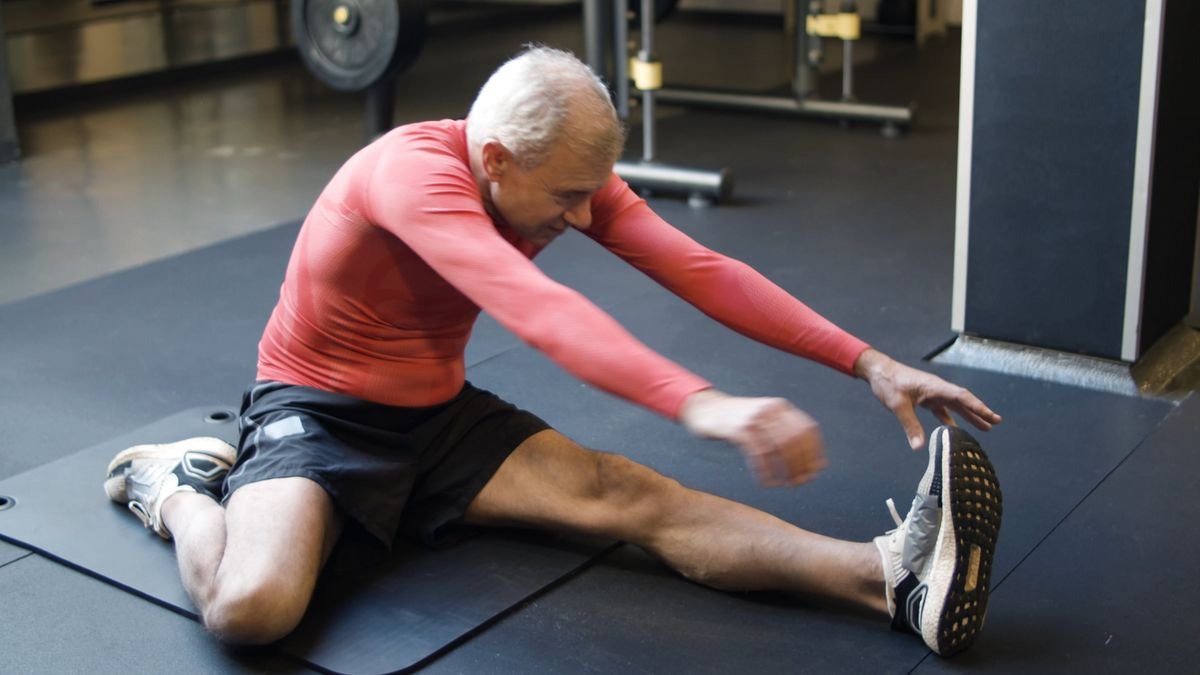
Stretching Exercises for Seniors to Improve Flexibility
Stretching becomes more important as we get older. Many seniors notice that their body feels stiffer in the morning, after sitting for a long time, or after doing daily household tasks. Simple movements like bending, reaching, turning, or standing up may not feel as easy as they once did.
This is normal, but it does not mean stiffness should be ignored.
Gentle stretching exercises for seniors can help improve flexibility, support mobility, and make everyday movement feel more comfortable. You do not need to do difficult yoga poses or long workout sessions. A few slow stretches, done regularly, can make a real difference over time.
The goal of stretching is not to force the body. The goal is to move gently, breathe calmly, and help the muscles and joints feel less tight.
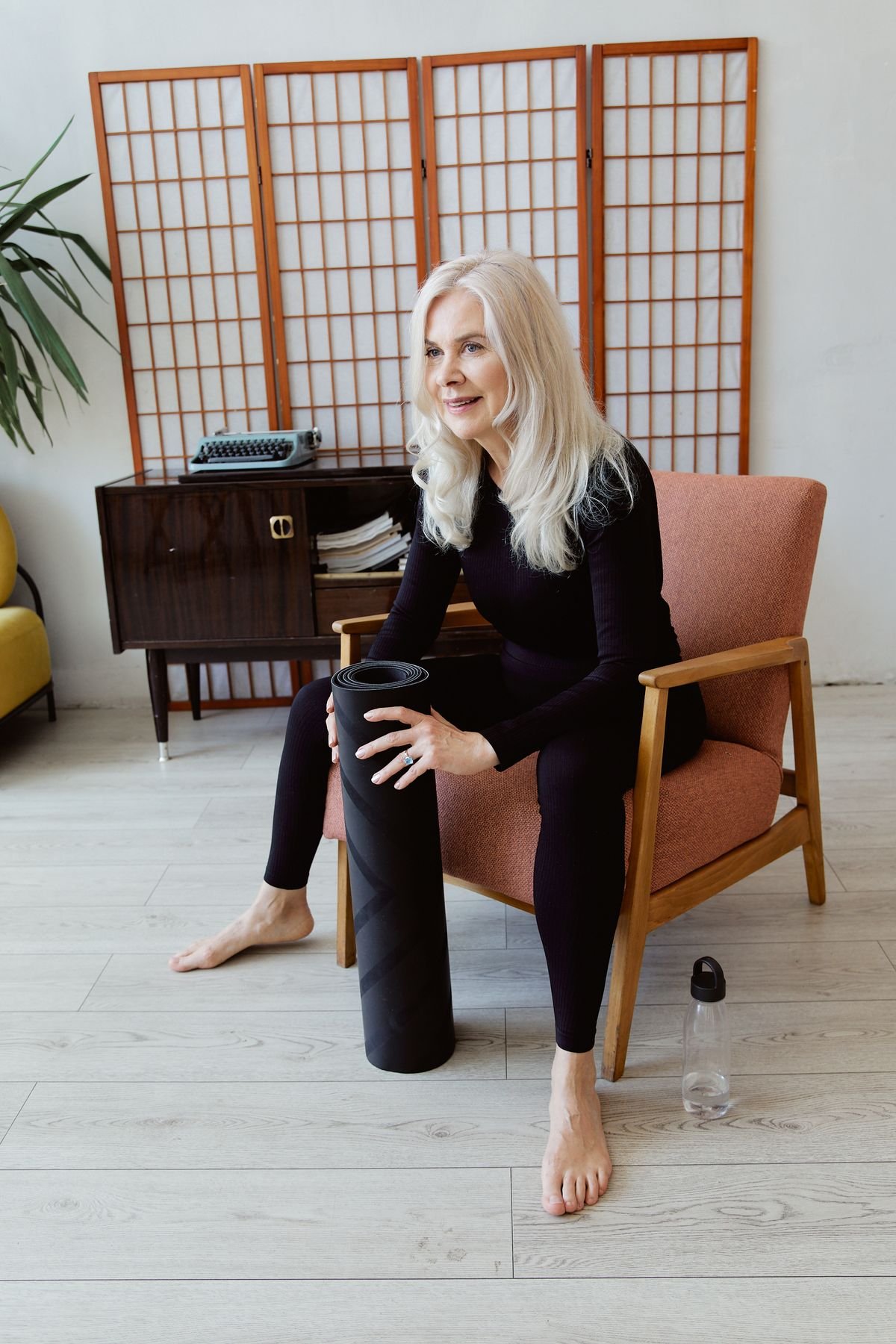
Why Stretching Matters for Seniors
Flexibility affects many everyday activities.
Reaching for something on a shelf, putting on socks, turning to look behind you, getting out of bed, or walking comfortably all require some level of flexibility.
When muscles become tight, movement may feel restricted. This can sometimes lead to poor posture, discomfort, and less confidence during daily tasks.
Regular stretching may help support:
- Better flexibility
- Reduced stiffness
- Improved posture
- Easier movement
- Better mobility
- More comfort during daily activities
- Greater body awareness
Stretching does not need to be intense. In fact, gentle and consistent stretching is usually better for seniors than forcing deep movements.
Stretch Safely and Slowly
Stop right away if you notice sharp pain, dizziness, chest discomfort, shortness of breath that feels out of the ordinary, sudden weakness, or a joint that clicks or catches during a move.
Pick a quiet spot with room to move, and keep a firm chair, a wall, or a countertop close by for support.
Move at a slow pace, breathe in a steady way, and skip any bounce or jerk in a stretch.
A stretch should feel like a mild pull, not pain, and that mild pull is enough.
Before starting a new stretching routine, talk with a healthcare professional if you have had a recent injury or surgery, or if you live with a joint problem or another serious medical condition.
Neck Stretch
Neck stiffness is common, especially after sleeping, reading, watching television, or using a phone.
Sit or stand upright. Slowly tilt your head toward one shoulder. Hold for a few seconds, then return to the center. Repeat on the other side.
Keep the movement gentle.
Do not pull your head with your hands.
This stretch may help reduce tightness in the neck and upper shoulders.
Shoulder Rolls
Shoulder rolls are simple and useful for upper-body mobility.
Sit or stand with your back straight. Slowly roll your shoulders forward in small circles. Roll them slowly backward the same number of times.
This movement helps loosen the shoulder area and may improve posture.
Shoulder rolls are also a good warm-up before other stretches.
Try 8 to 10 slow circles in each direction.
Seated Side Stretch
A seated side stretch helps loosen the sides of the body and waist.
Settle into a firm chair with your feet planted on the floor and your back tall. Lift one arm up over your head, then tip gently toward the other side and feel the stretch along your ribs.
>Hold briefly, then return to the center.
Repeat on the other side.
Do not lean too far.
The movement should feel controlled and comfortable.
Chest Opener Stretch
Many seniors develop rounded shoulders from sitting, reading, or using devices.
A chest opener stretch can help improve posture.
Sit or stand tall. Bring your shoulders gently back and open your chest. If comfortable, place your hands behind your back and gently squeeze your shoulder blades together.
Hold for a few seconds, then relax.
This stretch helps open the chest and may reduce upper-body tightness.
Seated Forward Reach
This seated reach works the lower back and the backs of the legs, and it asks for slow breathing instead of a deep pull.
Sit near the front of a firm chair with your feet flat on the floor. Reach your hands toward your ankles, breathe out as you fold forward, and hold for 15 to 30 seconds.
Lean only as far as feels comfortable — never push into the stretch.
Return slowly to an upright position.
If you feel dizzy, stop immediately.
This stretch should feel light and easy.
Hamstring Stretch
The hamstrings are muscles at the back of the thighs. Tight hamstrings can affect walking, posture, and lower-body comfort.
Sit on the edge of a chair. Extend one leg forward with the heel on the floor and toes pointing upward. Keep your back straight and lean forward slightly from the hips.
Hold for a few seconds, then switch legs.
Avoid rounding your back too much.
Move gently and breathe normally.
Calf Stretch
Calf muscles help with walking and balance.
Stand facing a wall and place both hands on the wall for support. Step one foot back and keep that heel on the floor. Bend the front knee slightly until you feel a gentle stretch in the back leg.
Hold briefly, then switch sides.
This stretch can help reduce lower-leg tightness and support walking comfort.
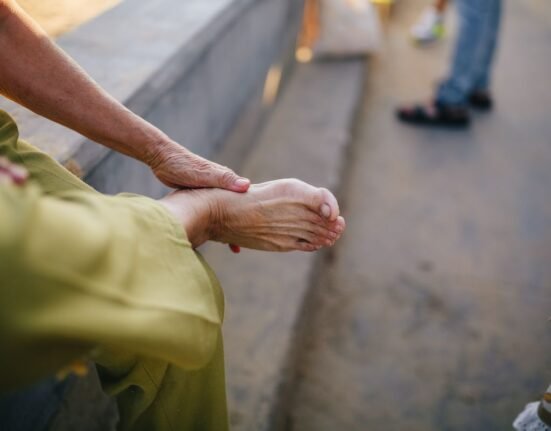
Ankle Circles
Ankles often become stiff when people sit for long periods.
Sit comfortably in a chair. Lift one foot slightly off the floor and slowly rotate the ankle in circles. Then circle slowly the other way. Switch feet and do the same on the other side.
Ankle circles help support mobility and may make walking feel easier.
They are especially useful before standing exercises or short walks.
Wrist and Finger Stretch
Hands and wrists can become stiff with age, especially for people who do household tasks, write often, or use phones and devices.
Extend one arm in front of you. Gently open and close your fingers. Then slowly bend the wrist up and down in small movements.
You can also spread the fingers wide, then relax them.
This simple movement can help maintain hand comfort and flexibility.
Stretching and Balance Work Together
Flexibility and balance are connected.
When the body moves more freely, it may feel easier to stand, walk, and shift weight safely. Tight muscles can sometimes make movement feel restricted or unsteady.
If balance is also a concern, you may find this guide helpful: Balance Exercises for Seniors to Prevent Falls.
Stretching and balance exercises can work together to support safer and more confident movement.
A 10-Minute Flexibility Flow
This short flow fits into a morning or evening slot at home, and each move stays in a chair or close to one for support.
Move through the steps in order, breathing out as you settle into each hold:
- Neck rolls: roll the head in a slow, small circle, 15 to 30 seconds each way, breathing in and out as you go.
- Shoulder stretch: bring one arm across the chest, hold it with the other hand for 15 to 30 seconds, then switch sides.
- Seated spinal twist: sit tall, turn gently to one side, hold for 15 to 30 seconds while breathing out, then turn the other way.
- Hamstring stretch with a towel: loop a towel around one foot, extend that leg, and hold for 15 to 30 seconds, breathing out as the back of the leg lengthens.
- Ankle circles: lift one foot and circle the ankle slowly for 15 to 30 seconds in each direction, then switch feet.
Ten minutes of this flow can help seniors feel less stiff and more comfortable.
The flow can be adjusted based on comfort and ability.
Common Stretching Mistakes to Avoid
Stretching should never feel aggressive.
Common mistakes include bouncing, forcing a stretch, holding the breath, moving too quickly, or stretching through pain.
Another mistake is expecting instant results.
Flexibility improves gradually.
A gentle stretch done daily is usually more helpful than a deep stretch done once in a while.
Final Thoughts
Stretching exercises for seniors can help improve flexibility, reduce stiffness, support mobility, and make daily movement feel easier.
Simple stretches such as neck stretches, shoulder rolls, side stretches, hamstring stretches, calf stretches, ankle circles, and wrist movements can be done at home without special equipment.
The most important thing is to move slowly and stay consistent.
Stretching should feel comfortable, not painful.
With regular practice, seniors may feel looser, steadier, and more confident in daily life.
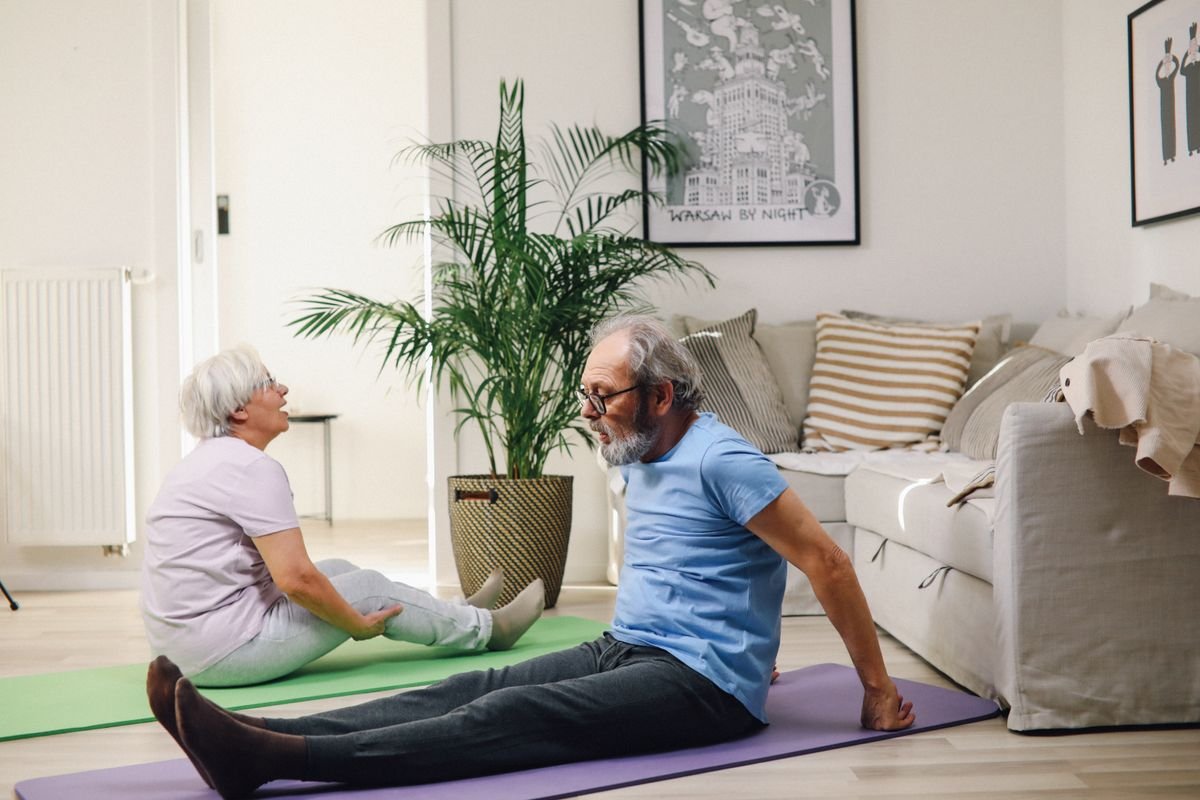
Ten Minutes of Stretching in a Real Living Room
Most stretching routines in this article happen somewhere unglamorous: a living room in Phoenix, early, while the coffee is still brewing.
A woman of 72 starts standing behind her dining chair, because the first stretch of the day is not the time to test her balance. Neck first, slow tilts toward each shoulder while the stiffness from sleep is still there. Then shoulder rolls, forward and back, which she counts out loud in fours because counting keeps her from rushing.
The seated stretches happen in the chair itself — a side bend each way, a forward reach toward her toes that stops well short of them, and she is fine with that. The reach is shorter than it was at sixty. It is also longer than it was in March, which is the comparison that matters.
Calf stretches finish the set, hands on the wall by the window. By the time the coffee is ready, getting down to the bottom cupboard for a pan no longer feels like a negotiation with her knees.
Ten minutes, no mat, no special clothes. That is what a routine that survives looks like.
If standing stretches are not an option yet, these chair exercises for seniors with limited mobility keep the same joints moving from a seated position.
If you want a longer session built around these stretches, try these easy exercises for seniors to stay active at home.
For a weekly plan that pairs stretching with strength and balance work, this senior fitness routine for energy, balance, and independence< gives the full picture.
/p>FAQs
1. What are the best stretching exercises for seniors?
Helpful stretching exercises for seniors include neck stretches, shoulder rolls, seated side stretches, hamstring stretches, calf stretches, ankle circles, and wrist stretches.
2. How often should seniors stretch?
Many seniors can benefit from gentle stretching most days of the week. Even 5–10 minutes per day can help reduce stiffness.
3. Is stretching safe for seniors?
Yes, gentle stretching is usually safe when done slowly and without pain. Seniors should use support when needed and avoid forcing movements.
4. Can stretching improve flexibility after 60?
Yes. Flexibility can improve at any age with regular gentle stretching and consistent practice.
5. Should seniors stretch before or after walking?
A gentle warm-up before walking and light stretching afterward can both be helpful. Movements should feel easy and controlled.
6. What should seniors avoid while stretching?
Seniors should avoid bouncing, forcing deep stretches, holding their breath, or stretching through pain.
7. Can stretching help with stiffness?
Yes. Regular stretching may help reduce stiffness and make daily movement feel more comfortable.
8. Do seniors need equipment for stretching?
No. Most stretching exercises can be done with a sturdy chair, wall, or open space at home.
9. How long should I hold each stretch?
Aim for about 20 to 30 seconds per stretch, breathing normally, and repeat each one two to four times. If holding feels hard at first, start with 10 seconds and build up — a shorter hold done gently does more good than a long one done while straining.
10. Should stretching hurt?
No. A stretch should feel like a gentle pull or mild tension, never sharp pain, burning, or a joint being forced. Ease off the moment it hurts. Pain is your body asking for a smaller movement, and flexibility improves from regular gentle stretching, not from pushing through discomfort.
11. Is morning or evening better for stretching?
Whichever you will actually do. Morning stretching helps with the stiffness many seniors wake up with, while evening stretching suits people whose joints loosen as the day goes on. Muscles stretch more easily when warm, so after a short walk or a warm shower is an ideal time either way.
12. Can I stretch if I have arthritis or a joint replacement?
Gentle stretching is often recommended for stiff, arthritic joints, but a joint replacement changes the rules for that joint — some movements may be restricted, sometimes permanently. Check with your surgeon, doctor, or physical therapist which stretches are cleared for you before following a general routine like this one.
Author Bio
About the Author
PureFitDay Editorial Team creates practical health, wellness, and nutrition content for readers who want simple guidance for healthier living. Here we write about senior fitness, healthy aging, flexibility, mobility, balance, body care, nutrition, and the small daily habits that keep life moving.
References
- Centers for Disease Control and Prevention (CDC) – Physical Activity for Older Adults
https://www.cdc.gov/physical-activity-basics/guidelines/older-adults.html - National Institute on Aging (NIA) – Flexibility and Exercise
https://www.nia.nih.gov/health/exercise-and-physical-activity - World Health Organization (WHO) – Physical Activity
https://www.who.int/news-room/fact-sheets/detail/physical-activity - Harvard Health Publishing – Stretching and Flexibility
https://www.health.harvard.edu/stretching - Mayo Clinic – Stretching: Focus on Flexibility
https://www.mayoclinic.org/healthy-lifestyle/fitness/in-depth/stretching/art-20047931 - Exercise and Physical Fitness (MedlinePlus)
https://medlineplus.gov/exerciseandphysicalfitness.html - Exercise for Seniors (MedlinePlus)
https://medlineplus.gov/exerciseforseniors.html
Disclaimer
Medical Disclaimer
The stretches in this article are general information for older adults, not personal medical advice. Seniors should consult a qualified healthcare professional before starting any new stretching or exercise routine, especially if they have joint pain, recent injuries, surgery, balance concerns, heart conditions, or mobility limitations. How far you can stretch depends on your joints, your history, and how your body feels today.


4 Comments