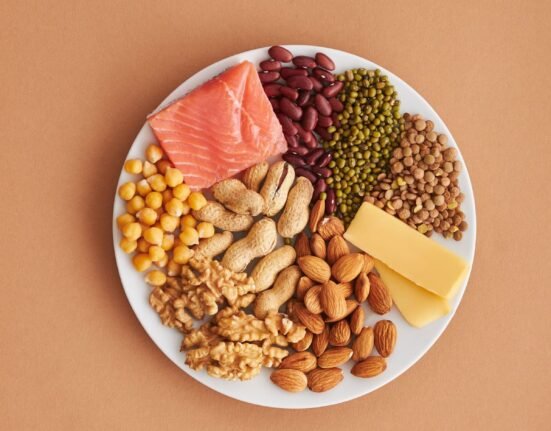
Constipation is one of the most common complaints after age 60, and one of the least talked about: about one in three adults over 60 has symptoms of it, according to the National Institute of Diabetes and Digestive and Kidney Diseases. It is uncomfortable, sometimes painful, and can leave you feeling bloated and sluggish.
The good news is that most of the time it is not serious, and it can be eased. A few steady changes to food, fluids, movement, and daily habits fix most cases. This guide explains what counts as constipation, why it shows up more with age, what helps, and the warning signs that mean it is time to call a doctor. There is no shame in it.
What Counts as Constipation
There is no single “right” number of bowel movements. For some people, normal means twice a day; for others, three times a week is normal. The National Institute on Aging puts it plainly: being regular means something different for each person. What matters is a change from your own usual pattern, plus how passing stool feels.
You may be constipated if you have:
- Fewer than three bowel movements a week
- Stools that are hard, dry, or lumpy
- Stools that are hard or painful to pass
- A feeling that you have not fully emptied your bowels
- A feeling of being blocked
Constipation is a symptom, not a disease on its own. It can last a few days, or keep coming back for weeks or months — that is chronic constipation.
The shape of the stool often says more than the count: hard, separate lumps mean stool is moving slowly through the colon, and the longer it sits, the more water the body pulls out of it.
Why It Happens More After 60
Constipation has many causes, and after 60 they often pile up at once: the gut moves more slowly, and many older adults move less, drink less fluid, and eat less fiber than they used to. Any one of those can slow things down, and together they make constipation much more likely.
Food and drink play a big part. A diet low in fiber is one of the most common causes, and meals heavy on fatty meats, dairy, eggs, sweets, or processed foods can add to it. When fluid intake drops, the fiber you do eat cannot do its job.
Medicines are another major cause. Many everyday drugs can slow the bowel, including:
- Opioid pain relievers
- Some blood pressure medicines, including calcium channel blockers and diuretics
- Iron supplements
- Antacids that contain aluminum or calcium
- Some antidepressants and antihistamines
- Some medicines for Parkinson’s disease and seizures
Never stop a prescribed medicine on your own. If you think a medicine is the cause, ask your doctor or pharmacist — they may be able to change the dose or switch you to a different one.
Health conditions can also play a part: diabetes, an underactive thyroid, Parkinson’s disease, multiple sclerosis, stroke, and spinal cord injury can all slow the bowel, as can pelvic floor muscle problems, irritable bowel syndrome, and a blockage in the colon, such as a tumor. Changes in routine matter too — travel, illness, surgery, or a long stretch of sitting around can all bring it on.
What Actually Helps — Food First
Food is where most people should start. Fiber adds bulk to stool and helps it hold water, so it passes more easily. The NIDDK says adults should get about 22 to 34 grams of fiber a day, depending on age and sex — and most Americans eat far less.
Add fiber slowly, over two to three weeks — a sudden jump can cause gas and bloating.
Good everyday sources of fiber include:
- Oatmeal and whole-grain cereals
- Whole-grain bread, wraps, and tortillas
- Beans and lentils — black beans, kidney beans, chickpeas, and lentils in soup
- Berries, apples with the skin on, and pears
- Carrots, broccoli, and green peas
- Nuts, and ground flaxseed stirred into oatmeal or yogurt

For more meal ideas built around these foods, see these best foods for seniors to support energy.
Two fruits have better trial evidence behind them than most foods. Prunes carry fiber plus sorbitol, a natural sugar alcohol that draws water into the bowel. In a small trial, about ten to twelve prunes a day, split into two servings, worked better than a psyllium fiber supplement. A small handful each day is a fair and cheap thing to try.
Kiwifruit has real evidence too. In a large international trial, two green kiwifruit a day added about one and a half complete bowel movements a week, and a U.S. trial found it caused the fewest side effects of the three options. Eat the fruit whole — juice leaves the fiber behind.
Fluids matter just as much as fiber: without enough water, fiber can bulk stool up without softening it. In one trial, people eating the same high-fiber diet who drank about 2 liters of fluid a day had more bowel movements and used fewer laxatives than those who drank about 1 liter. Keep water within reach and drink a glass with meals — water, juice, and sparkling water all count. For more, see these hydration tips for seniors.
Cut back on large amounts of fatty meat, cheese, sweets, and processed foods. None need to be banned, but a plate full of them with little fiber makes hard stools more likely.
Movement and Daily Habits
Regular movement helps the gut move. The NIDDK lists physical activity as a main home treatment, and the National Institute on Aging suggests walks as a simple place to start — a daily walk around the block, a few laps at the mall, or light stretching at home. For gentle ideas, see these easy exercises for seniors to stay active at home.

Three habits that cost nothing:
Go when you feel the urge. Putting it off is one of the most common causes of constipation: the longer stool sits in the colon, the more water the body pulls out of it.
Pick a regular time. After breakfast is the best bet: eating wakes the colon up, so the 15 to 45 minutes after breakfast are often the easiest time to go. The NIDDK suggests trying the same time each day to train your body into a routine. Give yourself enough time, and do not rush.
Raise your feet. Put a small footstool under your feet so your knees sit above your hips — in a small study of 52 healthy volunteers, this cut down straining and time on the toilet and left people feeling more fully emptied.
Straining too hard is worth avoiding: it can lead to hemorrhoids and small tears that make the next trip worse. If you push hard every time, the fiber, fluids, and habits need more time — or a word with your doctor.
Before a doctor visit, keep a short note of your bowel habits for a few days — how often you go, and what you have tried.
Laxatives: What to Know
When food, fluids, and habits are not enough, a laxative used for a short time can help — your doctor or pharmacist can help you pick the right type:
- Bulk-forming laxatives. Fiber supplements, usually psyllium. They absorb water in the gut and make stools bulkier and softer, but they take a few days to work and need plenty of fluid.
- Osmotic laxatives. These draw water into the bowel to soften stools — polyethylene glycol is the best studied, and milk of magnesia works the same way.
- Stool softeners. These let water mix into the stool so it passes more easily — docusate is the common one.
- Stimulant laxatives. These trigger the bowel muscles to contract. Senna and bisacodyl are the usual ones, and the NIDDK says to use them only if constipation is severe or other treatments have not worked.
Start with the gentlest option, follow the label, and use it for the shortest time needed. With heart or kidney problems, or other medicines, check with your doctor or pharmacist first — magnesium-based laxatives need care when kidney function is reduced.
Do not rely on stimulant laxatives every day without advice. If you cannot go without one, talk with your doctor about how to slowly stop — over time, the colon can start moving stool normally again on its own.
Skip “detox” teas, colon cleanses, and herbal laxative blends — they are not treatments for constipation. Many slimming teas contain senna in amounts the label may not state, and colon cleansing has no good evidence behind it and can cause serious side effects.
Warning Signs — See a Doctor
Most constipation is simple and fixable, but sometimes it needs a doctor. Make an appointment if:
- Your symptoms last more than three weeks
- Fiber and exercise have not helped
- Your bowel habits have changed and stayed changed
- You have a family history of colon or rectal cancer
Get care right away if you have any of these:
- Blood in your stool, or bleeding from your rectum
- Black stools
- Constant or severe pain in your belly
- Vomiting or a fever
- Weight loss without trying
- Lower back pain
- Being unable to pass gas
A swollen belly with severe pain, vomiting, and no gas passing at all can mean a blockage. That needs emergency care — call 911 or go to the emergency department.
One more check: colon cancer screening. For adults at average risk, the U.S. Preventive Services Task Force recommends screening from age 45 through 75 — a colonoscopy every 10 years or a yearly stool test. If you are overdue, a lasting change in bowel habits is a good reason to ask your doctor about it.
FAQ
How often should I have a bowel movement?
There is no single right number — the usual range runs from three times a day to three times a week, and what matters most is what is normal for you. A change from your own pattern, or stools that are hard and painful, is what counts.
Do I need a laxative every day?
Usually not. Food, fluids, movement, and a regular routine fix most cases. If those are not enough after a few weeks, talk with your doctor or pharmacist about a laxative for a short time.
Are prunes really better than a fiber supplement?
In trials, prunes did as well as psyllium, and in one small trial they did better. Kiwifruit worked well too. The best choice is the one you will actually eat every day.
Can my medicines cause constipation?
Yes. Opioid pain relievers are the best known cause, and some blood pressure medicines, iron supplements, antacids, and antidepressants can do it too. Never stop a prescribed medicine on your own — ask your doctor or pharmacist about a change.
When is constipation an emergency?
Get care right away for blood in the stool, severe belly pain, vomiting, or weight loss without trying. Call 911 or go to the emergency department for a swollen belly with severe pain and vomiting and no gas passing at all — that can mean a blockage.
References
- National Institute on Aging. Concerned About Constipation? https://www.nia.nih.gov/health/constipation/concerned-about-constipation
- National Institute of Diabetes and Digestive and Kidney Diseases. Constipation: Definition & Facts, Symptoms & Causes, and Treatment. https://www.niddk.nih.gov/health-information/digestive-diseases/constipation/all-content
- Mayo Clinic. Constipation: Symptoms and Causes. https://www.mayoclinic.org/diseases-conditions/constipation/symptoms-causes/syc-20354253?p=1
- U.S. Preventive Services Task Force. Colorectal Cancer: Screening (Final Recommendation Statement, May 18, 2021). https://www.uspreventiveservicestaskforce.org/uspstf/recommendation/colorectal-cancer-screening
- Root & Restore. What Helps Chronic Constipation (trial summaries: Gearry et al. 2023; Attaluri et al. 2011; Chey et al. 2021; van der Schoot et al. 2022; Modi et al. 2019; Anti et al. 1998). https://www.rootnrestore.org/newsletter-03
PureFitDay Editorial Team creates practical health, wellness, and nutrition content for readers who want simple guidance for healthier living.
This article shares general health information for learning purposes only. It is not medical advice, and it does not replace a visit with a doctor of your own.