


Daily Habits and Support to Lift Your Mood Naturally
Depression support tips can help when your mood feels heavy and normal tasks start feeling harder than usual. Some mornings feel slow before the day even begins. You may wake up tired, avoid messages, skip meals, or feel like staying in bed for hours. These moments can feel lonely, but they are more common than many people admit.
Feeling low does not mean you are weak. It often means your mind and body need care, rest, support, and a routine that feels manageable. The goal is not to fix everything in one day. The goal is to take small steps that make the next hour or the next day a little easier.
This guide shares gentle daily habits that may support your mood naturally. These steps are not a replacement for professional care, but they can help create a healthier routine while you work on emotional balance.
When Low Mood Starts Affecting the Day
Low mood can show up in different ways. Some people feel sad and quiet. Some feel irritated. Some feel empty, tired, or disconnected from things they once enjoyed. Others feel physically heavy, as if even simple chores take too much energy.
You may notice changes in sleep, appetite, focus, motivation, social habits, or daily routine. These changes matter. When they continue for many days or weeks, it is important to pay attention instead of forcing yourself to ignore them.
Small habits can help, but support from trusted people and professionals also matters. You do not have to manage everything alone.
Start with One Small Win
When your mood is low, big plans can feel impossible. A full workout, perfect diet, long to-do list, or complete lifestyle change may feel too heavy. That is why one small win is better than a big plan you cannot start.
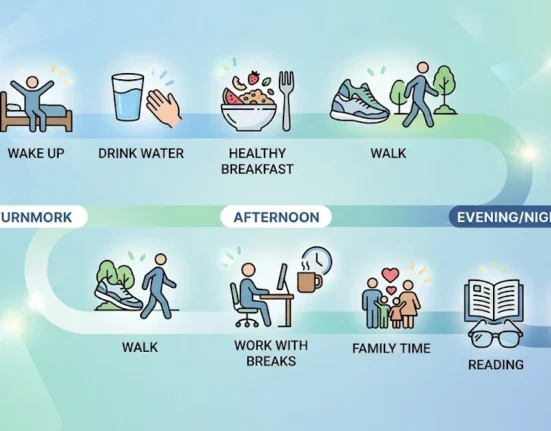
A small win can be drinking water, opening the curtains, washing your face, walking for five minutes, changing clothes, or replying to one message. These actions may look simple, but they create movement. Movement can break the feeling of being stuck.
Pick one tiny action and complete it without judging yourself. That one step counts.
Build a Morning Routine That Feels Gentle
A rough morning can make the whole day feel harder. Instead of grabbing your phone immediately, give your mind a quiet start.
- Drink a glass of water.
- Open a window or curtain.
- Wash your face.
- Stand in natural light for a few minutes.
- Take three slow breaths before checking messages.
You do not need a perfect morning routine. A gentle start can help your body understand that the day has begun, even if your mood is still low.
Food Can Affect Mood More Than You Think
Food does not cure depression, but it can affect energy, focus, and mood stability. Skipping meals or living on sugary snacks, strong tea, coffee, and fried foods can make energy rise and fall quickly.
Try to keep meals simple. Eggs, oats, rice, lentils, yogurt, fruits, vegetables, chicken, fish, nuts, and water can support steady energy. If cooking feels difficult, prepare one simple meal at a time instead of planning the whole week.
For easier food planning, you can also read healthy meal prep ideas to make daily eating less stressful.
Reduce the Coffee and Tea Crash
Many people drink extra coffee or strong tea when they feel low because it gives a quick lift. The problem is that too much caffeine may increase restlessness, anxiety, fast heartbeat, and sleep problems.
You do not need to quit completely. Start by reducing one cup or avoiding caffeine late in the day. Replace it with water, mint tea, ginger tea, or a caffeine-free drink. A calmer nervous system can make your mood feel less jumpy.
Move a Little, Even If You Cannot Exercise Fully
When you feel low, exercise may sound impossible. So do not start with a hard workout. Start with a small movement.
Walk outside for five to ten minutes. Stretch your shoulders. Move your legs while sitting. Stand near sunlight. Do a few slow bodyweight squats if you can. The goal is not performance. The goal is to wake up the body gently.
Movement can support mood by reducing tension and improving energy. Even light activity is better than staying completely still all day.
Use the 3-3-3 Grounding Method
When your thoughts feel too loud, grounding can bring your attention back to the present moment. The 3-3-3 method is simple and can be done anywhere.
- Look around and name three things you can see.
- Listen carefully and name three sounds you can hear.
- Move three parts of your body, such as your fingers, shoulders, or toes.
This method will not solve every problem, but it can slow the mental spiral and help you feel more connected to the present.
Protect Your Night Sleep
Sleep and mood are deeply connected. Late-night scrolling, bright screens, overthinking, and irregular sleep can make the next morning feel much heavier.
Try putting your phone away before bed. Keep the room dark and cool. Write down worries on paper so your mind does not keep repeating them. Sleep is not laziness. It is recovery for the brain and body.
Better sleep can make daily emotions easier to handle, even if it does not fix everything at once.
Stay Connected Instead of Disappearing
Low mood often pushes people to isolate. You may not feel like talking, replying, or meeting anyone. Some alone time is okay, but complete isolation can make things worse.
Send one short message to someone safe. It can be as simple as, “I have not been feeling great lately.” You do not need a long explanation. Staying connected reminds your mind that support exists.
If stress is also affecting your daily routine, this guide on effective stress management techniques may help you build calmer habits alongside mood support.
When Professional Help Is the Right Step
Daily habits can support mood, but they are not a replacement for treatment when symptoms are strong or long-lasting. If low mood continues for weeks, affects work, school, eating, sleep, relationships, or basic daily tasks, it is time to speak with a qualified professional.
You should seek urgent help if you feel unsafe, hopeless, or have thoughts of harming yourself. Asking for help is not weakness. It is a serious and brave step toward recovery.
What to Remember
Depression support tips work best when they are small, realistic, and repeated gently. You do not need to change your whole life in one day. Start with water, light, movement, food, sleep, and one safe connection.
Some days will still feel difficult. That does not mean you failed. It means you are human. Keep the steps small, ask for support when needed, and give yourself time to heal.
FAQs
1. What are simple depression support tips for daily life?
Simple tips include drinking water, getting morning light, walking for a few minutes, eating regular meals, reducing late caffeine, writing down thoughts, sleeping on time, and staying connected with someone trustworthy.
2. Can daily habits cure depression?
Daily habits can support mood and routine, but they may not cure depression. If symptoms are strong, long-lasting, or affecting daily life, professional support is important.
3. Does sleep affect low mood?
Yes, poor sleep can make low mood, irritability, tiredness, and overthinking worse. A calmer bedtime routine can support emotional recovery.
4. Is exercise helpful when feeling depressed?
Light movement may help improve energy and reduce tension. Even a short walk or gentle stretching can be a useful starting point when a full workout feels too hard.
5. When should someone seek help for depression symptoms?
Someone should seek help if low mood lasts for weeks, affects daily responsibilities, causes hopelessness, disrupts sleep or eating, or includes thoughts of self-harm.
Author Bio
Pure Fit Day Emotional Wellness Team creates practical mental wellness content for readers who want simple, supportive, and realistic ways to care for their mood, stress levels, sleep, daily routine, and overall well-being.
References
- National Institute of Mental Health — Depression
- SAMHSA — Mental Health
- Mind UK — Depression
- American Psychiatric Association — What Is Depression?
- Better Health Channel — Depression
Disclaimer
This article is for general mental wellness education only. It is not medical advice, therapy, diagnosis, or treatment. If you feel unsafe, hopeless, unable to cope, or have thoughts of self-harm, contact a qualified healthcare professional, local emergency service, or crisis support service immediately.




Leave feedback about this