
Physical Activity Ideas for Teenagers
Teenage life can be busy, confusing, and full of changes. School, homework, exams, phones, social media, gaming, and late-night routines can make it difficult for teenagers to stay active. Many teens spend long hours sitting, and after some time, the body starts feeling tired, lazy, or stiff.
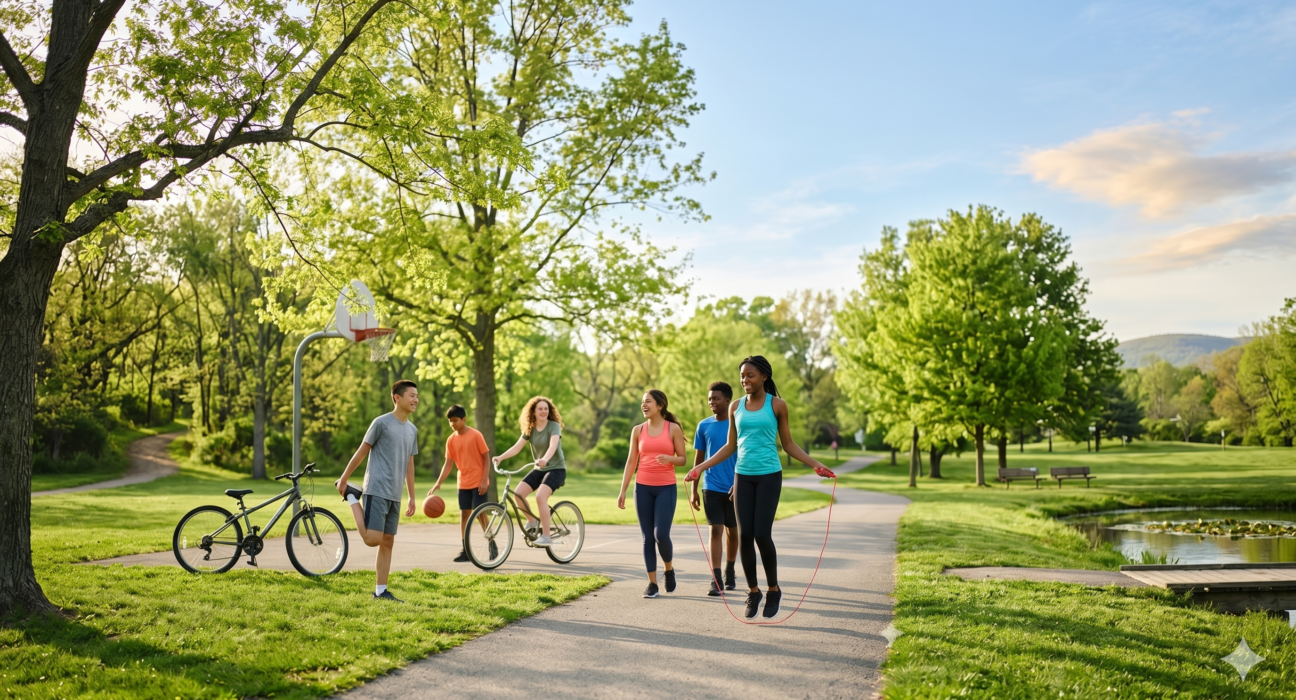
Physical activity is one of the easiest ways to support a teenager’s health. It does not always mean joining a gym or following a strict workout plan. It can be as simple as walking, cycling, dancing, playing sports, stretching, swimming, or doing short exercises at home.
The best part is that physical activity does not need to feel boring. Teenagers are more likely to stay active when movement feels fun, social, and easy to repeat. A teenager who does not like running may enjoy dancing. Someone who dislikes gym workouts may love badminton or cycling. The goal is not to copy someone else’s routine. The goal is to find activities that fit your lifestyle.
Why Physical Activity Is Important for Teenagers
Teenagers go through rapid physical and emotional growth. During this stage, the body needs healthy movement to build strength, stamina, balance, and flexibility. Physical activity can also support better sleep, stronger focus, and a more positive mood.
Regular movement may help teenagers feel more energetic during the day. It can also reduce the heavy feeling that comes from sitting for too long. Even a short walk after school can refresh the mind and make the body feel more awake.
Physical activity may also help teenagers build confidence. When a teen learns a new sport, improves stamina, completes a workout, or becomes more flexible, it creates a sense of progress. This progress is not only physical. It can also improve discipline and self-belief.
Teenagers do not need to be athletes to enjoy these benefits. A simple daily routine with movement is enough to make a difference over time.
How Much Activity Should Teenagers Aim For?
A good target for teenagers is around 60 minutes of physical activity most days. This activity does not have to happen all at once. It can be divided into smaller parts.
For example:
- 20 minutes walking after school
- 15 minutes stretching in the evening
- 25 minutes playing badminton, football, or cycling
This still adds up. Teenagers who are not active right now can start smaller. Even 10 to 15 minutes a day is a good beginning. The routine can slowly increase as the body gets stronger.
The most important thing is consistency. A teenager who moves a little every day can build a healthier routine than someone who does one hard workout and then stops for a week.
1. Brisk Walking
Walking is one of the simplest physical activity ideas for teenagers. It does not need any special equipment, and it can be done almost anywhere. A teenager can walk in a park, around the street, at school, or even inside a safe open space.
Brisk walking means walking at a faster pace than normal. It should feel active, but not too difficult. You should be able to talk, but your breathing may become slightly faster.
Walking is a good option for teens who do not enjoy sports. It can also be used as a break from study or screen time. A 20 to 30-minute walk in the evening can help the mind feel clear and the body feel fresh.
To make walking more interesting, teenagers can walk with a friend, sibling, parent, or pet. Music or an educational podcast can also make the walk feel enjoyable.
2. Cycling
Cycling is fun, active, and refreshing. It helps strengthen the legs, improves balance, and supports heart fitness. Many teenagers like cycling because it feels less like exercise and more like freedom.
Cycling can be done in a safe street, park, ground, or cycling track. Safety should always come first. Teens should avoid busy roads, check their brakes, and wear protective gear when possible.
Cycling can also become a weekend activity. Instead of spending the whole day on a phone, teenagers can plan a short ride with friends or family. It gives the body movement and the mind a break from screens.
3. Dancing
Dancing is a great activity for teenagers who want movement without a formal workout. It improves stamina, coordination, flexibility, and mood. It also helps teenagers express themselves.
The best thing about dancing is that there are no strict rules. You do not have to be perfect. You only need music and some space. Teenagers can dance at home for 15 to 30 minutes and still get a good workout.
Dance workouts are also useful for teens who get bored easily. Different songs and styles keep the routine fresh. It can be done alone or with friends.
4. Skipping Rope
Skipping rope is simple, affordable, and powerful. It improves stamina, balance, coordination, and foot movement. It also makes the heart work harder in a short amount of time.
Beginners can start with short rounds:
- 30 seconds skipping
- 30 seconds rest
- Repeat 5 to 8 times
Over time, the rounds can be increased. Skipping should be done on a safe surface with comfortable shoes. Teenagers should not push too hard in the beginning because the calves and feet need time to adjust.
5. Home Workouts
Home workouts are perfect for teenagers who cannot go outside or do not have access to a gym. A good home workout can be done without equipment.
A simple beginner routine can include:
- 10 squats
- 10 wall push-ups
- 15 jumping jacks
- 10 lunges on each leg
- 15-second plank
- 10 sit-ups
This routine can be repeated two or three times. The focus should be on proper form, not speed. Teenagers should warm up before starting and stretch lightly after finishing.
Home workouts also help build discipline. When exercise becomes part of a daily routine, it feels easier. Teens can also improve their lifestyle by following healthy habits for teenagers at home along with regular movement.
6. Team Sports
Team sports are one of the best ways for teenagers to stay active because they include exercise, fun, and social connection. Football, cricket, basketball, volleyball, hockey, and badminton are all good options.
Sports can help teenagers improve teamwork, confidence, communication, and discipline. They also make exercise feel less boring because the focus is on playing, not just working out.
A teenager does not need to be the best player. Playing casually with friends is still helpful. The aim is to move, enjoy, and stay consistent.
7. Basketball
Basketball is full of movement. It includes running, jumping, passing, turning, and quick decision-making. It improves stamina, coordination, speed, and focus.
Teenagers can play basketball at school, in a court, or even practice shooting if they have a hoop nearby. A short 20-minute basketball session can be enough to make the body active.
This sport is also good for confidence. As teens improve their passing, shooting, or dribbling, they feel progress quickly.
8. Swimming
Swimming is a full-body activity. It uses the arms, legs, core, heart, and lungs. It is also gentle on the joints, which makes it a comfortable option for many teenagers.
Swimming can improve stamina, breathing control, and flexibility. It is especially enjoyable in warm weather. However, safety is very important. Teenagers should swim only in safe places and follow proper rules.
For beginners, even short swimming sessions can be helpful. The goal is to move comfortably and slowly build confidence in the water.
9. Jogging or Light Running
Jogging is helpful for building endurance, but teenagers should not start too fast. A walk-and-jog method is better for beginners.
For example:
- Walk for 2 minutes
- Jog for 1 minute
- Repeat for 15 to 20 minutes
This makes running easier and safer. After a few weeks, the jogging time can be increased.
Teenagers should use comfortable shoes and choose a safe route. Running should not feel like punishment. It should feel like steady progress.
10. Yoga and Stretching
Yoga and stretching are useful for flexibility, posture, breathing, and relaxation. Teenagers often sit for long hours while studying or using phones, which can make the neck, shoulders, back, and legs feel tight.
Simple stretches can include:
- Shoulder rolls
- Neck stretches
- Forward fold
- Child’s pose
- Cobra stretch
- Hamstring stretch
- Cat-cow stretch
A 10 to 15-minute stretching routine before bed can help the body relax. Yoga can also support emotional balance because it combines movement with breathing.
11. Badminton
Badminton is a fun and simple sport for teenagers. It improves reflexes, coordination, stamina, and footwork. It can be played indoors or outdoors with basic equipment.
Badminton is also beginner-friendly. Teenagers can play with siblings, friends, or parents. It does not need a huge ground, and even a short session can make the body active.
This is a good option for teens who want a light but enjoyable activity.
12. Martial Arts
Martial arts such as karate, taekwondo, boxing training, and judo can help teenagers build strength, balance, discipline, and confidence.
Martial arts are not only about fighting. Good training teaches control, respect, patience, and focus. Teenagers who want to feel more confident may enjoy this type of activity.
It is important to learn from a trained instructor and follow safety rules. Proper guidance makes the activity safer and more effective.
13. Active Chores
Physical activity does not always have to look like exercise. Daily chores can also keep teenagers moving.
Active chores may include:
- Cleaning the room
- Sweeping
- Mopping
- Washing the car
- Gardening
- Organizing shelves
- Helping with groceries
These tasks reduce sitting time and teach responsibility. They may not replace sports, but they still add useful movement to the day.
14. Outdoor Games
Outdoor games are simple, fun, and effective. Teenagers can play tag, frisbee, catch, relay races, dodgeball, or other running games with friends or siblings.
Outdoor games help reduce screen time and improve social bonding. They are also good for teenagers who do not like structured workouts.
A weekend outdoor game session can become a healthy habit for friends or family.
15. Stair Climbing
Stair climbing is a simple activity that can improve leg strength and heart fitness. Teenagers can use stairs instead of elevators when it is safe.
A short stair routine can be:
- Climb up slowly
- Walk down carefully
- Repeat for 5 to 10 minutes
This should be done with care. Running on stairs is not recommended because it can increase the risk of falling.
Simple Weekly Activity Plan for Teenagers
Here is an easy weekly plan:
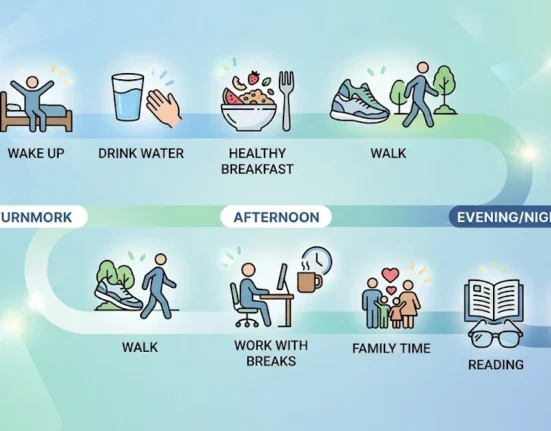
- Monday: Brisk walking and light stretching
- Tuesday: Home workout
- Wednesday: Cycling or badminton
- Thursday: Dance workout or skipping rope
- Friday: Jogging or basketball
- Saturday: Swimming, outdoor games, or sports
- Sunday: Rest day with gentle stretching
This plan can be changed according to school timing, weather, and personal interest. Teenagers should choose activities they enjoy instead of forcing themselves into a routine they dislike.
Tips to Stay Consistent
Staying active is easier when the routine feels realistic. Teenagers can try these simple tips:
- Start small
- Pick fun activities
- Move with a friend
- Keep workout clothes ready
- Use music
- Reduce long sitting time
- Avoid comparing yourself with others
- Track small progress
- Take rest when needed
The goal is not to become perfect. The goal is to move the body regularly and feel better.
Final Thoughts
Physical activity is important for teenagers because it supports energy, strength, mood, sleep, focus, and confidence. It does not have to be difficult or expensive. Walking, cycling, dancing, sports, swimming, stretching, and home workouts can all help.
Every teenager is different, so the best activity is the one that feels enjoyable and easy to continue. Start small, stay consistent, and choose movement that fits your lifestyle. Over time, these simple habits can help teenagers feel healthier, stronger, and more confident.
FAQs
1. What are easy physical activity ideas for teenagers at home?
Teenagers can try squats, wall push-ups, jumping jacks, lunges, planks, stretching, yoga, dancing, and skipping rope at home. These activities do not need expensive equipment and can be done in a small space.
2. How can teenagers become active if they do not like exercise?
They can choose fun movement instead of formal workouts. Dancing, cycling, badminton, walking with friends, outdoor games, and sports can help teens stay active without feeling like they are exercising.
3. Is it okay for teenagers to do strength exercises?
Yes, teenagers can do basic strength exercises like squats, push-ups, lunges, and planks. They should focus on correct form, avoid heavy lifting without guidance, and stop if they feel pain.
4. How can teenagers reduce screen time with physical activity?
Teenagers can replace one screen session with a walk, sport, dance routine, or short home workout. Starting with only 15 to 20 minutes a day can make the change easier.
5. What is the best time for teenagers to exercise?
The best time is the time they can follow regularly. Some teens like evening walks after school, while others prefer weekend sports or short workouts before dinner. Consistency matters more than timing.
Author Bio
Pure Fit Day Wellness Team writes practical health, fitness, and lifestyle content for young readers and families. Our teen wellness articles focus on simple habits, safe movement, balanced routines, and realistic daily choices that can support long-term well-being.
References
- NHS — Physical Activity Guidelines for Children and Young People
- MedlinePlus — Exercise for Children
- Nemours KidsHealth — Fitness and Your 13- to 18-Year-Old
- Mayo Clinic Health System — Teens and Exercise
- The Royal Children’s Hospital Melbourne — Exercise and Activity for Teens and Young People
Disclaimer
This blog is written for general wellness education only. It should not be used as medical advice or as a replacement for guidance from a doctor, physiotherapist, fitness trainer, or qualified health professional. Teenagers with asthma, injuries, joint pain, heart concerns, long-term illness, or any medical condition should speak with a healthcare professional before starting a new activity routine.