
Screen Time Balance Tips for Teens
Screen time balance tips for teens are important because phones, laptops, tablets, gaming, and social media are now a normal part of teenage life. Teenagers use screens for school, chatting, entertainment, learning, videos, and games. Screens are not always bad, but too much screen time can affect sleep, focus, mood, posture, and daily routine.
The goal is not to remove screens completely. That is not realistic for most teenagers. The real goal is balance. A teen can use technology, enjoy entertainment, stay connected with friends, and still protect their health.
Many teenagers do not even notice how much time they spend scrolling. A quick five-minute break can turn into one hour. Late-night phone use can delay sleep. Constant notifications can break focus during homework. This is why small changes can make a big difference.
Why Screen Time Balance Matters for Teens
Teenagers need time for study, rest, physical activity, family, hobbies, and sleep. When screens take over too much of the day, other important habits can slowly disappear.
Too much screen time may lead to:
- Poor sleep routine
- Less physical movement
- Eye tiredness
- Lower focus
- More late-night scrolling
- Less family interaction
- Mood changes
- Poor posture
- Reduced study productivity
This does not mean every teenager with a phone has a problem. It simply means screen habits should be controlled before they start controlling the routine.
Screen time balance tips for teens work best when they feel practical. Strict rules often fail because teenagers need independence. A better approach is to build healthy limits that make sense.
Best Screen Time Balance Tips for Teens
The best screen time balance tips for teens are simple, realistic, and easy to follow. Teenagers do not need a perfect routine. They only need a few smart habits that reduce unnecessary screen use.
A balanced routine means using screens with purpose. For example, using a laptop for homework is different from scrolling social media for two hours without noticing. Watching one episode after finishing study is different from staying awake all night watching videos.
The first step is awareness. Once teenagers understand their screen habits, they can improve them without feeling forced.
1. Track Your Screen Time First
Before reducing screen time, teenagers should know where their time is going. Most phones show daily and weekly screen time reports. These reports can show which apps are taking the most time.
A teen may think they use social media for 30 minutes, but the phone report may show two or three hours. This is common. Tracking screen time is not about guilt. It is about being honest with yourself.
After checking screen time, choose one small target. For example, if social media use is three hours daily, reduce it to two and a half hours first. Small changes are easier than sudden strict rules.
2. Separate Study Screens from Entertainment Screens
Teenagers often use the same device for schoolwork and entertainment. This can make focus difficult. A student may open the laptop for homework but end up watching videos or checking messages.
One helpful habit is to separate screen use by purpose. During study time, keep only the needed tabs open. Turn off unnecessary notifications. Keep the phone away from the desk if it is not needed.
This simple habit can improve focus. It also helps the brain understand the difference between productive screen time and entertainment screen time.
3. Create Screen-Free Times
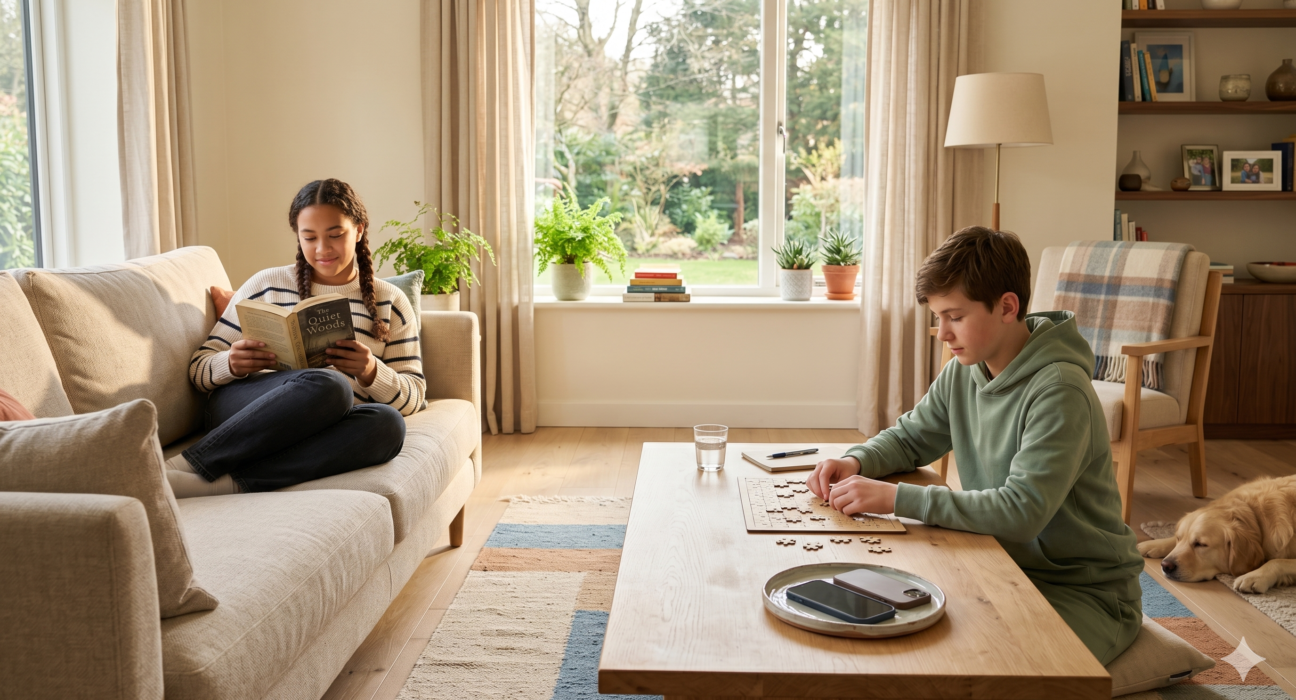
One of the most useful screen time balance tips for teens is creating screen-free times during the day. These are short periods where phones and devices are kept away.
Good screen-free times include:
- During meals
- First 20 minutes after waking up
- During homework focus blocks
- One hour before sleep
- During family conversations
- While walking outside
Screen-free time gives the mind a break. It also makes daily life feel less rushed. Teenagers do not have to start with a full day without screens. Even 30 minutes of screen-free time can help.
4. Keep Screens Away Before Bed
Late-night screen use is one of the biggest issues for teenagers. Many teens plan to sleep but keep checking messages, watching reels, or playing games. This can delay bedtime and make the next day harder.
A good rule is to keep screens away at least 30 to 60 minutes before sleeping. During this time, teens can read, stretch, prepare clothes for the next day, write a short to-do list, or simply relax.
Keeping the phone away from the bed also helps. If the phone is under the pillow or beside the face, it becomes too easy to check again and again.
5. Replace Scrolling with Better Breaks
Teenagers need breaks, but every break does not have to be screen-based. After school or study, the brain needs rest. Scrolling may feel relaxing, but sometimes it makes the mind more tired.
Better break ideas include:
- Walking for 10 minutes
- Listening to music without scrolling
- Stretching
- Drinking water
- Talking to a family member
- Playing with a pet
- Cleaning the desk
- Doing deep breathing
Teens can also add movement by trying simple physical activity ideas for teenagers instead of spending every free moment on screens. This helps the body feel active and reduces long sitting time.
6. Use App Limits Wisely
Most phones allow users to set app limits. This can be helpful for apps that waste too much time. A teenager can set limits for social media, games, or video apps.
The limit should be realistic. If the limit is too strict, it may feel annoying and easy to ignore. Start with a small reduction and adjust slowly.
For example, instead of using a video app for two hours, set the limit to one hour and thirty minutes. After a week, reduce it more if needed.
App limits work better when the teen understands why they are using them. The purpose is not punishment. The purpose is control.
7. Turn Off Unnecessary Notifications
Notifications are designed to get attention. A phone buzzing every few minutes can make it difficult to study, sleep, or relax.
Teenagers can turn off notifications from apps that are not urgent. Social media, games, shopping apps, and video platforms usually do not need instant alerts.
Keep important notifications on, such as family calls, school updates, or safety messages. Everything else can wait.
This is one of the easiest screen time balance tips for teens because it reduces distractions without fully removing the phone.
8. Clean Your Social Media Feed
Screen balance is not only about time. It is also about content. Some content can make teens feel inspired, while other content can create stress, comparison, or negativity.
Teenagers should unfollow accounts that make them feel bad, insecure, angry, or distracted. Follow pages that support learning, fitness, creativity, humor, or positive hobbies.
A cleaner feed can make screen time healthier. It also reduces the habit of endless scrolling because the content becomes more meaningful.
9. Make Bedrooms More Sleep-Friendly
A bedroom should feel calm, especially at night. If the bed becomes a place for gaming, scrolling, chatting, and watching videos, sleep can become difficult.
Teenagers can keep phones on a table away from the bed. They can use a normal alarm clock if they keep checking the phone at night. Dimming lights, keeping the room clean, and setting a bedtime routine can also help.
Good sleep supports mood, memory, skin health, energy, and school performance. Better screen habits can make sleep easier.
10. Parents Should Support, Not Only Control
Parents can help teenagers build better screen habits, but the approach matters. Constant shouting or strict rules can create arguments. A better way is to talk clearly and set fair limits.
Parents should also check their own screen habits. If adults use phones during meals but tell teens not to, the rule feels unfair.
Families can create simple rules together, such as no phones at dinner or no screens before bedtime. When rules apply to everyone, teenagers are more likely to accept them.
Simple Daily Screen Balance Routine for Teens
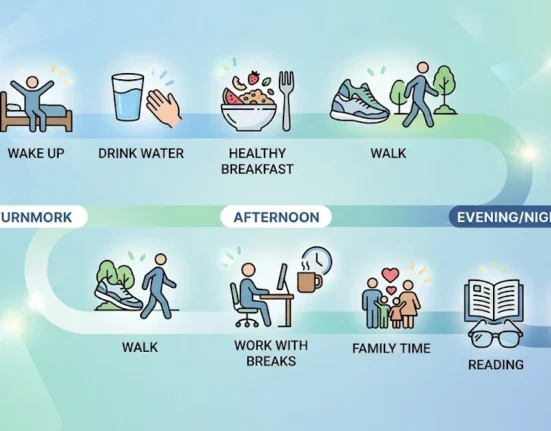
Here is an easy routine teens can follow:
- Morning: Avoid phone for the first 20 minutes
- School/study time: Keep only needed apps or tabs open
- After school: Take a short rest without scrolling
- Evening: Use screen time for entertainment with limits
- Night: Keep screens away 30 to 60 minutes before sleep
This routine is simple, but it can improve the whole day. Screen time balance tips for teens should not feel like a strict punishment. They should feel like a way to protect time, energy, and peace of mind.
Final Thoughts
Screens are part of modern teenage life, and they are not going away. Teenagers use technology for learning, fun, creativity, and connection. The problem starts when screens take too much time from sleep, study, movement, and real-life moments.
The best screen time balance tips for teens are practical. Track your screen use, reduce late-night scrolling, turn off extra notifications, set app limits, create screen-free times, and replace some scrolling with healthier breaks.
Balance does not mean zero screen time. It means using screens in a way that supports your life instead of disturbing it. Small changes can help teenagers feel more focused, rested, active, and in control of their daily routine.
FAQs
1. What are the best screen time balance tips for teens?
The best tips include tracking daily screen use, setting app limits, keeping phones away before bed, creating screen-free meal times, turning off unnecessary notifications, and replacing some scrolling with walking, hobbies, or family time.
2. How much screen time is okay for teenagers?
There is no perfect number for every teenager because schoolwork, hobbies, and family routines are different. A better goal is to reduce unnecessary screen time and protect sleep, study, physical activity, and real-life social time.
3. Why should teens avoid screens before bed?
Screens before bed can make it harder to relax and may delay sleep, especially when teens are watching exciting content, chatting, gaming, or scrolling social media. A screen-free bedtime routine can help the mind slow down.
4. How can teens reduce social media without deleting apps?
Teens can set app timers, turn off notifications, unfollow negative accounts, keep the phone away during study, and choose fixed times for social media instead of checking it all day.
5. What can teenagers do instead of screen time?
Teenagers can walk, stretch, exercise, read, journal, organize their room, help at home, play sports, talk with family, listen to music, draw, cook, or spend time outdoors.
Author Bio
Pure Fit Day Lifestyle Desk shares simple wellness guidance for teens, students, and families. Our content focuses on realistic daily habits, digital balance, movement, sleep, and healthy routines that can fit into normal home and school life.
References
- Mayo Clinic — Screen time and children: How to guide your child
- Nemours KidsHealth — Media Use Guidelines: Teens
- Sleep Foundation — Screen Time and Insomnia: What It Means for Teens
- The Royal Children’s Hospital Melbourne — Screen time and social media
Disclaimer
This article is for general lifestyle and wellness education only. It is not a medical or mental health diagnosis. If a teenager is experiencing sleep problems, anxiety, low mood, social media distress, online safety concerns, or difficulty controlling screen use, parents or caregivers should speak with a qualified healthcare professional, counselor, or trusted school support staff.