

Balanced Diet and Supplements: What You Need to Know
Eating healthy does not have to be complicated. A balanced diet gives your body the nutrients it needs to stay active, strong, and healthy. However, many people wonder if Balanced Supplements are also necessary. Can vitamins, minerals, or other supplements replace healthy meals? Or are they only helpful in certain situations?
The simple answer is that food should always come first. Supplements can help fill nutritional gaps, but they cannot replace the benefits of a healthy eating pattern. Understanding when supplements are useful can help you make better choices for your long-term health.
What Is a Balanced Diet?
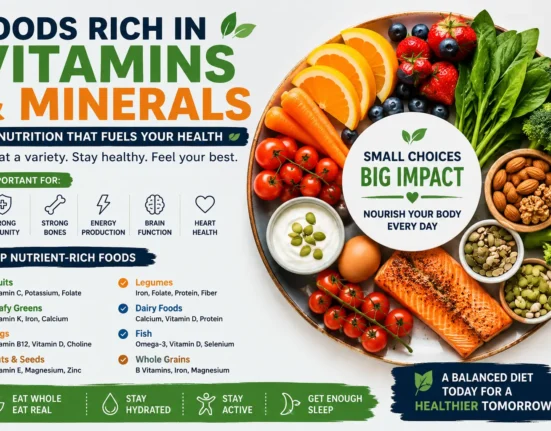
A balanced diet provides your body with the right amount of nutrients every day. It includes foods from different food groups instead of relying on only one type of food.
A healthy eating pattern usually includes:
- Colorful fruits and vegetables
- Whole grains like oats, brown rice, and whole wheat bread
- Lean protein such as fish, chicken, beans, eggs, and lentils
- Healthy fats from nuts, seeds, avocados, and olive oil
- Milk, yogurt, or other calcium-rich foods
- Plenty of water throughout the day
Each food group provides different nutrients that work together to support your body.
Why Your Body Needs Different Nutrients
No single food contains every nutrient your body needs. That is why variety matters.
Protein
Protein helps build muscles, repair tissues, and support your immune system.
Carbohydrates
Carbohydrates provide energy for your brain and muscles.
Healthy Fats
Healthy fats support heart health and help your body absorb vitamins A, D, E, and K.
Vitamins and Minerals
These nutrients help keep your bones, skin, eyes, immune system, and organs working properly.
Where Balanced Supplements Can Help
Most healthy adults can meet their nutritional needs through food. However, there are situations where Balanced Supplements may be helpful.
- Pregnancy
- Older adults
- Vegetarians or vegans
- People with certain medical conditions
- Individuals with nutrient deficiencies confirmed by a healthcare provider
For example, someone who rarely eats dairy products may need extra calcium or vitamin D after medical advice.
Food First, Supplements Second
Many people believe taking vitamins allows them to eat whatever they want. Unfortunately, it does not work that way.
Whole foods contain:
- Fiber
- Natural antioxidants
- Healthy plant compounds
- Water
- Multiple nutrients working together
Supplements usually contain isolated nutrients. They cannot fully replace the complex nutrition found in real foods.
Think of supplements as helpers—not substitutes.
Common Supplements People Use
Vitamin D
Vitamin D supports healthy bones, muscles, and immune function. People with limited sun exposure may have lower levels.
Calcium
Calcium keeps bones and teeth strong. Dairy products, leafy greens, and fortified foods are excellent sources.
Iron
Iron helps carry oxygen throughout your body. Low iron may cause tiredness and weakness.
Vitamin B12
Vitamin B12 supports healthy nerves and red blood cells. People following vegan diets often need special attention to this nutrient.
Omega-3 Fatty Acids
Omega-3 fats support heart and brain health. Fatty fish are one of the best food sources.
How to Know If You Need Supplements
Not everyone needs supplements.
Instead of guessing, consider these questions:
- Do you eat a variety of healthy foods?
- Has your doctor diagnosed a deficiency?
- Do you follow a restrictive eating plan?
- Are you pregnant or breastfeeding?
- Do you have a medical condition affecting nutrient absorption?
If the answer is yes to any of these, discuss your nutrition with a qualified healthcare professional.
Choosing Balanced Supplements Safely
The supplement aisle can feel overwhelming. Products often promise quick health benefits, but not every product is necessary.
Keep these tips in mind:
- Choose trusted brands.
- Follow the recommended dosage.
- Avoid products making unrealistic claims.
- Check expiration dates.
- Tell your healthcare provider about every supplement you take.
Taking more than recommended does not always provide extra benefits and may even be harmful.
Can Too Many Supplements Be Harmful?
Yes.
Some vitamins build up in the body when taken in large amounts. Others can interfere with medications or cause unwanted side effects.
Examples include:
- Too much vitamin A may affect the liver.
- Excess iron can become dangerous if you do not need it.
- Large doses of certain supplements may interact with blood-thinning medicines.
This is another reason why professional guidance matters.
Simple Ways to Improve Your Nutrition Naturally
You do not need expensive products to improve your health.
- Fill half your plate with vegetables and fruit.
- Choose whole grains more often.
- Eat lean protein at every meal.
- Drink enough water.
- Limit sugary drinks and highly processed snacks.
- Cook more meals at home.
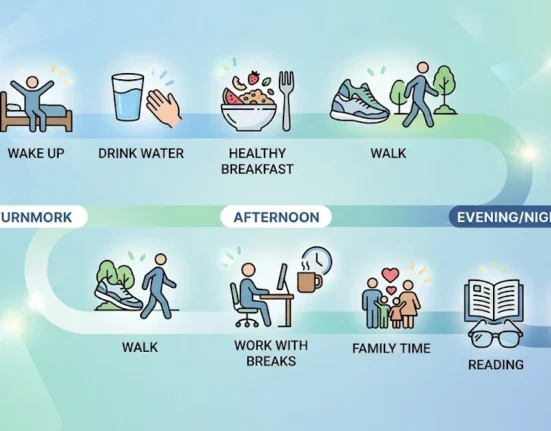
- Stay physically active most days of the week.
These habits often provide greater health benefits than relying on supplements alone.
Everyday Example
Imagine two friends.
Sarah eats colorful meals with vegetables, fruit, fish, whole grains, and yogurt. She takes no supplements because her doctor says she doesn’t need them.
John eats mostly fast food but takes several vitamin pills daily. Although he believes the pills protect his health, he still misses the fiber, healthy fats, and natural nutrients found in whole foods.
Sarah’s eating habits provide a stronger nutritional foundation than supplements alone.
Building Healthy Habits for Life
Healthy nutrition is not about perfection. It is about making better choices consistently.
Small improvements, such as adding one extra serving of vegetables each day or replacing sugary drinks with water, can make a meaningful difference over time.
If you’re looking for more practical nutrition advice, explore our guide on Healthy Eating Habits for Everyday Wellness.
The Bottom Line
Balanced Supplements can support good nutrition when they are truly needed, but they should never replace healthy eating. A balanced diet filled with fruits, vegetables, whole grains, lean proteins, healthy fats, and plenty of water remains the best way to nourish your body.
If you think you may have a nutrient deficiency or special dietary needs, speak with a healthcare professional before starting any supplement. Making informed choices today can help support your health for years to come.
FAQs
1. Can supplements replace healthy meals?
No. Supplements help fill nutrient gaps but cannot replace the complete nutrition found in whole foods.
2. Should healthy adults take supplements every day?
Not necessarily. Many healthy adults meet their nutritional needs through a balanced diet alone.
3. What is the best way to know if I need supplements?
A healthcare provider can assess your diet, health history, and blood tests to determine whether supplements are appropriate.
4. Are natural food sources better than supplements?
In most cases, yes. Whole foods provide fiber, antioxidants, and many beneficial compounds that supplements cannot fully match.
5. Can taking too many vitamins be harmful?
Yes. Excess amounts of certain vitamins and minerals may cause side effects or interact with medications.
Author Bio
Emma Collins is a nutrition and wellness writer who enjoys translating evidence-based health information into practical everyday advice. Her articles encourage readers to build healthy habits through balanced eating, realistic lifestyle changes, and informed nutrition choices.
References
- MyPlate – U.S. Department of Agriculture
- National Institutes of Health – Office of Dietary Supplements
- Academy of Nutrition and Dietetics
Disclaimer
The information in this article is intended for educational purposes only and should not replace professional medical or nutritional advice. Always consult a qualified healthcare provider before starting any dietary supplement or making significant changes to your diet, especially if you are pregnant, breastfeeding, have a medical condition, or take prescription medications.