
Simple Lifestyle Habits for Mental Peace
Mental Peace does not always come from big life changes. Many times, it grows from small daily habits that help your mind feel safe, calm, and balanced. A peaceful lifestyle does not mean life is perfect. It means you know how to slow down, care for yourself, and handle stress in a healthier way.
Modern life can feel busy. Work, family needs, phone notifications, money worries, and social pressure can make the mind feel tired. The good news is that simple habits can help you feel more in control of your day.
What Mental Peace Really Means
Mental peace means feeling calmer inside, even when life is not completely easy. It is the ability to pause, breathe, think clearly, and respond instead of reacting quickly.
It does not mean you never feel sad, stressed, or worried. These feelings are normal. Mental peace means you have healthy ways to manage them.
Why Simple Habits Matter for Mental Peace
Small habits may look simple, but they can create strong changes over time. The National Institute of Mental Health recommends regular exercise, healthy meals, hydration, sleep, relaxing activities, and social connection as helpful ways to care for mental health.
You do not need to fix everything in one day. Choose one habit, repeat it often, and let it become part of your routine.
Start With a Slow Morning
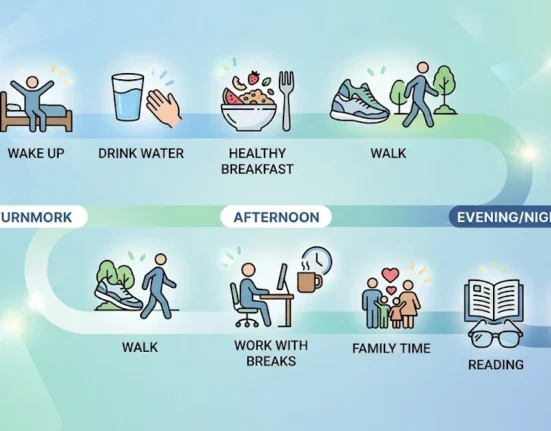
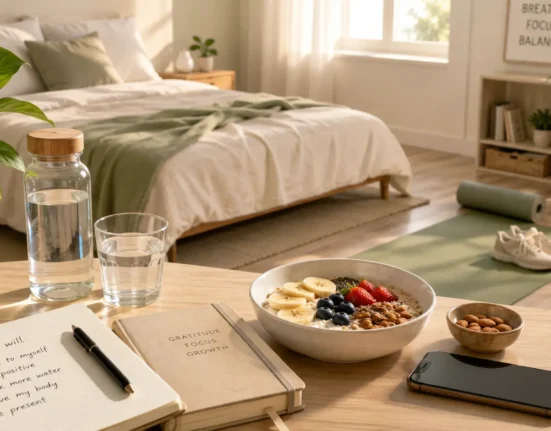
A rushed morning can make the whole day feel stressful. A slow morning gives your mind time to wake up gently.
Try this simple routine:
- Wake up 10 minutes earlier.
- Drink water before tea or coffee.
- Stretch your arms, neck, and back.
- Take three deep breaths.
- Write one thing you want to do well today.
You do not need a perfect morning routine. You only need a calmer start.
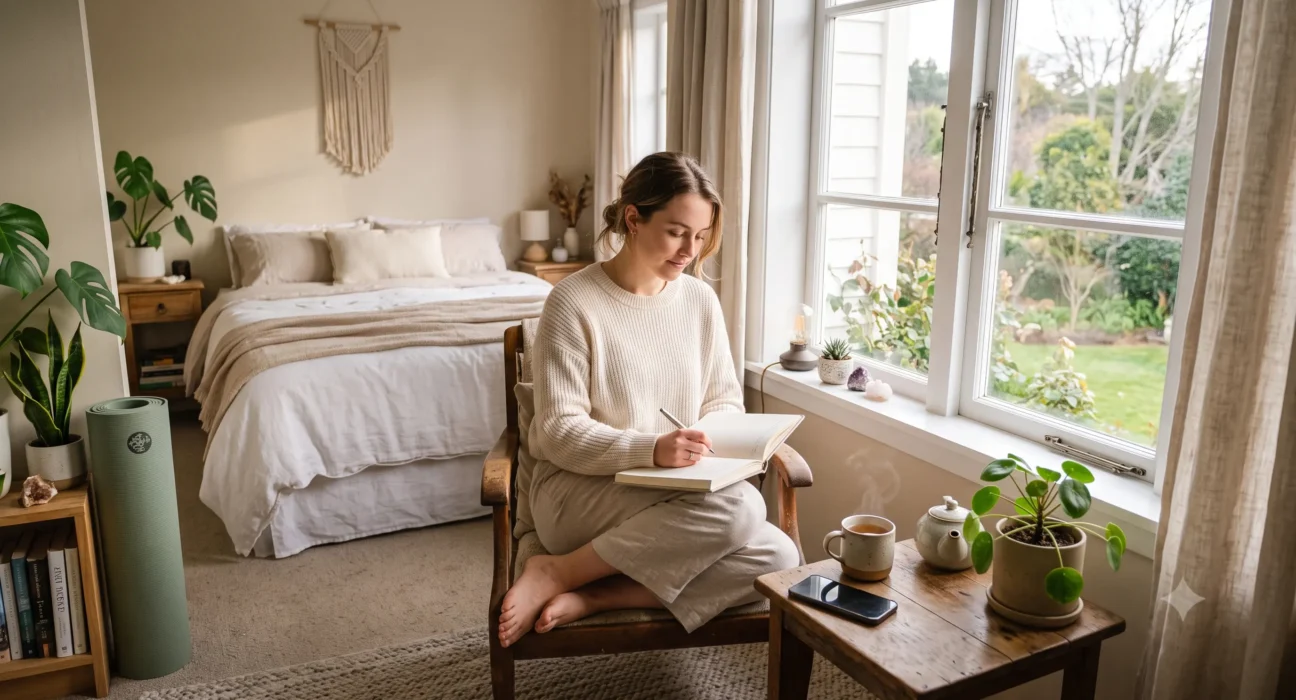
Create a Peaceful Corner at Home
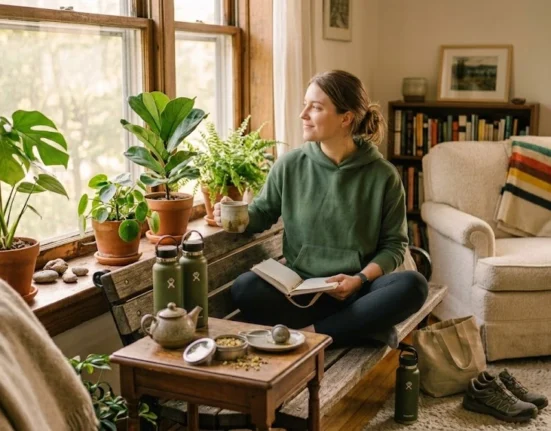
Your environment affects your mood. A small clean space can remind your mind to slow down.
Your peaceful corner can include:
- A chair near a window
- A small plant
- A notebook or journal
- A glass of water
- A soft light
- A book you enjoy
Use this space for reading, prayer, breathing, journaling, or quiet thinking.
Use Deep Breathing for Mental Peace
Deep breathing is one of the easiest ways to calm the body. Mayo Clinic lists deep breathing, meditation, yoga, music, and other relaxation techniques as helpful ways to lower stress.
Try this simple breathing method:
- Sit comfortably.
- Breathe in slowly through your nose for four seconds.
- Hold for two seconds.
- Breathe out slowly for six seconds.
- Repeat five times.
This helps send a calm signal to your nervous system.
Limit Mental Clutter
Mental clutter happens when your mind is filled with too many thoughts, tasks, and worries at once.
One helpful habit is a brain dump. Take a notebook and write down everything on your mind. Do not worry about perfect writing. Just get the thoughts out.
After that, mark only the top three things that matter most today. This can make your day feel lighter.
Move Your Body Gently
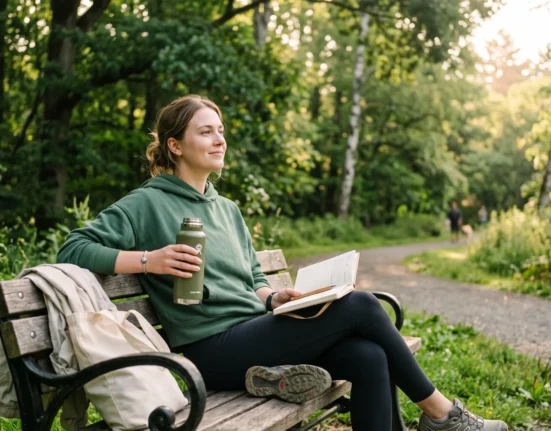
Movement supports both physical and mental health. It does not have to be intense. A short walk, light stretching, or simple home exercise can help clear your mind.
Easy movement ideas include:
- Walk after lunch or dinner.
- Stretch for five minutes after waking up.
- Do light yoga at home.
- Dance to one favorite song.
- Take short walking breaks during work.
The goal is not perfection. The goal is to help your body release stress.
Eat in a Way That Supports a Calm Mind
Food affects energy, focus, and mood. Skipping meals or eating mostly sugary snacks can lead to energy crashes and irritability.
Build simple balanced meals with:
- Whole grains
- Eggs, beans, fish, chicken, lentils, or other protein foods
- Fruits and vegetables
- Healthy fats like nuts, seeds, or olive oil
- Enough water
If you want to build stronger daily habits for emotional well-being, read our guide on Mind Wellness Tips for a Balanced Lifestyle for practical strategies that support a healthier and more balanced mind.
Protect Your Sleep Routine
Sleep is not a luxury. It is a basic need for a peaceful mind. Poor sleep can make small problems feel much bigger.
Try these sleep habits:
- Sleep and wake up at similar times.
- Keep your room dark and comfortable.
- Avoid heavy meals close to bedtime.
- Stop scrolling at least 30 minutes before sleep.
- Use a calming routine like reading or light stretching.
A better night routine can improve your next morning.
Set Boundaries Without Feeling Guilty
Many people feel stressed because they say yes to everything. Boundaries help protect your time, energy, and emotional health.
You can say:
- “I cannot do that today.”
- “I need some time to think.”
- “I am not available right now.”
- “Let me get back to you later.”
Healthy boundaries are not rude. They are a form of self-respect.
Spend Time With People Who Feel Safe
Good relationships can support mental peace. You do not need many people around you. Even one trusted person can help you feel less alone.
Try to make time for people who:
- Listen without judging
- Respect your limits
- Encourage healthy choices
- Make you feel calm, not drained
Strong social connection is an important part of emotional well-being.
Reduce Screen Noise
Your phone can be helpful, but it can also create stress. Too many notifications, news updates, and social media comparisons can disturb mental peace.
Try one screen rule this week:
- No phone during meals.
- No social media before sleep.
- Turn off unnecessary notifications.
- Keep your phone away during family time.
- Take a 30-minute screen-free break daily.
Less screen noise gives your mind more space to rest.
Practice Gratitude in a Simple Way
Gratitude does not mean ignoring problems. It means noticing small good things even when life feels hard.
Each night, write down three simple things:
- One thing that went well
- One person you appreciate
- One thing you handled better than before
This small habit can train your mind to notice balance, not only stress.
Know When Self-Care Is Not Enough
Lifestyle habits can support your well-being, but they do not replace professional care. If stress, anxiety, sadness, anger, or hopelessness continues for a long time, speak with a qualified mental health professional.
Get help quickly if you feel unsafe, unable to function, or have thoughts of harming yourself. Support is available, and you do not have to face it alone.
A Simple Way to Start
Mental Peace is built one small habit at a time. You do not need to change your whole life overnight. Start with one peaceful action today, such as drinking water, taking a short walk, breathing deeply, cleaning one corner, or sleeping a little earlier.
When small habits become steady, they create a calmer lifestyle. Your mind deserves that care every day.
Frequently Asked Questions
1. What is the best daily habit for mental peace?
There is no single best habit for everyone. For many people, better sleep, deep breathing, walking, and reducing screen time are good places to start.
2. Can lifestyle habits reduce stress?
Yes. Simple habits like regular movement, healthy meals, enough sleep, and quiet breaks can help reduce daily stress over time.
3. How can I calm my mind quickly?
Try slow breathing, stepping away from screens, drinking water, stretching, or writing your thoughts in a notebook for a few minutes.
4. Does mental peace mean I will never feel worried?
No. Worry is a normal human feeling. Mental peace means you can manage worry in healthier ways instead of letting it control your day.
5. When should I talk to a mental health professional?
You should seek professional help if stress, sadness, anxiety, or hopelessness lasts for a long time, affects daily life, or makes you feel unsafe.
Author Bio
Rachel Morgan is a lifestyle wellness writer who creates simple, practical content on stress care, daily routines, and emotional balance. Her writing focuses on realistic habits that readers can apply at home, at work, and in everyday life.
References
- National Institute of Mental Health – Caring for Your Mental Health
- Mayo Clinic – Relaxation Techniques to Lower Stress
- Mental Health Foundation – Relationships and Mental Health
Disclaimer
This article is for educational and wellness purposes only. It is not a replacement for mental health diagnosis, therapy, or medical treatment. If you feel overwhelmed, unsafe, hopeless, or unable to manage daily life, please contact a qualified healthcare professional or emergency support service in your area.