
Healthy Habits for Kids at Home
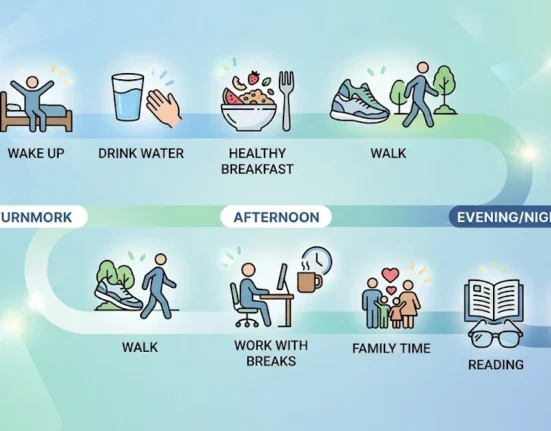
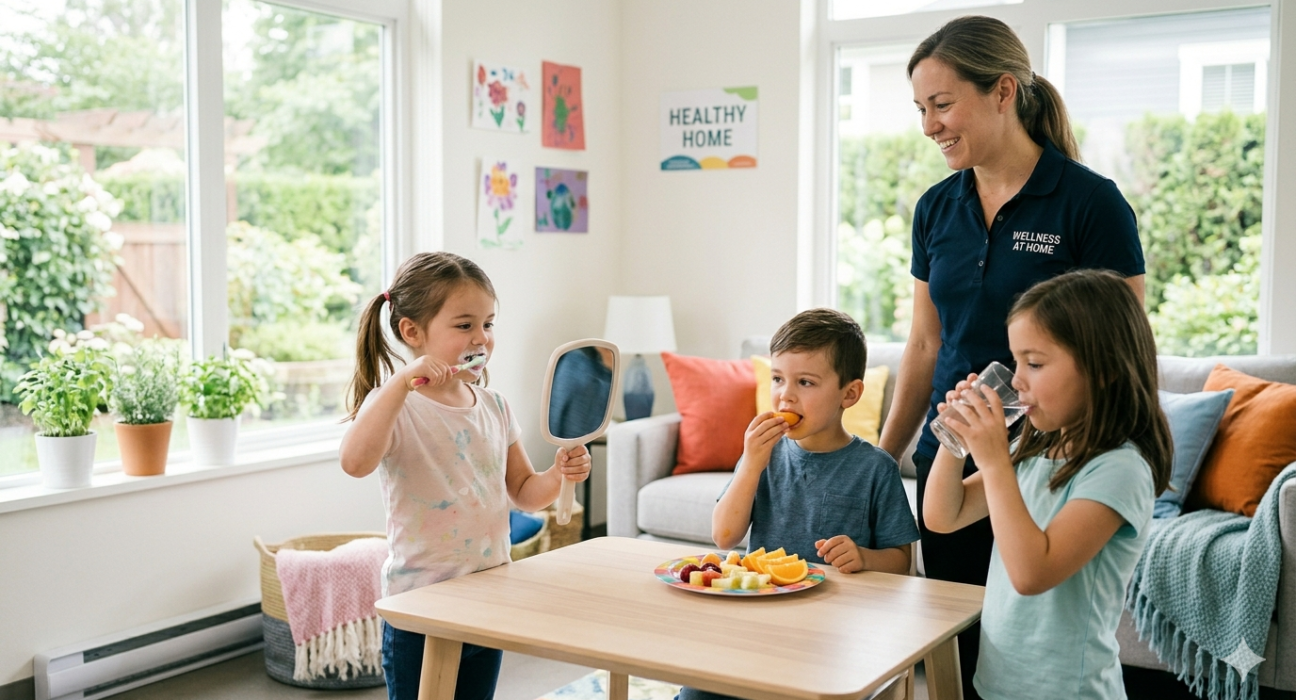
Healthy habits for kids begin at home. Children learn many of their daily routines by watching parents, family members, and caregivers. Simple habits such as washing hands, brushing teeth, eating balanced meals, drinking water, sleeping on time, and staying active can support a child’s overall wellness.
Building healthy habits does not mean creating a strict lifestyle. Kids need guidance, patience, and routine. When habits feel simple and natural, children are more likely to follow them every day.
A healthy home routine can help kids feel more energetic, focused, confident, and comfortable in daily life.
Why Healthy Habits Matter for Kids
Childhood is an important stage for growth and development. The habits children build early can influence how they care for themselves as they grow older.
Healthy habits for kids may support:
- Better energy
- Good hygiene
- Stronger daily routine
- Healthy eating
- Better sleep
- Physical activity
- Emotional comfort
- Better focus
Small daily habits can make a big difference over time.
Start with a Simple Morning Routine
A morning routine helps kids begin the day with structure.
A simple routine may include:
- Waking up on time
- Brushing teeth
- Washing face
- Drinking water
- Eating breakfast
- Getting dressed
- Preparing school items
Children feel more confident when they know what to expect each morning.
Teach Proper Hand Washing
Hand washing is one of the most important hygiene habits for kids.
Children should wash their hands:
- Before eating
- After using the bathroom
- After playing outside
- After coughing or sneezing
- After touching pets
- When coming home from school
Parents can make hand washing easier by keeping soap within reach and reminding kids gently.
Encourage Brushing Teeth Twice Daily
Dental hygiene is an important part of child wellness.
Kids should be encouraged to brush their teeth in the morning and before bedtime.
Parents can make brushing more enjoyable by using a fun toothbrush, a simple timer, or a short brushing song.
The goal is to make brushing a normal part of the day.
Build Healthy Eating Habits
Healthy eating does not need to be complicated for children.
A balanced meal may include:
- Fruits
- Vegetables
- Whole grains
- Protein foods
- Dairy or fortified alternatives
- Water
Children may not like every healthy food right away. That is normal.
Offering different foods regularly can help kids become more comfortable with variety.
Make Fruits and Vegetables Easy to Reach
Kids are more likely to eat healthy snacks when they are visible and easy to access.
Good options include:
- Apple slices
- Bananas
- Grapes
- Carrot sticks
- Cucumber slices
- Orange pieces
- Yogurt with fruit
Keeping healthy snacks ready can reduce the habit of choosing sugary snacks too often.
Keep Kids Hydrated
Water is important for children’s daily wellness.
Kids may forget to drink water while playing or studying.
Simple hydration habits include:
- Keeping a water bottle nearby
- Offering water with meals
- Giving water after playtime
- Adding fruit slices for flavor
Water should be the main daily drink.
Limit Too Much Sugary Food
Children can enjoy sweets sometimes, but sugary foods should not become everyday habits.
Too much sugar may affect energy, appetite, and daily routine.
Foods to limit include:
- Candy
- Sugary drinks
- Sweet cereals
- Packaged desserts
- Too many processed snacks
Fruit can be a better option when children want something sweet.
Encourage Daily Physical Activity
Kids need movement for healthy growth and energy.
Physical activity does not always need a playground or sports class.
At home, children can:
- Dance
- Stretch
- Play active games
- Help with light chores
- Walk with family
- Do simple jumping or movement games
Daily activity helps children use energy in a healthy way.
Create a Healthy Screen Time Routine
Screens are part of modern life, but balance is important.
Too much screen time may affect sleep, focus, and activity levels.
Helpful screen habits include:
- Setting screen-free meal times
- Avoiding screens before bedtime
- Taking breaks during screen use
- Encouraging outdoor or indoor play
- Choosing educational content when possible
A balanced routine works better than sudden strict rules.
Support Good Sleep Habits
Sleep is important for children’s growth, mood, learning, and energy.
A bedtime routine may include:
- Washing up
- Brushing teeth
- Wearing comfortable clothes
- Reading a short story
- Keeping the room calm
- Sleeping at a regular time
A peaceful bedtime routine can help children settle more easily.
Teach Clean Room Habits
Children can learn responsibility through small cleaning habits.
Simple tasks may include:
- Putting toys away
- Keeping books in place
- Placing clothes in a basket
- Keeping school items organized
- Making the bed with help
These habits help children understand cleanliness and responsibility.
Emotional Wellness at Home
Healthy habits are not only physical.
Children also need emotional support.
Parents can help by:
- Listening patiently
- Encouraging honest communication
- Praising effort
- Keeping routines calm
- Spending quality time together
- Helping children express feelings
A caring home environment supports confidence and emotional wellness.
Healthy Habits and Child Wellness
Healthy habits work best when they are part of a complete child wellness routine.
If you are building a stronger home wellness routine for children, you may also find this guide helpful: Simple Diet Plan for Seniors.
Simple daily care can support better growth, comfort, and confidence.
Final Thoughts
Healthy habits for kids at home do not need to be difficult.
Simple routines such as hand washing, brushing teeth, eating balanced meals, drinking water, staying active, sleeping on time, limiting screens, and keeping things clean can support daily wellness.
The goal is not perfection.
The goal is helping children build habits that feel normal, simple, and easy to follow.
With patience and consistency, healthy habits can become a natural part of everyday family life.
FAQs
1. What are healthy habits for kids?
Healthy habits for kids include hand washing, brushing teeth, eating balanced meals, drinking water, sleeping well, staying active, and limiting screen time.
2. How can parents teach healthy habits at home?
Parents can teach healthy habits by creating simple routines, giving gentle reminders, and setting a good example.
3. Why is hand washing important for kids?
Hand washing helps children keep their hands clean before eating, after using the bathroom, and after playing.
4. How can kids eat healthier at home?
Parents can offer fruits, vegetables, whole grains, protein foods, and healthy snacks in simple and enjoyable ways.
5. How much water should kids drink?
Water needs vary by age, activity, and weather, but children should drink water regularly throughout the day.
6. Why is sleep important for children?
Sleep supports growth, learning, mood, energy, and overall wellness.
7. How can kids reduce screen time?
Parents can set screen-free times, encourage play, and avoid screens before bedtime.
8. Are healthy habits difficult for children to learn?
No. When habits are simple and repeated daily, children can learn them naturally over time.
Author Bio
About the Author
PureFitDay Editorial Team creates practical health, wellness, and lifestyle content for families and everyday readers. Our goal is to provide simple guidance on kids health, child wellness, healthy habits, nutrition, hygiene, fitness, and daily routines.
References
- Centers for Disease Control and Prevention (CDC) – Child Development
https://www.cdc.gov - World Health Organization (WHO) – Healthy Diet
https://www.who.int - UNICEF – Child Health and Wellbeing
https://www.unicef.org - Mayo Clinic – Children’s Health
https://www.mayoclinic.org - Harvard Health Publishing – Healthy Habits for Children
https://www.health.harvard.edu
Disclaimer
Medical Disclaimer
The information provided in this article is for educational and informational purposes only and should not be considered medical advice. Parents and caregivers should consult a qualified healthcare professional for concerns about a child’s health, nutrition, sleep, development, hygiene, or behavior. Individual needs may vary.