
Gym Training Guide: Build Strength and Muscle the Right Way
A good gym training guide can make the difference between random workouts and real progress. When someone starts the gym for the first time, everything can feel confusing. There are machines, dumbbells, trainers, diet advice, supplements, and different workout plans everywhere.
The truth is simple. You do not need a perfect routine on day one. You need a clear plan, proper form, steady progress, good food, and enough rest. Strength and muscle are built through consistency, not shortcuts.
Start with a Clear Training Goal
Before lifting weights, decide what you want from the gym. Some people want muscle growth, some want fat loss, some want strength, and some simply want to feel more active and confident.
If you are a beginner, focus first on learning basic exercises and building discipline. Once your body gets used to training, you can adjust your plan for muscle size, strength, or fat loss.
Learn Basic Exercises First
Most gym results come from simple movements done correctly. You do not need twenty exercises in one workout. Focus on basic movements such as squats, bench press, rows, shoulder press, deadlifts, lunges, pull-downs, push-ups, and core exercises.
These exercises work multiple muscles at the same time. A squat trains your legs and core. A bench press works your chest, shoulders, and triceps. Rows help build your back and arms.
Good form matters more than heavy weight. If your form breaks, reduce the weight and control the movement.
Use Progressive Overload
Your body grows when it faces a little more challenge over time. This is called progressive overload. It can mean adding more weight, doing one extra rep, adding another set, or improving control during each rep.
Do not rush this process. Adding too much weight too fast can cause injury. Progress should feel challenging but manageable.
Simple Weekly Gym Routine
Beginners can start with three to four gym days per week. This gives the body enough training stimulus and enough recovery time.
- Day 1: Full body workout with squats, bench press, rows, shoulder press, and plank
- Day 2: Rest or light walking
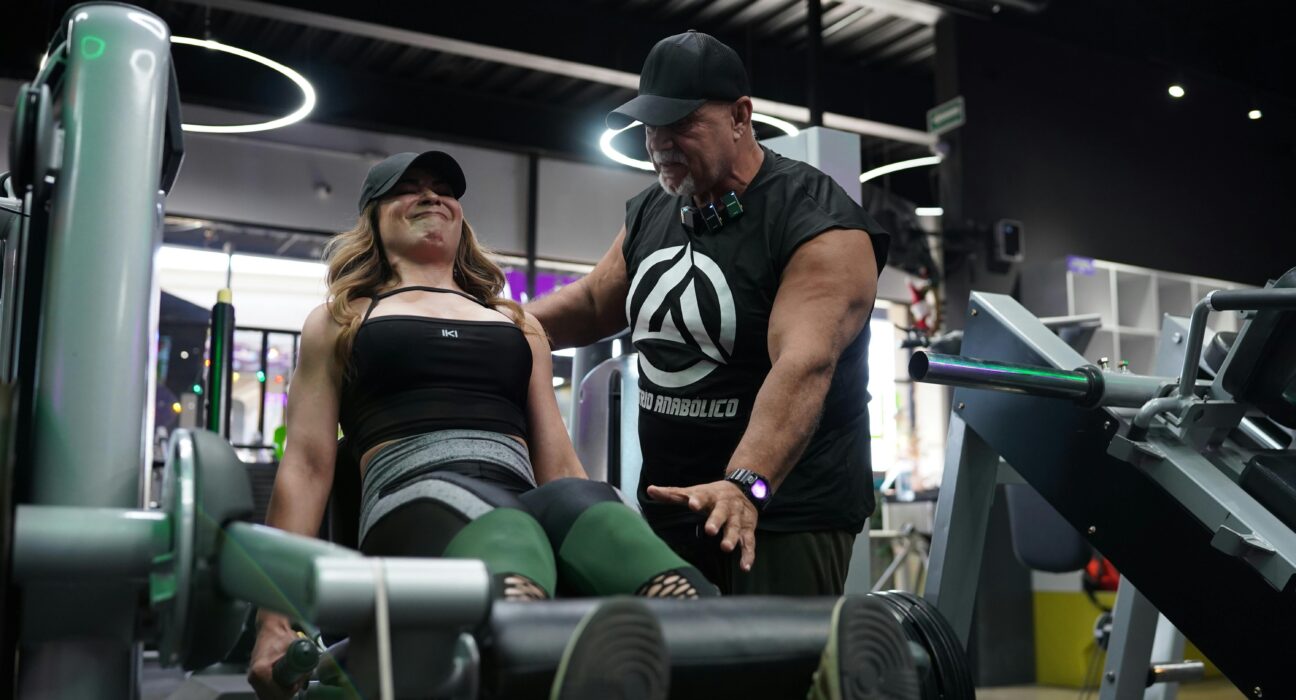
- Day 3: Full body workout with leg press, dumbbell press, lat pull-down, lunges, and core work
- Day 4: Rest
- Day 5: Upper and lower mix with deadlift variation, incline press, cable row, leg curls, biceps, and triceps
This routine is simple but effective. It trains major muscles without overloading the body too quickly.
Nutrition for Gym Progress
You cannot build a strong body with training alone. Food plays a major role in muscle growth, energy, and recovery.
Protein helps repair muscles. Carbohydrates provide energy for workouts. Healthy fats support hormones and overall health. Good food choices include eggs, chicken, fish, lentils, rice, oats, potatoes, fruits, vegetables, yogurt, milk, nuts, and water.
You do not need an extreme diet. Start by eating regular meals, adding protein to each meal, drinking enough water, and reducing junk food.
Rest and Recovery
Muscles do not grow only during workouts. They repair and grow during rest. If you train hard but sleep poorly, your progress will slow down.
Try to sleep well, take rest days seriously, and avoid training the same muscle hard every day. Recovery is part of the plan.
Common Gym Mistakes
Many beginners slow their progress because of small mistakes. One common mistake is changing the routine every week. Your body needs time to improve at the same movements.
Another mistake is ego lifting. Lifting too heavy with poor form can lead to injury and poor muscle activation. Controlled reps are better than messy heavy reps.
Skipping warm-up is also a mistake. A few minutes of light cardio and warm-up sets can prepare your body for heavier training.
Final Thoughts
A gym training guide should make fitness simple. Start with basic exercises, train three to four days per week, eat balanced meals, sleep properly, and track your progress.
You do not need magic supplements or complicated routines. You need patience, consistency, and smart training. Show up, lift with control, eat better, rest well, and give your body time to grow.
FAQs
1. How many days should beginners go to the gym?
Beginners can start with three to four days per week. This gives enough time for training and recovery without overloading the body.
2. Can gym training help with fat loss?
Yes, gym training can help with fat loss by building muscle, improving metabolism, and increasing daily calorie burn when combined with a balanced diet.
3. What is the best workout split for beginners?
A full-body workout three days per week is a good option for beginners. It helps train all major muscles and allows enough recovery time.
4. Should I lift heavy weights as a beginner?
Beginners should focus on proper form first. Heavy weights can be added slowly once the technique is safe and controlled.
5. What should I eat after gym training?
A balanced post-workout meal can include protein and carbohydrates, such as eggs with toast, chicken with rice, yogurt with fruit, or lentils with roti.
Author Bio
Pure Fit Day Fitness Team creates practical fitness and wellness content for people who want simple, realistic guidance. Our articles focus on strength training, healthy routines, nutrition basics, recovery, and long-term fitness habits.
References
- American College of Sports Medicine — Strength Training Guidance
- NHS — Exercise and Fitness
- MedlinePlus — Exercise and Physical Fitness
- Mayo Clinic — Fitness
Disclaimer
This article is for general fitness education only. It is not medical advice or a personalized workout plan. If you have an injury, heart condition, chronic illness, joint pain, or any medical concern, speak with a qualified healthcare professional or certified fitness trainer before starting a new gym routine.