

Mental Health Disorder Symptoms: Signs You Should Never Ignore
Mental health affects the way we think, feel, react, and connect with the world around us. Just as physical health can change over time, mental well-being can also be influenced by stress, life events, relationships, work pressure, financial concerns, or underlying medical conditions.
Many people assume mental health disorders appear suddenly, but in reality, they often develop gradually. Small changes in mood, sleep, energy, concentration, or behavior may be the first warning signs that something is affecting emotional well-being.
Understanding mental health disorder symptoms can help people recognize potential concerns early and seek support before challenges become more difficult to manage.
Why Early Signs Matter
Most mental health conditions do not begin with severe symptoms. They often start with subtle changes that may seem easy to dismiss.
Someone may feel more tired than usual, lose interest in hobbies, become unusually irritable, struggle to focus, or withdraw from family and friends. Because these changes can happen slowly, people sometimes assume they are simply having a bad week or dealing with temporary stress.
Recognizing symptoms early can make a significant difference. Early awareness often leads to earlier support, healthier coping strategies, and better long-term outcomes.
Mental Health Looks Different for Everyone
One of the biggest misconceptions about mental health is that symptoms always look the same.
In reality, two people with similar conditions may experience completely different challenges. One person may become quiet and withdrawn, while another may become restless, emotional, or easily frustrated.
Mental health disorders can affect:
- Thoughts
- Emotions
- Sleep patterns
- Energy levels
- Relationships
- Daily responsibilities
- Physical well-being
Emotional Symptoms to Watch For
Emotional changes are often among the earliest mental health disorder symptoms.
Some people may experience:
- Persistent sadness
- Excessive worry
- Feelings of hopelessness
- Increased irritability
- Frequent mood swings
- Emotional numbness
- Overwhelming fear
- Constant feelings of guilt
Everyone experiences difficult emotions occasionally. The concern arises when these feelings become intense, last for long periods, or interfere with everyday life.
Changes in Thinking and Concentration
Mental health can significantly affect how the brain processes information.
People experiencing mental health challenges may notice:
- Difficulty concentrating
- Forgetfulness
- Racing thoughts
- Constant overthinking
- Indecisiveness
- Trouble completing tasks
- Reduced productivity
Students may find it harder to focus during classes. Working professionals may struggle to complete responsibilities that once felt manageable.
These cognitive changes can create additional stress and frustration if left unaddressed.
Behavioral Changes That May Signal a Problem
Behavior often reflects what is happening internally.
Common behavioral symptoms include:
- Avoiding social situations
- Withdrawing from friends and family
- Loss of interest in favorite activities
- Changes in work or school performance
- Increased use of alcohol or substances
- Changes in daily routines
- Difficulty managing responsibilities
Sometimes family members notice these changes before the individual recognizes them.
Physical Symptoms Are Often Overlooked
Many people are surprised to learn that mental health disorders can cause physical symptoms.
Mental health disorder symptoms may include:
- Frequent headaches
- Muscle tension
- Digestive discomfort
- Fatigue
- Changes in appetite
- Sleep disturbances
- Low energy
- Unexplained body aches
Because these symptoms feel physical, people sometimes seek treatment for the body without realizing emotional stress may be contributing to the problem.
Common Mental Health Conditions
Different conditions can produce different symptoms.
Anxiety Disorders
Anxiety often involves excessive worry, nervousness, restlessness, and difficulty relaxing. Some people also experience physical symptoms such as a racing heart or shortness of breath.
Depression
Depression is more than temporary sadness. It may involve persistent low mood, lack of motivation, fatigue, feelings of worthlessness, and loss of interest in activities that were once enjoyable.
Bipolar Disorder
Bipolar disorder involves significant shifts in mood, energy, and activity levels. Individuals may experience periods of elevated mood followed by episodes of depression.
Post-Traumatic Stress Disorder
Post-traumatic stress disorder can develop after experiencing or witnessing traumatic events. Symptoms may include flashbacks, nightmares, emotional distress, and heightened alertness.
Eating Disorders
These conditions involve unhealthy relationships with food, body image, and eating behaviors. They can affect both physical and mental health.
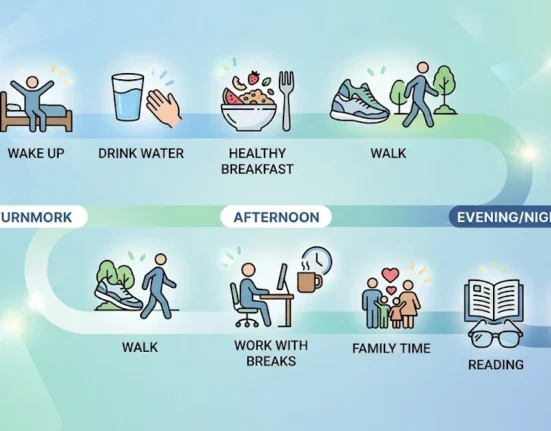
The Link Between Physical Fitness and Mental Health
Mental and physical health are closely connected.
Regular movement, exercise, and healthy routines can support emotional well-being by helping the body release chemicals that improve mood and reduce stress.
People who maintain active lifestyles often report benefits such as:
- Better sleep
- Improved mood
- Higher energy levels
- Reduced stress
- Better focus
If you’re working on building a healthier lifestyle, you may also find our guide helpful: Gym Training Guide for Strength and Muscle
Physical activity alone cannot replace professional treatment when needed, but it can be an important part of overall mental wellness.
When Should You Seek Professional Help?
It may be time to seek support if symptoms:
- Last for several weeks
- Affect work, school, or relationships
- Cause significant distress
- Interfere with daily activities
- Lead to feelings of hopelessness
- Become difficult to manage alone
Seeking help is not a sign of weakness. It is a proactive step toward better health.
Mental health professionals can provide evaluation, guidance, therapy, and treatment options tailored to individual needs.
Treatment and Recovery
Mental health disorders are treatable.
Treatment plans may include:
- Counseling or psychotherapy
- Medication when appropriate
- Lifestyle adjustments
- Stress-management techniques
- Physical activity
- Improved sleep habits
- Social support
Recovery looks different for everyone. Some people improve quickly, while others benefit from ongoing support and long-term management strategies.
The important thing is knowing that help is available.
Final Thoughts
Mental health disorder symptoms are often the body’s way of signaling that emotional well-being needs attention. These symptoms can affect thoughts, feelings, behaviors, and even physical health.
Recognizing warning signs early can help people access support sooner and improve long-term outcomes. Mental health challenges are common, treatable, and nothing to be ashamed of.
By paying attention to changes in mood, behavior, sleep, energy, and overall well-being, individuals can take meaningful steps toward a healthier and more balanced life.
FAQs
1. What are the most common mental health disorder symptoms?
Common symptoms include persistent sadness, excessive worry, mood swings, social withdrawal, fatigue, sleep problems, concentration difficulties, and loss of interest in daily activities.
2. Can mental health disorders cause physical symptoms?
Yes. Mental health conditions can contribute to headaches, digestive issues, fatigue, muscle tension, appetite changes, and sleep disturbances.
3. How do I know if stress is becoming a mental health concern?
If stress lasts for weeks, affects daily life, causes emotional distress, impacts sleep, work, or relationships, it may be time to seek professional support.
4. Can exercise improve mental health?
Regular physical activity can support mental well-being by reducing stress, improving mood, increasing energy levels, and promoting better sleep.
5. When should someone seek professional help?
A person should consider professional support when symptoms become persistent, interfere with daily life, affect relationships, or feel difficult to manage alone.
Author Bio
Pure Fit Day Mental Wellness Team creates educational content focused on emotional health, stress management, healthy habits, fitness, and overall well-being. Our goal is to help readers better understand mental health and make informed lifestyle choices that support long-term wellness.
References
- National Institute of Mental Health — Mental Health Information
- World Health Organization — Mental Health
- Mental Health Foundation — Understanding Mental Health
- MedlinePlus — Mental Health Disorders
- Mayo Clinic — Mental Illness Overview
Disclaimer
This article is for educational and informational purposes only. It should not be considered medical advice, diagnosis, or treatment. If you or someone you know is experiencing severe emotional distress, worsening symptoms, or a mental health crisis, seek immediate assistance from a qualified healthcare professional or emergency service.