
10 Best Muscle Building Exercises to Transform Your Physique
Let’s be honest, building a great body is hard work and it never happens overnight by pure luck. If you really want to stop looking skinny or soft, you need a solid plan instead of copying random fitness videos online. Wasting your time on complex, flashy movements will just drain your energy for nothing. You actually need a basic lifting routine that forces your muscles to adapt and grow.
This guide cuts out all the useless fluff so we can focus on real-life lifting hacks. We will look at the absolute best heavy movements, and see how eating and sleeping right completely changes your mirror view.
How Your Body Actually Grows Muscle
The whole muscle building process is actually quite simple when you break it down. When you lift heavy weights, you create tiny, microscopic rips inside your muscle fibers. Your body hates feeling weak, so it uses your rest time to patch those fibers back up. It makes them thicker and stronger so they can handle the heavy load next time around. That is exactly how real physical size happens over time.
But do not just rush out to load up the barbell right away. You first need to understand how these main lifts fit into your full weekly routine. To avoid making big rookie mistakes with your workout splits, make sure to read our Gym Training Guide for Strength & Muscle so you can set up your tracking the right way.
Compound vs Isolation: Where Should You Spend Your Energy?
Many lifters waste months in the gym because they get totally confused here. Compound moves are big lifts that use two or more joints at the exact same time. Think of a standard squat where your hips bend, your knees bend, and your ankles move all at once. This forces your quads, glutes, and core muscles to work as a team, which builds massive raw strength.
Isolation moves are totally different because they target just one single muscle group using one joint. Think of a basic bicep dumbbell curl or a leg extension machine. If you want a thick and powerful body, you should put 80% of your gym energy into compound lifts. You can save the isolation exercises for the very end of your session just to finish off the remaining muscles.
The Big Three Compound Lifts You Need
These heavy compound movements are the undisputed kings of weight lifting, so skipping them means you miss out on serious muscle size.
1. Squats
This is the ultimate lower body test where you put a heavy bar on your back, drop low, and push back up. It forces your entire legs and core to stabilize under heavy pressure, which triggers a huge growth signal.
2. Deadlifts
Nothing builds a thick, wide back like ripping heavy weight straight off the gym floor. This single movement hits your hamstrings, lower back, upper traps, and forearm grip all at the same time.
3. Bench Press
The classic upper body builder for anyone wanting a wider chest, thicker front shoulders, and strong triceps. Make sure to keep a heavy bench press in your weekly workout setup.
Finishing Up With Isolation Exercises
Once you are completely done with your heavy compound work, you can finally bring in isolation movements. These exercises let you hit specific small spots without draining your entire body. Maybe your arms need extra size or your side shoulders look a bit flat on the sides. Movements like lateral raises, dumbbell curls, and tricep pressdowns pump blood straight into those tissues to help lagging spots catch up fast.
Why Skipping Cardio is a Terrible Idea
A lot of guys make a huge mistake when they try to bulk up. They drop cardio completely because they worry that running will burn away their hard-earned muscle. That is just an old myth. Doing light cardio actually keeps your heart strong, and a strong heart pumps more oxygen and blood to your tissues during heavy lifting sets. This simple habit helps you recover much faster between your gym exercises.
Just make sure you do not overdo it. Always lift your heavy weights first when you have full energy, and save your endurance work for after the lifting session or keep it on separate rest days. If you want some realistic ideas, go read our guide on the best Cardio Exercises in Gym to build stamina without losing your muscle gains.
The Rule of Progressive Overload
You cannot grow if your gym sessions always feel comfortable and easy. If you use the exact same 20 kg weights every single week, your body will stay the same because it has no reason to change. You must force it to push a little harder over time. This does not mean adding heavy weight to the bar every day, but just trying for one extra rep or making your lifting form look a bit cleaner. Track your daily numbers so you know what to beat next week.
The Real Secret: Recovery and Sleep
This is where most lifters fail completely because they train like animals but only sleep four hours a night. Your muscles do not grow while you are sweating in the gym; they grow when you are deep asleep. If you skip rest, your fibers stay broken down, your stress spikes, and your strength drops. Get a solid 7 to 8 hours of sleep if you want to see the rewards of your hard work.
Fueling Your Body Right
Think of your physique like a fast sports car. You cannot put cheap, bad fuel in it and expect to win races on junk food. To pack on clean mass, you have to eat enough food and get plenty of protein every day. Protein gives your body the physical bricks to rebuild those torn muscles, while clean carbs like white rice and oats give you raw energy so you don’t crash mid-workout.
The Bottom Line
Changing how your body looks takes time and a lot of patience, so forget about fancy workout machines or secret supplement pills. Just stick to these basic muscle building exercises, focus on getting stronger over time, eat clean meals, and let your body rest up fully. The gains will definitely show up.
10 Best Muscle Building Exercises to Transform Your Physique
Muscle building exercises work best when your training is simple, consistent, and focused on real progress. A lot of beginners enter the gym and get confused by machines, social media workouts, and random exercise videos. The truth is, building muscle does not need to be complicated. You need the right movements, good form, enough food, and proper recovery.
If your goal is to look stronger, gain size, and build a better body shape, you should spend most of your time on exercises that train multiple muscles at once. These movements help you lift more weight, improve strength, and create the foundation for long-term muscle growth.
Why Muscle Building Exercises Matter
Your muscles grow when they are challenged. During weight training, muscle fibers experience small amounts of stress. After training, your body repairs those fibers and makes them stronger so they can handle more work next time.
This is why random workouts rarely bring good results. A proper plan gives your body a clear reason to grow. If you keep changing exercises every week, your muscles never get enough time to improve at the movements that matter.
Before you build a full routine, it helps to understand training structure. You can also read this gym training guide for strength and muscle to plan your weekly workouts properly.
Compound Exercises Should Come First
The best muscle building exercises are usually compound movements. These exercises use more than one joint and train several muscles at the same time. Squats, deadlifts, bench press, rows, and overhead press are good examples.
Isolation exercises are also useful, but they should usually come after the big lifts. Curls, lateral raises, triceps pushdowns, and leg extensions help shape specific muscles, but they should not replace heavy compound work.
1. Barbell Squat
The barbell squat is one of the strongest lower-body exercises. It trains the quads, hamstrings, glutes, lower back, and core. A proper squat also improves balance and full-body strength.
Keep your chest up, feet stable, and knees controlled. Do not rush the movement. Lower the weight with control and push through your feet to stand back up.
2. Deadlift
The deadlift builds serious strength through the back, hamstrings, glutes, traps, and grip. It teaches your body how to lift heavy weight from the ground with control.
Keep your back neutral, brace your core, and avoid pulling with a rounded spine. Start light until your form feels safe and natural.
3. Bench Press
The bench press is a classic upper-body builder. It mainly trains the chest, shoulders, and triceps. It is one of the most popular muscle building exercises because it helps improve pressing strength and chest size.
Keep your shoulder blades tight, feet planted, and wrists straight. Lower the bar with control instead of bouncing it off your chest.
4. Overhead Press
The overhead press helps build strong shoulders, triceps, and upper chest. It also trains your core because your body has to stay stable while pressing weight overhead.
This movement does not need very heavy weight to be effective. Focus on a smooth press, controlled breathing, and a strong standing position.
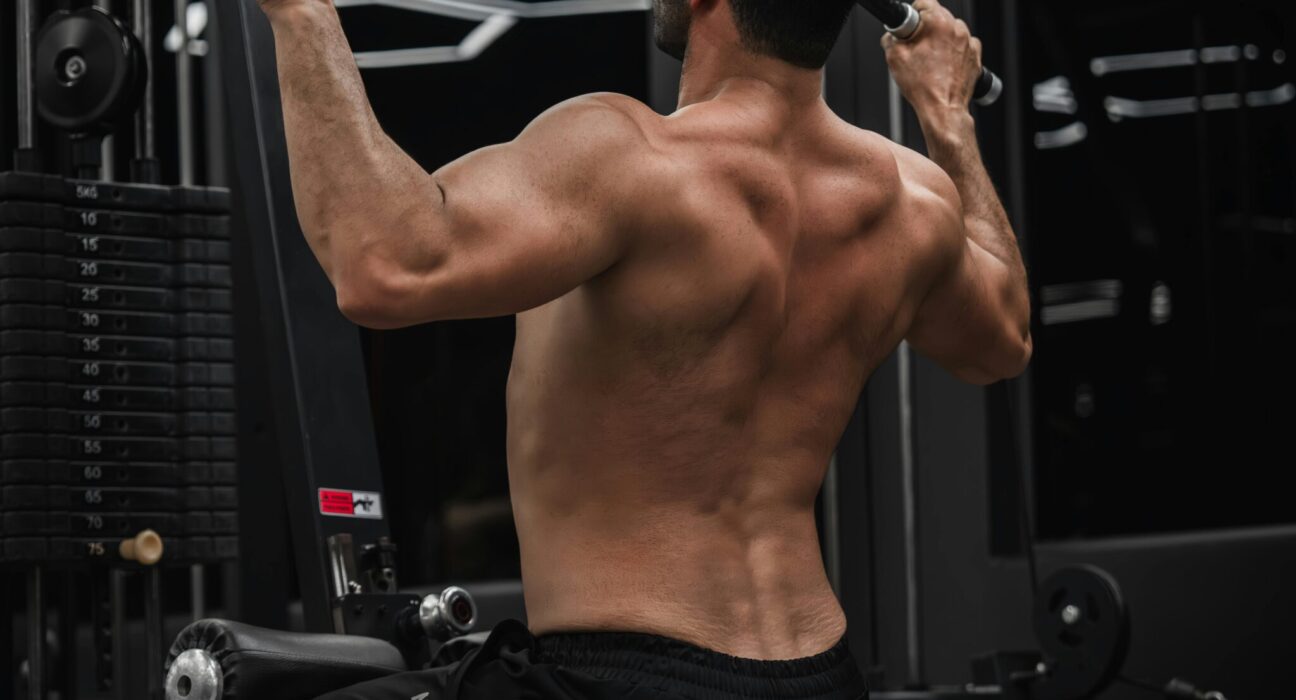
5. Pull-Ups or Lat Pull-Downs
Pull-ups are excellent for building a wider back and stronger arms. If pull-ups are too difficult, lat pull-downs are a great alternative.
Do not swing your body or rush the reps. Pull with your back, bring the elbows down, and control the weight on the way up.
6. Barbell or Dumbbell Rows
Rows are important for building thickness in the back. They train the lats, traps, rear shoulders, and biceps. A strong back also improves posture and helps balance chest training.
Keep your core tight and avoid using momentum. Pull the weight toward your body and squeeze your back at the top of the movement.
7. Lunges
Lunges are useful because they train each leg separately. They work the quads, glutes, hamstrings, and balance. They are also helpful for fixing strength differences between both legs.
You can do walking lunges, reverse lunges, or dumbbell lunges. Start with bodyweight first if balance is difficult.
8. Romanian Deadlift
The Romanian deadlift is great for hamstrings, glutes, and lower back strength. It is different from a regular deadlift because the movement focuses more on hip control and the stretch in the back of the legs.
Keep the weight close to your body, move your hips back, and avoid rounding your back. This exercise works best when done slowly and carefully.
9. Dips
Dips are powerful for building the chest, triceps, and shoulders. They can be done on parallel bars or with assisted machines if you are a beginner.
Keep your movement controlled and avoid going too low if your shoulders feel uncomfortable. Add weight only when bodyweight dips become easy.
10. Lateral Raises
Lateral raises are not a heavy compound lift, but they are very useful for shoulder shape. They target the side delts and help create a wider upper-body look.
Use light dumbbells and controlled reps. Do not swing the weight. The goal is tension, not ego lifting.
Use Progressive Overload
To get stronger and bigger, your workouts should slowly improve. This does not mean adding heavy weight every day. It can mean one extra rep, better form, slower control, or slightly more weight over time.
Track your lifts in a notebook or phone. If you do not track anything, it becomes difficult to know whether you are actually improving.
Do Not Ignore Recovery
Muscles do not grow only during training. They grow when your body recovers. Sleep, food, hydration, and rest days are part of the process.
If you train hard but sleep poorly and eat randomly, your progress will slow down. Aim for enough sleep, drink water, and give each muscle time to recover before training it hard again.
Nutrition for Muscle Growth
Training creates the signal, but food supports the growth. Protein helps repair muscle tissue. Carbohydrates give energy for hard workouts. Healthy fats support overall health.
Good food choices include eggs, chicken, fish, lean meat, lentils, rice, oats, potatoes, yogurt, milk, fruits, vegetables, nuts, and water. You do not need a perfect diet, but you do need enough quality food consistently.
Common Muscle Building Mistakes
Many beginners make the same mistakes. They lift too heavy too soon, skip warm-ups, train with poor form, change routines too often, or ignore sleep. These habits can slow progress and increase injury risk.
Keep your routine simple. Master the basics, train with control, and give your body time to adapt.
Final Thoughts
The best muscle building exercises are not fancy. Squats, deadlifts, presses, rows, pull-ups, lunges, dips, and controlled isolation work can transform your body when done consistently.
Do not chase shortcuts. Train hard, eat properly, sleep well, and track your progress. Muscle growth takes time, but if you stay consistent, your body will slowly become stronger, bigger, and more athletic.
FAQs
1. What are the best muscle building exercises for beginners?
The best exercises for beginners include squats, bench press, rows, lat pull-downs, lunges, overhead press, and Romanian deadlifts. These movements build strength and train major muscle groups.
2. How many days should I train for muscle growth?
Most beginners can train three to four days per week. This gives enough training volume while allowing the body to recover properly.
3. Should I use heavy weights for muscle building?
Heavy weights can help, but form comes first. Use a weight you can control and increase it slowly as your strength improves.
4. Are isolation exercises necessary?
Isolation exercises are useful for shaping smaller muscles like biceps, triceps, shoulders, and calves. However, compound lifts should remain the main part of your routine.
5. How long does it take to build visible muscle?
Visible progress usually takes several weeks to months, depending on training consistency, nutrition, sleep, genetics, and recovery.
Author Bio
Pure Fit Day Fitness Team creates practical fitness content for beginners and everyday gym users. Our guides focus on simple training plans, strength basics, muscle growth, nutrition, recovery, and realistic fitness habits that people can actually follow.
References
- American College of Sports Medicine — Resistance Training Guidance
- NHS — Exercise and Fitness
- MedlinePlus — Exercise and Physical Fitness
- Mayo Clinic — Fitness Basics
Disclaimer
This article is for general fitness education only. It is not a personalized workout plan or medical advice. If you have an injury, joint pain, heart condition, chronic illness, or any medical concern, speak with a qualified healthcare professional or certified fitness trainer before starting a new exercise routine.