

Home Fitness Guide: Full Body Strength Training Without Equipment
Home strength training is a practical way to build fitness when you do not have time, equipment, or a gym membership. A small space, your bodyweight, and a clear routine are enough to start improving strength, stamina, posture, and daily energy.
The biggest advantage of home training is convenience. You do not need to travel, wait for machines, or adjust your schedule around a gym. You can train in your bedroom, living room, or any safe open space. The key is not fancy equipment. The key is consistency, clean form, and gradual progress.
This guide gives you a simple full body plan, warm-up steps, core moves, recovery tips, food guidance, and common mistakes to avoid.
Before You Start: Set Up a Safe Training Space
Before beginning your workout, clear enough space around you. Move chairs, sharp objects, rugs that slip, or anything that can disturb your balance. A flat surface is best. If you have a yoga mat, use it for floor exercises.
Wear comfortable clothes and shoes if the floor is hard or slippery. Keep water nearby. Home workouts feel simple, but your body still needs proper preparation.
The 5-Minute Wake-Up Drill
Do not jump straight into push-ups or squats with a cold body. A short warm-up increases blood flow and prepares your joints for movement.
- 30 seconds: March in place
- 30 seconds: Arm circles
- 30 seconds: Shoulder rolls
- 60 seconds: Light jumping jacks
- 60 seconds: Bodyweight good mornings
- 90 seconds: Easy squats and slow lunges
This quick warm-up helps your body shift from sitting mode to training mode. It also lowers the chance of sudden tightness or poor movement during the workout.
Your Full Body Home Circuit
This routine trains the upper body, lower body, core, and conditioning in one session. Do three rounds. Rest for 45 to 60 seconds between exercises if needed.
1. Push-Ups
Push-ups train the chest, shoulders, triceps, and core. Keep your body straight and lower yourself with control. If full push-ups feel too hard, start with knee push-ups or incline push-ups using a strong table or wall.
Target: 8 to 15 clean reps
2. Bodyweight Squats
Squats build strength in the legs and glutes. Keep your feet about shoulder-width apart, push your hips back, and lower yourself like you are sitting on a chair. Stand back up by pressing through your heels.
Target: 15 to 20 reps
3. Reverse Lunges
Reverse lunges are useful for balance, leg strength, and control. Step one foot back, lower your body, then return to standing. Move slowly and avoid letting your front knee collapse inward.
Target: 10 reps per leg
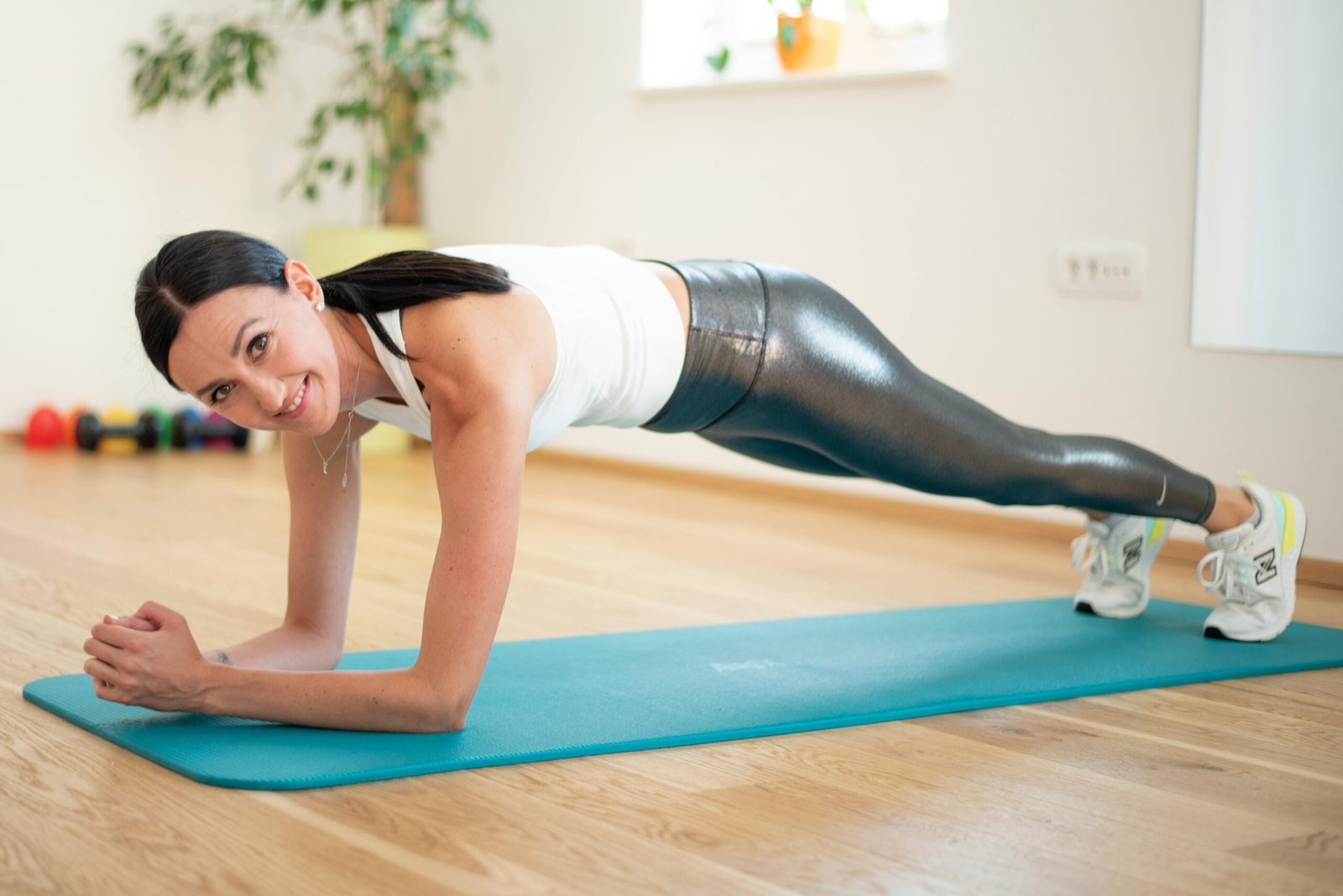
4. Plank Hold
The plank builds core strength and supports better posture. Keep your elbows under your shoulders, tighten your stomach, and avoid dropping your hips.
Target: 30 to 60 seconds
5. Mountain Climbers
Mountain climbers add a cardio element to your strength routine. Start in a high push-up position and bring your knees toward your chest one at a time. Keep your hips steady.
Target: 20 to 30 seconds
How to Make Home Training Harder
Your body adapts quickly. If you repeat the same routine for months without changing anything, progress slows down. To keep improving, you need to make the workout harder over time.
- Slow down each rep.
- Add one extra round.
- Reduce rest time slightly.
- Pause at the hardest part of the movement.
- Use harder variations like decline push-ups or split squats.
- Wear a backpack with books for squats and lunges.
Small changes are enough. You do not need to make every workout brutal. The goal is steady improvement.
Food Before and After Home Workouts
Training at home still requires energy. If you exercise while extremely hungry, your performance may drop. If you eat a heavy meal right before training, you may feel slow or uncomfortable.
Good pre-workout options include a banana, oats, yogurt, toast with peanut butter, or dates with milk. After training, focus on protein and carbs to help recovery. Eggs with toast, chicken with rice, lentils with roti, or yogurt with fruit can work well.
For more simple food timing ideas, read this guide on best pre-workout foods.
Cool Down After the Last Round
After finishing the workout, do not sit down immediately. Give your heart rate time to come down. Walk slowly around the room for one minute, then stretch the muscles you used.
- Calf stretch
- Hamstring stretch
- Quad stretch
- Chest stretch
- Child’s pose
- Lower back stretch
Hold each stretch for about 20 seconds. Do not bounce. The goal is to relax the body, not force flexibility.
Recovery Rules That Actually Help
Recovery is where your body repairs and gets stronger. If you train hard every day without rest, your progress can slow down.
- Drink water after training.
- Eat a balanced meal with protein.
- Sleep at a regular time.
- Take rest days when muscles feel tired.
- Do light walking on off days.
Beginners can train three days per week. This gives enough practice without overloading the body.
When to Move Beyond Beginner Home Workouts
If push-ups, squats, lunges, and planks become easy, it may be time to follow a more advanced plan. You can increase difficulty at home first, but some people later move toward gym training, heavier resistance, or planned muscle-building phases.
If you want to organize your training into muscle gain and fat loss phases, check this bulk and cut workout plan.
Common Home Workout Mistakes
One mistake is rushing through exercises just to finish quickly. Fast, sloppy reps reduce muscle tension and increase injury risk.
Another mistake is skipping lower body work. Push-ups are useful, but a balanced body also needs squats, lunges, glute work, and core training.
A third mistake is training without progression. If you never add reps, rounds, control, or harder variations, your body will stop adapting.
The Bottom Line
Home strength training can build a stronger, fitter body without equipment. Start with basic exercises, focus on clean form, warm up properly, and make small progress each week.
You do not need a luxury gym to improve your fitness. You need a safe space, a simple plan, regular effort, good food, and proper recovery.
FAQs
1. Can I build strength at home without equipment?
Yes, bodyweight exercises like push-ups, squats, lunges, planks, and mountain climbers can build strength when performed with good form and steady progression.
2. How many days should I do home strength training?
Beginners can start with three days per week. This gives the body enough time to recover between sessions.
3. What is the best home exercise for beginners?
Squats, incline push-ups, reverse lunges, and planks are beginner-friendly exercises that train major muscle groups safely.
4. How can I make home workouts harder without weights?
You can slow down reps, add pauses, reduce rest time, increase sets, try harder variations, or use a backpack filled with books.
5. Should I eat before a home workout?
A light snack can help if you feel low on energy. Good options include fruit, oats, yogurt, toast, or dates with milk.
Author Bio
Pure Fit Day Home Fitness Team creates simple workout guides for people who want practical fitness routines without expensive equipment. Our content focuses on bodyweight training, strength, recovery, nutrition, and realistic healthy habits.
References
- ACE Fitness — Exercise Library
- NSCA — Strength Training Articles
- The Cooper Institute — Fitness Articles
- Better Health Channel — Physical Activity
- Harvard Health — Exercise and Fitness
Disclaimer
This article is for general fitness education only. It is not medical advice or a personalized workout plan. If you have back pain, joint pain, heart disease, breathing problems, injury history, pregnancy-related concerns, or any medical condition, speak with a qualified healthcare professional or certified fitness trainer before starting a new exercise routine.





Leave feedback about this