
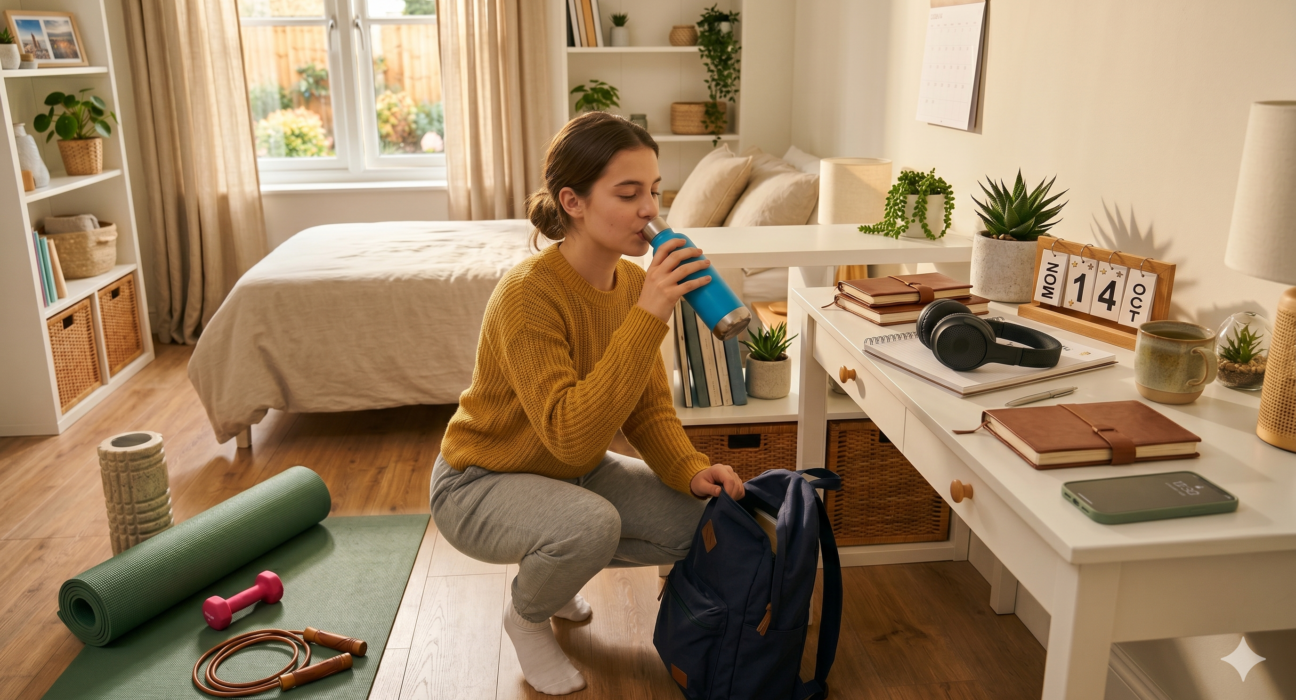
Daily Wellness Routine for Teens
A daily wellness routine for teens is not about following a perfect schedule from morning to night. It is about creating simple patterns that support energy, focus, emotional balance, physical health, and personal growth throughout the day.
Teenagers often balance school, homework, activities, friendships, family responsibilities, screen time, and future goals. Without structure, the day can feel rushed and overwhelming. A healthy routine helps teens stay organized while still allowing flexibility and independence.
The goal is not to control every hour.
The goal is to create a day that supports wellness from morning until bedtime.
Why Routines Help Teenagers Succeed
Many successful habits begin with consistency rather than motivation.
Teenagers who follow a simple routine often find it easier to:
- Stay focused at school
- Manage time effectively
- Sleep better
- Reduce stress
- Stay physically active
- Complete responsibilities
- Build confidence
- Maintain healthier habits
A routine creates structure, and structure often makes healthy choices easier.
Morning Reset: Starting the Day Strong
The first hour of the day often influences everything that follows.
Instead of immediately checking phones or rushing out the door, teens can create a healthier morning reset.
Step 1: Wake Up at a Consistent Time
Waking up at roughly the same time each day helps regulate energy and sleep patterns.
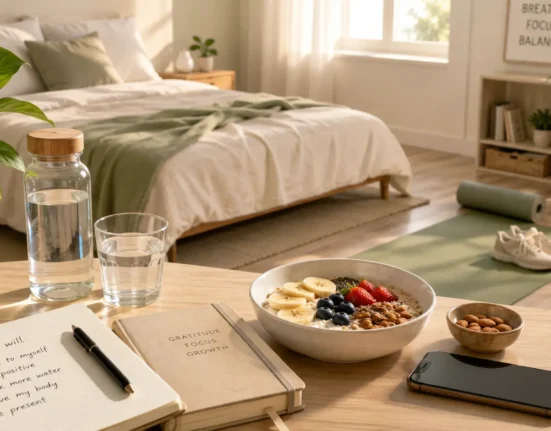
Step 2: Drink Water First
After several hours of sleep, the body benefits from hydration.
A glass of water in the morning is a simple way to start the day.
Step 3: Personal Care
Morning hygiene may include:
- Brushing teeth
- Washing face
- Brushing hair
- Getting dressed
Small habits can help teens feel more prepared and confident.
Step 4: Eat a Balanced Breakfast
A healthy breakfast may include:
- Eggs and whole grain toast
- Oatmeal with fruit
- Yogurt with berries
- Smoothie with milk and fruit
Breakfast provides fuel for learning and concentration.
School Hours Wellness Habits
Wellness does not stop when school begins.
Teenagers can maintain healthy habits throughout the day.
Stay Hydrated
Carry a water bottle whenever possible.
Avoid Skipping Meals
Lunch helps maintain energy levels for afternoon classes and activities.
Take Mental Breaks
Short breaks between classes can help reduce mental fatigue.
Maintain Good Posture
Simple posture awareness may improve comfort during long periods of sitting.
Stay Positive Socially
Supportive friendships can improve emotional well-being and school experience.
After-School Recharge Routine
After school, many teens feel mentally tired.
Instead of immediately scrolling on a phone or spending hours online, a short recharge routine can help.
Take a Break
Relax for a few minutes after arriving home.
Eat a Balanced Snack
Examples include:
- Fruit and yogurt
- Whole grain crackers with cheese
- Smoothie
- Nuts if suitable
Move Your Body
Physical activity may include:
- Walking
- Sports practice
- Cycling
- Stretching
- Home workouts
Movement can help improve mood and reduce stress.
Evening Productivity Routine
Evenings are often when teens complete school responsibilities.
Create a Study Zone
A productive study space should be:
- Clean
- Quiet
- Organized
- Free from unnecessary distractions
Use Focused Study Sessions
Many students benefit from shorter focused sessions rather than long periods of studying without breaks.
Plan Tomorrow
Before finishing homework, teens can:
- Check assignments
- Organize books
- Pack school bags
- Prepare clothing
Small preparation can reduce morning stress.
Building Healthy Eating Habits Throughout the Day
Nutrition supports every part of teen wellness.
A balanced day of eating may include:
Breakfast
Protein, fiber, and fluids.
Lunch
Balanced meals with protein, vegetables, grains, and hydration.
Snacks
Nutritious options that provide energy without excessive sugar.
Dinner
A satisfying meal that supports recovery and growth.
If you want more detailed nutrition guidance, you can also read our guide on Healthy Eating Tips for Teenagers.
Managing Screen Time Wisely
Screens are part of modern life, but they should not control the day.
Helpful screen habits include:
- Avoid screens during meals
- Take breaks from devices
- Keep phones away during study sessions
- Avoid endless scrolling before bed
- Balance online and offline activities
Technology should support life, not replace it.
Night Recovery Routine
The final hour before sleep is important.
Healthy nighttime habits help the body and mind prepare for rest.
Slow Down Mentally
Good evening activities may include:
- Reading
- Journaling
- Gentle stretching
- Listening to calm music
- Preparing for the next day
Reduce Bright Screens
Reducing screen exposure before bed may help relaxation.
Keep a Consistent Bedtime
A regular sleep schedule supports recovery and daily performance.
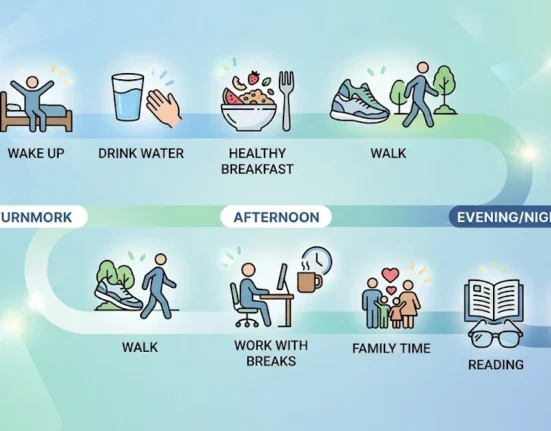
The 24-Hour Wellness Formula
A healthy day does not require perfection.
A simple formula looks like this:
Morning
- Wake up
- Drink water
- Eat breakfast
Daytime
- Learn
- Stay hydrated
- Eat balanced meals
Afternoon
- Move
- Recharge
- Complete responsibilities
Evening
- Study
- Connect with family
- Prepare for tomorrow
Night
- Relax
- Reduce screens
- Sleep on time
Small actions repeated every day often create the biggest results.
Weekend Routine Adjustments
Weekends should feel different, but not completely unstructured.
Healthy weekend habits may include:
- Sleeping slightly later, not excessively
- Spending time outdoors
- Exercising
- Catching up on hobbies
- Preparing for the upcoming week
A balanced weekend can help teens feel refreshed without disrupting healthy routines.
Daily Wellness and Healthy Habits
Daily routines work best when they are supported by long-term habits.
If you want more ideas about building strong habits at home, you can also read our guide on Healthy Habits for Teenagers at Home.
Healthy habits make routines easier to maintain over time.
Final Thoughts
A daily wellness routine for teens is not about creating a strict schedule.
It is about building a balanced day that supports energy, learning, movement, emotional wellness, and healthy sleep.
Simple habits such as drinking water, eating balanced meals, staying active, studying with focus, managing screen time, and sleeping consistently can have a positive impact over time.
The goal is not perfection.
The goal is creating a routine that helps teenagers feel healthier, more organized, more confident, and better prepared for everyday life.
FAQs
1. What is a daily wellness routine for teens?
A daily wellness routine includes healthy habits related to sleep, nutrition, hydration, movement, study, emotional wellness, and personal care.
2. Why are routines important for teenagers?
Routines help teens stay organized, manage stress, improve focus, and maintain healthier habits.
3. What should teens do first thing in the morning?
Drinking water, practicing personal hygiene, and eating breakfast are good ways to start the day.
4. How can teens stay productive after school?
Taking a short break, eating a healthy snack, staying active, and following a study plan can help.
5. How much screen time is too much?
The focus should be on balance. Screen use should not interfere with sleep, physical activity, responsibilities, or relationships.
6. What are healthy evening habits for teens?
Studying, preparing for the next day, limiting screens, relaxing, and sleeping at a regular time are helpful habits.
7. How can teens build a routine that lasts?
Start small, stay consistent, and focus on realistic habits rather than trying to change everything at once.
8. What is the most important part of a teen wellness routine?
Consistency. Small healthy actions repeated daily often have the biggest long-term impact.
Author Bio
About the Author
Emily Harper is a youth wellness writer who focuses on teen lifestyle habits, healthy routines, productivity, and personal development. She helps teenagers build practical daily systems that support balance, confidence, and overall well-being.
References
- Sleep Foundation – Teen Sleep and Daily Health
- Nemours KidsHealth – Healthy Habits for Teens
- HealthyChildren.org – Adolescent Health Resources
- American Psychological Association – Teen Well-Being
- NHS Live Well – Lifestyle and Wellness Guidance
Disclaimer
Teen Lifestyle Disclaimer
This article is intended for educational purposes only and should not be considered medical, nutritional, or mental health advice. Teenagers and parents should consult qualified healthcare professionals for concerns regarding sleep, nutrition, physical health, emotional well-being, or developmental needs.