
Healthy Eating Tips for Teenagers
Healthy eating for teenagers is important because the teen years are a time of fast growth, changing routines, school pressure, physical activity, emotional development, and increasing independence. During this stage, the body needs steady nutrition to support energy, focus, growth, mood, fitness, and overall wellness.
Many teenagers eat quickly, skip meals, rely on snacks, or choose sugary drinks because of busy schedules. This is common, but small improvements in daily food habits can make a real difference.
Healthy eating does not mean following a strict diet or avoiding every favorite food. It means building balanced habits that provide the body with the nutrients it needs while still allowing flexibility.
Why Healthy Eating Matters for Teenagers
Teenagers need good nutrition to support both body and mind.
Healthy eating may support:
- Better energy
- Stronger focus
- Healthy growth
- Muscle development
- Better mood
- Physical activity
- Skin health
- Overall teen wellness
Food choices can affect how teens feel during school, sports, study time, and daily life.
Start with Breakfast
Breakfast can help teenagers begin the day with energy and focus.
Good breakfast ideas include:
- Eggs with whole grain toast
- Oatmeal with fruit
- Greek yogurt with berries
- Smoothie with milk and fruit
- Whole grain cereal
- Peanut butter toast if suitable
Breakfast does not need to be complicated. A simple meal with protein, fiber, and fluids can help teens feel more prepared for the day.
Include Protein in Meals
Protein supports growth, muscles, recovery, and daily strength.
Good protein options include:
- Eggs
- Chicken
- Fish
- Beans
- Lentils
- Yogurt
- Cheese
- Tofu
- Nuts or nut butter if suitable
Adding protein to breakfast, lunch, and dinner can help teenagers stay full and energized for longer.
Eat More Fruits
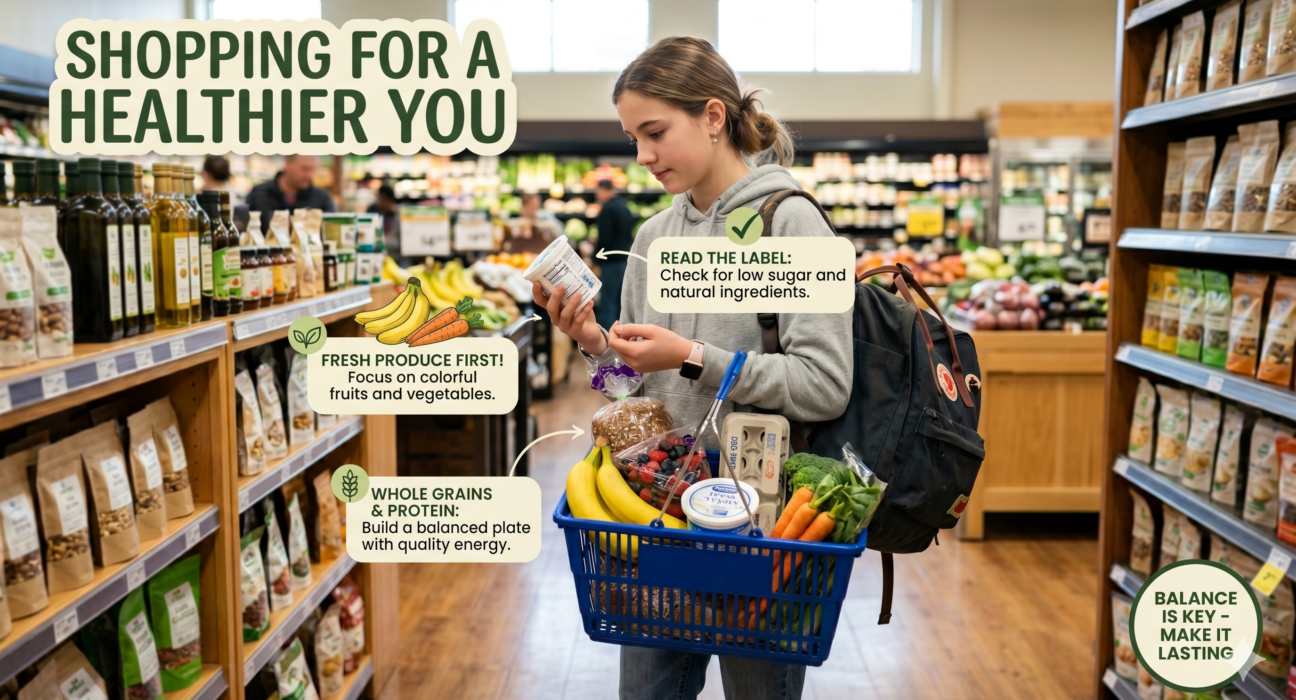
Fruits provide vitamins, minerals, fiber, water, and natural sweetness.
Good fruit options include:
- Apples
- Bananas
- Oranges
- Berries
- Mangoes
- Grapes
- Melons
Fruit can be added to breakfast, packed in lunch, or eaten as an easy snack after school.
Add Vegetables Daily
Vegetables provide important nutrients that support growth, digestion, and overall wellness.
Good options include:
- Carrots
- Cucumbers
- Spinach
- Broccoli
- Bell peppers
- Peas
- Sweet potatoes
Teenagers may enjoy vegetables more when they are added to familiar meals such as rice, pasta, sandwiches, wraps, eggs, or soups.
Choose Whole Grains
Whole grains provide fiber and steady energy.
Good whole grain choices include:
- Oatmeal
- Brown rice
- Whole wheat bread
- Whole grain pasta
- Whole grain crackers
- Quinoa
Whole grains can help teenagers feel satisfied and may support better digestion and energy balance.
Drink Enough Water
Hydration is an important part of healthy eating for teenagers.
Teens may forget to drink water during school, study, sports, or screen time.
Helpful hydration habits include:
- Drink water after waking
- Keep a water bottle nearby
- Drink water with meals
- Drink water after exercise
- Limit sugary drinks
Water supports focus, digestion, energy, and daily comfort.
Limit Sugary Drinks
Sugary drinks can add a lot of extra sugar without providing balanced nutrition.
Common sugary drinks include:
- Soda
- Energy drinks
- Sweet tea
- Sugary juices
- Flavored drinks
Teenagers do not need to avoid every sweet drink forever, but water and milk are usually better daily choices.
Choose Healthy Snacks
Snacks can be useful when teens are hungry between meals.
Healthy snack ideas include:
- Yogurt with fruit
- Apple slices with peanut butter if suitable
- Whole grain crackers with cheese
- Boiled eggs
- Fruit smoothie
- Nuts or seeds if suitable
- Hummus with vegetables
Snacks should support energy rather than replace balanced meals.
Avoid Skipping Meals
Many teenagers skip meals because of school timing, busy routines, low appetite, or body image concerns.
Skipping meals may lead to:
- Low energy
- Poor focus
- Mood changes
- Overeating later
- Weakness during activities
Simple meals are better than no meal at all.
Healthy Eating and Daily Routine
Healthy food habits work best when they are part of a daily routine.
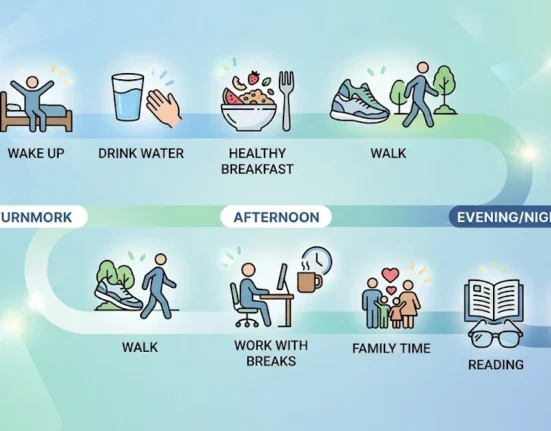
If you want to build a stronger routine around food, sleep, study, and activity, you can also read our guide on Daily Wellness Routine for Teens.
A good routine can make healthy eating easier and more consistent.
Build Balanced Plates
A balanced plate can help teens understand healthy eating simply.
A meal may include:
- Protein
- Fruits or vegetables
- Whole grains
- Healthy fats
- Water
Example meals include:
- Chicken with rice and vegetables
- Eggs with whole grain toast and fruit
- Lentil soup with bread
- Fish with potatoes and salad
- Yogurt with oats and berries
Balanced meals do not need to be fancy. They only need to provide useful nutrition.
Healthy Fats Are Important
Healthy fats support growth, energy, and overall wellness.
Good sources include:
- Avocado
- Nuts
- Seeds
- Olive oil
- Fatty fish
- Nut butter if suitable
Healthy fats should be eaten in moderate portions as part of balanced meals.
Be Careful with Fast Food
Fast food can be convenient, but eating it too often may reduce overall diet quality.
Teens can still enjoy fast food occasionally, but daily meals should include more whole foods.
Better choices may include:
- Grilled options
- Water instead of soda
- Smaller portions
- Adding salad or fruit
- Avoiding extra fried sides too often
Balance matters more than perfection.
Support Teen Energy During School
School days can feel long, especially with classes, homework, exams, and activities.
Helpful food habits include:
- Eat breakfast
- Pack a healthy snack
- Drink water
- Include protein at lunch
- Avoid relying only on chips or sweets
Steady nutrition can support attention and energy throughout the school day.
Eating for Physical Activity
Teenagers who play sports, exercise, walk a lot, or stay active may need extra nutrition.
Helpful foods include:
- Whole grains for energy
- Protein for recovery
- Fruits for vitamins
- Water for hydration
- Yogurt or milk for calcium and protein
Eating well before and after activity can help teens feel stronger and more comfortable.
Avoid Food Pressure
Healthy eating should not feel stressful.
Parents can support teens by offering balanced meals without forcing or criticizing food choices.
Helpful support includes:
- Keeping healthy snacks available
- Eating together when possible
- Encouraging breakfast
- Avoiding negative comments about body size
- Modeling balanced food habits
Teenagers are more likely to build healthy habits when food feels positive.
Simple Meal Ideas for Teenagers
Breakfast
- Oatmeal with fruit
- Eggs with toast
- Yogurt with berries
- Smoothie with milk and banana
Lunch
- Chicken sandwich with fruit
- Rice with beans and vegetables
- Egg wrap with cucumber
- Lentil soup with bread
Dinner
- Fish with potatoes and salad
- Chicken with brown rice
- Pasta with vegetables and protein
- Bean stew with whole grain bread
Snacks
- Fruit
- Yogurt
- Cheese with crackers
- Smoothie
- Nuts or seeds if suitable
Simple meals can still provide strong nutrition.
Foods Teens May Want to Limit
Some foods can be enjoyed occasionally but should not become everyday choices.
These include:
- Sugary drinks
- Candy
- Chips
- Fast food
- Packaged desserts
- Energy drinks
- Highly processed snacks
The goal is not to ban these foods. The goal is balance.
Final Thoughts
Healthy eating for teenagers can support energy, growth, focus, mood, fitness, and overall wellness.
Teens do not need perfect meals every day. They need balanced food habits that are realistic and consistent.
Simple changes such as eating breakfast, drinking water, adding protein, choosing fruits and vegetables, eating whole grains, and limiting sugary drinks can make a meaningful difference.
With patience and routine, teenagers can build healthy eating habits that support school, activities, confidence, and long-term wellness.
FAQs
1. What is healthy eating for teenagers?
Healthy eating for teenagers includes balanced meals with protein, fruits, vegetables, whole grains, healthy fats, and enough water.
2. Why is breakfast important for teens?
Breakfast can support energy, focus, mood, and better daily routine.
3. What foods should teenagers eat daily?
Teenagers should try to include fruits, vegetables, protein foods, whole grains, dairy or fortified alternatives, healthy fats, and water.
4. Are snacks okay for teenagers?
Yes. Healthy snacks such as fruit, yogurt, nuts, smoothies, eggs, and whole grain crackers can support energy between meals.
5. Should teenagers avoid fast food completely?
No. Fast food can be occasional, but it should not replace regular balanced meals.
6. Why do teens need protein?
Protein supports growth, muscles, recovery, strength, and daily activity.
7. What drinks are best for teenagers?
Water and milk are usually better daily choices than soda, energy drinks, or sugary drinks.
8. How can parents encourage healthy eating in teens?
Parents can keep healthy foods available, avoid pressure, model balanced eating, and support regular meals.
Author Bio
About the Author
PureFitDay Editorial Team creates practical health, wellness, and lifestyle content for families and everyday readers. Our goal is to provide simple guidance on teen health, teen wellness, nutrition, hygiene, fitness, sleep, emotional wellness, and healthy daily routines.
References
- Centers for Disease Control and Prevention (CDC) – Adolescent and School Health
https://www.cdc.gov - World Health Organization (WHO) – Adolescent Health
https://www.who.int - UNICEF – Adolescent Nutrition
https://www.unicef.org - Mayo Clinic – Teen Health
https://www.mayoclinic.org - Harvard Health Publishing – Teen Nutrition
https://www.health.harvard.edu
Disclaimer
Medical Disclaimer
The information provided in this article is for educational and informational purposes only and should not be considered medical advice. Parents, caregivers, and teenagers should consult a qualified healthcare professional for concerns about teen health, nutrition, growth, allergies, eating habits, digestion, mental health, or overall wellness. Individual needs may vary.