
Child Wellness Tips for Happy Growth
Child wellness tips are not only about food, sleep, or exercise. True child wellness means supporting a child’s body, mind, emotions, confidence, learning, and daily habits together. A child may be growing physically, but healthy growth also includes feeling safe, loved, active, curious, and emotionally supported.
Every family has a different routine, and no parent needs to create a perfect lifestyle. Small daily choices can shape how children eat, sleep, play, learn, communicate, and care for themselves.
The purpose of child wellness is simple: help children grow in a balanced, happy, and healthy way.
What Does Child Wellness Really Mean?
Child wellness is the complete care of a child’s overall well-being.
It includes:
- Physical health
- Emotional comfort
- Healthy eating
- Quality sleep
- Hygiene habits
- Learning and curiosity
- Social confidence
- Family connection
A child’s wellness is not built in one day. It develops through repeated habits, positive guidance, and a supportive home environment.
The 7 Pillars of Healthy Growth
A strong child wellness routine can be understood through seven simple pillars.
These pillars work together to support happy growth.
1. Nutrition for Growth
Children need balanced meals to support energy, learning, and development.
Healthy meals may include:
- Fruits
- Vegetables
- Whole grains
- Protein foods
- Dairy or fortified alternatives
- Water
The goal is not to make every meal perfect. The goal is to offer nourishing foods regularly and help children build a healthy relationship with eating.
2. Sleep for Recovery
Sleep supports growth, learning, mood, and energy.
A healthy sleep routine may include:
- Regular bedtime
- Calm evening habits
- Less screen time before sleep
- Comfortable bedroom
- Quiet bedtime activities
Children often feel better during the day when sleep is consistent.
3. Movement for Strength
Children naturally need movement.
Running, jumping, dancing, cycling, outdoor play, and family walks can all support physical development.
Daily movement may help children build:
- Strength
- Balance
- Coordination
- Confidence
- Energy
Movement should feel like play, not pressure.
4. Hygiene for Daily Care
Good hygiene helps children learn responsibility and personal care.
Important habits include:
- Washing hands
- Brushing teeth
- Bathing regularly
- Wearing clean clothes
- Keeping nails clean
- Covering coughs and sneezes
These habits become easier when they are part of a predictable routine.
5. Emotional Wellness
Children need emotional support as much as physical care.
Parents can support emotional wellness by:
- Listening patiently
- Naming feelings
- Praising effort
- Spending quality time
- Creating a calm home environment
- Encouraging open communication
A child who feels heard often feels safer, calmer, and more confident.
6. Learning and Curiosity
Child wellness also includes mental development.
Children learn through:
- Reading
- Asking questions
- Storytelling
- Creative play
- Drawing
- Problem-solving games
- Conversations with adults
Learning should feel encouraging and age-appropriate.
7. Social Confidence
Children develop social skills through family, friends, school, and play.
Parents can guide children to practice:
- Sharing
- Kindness
- Respect
- Teamwork
- Apologizing
- Listening
- Taking turns
These skills help children build healthy relationships.
Healthy Family Environment
A child’s environment plays a major role in wellness.
Children often feel more secure when home routines are predictable and calm.
A healthy family environment may include:
- Regular meal times
- Clear bedtime routines
- Screen-free family moments
- Encouraging conversations
- Safe play areas
- Positive discipline
- Time outdoors when possible
Family habits can shape a child’s lifestyle more than instructions alone.
Building Lifelong Habits Early
The habits children learn early can follow them into later life.
For example, a child who learns to drink water, enjoy active play, wash hands, sleep on time, and talk about feelings may carry those habits into older childhood and adulthood.
Parents do not need to teach everything at once.
Start with one or two habits, repeat them daily, and slowly build from there.
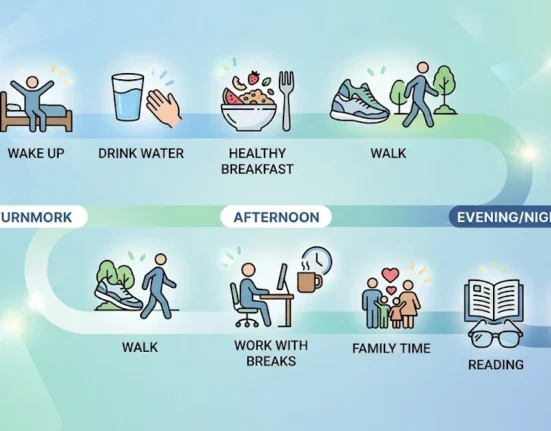
Daily Wellness Checklist for Parents
Here is a simple checklist parents can use:
Morning
- Did the child drink water?
- Did the child eat breakfast?
- Did the child brush teeth?
- Is the school bag ready?
Afternoon
- Did the child eat a balanced meal?
- Did the child move or play actively?
- Did the child take a screen break?
- Did the child have time to relax?
Evening
- Did the child eat dinner calmly?
- Was screen time reduced before bed?
- Did the child wash up or brush teeth?
- Was there a calm bedtime routine?
This checklist is not about pressure. It is only a simple guide.
Child Wellness and Immunity
Healthy growth is closely connected with daily wellness habits.
If you want more guidance on supporting natural wellness through food, sleep, hygiene, and daily routines, you can also read our guide on Immunity Boosting Habits for Kids.
Good routines can support both child wellness and overall health.
What Parents Should Avoid
Some habits may make child wellness harder.
Parents may want to avoid:
- Using food as punishment or reward
- Allowing screens too close to bedtime
- Skipping sleep routines often
- Ignoring emotional stress
- Comparing children too much
- Overloading schedules
- Making wellness feel strict or stressful
Children respond better when healthy habits feel normal and positive.
Final Thoughts
Child wellness tips are most effective when they fit naturally into everyday family life.
Healthy growth is supported by nutrition, sleep, movement, hygiene, emotional care, learning, and social confidence. None of these areas needs to be perfect. They simply need consistent attention.
When parents focus on small daily habits, children can grow with better confidence, comfort, energy, and emotional security.
Happy growth begins with simple routines repeated with love and patience.
FAQs
1. What are the main areas of child wellness?
Child wellness includes physical health, nutrition, sleep, hygiene, emotional well-being, learning, social skills, and family support.
2. How can parents improve child wellness at home?
Parents can improve child wellness by building simple routines around meals, sleep, activity, hygiene, communication, and play.
3. Is emotional wellness part of child health?
Yes. Emotional wellness helps children feel safe, confident, understood, and better able to manage daily experiences.
4. What is the best daily habit for children?
There is no single best habit. Balanced meals, good sleep, movement, hygiene, and emotional support all matter.
5. How can parents help children build confidence?
Parents can praise effort, listen patiently, encourage independence, and allow children to try age-appropriate tasks.
6. Why are routines important for children?
Routines help children feel secure, organized, and more comfortable with daily expectations.
7. Can small habits really support healthy growth?
Yes. Small habits repeated daily can support long-term wellness and development.
8. How do screen habits affect child wellness?
Too much screen time may affect sleep, movement, focus, and family interaction, so balance is important.
Author Bio
About the Author
Sarah Mitchell is a family wellness writer who focuses on child health, parenting routines, emotional wellness, and healthy daily habits. She creates practical content to help families support children’s growth through simple, realistic lifestyle choices.
References
- HealthyChildren.org – Child Development and Family Health
- UNICEF Parenting – Child Wellbeing
- Nemours KidsHealth – Growth and Development
- ZERO TO THREE – Early Childhood Development
- NHS Start for Life – Child Development and Healthy Routines
Disclaimer
Child Development Disclaimer
This article is for educational purposes only and should not replace professional medical, nutritional, developmental, or mental health advice. Parents and caregivers should consult a qualified professional for concerns about a child’s growth, behavior, sleep, nutrition, emotional health, or development.