
Immunity Boosting Habits for Kids
A strong immune system helps children stay active, energetic, and ready for everyday adventures. While no habit can guarantee that a child will never get sick, healthy routines can help support the body’s natural defenses and overall wellness.
Many parents focus on vitamins or supplements when thinking about immunity. However, some of the most powerful immunity-supporting habits are simple daily choices such as eating balanced meals, sleeping well, staying active, drinking enough water, and maintaining good hygiene.
The goal is not perfection. The goal is creating a healthy lifestyle that supports growth, development, and long-term well-being.
Understanding How the Immune System Works
The immune system acts as the body’s natural protection system.
Every day, children encounter germs at school, playgrounds, sports activities, family gatherings, and public places. The immune system helps recognize and respond to these challenges.
A healthy immune system may support:
- Daily energy
- Healthy growth
- Physical development
- Faster recovery
- Active play
- Better focus
- Overall wellness
Healthy habits help provide the support the body needs to function properly.
Why Daily Habits Matter More Than Quick Fixes
Many products claim to “boost immunity,” but long-term wellness is usually built through consistent habits rather than single foods or supplements.
Children benefit most from:
- Nutritious meals
- Regular sleep
- Physical activity
- Hydration
- Hygiene
- Emotional support
These habits work together to support overall health throughout the year.
Start the Day with an Immunity-Friendly Morning Routine
Morning habits often set the tone for the rest of the day.
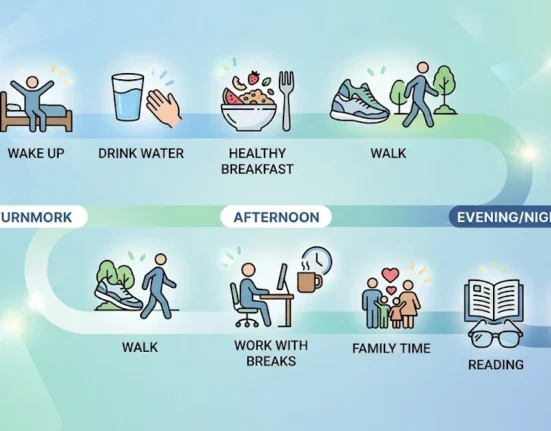
A healthy morning routine may include:
Wake Up at a Consistent Time
Regular schedules help support healthy sleep patterns.
Drink Water Early
Hydration helps the body function properly throughout the day.
Eat a Balanced Breakfast
Breakfast provides energy and nutrients needed for school and activity.
Practice Personal Hygiene
Brushing teeth and washing hands help support cleanliness and wellness.
Starting the day well can support healthier routines overall.
Build Balanced Meals Throughout the Day
Children need nutrients from a variety of foods.
A balanced plate may include:
Fruits
Examples:
- Apples
- Oranges
- Berries
- Bananas
- Mangoes
Vegetables
Examples:
- Carrots
- Broccoli
- Peas
- Spinach
- Bell peppers
Protein Foods
Examples:
- Eggs
- Chicken
- Fish
- Beans
- Lentils
- Yogurt
Whole Grains
Examples:
- Oatmeal
- Brown rice
- Whole wheat bread
- Whole grain pasta
No single food creates immunity. Consistent variety is what matters most.
The Often-Ignored Role of Sleep
Many parents focus on food but overlook sleep.
Sleep allows the body to recover and recharge.
Children who regularly sleep well may experience:
- Better focus
- More energy
- Improved mood
- Better daily routines
Helpful sleep habits include:
- Consistent bedtime
- Quiet evening routine
- Limited screens before bed
- Comfortable sleep environment
Healthy sleep is one of the most important wellness habits children can develop.
Keep Children Moving Every Day
Physical activity supports overall health and wellness.
Children can stay active through:
- Running
- Dancing
- Cycling
- Outdoor play
- Sports
- Family walks
- Indoor movement games
If you want additional ideas for active play, you can also read our guide on Screen Time Balance Tips for Children.
Movement helps balance daily routines and encourages healthy habits.
Teach Hygiene as a Daily Skill
Good hygiene supports wellness every day.
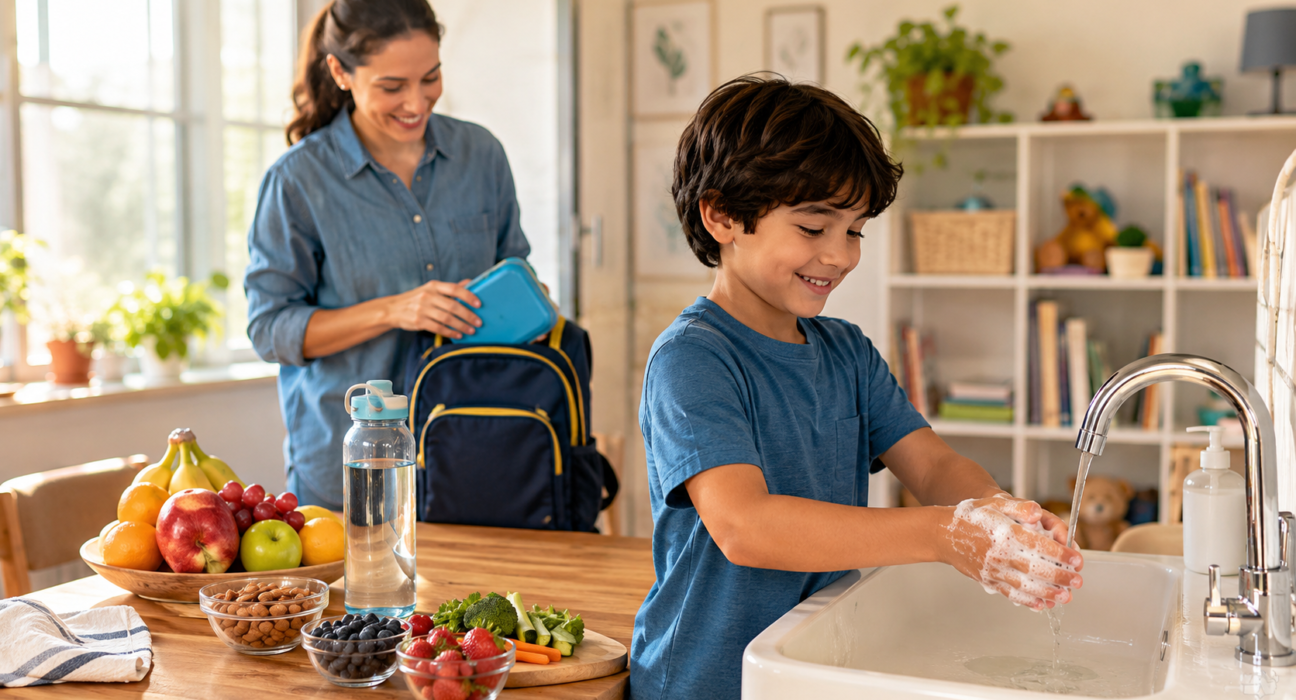
Hand Washing
Children should wash hands:
- Before meals
- After using the bathroom
- After outdoor play
- After coughing or sneezing
- After touching pets
Personal Cleanliness
Bathing, brushing teeth, and wearing clean clothes help support daily health.
These habits become valuable life skills as children grow.
Hidden Habits That Can Affect Wellness
Some daily habits may interfere with healthy routines.
Examples include:
- Skipping breakfast
- Drinking too many sugary beverages
- Staying up late regularly
- Spending too much time on screens
- Lack of physical activity
- Poor hydration
Small improvements in these areas can have a positive impact over time.
Emotional Wellness Supports Physical Wellness
Children’s emotional health matters too.
Stress, worry, and emotional challenges can affect daily routines.
Parents can support emotional wellness by:
- Listening carefully
- Spending quality time together
- Encouraging communication
- Maintaining predictable routines
- Offering reassurance and support
Children often thrive when they feel safe, connected, and understood.
School Season Wellness Tips
School brings opportunities for learning and social interaction, but it also exposes children to more germs.
Helpful school-season habits include:
- Packing healthy snacks
- Sending a water bottle
- Encouraging hand washing
- Maintaining sleep schedules
- Providing balanced meals
Consistency at home can help support healthy routines during busy school months.
Building Healthy Habits Year-Round
Immunity-supporting habits work best when practiced consistently.
Parents do not need to focus on perfection.
Small daily actions such as:
- Drinking water
- Eating fruits and vegetables
- Sleeping well
- Staying active
- Practicing hygiene
can gradually become lifelong healthy habits.
Final Thoughts
Immunity boosting habits for kids are not built through one food, one vitamin, or one routine.
They are built through consistent daily habits that support overall wellness.
Balanced nutrition, hydration, physical activity, sleep, hygiene, and emotional support all play important roles in helping children stay healthy and active.
The goal is not perfection.
The goal is creating healthy routines that children can carry with them as they grow.
FAQs
1. What are the best immunity boosting habits for kids?
Healthy eating, quality sleep, hydration, physical activity, hygiene, and emotional support are some of the most important habits.
2. Can one food boost immunity?
No. Overall eating patterns and balanced nutrition are more important than any single food.
3. Why is sleep important for children’s wellness?
Sleep supports growth, recovery, focus, mood, and daily energy.
4. How much water should children drink?
Needs vary by age and activity level, but regular hydration throughout the day is important.
5. Does physical activity support overall wellness?
Yes. Daily movement supports physical health, energy, sleep, and healthy development.
6. Why is hand washing important?
Hand washing helps reduce the spread of germs and supports daily hygiene.
7. Can stress affect children’s health?
Emotional well-being plays an important role in overall wellness and daily routines.
8. What is the easiest immunity habit to start today?
Creating a consistent routine that includes water, healthy meals, movement, and sleep is a great place to begin.
Author Bio
About the Author
Laura Bennett is a family health and wellness writer who specializes in children’s nutrition, healthy routines, and preventive wellness habits. She focuses on practical strategies that help parents support healthy development through everyday choices.
References
- HealthyChildren.org – Healthy Living for Children
- Nemours KidsHealth – Immune System Basics
- Academy of Nutrition and Dietetics – Children’s Nutrition
- NHS – Raising Healthy Children
- Johns Hopkins Medicine – Child Wellness Resources
Disclaimer
Child Wellness Disclaimer
This article is intended for educational purposes only and should not be considered medical advice. Parents and caregivers should consult a qualified healthcare professional regarding concerns about a child’s health, immune function, nutrition, growth, allergies, illnesses, or developmental needs. Individual health requirements may vary.