


Why Your Feet Deserve Daily Attention
Your feet carry you to the mailbox, around the grocery store, and out to the porch. When you live with diabetes, those same feet need a little extra attention every day, because diabetes can quietly change how much feeling you have in your feet, and how well blood reaches them. When feeling fades, a pebble inside a shoe or a blister on a heel can go unnoticed. When blood flow is poor, a small sore can take a long time to heal, and a tiny problem can grow into a serious one before it ever hurts.
The hopeful part is simple. The Centers for Disease Control and Prevention (CDC) says most people with diabetes can prevent serious foot problems with regular care at home and by keeping every doctor’s appointment. Here is the routine, step by step.
Why Diabetes Affects Your Feet
Two problems cause most diabetes-related foot trouble. Knowing what they are makes the daily routine make sense.
Nerve damage. Over time, high blood sugar can damage nerves, a condition called diabetic neuropathy. The nerves in your feet and legs are most often affected. About half of all people with diabetes have some kind of nerve damage, according to the CDC. It can cause numbness, tingling, or pain, and some people have no symptoms at all. The danger is the loss of feeling. When you cannot feel pain, heat, or cold well in your feet, you may not notice a cut, a blister, or a sore, and small problems can become serious when they are not treated early.
Nerve damage can also change foot shape, as muscles weaken and tendons shorten. In rare cases it leads to Charcot’s foot, which starts with redness, warmth, and swelling and can later shift the bones in the foot. Redness, warmth, or swelling in a foot means a prompt call to your doctor.
Poor blood flow. Diabetes can also lower the amount of blood that reaches your feet, so a sore or infection has a harder time healing. Nerve damage and poor blood flow together put you at risk for a foot ulcer, a sore or wound that does not heal well. If an infection does not get better with treatment, doctors may need to remove a toe, foot, or part of a leg to stop the infection from spreading and save your life. It is largely preventable. Daily foot care and early treatment greatly lower the risk.
Risk factors include hard-to-manage blood sugar, long-standing diabetes, extra weight, age over 40, high blood pressure, and high cholesterol. Keeping your blood sugar in your target range as much as possible is one of the most important things you can do to prevent nerve damage or stop it from getting worse. A balanced eating plan and steady daily habits helps with that, along with medicines as prescribed, activity, and not smoking. Smoking lowers blood flow to the feet, so if you smoke, ask your doctor for help to stop. A free national quitline is available at 1-800-QUIT-NOW.
The Daily 2-Minute Foot Check
Check your feet every day, even if they feel fine. A good time is each evening, when you take off your shoes (NIDDK).
- Sit down in good light. Keep a small hand mirror nearby for the soles of your feet, or use your phone flashlight.
- Look at the top of each foot — skin, toes, toenails — for cuts, sores, red spots, swelling, or color changes.
- Look at the sole of each foot. Hold the mirror so you can see the bottom, or ask a family member to look for you. Ask someone else if you cannot see or reach well.
- Look between your toes, where moisture hides. Spread the toes gently and look at the skin.
- Check your heels and the edges of your nails for dry, cracked skin, blisters, corns, calluses, ingrown toenails, and warm spots. A warm spot can be the first sign of a blister or sore, so notice temperature as well as looks.
If you find a blister, cut, or sore, cover it with a bandage. Then watch it. If it does not start to heal after a few days, call your health care provider right away. Do not wait for your next regular visit.
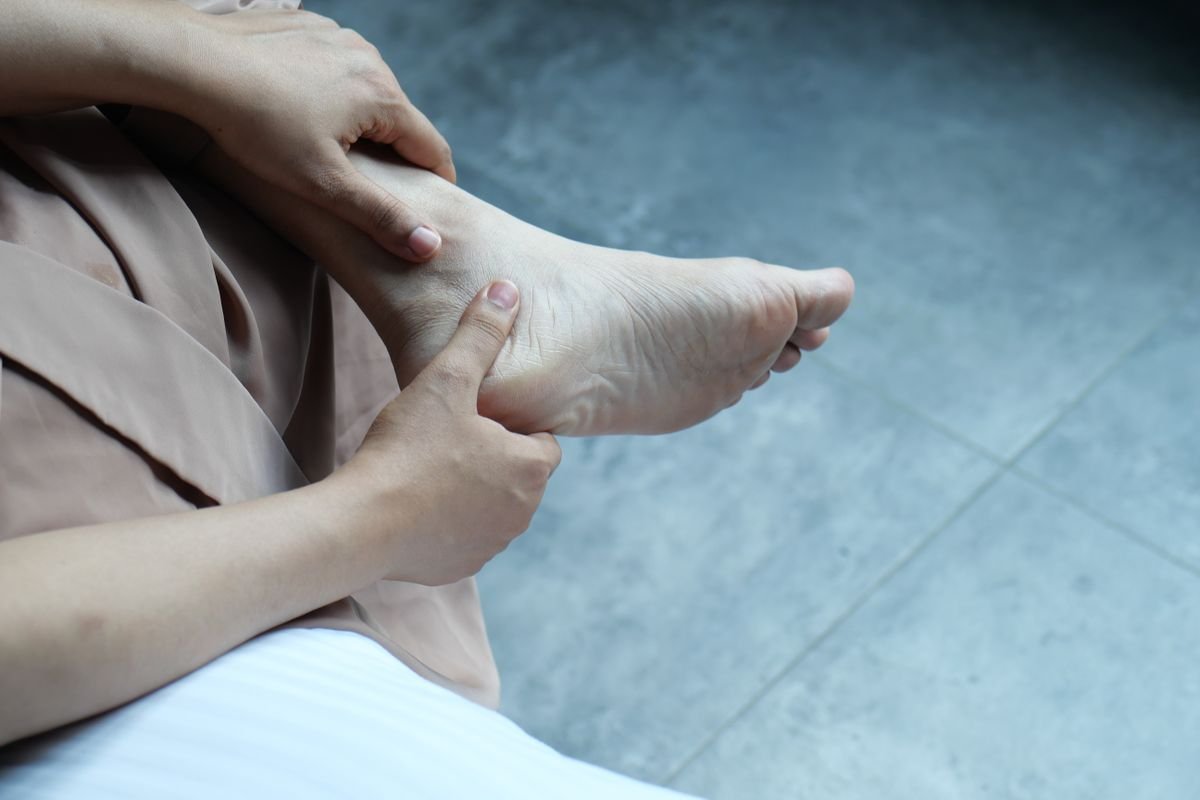
Washing, Drying, and Moisturizing
Wash your feet every day with warm water, not hot, and mild soap. Test the water first: 90 to 95 degrees Fahrenheit is safe, or test with your elbow. When nerve damage dulls feeling, water that feels fine to your hand can still scald your feet, so test every time.
Do not soak your feet; soaking dries the skin. A quick wash is enough. Dry your feet completely, especially between your toes, where skin tends to stay moist and invite infection. A little talcum powder or cornstarch between the toes keeps that skin dry.
Rub a thin coat of lotion, cream, or petroleum jelly on the tops and bottoms of your feet. Do not put lotion or cream between your toes, because trapped moisture there can cause an infection.
Make foot washing part of your daily hygiene routine, at the same time each day. Keep your feet away from heaters, open fires, and heating pads. Cold feet at night? Wear socks in bed instead of a hot water bottle. In winter, wear lined, waterproof boots.
Nails and Skin
Trim toenails when needed, after washing and drying your feet, while the nails are soft. Use toenail clippers and cut straight across, without cutting into the corners. Smooth each nail gently with an emery board or nail file.
Have a podiatrist trim your toenails if you cannot see, feel, or reach your feet, if they are thick or yellowed, or if they curve into the skin. It is the safer choice.
Thick patches of skin can rub and turn into sores, and with nerve damage they can become ulcers, so talk with your foot doctor about the best way to care for them. If your doctor tells you to, use a pumice stone after bathing or showering, rubbing gently in one direction only, to avoid tearing the skin.
Do not cut corns and calluses, and do not use corn plasters (medicated pads) or liquid corn and callus removers. Cutting and over-the-counter removal products can damage your skin and cause an infection.
For a salon pedicure, bring your own nail tools, and ask your provider what else keeps you safe.
Shoes and Socks
Never walk barefoot, even indoors. Always wear shoes and socks or slippers. You could step on something small and sharp, feel no pain, and not know you hurt yourself.
Before you put shoes on, check inside them. Run your hand over the lining to make sure it is smooth and free of pebbles or other objects. A seam or a small stone can rub your skin raw, and you might not feel it.
Wear socks with your shoes. Choose clean, lightly padded socks that fit well, with no seams if you can find them. Do not wear tight socks or elastic stockings, and do not hold up loose socks with rubber bands. Tight socks press on the skin and slow blood flow.
Wear shoes that fit well and protect your feet. Walking and athletic shoes are good daily wear: they support your feet and let them breathe. Do not wear vinyl or plastic shoes, because they do not stretch or breathe. Shop at the end of the day, when feet are largest, and leave enough room for your toes. Break in new shoes slowly, wearing them a few hours at first, then check your feet for sore spots.
If you have bunions or hammertoes, toes that curl under, you may need extra-wide or deep shoes. Do not wear pointed toes or high heels, because they put too much pressure on your toes. If your feet have changed shape, you may need special shoes or inserts, called orthotics. Medicare Part B and other insurance programs may help pay for them, so ask your plan what it covers.
Keep blood flowing: put your feet up when you sit, wiggle your toes several times a day, and circle your ankles. A short daily walk, a bike ride, or a swim are all easy on the feet, but check with your doctor about which activities are best for you.
Warning Signs: See a Doctor Promptly
Serious foot problems can develop quickly. Call your health care provider right away if you have any of these:
- A cut, blister, or bruise on your foot that does not start to heal after a few days
- Skin on your foot that becomes red, warm, or painful, which can be a sign of infection
- A callus with dried blood inside it, which can be the first sign of a wound under the callus
- A foot infection that turns black and smells bad, which can be a sign of gangrene
- Pain in your legs, or cramping in your buttocks, thighs, or calves, during physical activity
- Tingling, burning, or pain in your feet
- Loss of the sense of touch, or trouble feeling heat or cold
- A change in the shape of your feet over time
- Loss of hair on your toes, feet, or lower legs
- Dry, cracked skin on your feet
- A change in the color or temperature of your feet
- Thickened, yellow toenails
- A fungus infection such as athlete’s foot between your toes
- A blister, sore, ulcer, infected corn, or ingrown toenail
Ask your health care team to check your feet at each visit, and take off your shoes and socks in the exam room so they remember. Get a thorough foot exam at least once a year, including feeling and pulses. With foot shape changes, loss of feeling, poor blood flow, or past ulcers, get one at each visit. Ask your provider to refer you to a foot doctor if needed.
Frequently Asked Questions
How often should I check my feet?
Every day, even if they feel fine. A daily check catches problems early, when they are easiest to treat. Evening, when you take off your shoes, works well.
Can I use a heating pad or hot water bottle on cold feet?
No. Nerve damage can keep you from feeling heat, so a burn can happen without you knowing. Wear socks in bed if your feet get cold, and lined, waterproof boots in winter.
Should I trim my own toenails?
Yes, if you can see and reach your feet well: cut straight across and file the edges smooth. If you cannot see, feel, or reach your feet, or if your nails are thick or curved, have a podiatrist trim them for you.
Are special shoes worth it?
They can be, with changed foot shape, bunions, or hammertoes. Special shoes and inserts take pressure off sore spots. Ask your doctor whether you need them, and ask your insurance plan whether it helps pay for them.
What should I do if I find a small cut on my foot?
Cover it with a bandage and watch it closely. If it does not start to heal after a few days, or if the skin turns red, warm, or painful, call your health care provider right away.
About the Author
PureFitDay Editorial Team creates practical health, wellness, and nutrition content for readers who want simple guidance for healthier living.
References
1. National Institute of Diabetes and Digestive and Kidney Diseases. “Diabetes & Foot Problems.” https://www.niddk.nih.gov/health-information/diabetes/overview/preventing-problems/foot-problems
2. Centers for Disease Control and Prevention. “Your Feet and Diabetes.” https://www.cdc.gov/diabetes/diabetes-complications/diabetes-and-your-feet.html
3. MedlinePlus, U.S. National Library of Medicine. “Diabetic Foot.” https://medlineplus.gov/diabeticfoot.html
Medical Disclaimer
This article is for general information only and is not medical advice. Diabetes care is personal, and what is right for one person may not be right for another. Talk to your doctor, foot doctor, or pharmacist before you change your foot care routine, and call your health care provider promptly about any cut, sore, or change in your feet.






1 Comment