

Immunity Boosting Habits for Kids
A strong immune system helps children stay active, energetic, and ready for everyday adventures. While no habit can guarantee that a child will never get sick, healthy routines can help support the body’s natural defenses and overall wellness.
Many parents focus on vitamins or supplements when thinking about immunity. However, some of the most powerful immunity-supporting habits are simple daily choices such as eating balanced meals, sleeping well, staying active, drinking enough water, and maintaining good hygiene.
The goal is creating a healthy lifestyle that supports growth, development, and long-term well-being.
Understanding How the Immune System Works
The immune system acts as the body’s natural protection system.
Every day, children encounter germs at school, playgrounds, sports activities, family gatherings, and public places. The immune system helps recognize and respond to these challenges.
A healthy immune system may support:
- Daily energy
- Healthy growth
- Physical development
- Faster recovery
- Active play
- Better focus
- Overall wellness
Healthy habits help provide the support the body needs to function properly.
Why Daily Habits Matter More Than Quick Fixes
Many products claim to “boost immunity,” but long-term wellness is usually built through consistent habits rather than single foods or supplements.
Children benefit most from:
- Nutritious meals
- Regular sleep
- Physical activity
- Hydration
- Hygiene
- Emotional support
These habits work together to support overall health throughout the year.
Start the Day with an Immunity-Friendly Morning Routine
Morning habits often set the tone for the rest of the day.
A healthy morning routine may include:
Wake Up at a Consistent Time
Regular schedules help support healthy sleep patterns.
Drink Water Early
Hydration helps the body function properly throughout the day.
Eat a Balanced Breakfast
Breakfast provides energy and nutrients needed for school and activity.
Practice Personal Hygiene
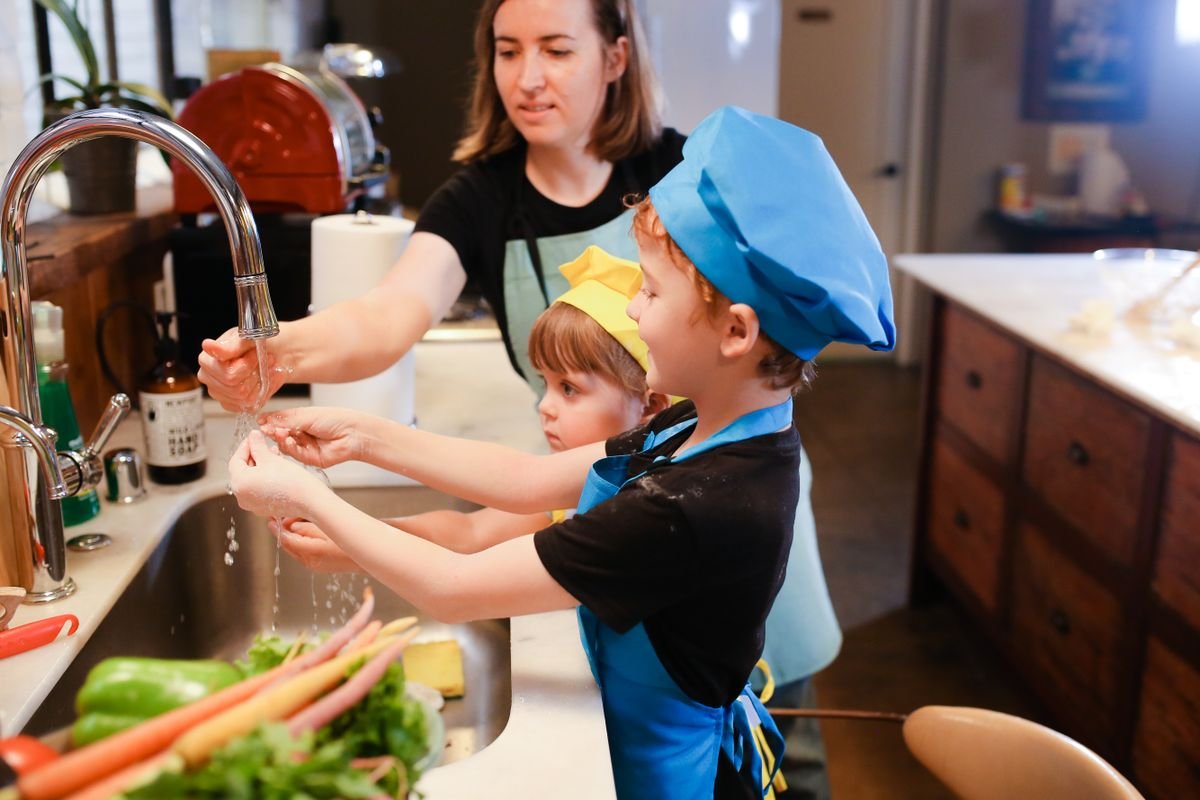
Brushing teeth and washing hands help support cleanliness and wellness.
Starting the day well can support healthier routines overall.
Build Balanced Meals Throughout the Day
Children need nutrients from a variety of foods.
A balanced plate may include:
Fruits
Examples:
- Apples
- Oranges
- Berries
- Bananas
- Mangoes
Vegetables
Examples:
- Carrots
- Broccoli
- Peas
- Spinach
- Bell peppers
Protein Foods
Examples:
- Eggs
- Chicken
- Fish
- Beans
- Lentils
- Yogurt
Whole Grains
Examples:
- Oatmeal
- Brown rice
- Whole wheat bread
- Whole grain pasta
No single food creates immunity. Consistent variety is what matters most.
The Often-Ignored Role of Sleep
Many parents focus on food but overlook sleep.
Sleep allows the body to recover and recharge.
Children who regularly sleep well may experience:
- Better focus
- More energy
- Improved mood
- Better daily routines
Helpful sleep habits include:
- Consistent bedtime
- Quiet evening routine
- Limited screens before bed
- Comfortable sleep environment
Healthy sleep is one of the most important wellness habits children can develop.
Keep Children Moving Every Day
Physical activity supports overall health and wellness.
Children can stay active through:
- Running
- Dancing
- Cycling
- Outdoor play
- Sports
- Family walks
- Indoor movement games
If you want additional ideas for active play, you can also read our guide on Screen Time Balance Tips for Children.
Movement helps balance daily routines and encourages healthy habits.
Teach Hygiene as a Daily Skill
Good hygiene supports wellness every day.
Hand Washing
Children should wash hands:
- Before meals
- After using the bathroom
- After outdoor play
- After coughing or sneezing
- After touching pets
Personal Cleanliness
Bathing, brushing teeth, and wearing clean clothes help support daily health.
These habits become valuable life skills as children grow.
Hidden Habits That Can Affect Wellness
Some daily habits may interfere with healthy routines.
Examples include:
- Skipping breakfast
- Drinking too many sugary beverages
- Staying up late regularly
- Spending too much time on screens
- Lack of physical activity
- Poor hydration
Small improvements in these areas can have a positive impact over time.
Emotional Wellness Supports Physical Wellness
Children’s emotional health matters too.
Stress, worry, and emotional challenges can affect daily routines.
Parents can support emotional wellness by:
- Listening carefully
- Spending quality time together
- Encouraging communication
- Maintaining predictable routines
- Offering reassurance and support
Children often thrive when they feel safe, connected, and understood.
School Season Wellness Tips
School brings opportunities for learning and social interaction, but it also exposes children to more germs.
Helpful school-season habits include:
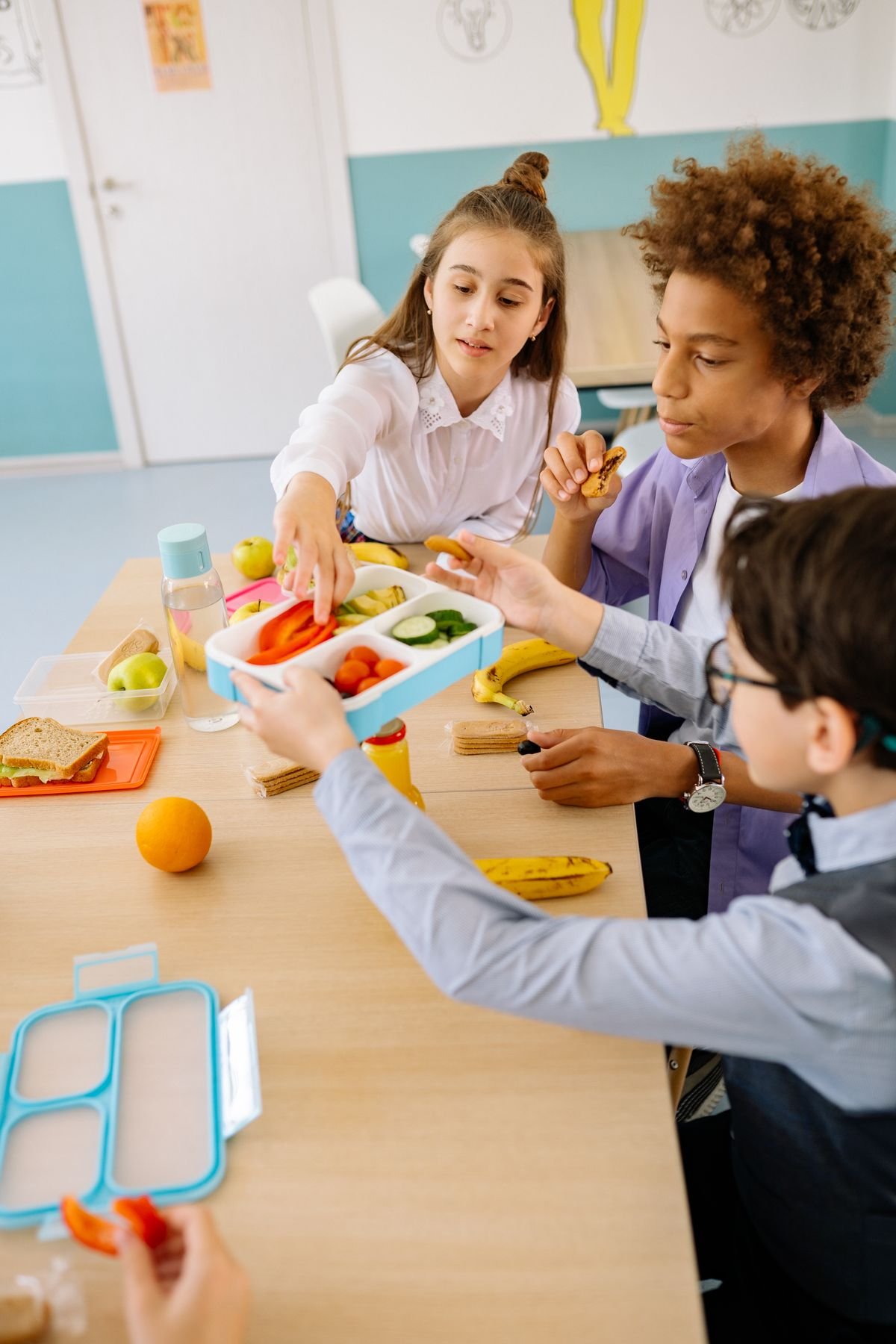
- Packing healthy snacks
- Sending a water bottle
- Encouraging hand washing
- Maintaining sleep schedules
- Providing balanced meals
Consistency at home can help support healthy routines during busy school months.
Building Healthy Habits Year-Round
Immunity-supporting habits work best when practiced consistently.
Parents do not need to focus on perfection.
Small daily actions such as:
- Drinking water
- Eating fruits and vegetables
- Sleeping well
- Staying active
- Practicing hygiene
can gradually become lifelong healthy habits.
A Normal School Week, Seen Up Close
The first cold of the season usually tours a classroom one desk at a time. What decides how a child comes through it is mostly set weeks earlier, at home, in boring little routines.
Picture a second grader in Ohio. Her backpack lands by the door at 3:30, and hands get washed at the kitchen sink before any snack is touched. The snack is orange slices or a cheese stick, eaten at the table, not in front of a screen.
Her water bottle goes in the dishwasher every night and gets refilled every morning. Breakfast is oatmeal or eggs, not just a granola bar eaten in the car.
She plays outside until dinner most days, even if it is only twenty minutes of chalk and scooters on the driveway. Bedtime lands at 8:00 on school nights, close enough to the same time that mornings are not a fight.
None of this is a treatment or a guarantee. It is simply the steady background — clean hands, real food, sleep, movement — that gives a child’s immune system its best working conditions.
Immunity is one pillar of the bigger picture in our child wellness tips for happy growth, which maps the habits that support the whole child.
For the rest of the daily hygiene routine beyond hand washing, see our simple hygiene tips for kids.
The meals behind these habits are covered in our healthy eating tips for children, including snacks that actually get eaten.
Final Thoughts
Immunity boosting habits for kids are not built through one food, one vitamin, or one routine.
They are built through consistent daily habits that support overall wellness.
Balanced nutrition, hydration, physical activity, sleep, hygiene, and emotional support all play important roles in helping children stay healthy and active.
The goal is creating healthy routines that children can carry with them as they grow.
FAQs
1. What are the best immunity boosting habits for kids?
Healthy eating, quality sleep, hydration, physical activity, hygiene, and emotional support are some of the most important habits.
2. Can one food boost immunity?
No. Overall eating patterns and balanced nutrition are more important than any single food.
3. Why is sleep important for children’s wellness?
Sleep supports growth, recovery, focus, mood, and daily energy.
4. How much water should children drink?
Needs vary by age and activity level, but regular hydration throughout the day is important.
5. Does physical activity support overall wellness?
Yes. Daily movement supports physical health, energy, sleep, and healthy development.
6. Why is hand washing important?
Hand washing helps reduce the spread of germs and supports daily hygiene.
7. Can stress affect children’s health?
Emotional well-being plays an important role in overall wellness and daily routines.
8. What is the easiest immunity habit to start today?
Creating a consistent routine that includes water, healthy meals, movement, and sleep is a great place to begin.
9. Do probiotic drinks or gummies actually boost a child’s immunity?
There is no solid evidence that probiotic gummies or drinks keep healthy children from getting sick. A varied diet with fruits, vegetables, whole grains, and yogurt gives the gut what it needs without the added sugar most of those products carry.
10. Should I give my child vitamin C or elderberry when a cold starts?
Vitamin C does not prevent colds in most children, and elderberry products are not well studied in kids. Rest, fluids, and time do the real work. Ask your pediatrician before giving any supplement during an illness, especially to younger children.
11. Is it normal for young children to catch colds all the time?
Yes. Young children commonly catch 6 to 8 colds a year, and children in daycare or preschool often catch more. It feels relentless, but each cold is part of how the immune system learns. Call the doctor if illnesses come with poor growth, very high fevers, or trouble breathing.
12. Does going outside in cold weather make kids sick?
No — colds are caused by viruses, not by cold air. Winter illness spreads because people crowd indoors together with the windows shut. Outdoor play in winter is still a good idea; just dress for the weather and wash hands when everyone comes back in.
Author Bio
PureFitDay Editorial Team creates practical health, wellness, and nutrition content for readers who want simple guidance for healthier living.
References
- HealthyChildren.org – Healthy Living for Children
- Nemours KidsHealth – Immune System Basics
- Academy of Nutrition and Dietetics – Children’s Nutrition
- NHS – Raising Healthy Children
- Johns Hopkins Medicine – Child Wellness Resources
- Nemours KidsHealth — Immune System (for parents)
- Nemours KidsHealth — Hand Washing (for parents)
Disclaimer
Child Wellness Disclaimer
Everything here is general wellness information for parents, not medical advice about your child. Parents and caregivers should consult a qualified healthcare professional regarding concerns about a child’s health, immune function, nutrition, growth, allergies, illnesses, or developmental needs. Every child gets sick sometimes, and no routine prevents that — what these habits change is how often, and how hard it hits.



4 Comments