


Best Foods for Seniors to Support Energy
Energy levels can change as people get older. Many seniors notice that they feel tired more easily, need more rest during the day, or do not have the same stamina they once had. While aging naturally brings changes to the body, daily food choices can play an important role in supporting energy, strength, and overall wellness.
The best foods for seniors are usually simple, balanced, and nutrient-rich. They do not need to be expensive or difficult to prepare. Foods such as fruits, vegetables, whole grains, lean proteins, dairy products, nuts, seeds, and healthy fats can help provide the body with steady fuel throughout the day.
Choosing the best foods for seniors throughout the day can help support steady energy, strength, digestion, and healthy aging.
Eating well is not about following a strict diet. It is about choosing foods that help the body function better and support daily comfort.
When seniors eat balanced meals regularly, they may feel more energized, more focused, and more prepared for everyday activities.

Why the Best Foods for Seniors Support Energy
Food is the body’s main source of fuel.
When meals are balanced, the body receives carbohydrates for energy, protein for muscle support, healthy fats for long-lasting fuel, and vitamins and minerals for normal body function.
On the other hand, meals that are high in added sugar or heavily processed foods may provide quick energy at first but can leave a person feeling tired later.
Good nutrition can help support:
- Steady energy
- Better digestion
- Muscle maintenance
- Healthy immunity
- Heart health
- Brain function
- Daily strength
This is why choosing the best foods for seniors can make a real difference in daily life.
Oatmeal for Steady Morning Energy
Oatmeal is one of the best breakfast foods for seniors.
It provides whole grain carbohydrates and fiber, which can help support steady energy during the morning.
Oatmeal is also easy to prepare and can be made softer for seniors who prefer gentle textures.
Healthy toppings include:
- Berries
- Banana slices
- Chopped nuts
- Seeds
- Cinnamon
- A little milk or yogurt
Oatmeal can be a warm, filling, and practical meal to start the day.
Eggs for Protein and Strength
Eggs are a simple and affordable protein source.
Protein is important for seniors because it helps support muscle maintenance, strength, and daily movement.
Eggs can be prepared in many easy ways, including boiled, scrambled, or made into an omelet with vegetables.
They also contain important nutrients that support overall wellness.
For seniors who struggle with appetite, eggs can be a small but nutrient-rich food option.
Yogurt for Digestion and Nutrition
Yogurt can be a helpful food for seniors, especially when choosing plain or low-sugar varieties.
It provides protein, calcium, and probiotics depending on the type.
Calcium supports bone health, while protein helps support muscles.
Yogurt can be eaten with fruit, oats, or nuts for a balanced snack or breakfast.
Greek yogurt is higher in protein than regular yogurt and may help seniors feel full for longer.
Fruits for Natural Energy
Fruits provide natural sweetness, fiber, water, and vitamins.
They are a better choice than sugary snacks because they offer nutrients along with energy.
Good fruits for seniors include:
- Apples
- Bananas
- Oranges
- Berries
- Grapes
- Pears
- Melons
Bananas are easy to eat and provide quick natural energy. Berries are rich in antioxidants and can be added to oatmeal, yogurt, or smoothies.
Fruit is also helpful for seniors who want a light snack between meals.
Vegetables for Daily Wellness
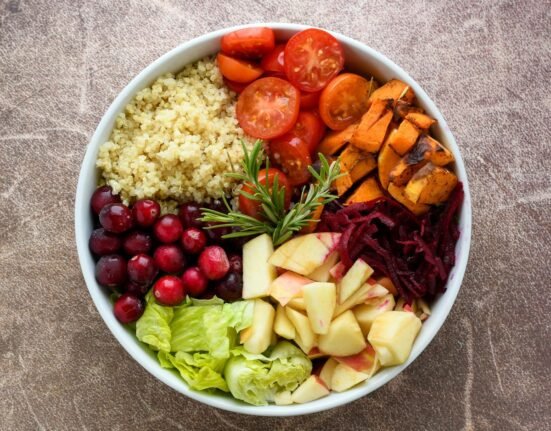
Vegetables are important for energy because they provide vitamins, minerals, fiber, and antioxidants.
They may not provide energy in the same way as carbohydrates, but they support the body systems that help seniors feel well.
Good vegetable choices include:
- Spinach
- Carrots
- Broccoli
- Sweet potatoes
- Bell peppers
- Peas
- Leafy greens
Soft-cooked vegetables can be easier to chew and digest.
Adding vegetables to soups, omelets, rice dishes, or stews can make meals more nutritious.
Whole Grains for Long-Lasting Fuel
Whole grains provide carbohydrates and fiber.
They help the body receive a slower and steadier source of energy compared to refined grains.
Good whole grain options include:
- Brown rice
- Whole wheat bread
- Quinoa
- Oatmeal
- Whole grain pasta
- Barley
Whole grains are especially useful for seniors who want meals that keep them satisfied for longer.
The best foods for seniors are usually simple foods that provide protein, fiber, vitamins, minerals, and healthy fats.
Lean Proteins for Muscle Support
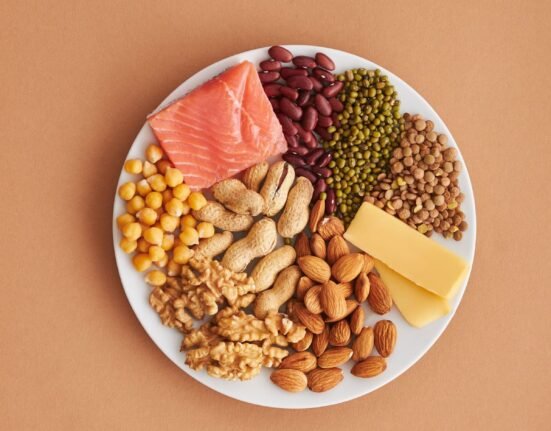
Protein is one of the most important nutrients for older adults.
Lean protein foods can help support strength, repair, and muscle maintenance.
Good protein sources include:
- Chicken
- Turkey
- Fish
- Eggs
- Beans
- Lentils
- Tofu
- Cottage cheese
Including protein at each meal can help seniors maintain better daily strength.
If you want more general nutrition guidance, you can also read our guide on Healthy Eating Tips for Seniors.
Healthy eating and energy-supporting foods work together as part of senior nutrition.
Including the best foods for seniors at each meal can help maintain strength and support healthy aging.
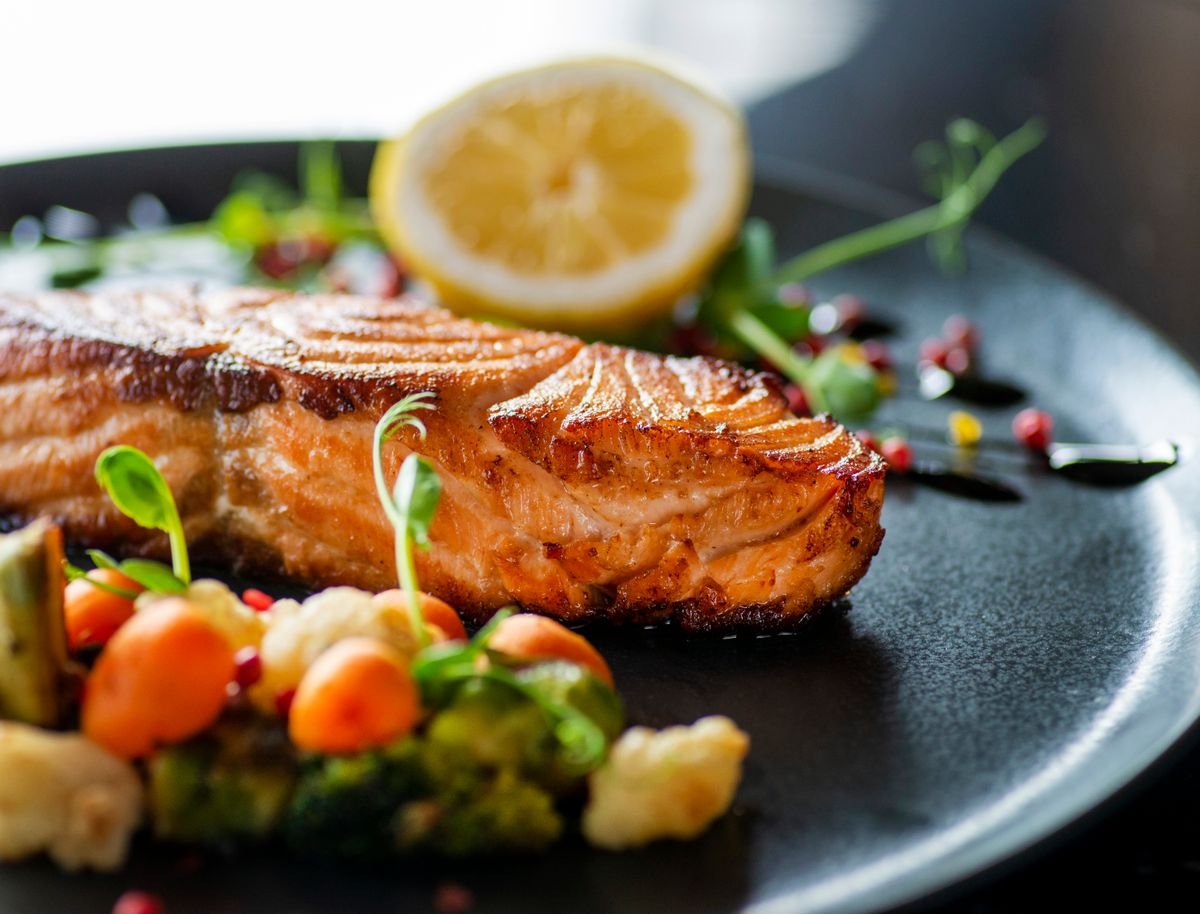
Fish for Heart and Brain Health
Fish can be an excellent food for seniors.
Fatty fish such as salmon, sardines, and trout provide omega-3 fatty acids, which are often associated with heart and brain health.
Fish also provides high-quality protein.
Baked or grilled fish can be easier to digest than fried options.
Seniors who do not eat fish may choose other protein sources, but fish can be a valuable part of a balanced diet.
Nuts and Seeds for Healthy Fats
Nuts and seeds provide healthy fats, protein, fiber, and minerals.
They are calorie-dense, so a small amount can provide useful energy.
Good choices include:
- Almonds
- Walnuts
- Chia seeds
- Flaxseeds
- Pumpkin seeds
- Sunflower seeds
For seniors who have difficulty chewing nuts, nut butter or ground seeds may be easier to use.
Stir them into a morning bowl of oatmeal, blend them into a smoothie, or spread nut butter on whole grain toast instead.
Beans and Lentils for Fiber and Protein
Beans and lentils are affordable and nutritious.
They provide plant-based protein, fiber, and steady energy.
They can be used in soups, stews, salads, or rice dishes.
Good options include:
- Lentils
- Chickpeas
- Black beans
- Kidney beans
- White beans
Fiber supports digestion and may help seniors feel satisfied after meals.
Water-Rich Foods for Hydration
Hydration affects energy.
Many seniors do not feel thirsty as often, so they may not drink enough water.
Water-rich foods can help support hydration.
Examples include:
- Watermelon
- Oranges
- Cucumbers
- Soups
- Strawberries
- Lettuce
These foods do not replace drinking water completely, but they can help support daily fluid intake.
Hydration and the best foods for seniors often work together to support daily energy and overall wellness.
Foods Seniors May Want to Limit
Some foods can reduce energy or affect overall wellness when eaten too often.
These include:
- Sugary drinks
- Candy
- Fried foods
- Highly processed snacks
- Excessive sodium foods
- Refined grains
These foods do not need to be avoided forever, but they should not replace nutrient-rich meals.
A balanced approach is usually more realistic and easier to maintain.
Simple Meal Ideas for Energy
Breakfast
- Oatmeal with berries and nuts
- Eggs with whole grain toast
- Greek yogurt with fruit
Lunch
- Chicken and vegetable soup
- Brown rice with beans and vegetables
- Tuna sandwich on whole grain bread
Dinner
- Baked fish with sweet potatoes
- Lentil soup with vegetables
- Turkey with quinoa and salad
Snacks
- Fruit with peanut butter
- Yogurt with seeds
- Whole grain crackers with cottage cheese
Meals do not need to be complicated to be healthy.
Final Thoughts
The best foods for seniors are simple, balanced, and nutrient-rich.
Oatmeal, eggs, yogurt, fruits, vegetables, whole grains, fish, lean proteins, beans, lentils, nuts, seeds, and water-rich foods can all support energy and healthy aging.
What matters most is eating this way most days, not just on good days.
Small daily food choices can help seniors feel stronger, more energized, and more prepared for everyday life.
Healthy eating does not need to be perfect. It only needs to be practical, balanced, and sustainable.
When chosen consistently, the best foods for seniors can support better energy, stronger daily routines, and long-term wellness.
What a Steady-Energy Day of Eating Looks Like
Lists of good foods are easy to nod at and hard to use. So picture one ordinary day for a retired teacher in Ohio who used to crash hard every afternoon.
Breakfast is oatmeal with walnuts and blueberries, plus a boiled egg on the side. Nothing fancy, but it holds her until lunch in a way toast and coffee never did.
Mid-morning she has a small pot of Greek yogurt instead of her old second coffee. The coffee was not the problem, exactly — it was the cookie that always came with it, and the slump that followed an hour later.
Lunch is chicken and vegetable soup she made on Sunday, with a slice of whole grain bread. Dinner is salmon, a baked sweet potato, and green beans, because that is the meal her family will actually eat with her.
The change was not willpower. It was swapping the two weakest spots in her day — the sweet snack at eleven and the heavy, late lunch — for food with protein and fiber in it.
For the full picture of how nutrient needs change with age, our senior nutrition guide for healthy aging goes deeper than any single food list.
If you want these foods arranged into actual days, the simple diet plan for seniors puts them into a ready-made week.
Food is only half of the energy story, so these ideas for feeling more active without a complicated routine cover the sleep, water, and movement side.
Frequently Asked Questions
What is the best breakfast for morning energy after 60?
A breakfast that pairs whole grains with protein tends to last longest: oatmeal with nuts and fruit plus an egg, or Greek yogurt with berries and a slice of whole grain toast. Coffee and a pastry alone usually wear off within a couple of hours.
Does coffee help or hurt energy during the day?
Both, depending on timing. A morning coffee is fine for most people, but caffeine after lunch can quietly ruin the next night’s sleep, and poor sleep is one of the biggest causes of next-day tiredness. If afternoons feel flat, look at last night’s sleep before reaching for another cup.
What snack gives energy without a crash an hour later?
Snacks that combine protein or healthy fat with fiber work best: an apple with peanut butter, a small handful of walnuts, or yogurt with seeds. A candy bar or sugary drink lifts energy fast and drops it just as fast.
How long does it take for food changes to affect energy?
Most people notice steadier afternoons within one to two weeks of eating regular, protein-containing meals and cutting back on sugary snacks. Judge it after a fortnight of normal days, not after one good morning.
References
- MedlinePlus — Nutrition for Older Adults
- Harvard T.H. Chan School of Public Health — Healthy Eating Plate
Author Bio
PureFitDay Editorial Team creates practical health, wellness, and nutrition content for readers who want simple guidance for healthier living.
Disclaimer
This article offers general information about food and energy for older adults. It is not medical advice, and it does not replace guidance from your doctor or a registered dietitian — especially if you manage diabetes, kidney disease, heart disease, or another condition that affects what you eat.




3 Comments