
Teen Wellness Tips for Healthy Lifestyle
Teen wellness tips are helpful because teenage life is full of change. A teen may be managing school, exams, friendships, family expectations, social media, body changes, and future pressure all at the same time. In the middle of all this, health can easily become ignored.
A healthy lifestyle for teenagers does not mean a perfect diet, strict workout plan, or no screen time at all. It means building small habits that support the body and mind every day. When teenagers sleep better, eat balanced meals, move their body, stay clean, and manage stress, they usually feel more focused, confident, and energetic.
The good thing is that wellness does not need to be complicated. Small daily choices can slowly create a better routine.
A Healthy Teen Lifestyle Starts with Basics
Teenagers often think wellness is something big, like joining a gym or following a strict meal plan. In reality, the basics matter more. A teen who sleeps late every night, skips breakfast, drinks little water, and spends hours scrolling may feel tired even without doing much physical work.
Good teen wellness tips start with simple questions:
- Did I sleep enough?
- Did I eat something nourishing?
- Did I move today?
- Did I drink water?
- Did I take a break from screens?
- Did I talk to someone if I felt stressed?
These questions help teenagers notice their routine without feeling judged. Wellness is not about being perfect. It is about improving one small habit at a time.
Sleep Is the First Energy Habit
Sleep affects almost everything in a teenager’s day. It can affect mood, focus, memory, skin, energy, and motivation. Many teenagers stay awake late because of homework, gaming, videos, chatting, or overthinking. The next day, they feel sleepy in class and irritated at home.
A better sleep routine can start with small steps. Keep the phone away from the bed, avoid heavy scrolling before sleep, and try to sleep and wake up at similar times most days. A calm bedtime routine can also help. This may include washing the face, preparing clothes for school, reading something light, or writing a short to-do list.
Teenagers do not need to fix sleep in one night. Even sleeping 20–30 minutes earlier can be a good start.
Eat for Energy, Not Just Taste
Food is fuel. Teenagers need energy for school, sports, studying, growth, and mood. Skipping meals or depending only on chips, sweets, tea, or sugary drinks can lead to tiredness and poor focus.
A balanced meal should include a mix of carbohydrates, protein, healthy fats, fruits, vegetables, and water. Simple meals can be enough. Roti with egg and yogurt, rice with lentils and vegetables, oats with milk, or chicken with salad can support energy better than random snacks.
Teenagers who want to improve their daily nutrition can learn more about teen growth foods that support healthy development, better focus, stronger bones, and long-lasting energy throughout the day.
Breakfast is especially helpful. Teens who do not feel hungry early can start small with milk, fruit, yogurt, dates, or a boiled egg. The goal is not dieting. The goal is steady energy.
Move Your Body in a Way You Enjoy
Exercise does not have to be boring. Teenagers can stay active through walking, cycling, dancing, sports, swimming, stretching, skipping rope, or home workouts. The best activity is the one a teen can actually enjoy and repeat.
Movement supports strength, stamina, mood, and confidence. It also helps reduce long sitting time. Teenagers who spend many hours studying or using screens may feel stiff or lazy. A 15-minute walk or light stretching can refresh the body.
One useful teen wellness tip is to connect movement with daily life. Walk after school, take stairs when safe, play badminton with friends, or dance to music at home. Small movement still counts.
Keep Screen Time Under Control
Screens are part of modern teenage life. Teens use phones and laptops for school, entertainment, friends, and learning. The problem starts when screen time affects sleep, study, mood, or real-life activities.
Instead of removing screens completely, teenagers can create healthy limits. Keep phones away during meals. Avoid scrolling right after waking up. Turn off unnecessary notifications. Keep screens away before sleeping. Unfollow accounts that create comparison or stress.
Screen balance is also connected with teen mental wellness because too much scrolling can affect mood, confidence, and sleep. A healthier digital routine can help teens feel more in control.
Take Care of Hygiene and Self-Care
Hygiene is a basic part of wellness. During puberty, teenagers may sweat more, develop body odor, get oily skin, or deal with acne. This is normal, but it needs a clean routine.
A simple hygiene routine includes bathing regularly, using deodorant on clean skin, brushing teeth twice a day, washing the face gently, wearing clean clothes, and changing sweaty socks or shirts after sports.
Self-care is not only skincare products. It can be keeping the room clean, organizing school items, drinking water, and preparing for the next day. These small habits make life feel less messy and more controlled.
Learn to Handle Stress Early
Stress is common in teenage life. Exams, friendships, family pressure, and future worries can all feel heavy. Some stress is normal, but it should not take over the whole day.
Teenagers can manage stress by breaking tasks into smaller steps. Instead of thinking, “I have too much work,” write down three things to complete first. Taking short breaks during study can also help.
Journaling is another simple habit. Writing thoughts on paper can make them feel less confusing. Talking to a trusted person is also important. A teen can speak to a parent, sibling, teacher, counselor, or close friend.
Choose Friends Who Support You
Friendships can affect teen wellness more than people realize. Good friends can make life feel happier and safer. Negative friendships can create pressure, comparison, drama, or stress.
Teenagers should notice how they feel around people. A healthy friendship usually includes respect, honesty, kindness, and space to be yourself. If a friend constantly makes you feel small, pressured, or anxious, it may be time to create boundaries.
Wellness also means protecting emotional energy. Saying no, taking space, or choosing better company can be part of a healthy lifestyle.
Build Confidence Through Small Wins
Confidence does not always come suddenly. It grows through small wins. Completing homework on time, waking up earlier, drinking more water, walking daily, keeping a clean room, or improving one subject can all build confidence.
Teenagers often compare themselves with others, especially online. But real growth is personal. A teen should ask, “Am I doing better than before?” instead of “Am I better than someone else?”
Small progress matters. A healthy lifestyle is built by repeating small habits, not by changing everything overnight.
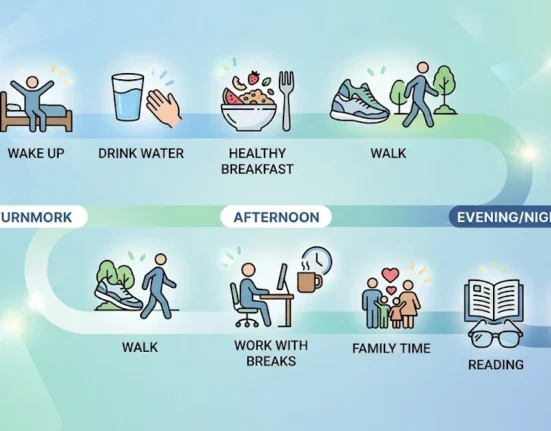
A Simple Wellness Day for Teens
A healthy day does not need to be perfect. It can look like this:
- Morning: Wake up, drink water, wash face, eat a small breakfast.
- School time: Stay focused, drink water, avoid too many sugary snacks.
- After school: Rest for a while, then walk, stretch, or play a sport.
- Evening: Complete homework in small parts and take short breaks.
- Night: Keep phone away, brush teeth, prepare for tomorrow, and sleep on time.
This type of routine is realistic. It gives space for school, rest, fun, and health.
When Teenagers Should Ask for Help
Wellness also means knowing when support is needed. If a teenager feels constantly sad, anxious, unsafe, exhausted, angry, hopeless, or unable to manage daily life, they should talk to a trusted adult.
Asking for help is not weakness. It is a smart step. A parent, school counselor, doctor, or mental health professional can guide the teen in the right direction.
Final Thoughts
Teen wellness tips should feel simple, not stressful. A healthy lifestyle is not about doing everything perfectly. It is about building habits that support energy, focus, confidence, sleep, hygiene, movement, and emotional balance.
Teenagers can start with small changes: sleep a little earlier, eat a better breakfast, drink more water, move daily, reduce scrolling, keep clean, and talk when stress feels heavy.
A healthy teen lifestyle is built one habit at a time. With patience and consistency, these small choices can help teenagers feel stronger, calmer, and more confident in daily life.
FAQs
1. What are the most useful teen wellness tips?
Useful teen wellness tips include sleeping well, eating balanced meals, staying active, drinking water, managing screen time, keeping good hygiene, talking about stress, and building supportive friendships.
2. How can teenagers start a healthy lifestyle?
Teenagers can start with small habits like eating breakfast, walking daily, sleeping earlier, reducing late-night phone use, washing regularly, and keeping schoolwork organized.
3. Why is sleep important for teen wellness?
Sleep supports mood, memory, focus, energy, skin health, and emotional control. Teenagers who do not sleep enough may feel more tired, stressed, and distracted.
4. Can social media affect teen wellness?
Yes, social media can affect confidence, sleep, mood, and focus, especially when teens compare themselves with others or scroll late at night. Healthy screen limits can help.
5. What should teens do when stress feels too much?
Teenagers should talk to a trusted adult, write down their thoughts, take breaks, organize tasks, and seek professional support if stress affects daily life, sleep, eating, or safety.
Author Bio
Pure Fit Day Teen Lifestyle Team writes practical wellness content for teenagers and families. Our articles focus on simple daily routines, healthy habits, confidence, movement, sleep, food, hygiene, and emotional balance in a realistic way.
References
- NHS — Healthy living guidance
- MedlinePlus — Teen Health
- NIDDK — Take Charge of Your Health: A Guide for Teenagers
- Nemours KidsHealth — Stress Less: Eat, Play, Sleep
- Cleveland Clinic — Sleep hygiene tips
Disclaimer
This article is for general teen wellness education only. It is not medical, nutritional, or mental health advice. Teenagers with ongoing health problems, eating concerns, severe stress, sleep issues, anxiety, depression, self-harm thoughts, or any medical condition should speak with a qualified healthcare professional, counselor, or trusted adult.