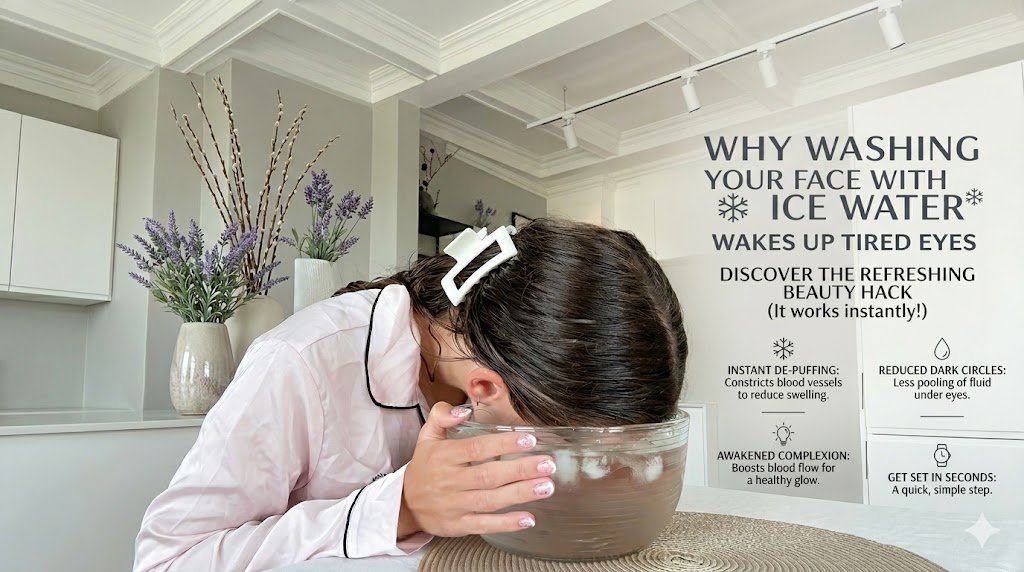
Why Washing Your Face with Ice Water Wakes Up Tired Eyes
Reduce puffy eyes naturally by starting with simple morning habits. Many people wake up with heavy eyelids, dull skin, or swelling under the eyes, especially after poor sleep, late-night screen use, salty snacks, or dehydration. The good thing is that tired-looking eyes do not always need expensive creams or clinic treatments.
Cold water can give the face a quick fresh look because it helps tighten the skin temporarily, cools the under-eye area, and makes you feel more awake. It is not a permanent cure for eye bags, but it can be a useful part of a simple morning routine.
Why Eyes Look Puffy in the Morning
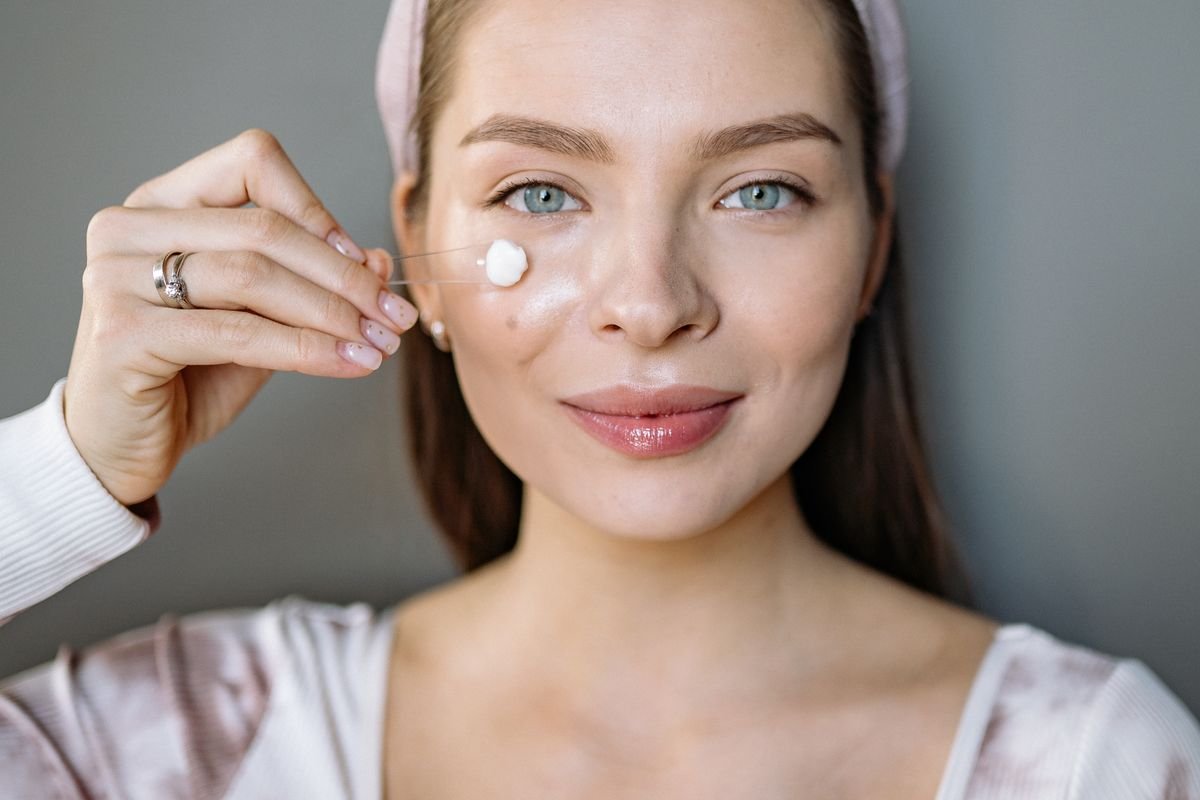
Puffy eyes usually happen when fluid collects around the thin skin under the eyes. This area is delicate, so even small changes in sleep, salt intake, allergies, screen fatigue, or hydration can show quickly.
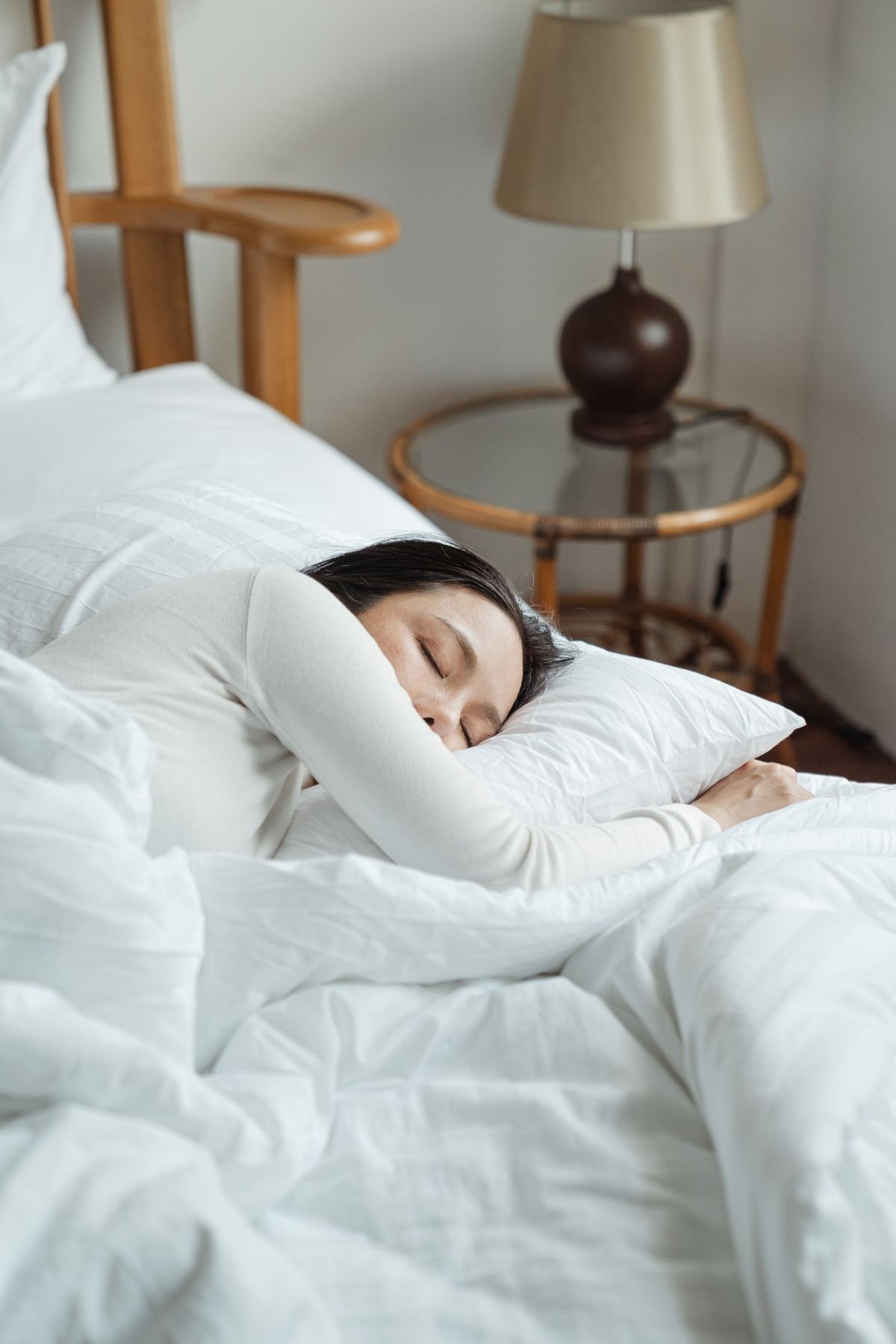
When you sleep flat for many hours, fluid can settle around the eyes. If you also stayed up late, ate salty food, cried, or used screens too long, the swelling may look more noticeable in the morning.
How Ice Water Helps Tired Eyes
Cold water can help reduce the appearance of puffiness by cooling the skin and slightly tightening blood vessels. This may make the under-eye area look firmer for a short time.
The cold feeling also wakes up the face quickly. It helps you feel refreshed, especially when your eyes feel heavy after a late night or long screen session.
Safe Ice Water Face Wash Method
You do not need to rub ice directly under your eyes. That can irritate sensitive skin. A safer method is to use chilled water and a soft clean towel.
- Fill a bowl with cold water and a few ice cubes.
- Let the water become cool, not painfully freezing.
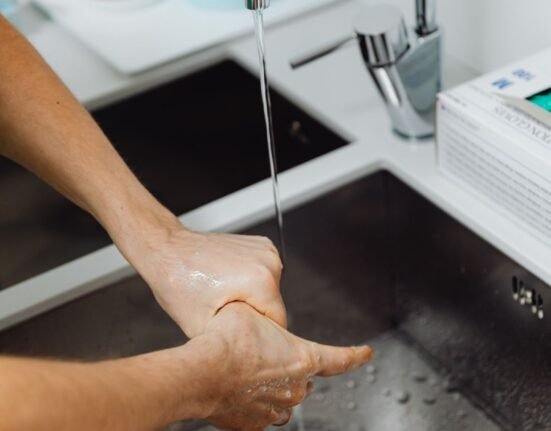
- Splash your face gently for 20 to 30 seconds.
- Soak a soft towel in cold water.
- Place it over closed eyes for 1 to 2 minutes.
- Pat the face dry with a clean towel.
Do not press too hard around the eyes. The skin there is thin and needs gentle care.
Morning Habits That Help Reduce Puffy Eyes
Ice water works better when your daily habits also support your skin and body. A few small changes can reduce morning swelling over time.
Drink Water After Waking Up
Dehydration can make the face look tired. A glass of water in the morning helps your body rehydrate after sleep.
Elevate Your Head While Sleeping
If your head stays completely flat all night, fluid may collect around the eyes. A slightly elevated pillow may help fluid drain better while you sleep.
Reduce Salty Snacks at Night
Salt can make the body hold more water. If you often eat chips, processed snacks, or very salty food at night, your eyes may look puffier the next morning.
Take Screen Breaks
Long screen time can make eyes feel tired, dry, and strained. Reduce phone use before bed and give your eyes short breaks during the day.
Skin Care and Natural Support
Cold water can freshen the face, but skin also needs proper care from inside and outside. Gentle cleansing, hydration, enough sleep, and simple natural ingredients can support a healthier look.
You can also read this guide on raw spices for glowing skin to learn how kitchen-based ingredients may support a simple skincare routine.
Do Not Depend on Coffee for Eye Bags
Many people drink strong coffee to feel awake, but too much caffeine can disturb sleep and may contribute to dehydration in some people. Poor sleep and dehydration can both make tired eyes look worse.
If you drink coffee, keep it moderate and avoid it late in the day. Water, herbal tea, and better sleep habits can support a fresher morning look more consistently.
When Puffy Eyes Need Attention
Occasional puffiness is common. However, if swelling is painful, sudden, one-sided, linked with redness, vision changes, itching, or does not improve, it is better to speak with a healthcare professional.
Puffy eyes may sometimes be related to allergies, infection, sinus problems, thyroid issues, or other medical conditions.
The Morning After a Salty Restaurant Dinner
Almost everyone learns what causes their puffy eyes the same way: one bad morning after one specific evening.
Dinner out — say a big bowl of ramen or a pizza night — tastes great at 8 p.m. and shows up at 7 a.m. as eyes that barely open. Salt pulls water into the tissues overnight, and lying flat lets it settle exactly where the skin is thinnest.
The fix that morning is boring and fast. Splash cold water on your face for half a minute, or press a spoon that spent the night in the fridge gently under each eye. Drink a real glass of water — the body holds onto fluid when it thinks more is not coming.
Then get moving. A short walk or just making the bed and getting dressed gets fluid circulating far better than lying back down “for five more minutes.”
By the next morning the lesson usually sticks: lighter salt at dinner, an extra pillow, and the puffiness mostly stops being a daily event.
Puffy eyes are easier to prevent inside a steady routine, and our simple skin care habits cover the daily basics this fix sits inside.
For the wider self-care picture, these natural body care tips keep skin healthy without a shelf of products.
The cold-water splash works even better as step one of a proper morning, and the best morning routine for energy shows how to build the rest of it.
What to Remember
Ice water can help reduce puffy eyes temporarily by cooling and refreshing the skin. It works best when combined with enough sleep, hydration, less salt at night, screen breaks, and gentle skincare.
Keep the routine simple and safe. Do not use extreme cold directly on the skin, and avoid harsh rubbing around the eyes.
FAQs
1. Can ice water reduce puffy eyes?
Ice water may temporarily reduce the appearance of puffy eyes by cooling the skin and helping the under-eye area look tighter.
2. Is it safe to put ice directly under the eyes?
It is better not to place ice directly on the delicate under-eye skin. Use cold water or wrap ice in a soft cloth for safer use.
3. How long should I use cold water on puffy eyes?
One to two minutes with a cold towel is usually enough. Avoid long exposure to extreme cold because it may irritate the skin.
4. Why do my eyes look puffy every morning?
Common reasons include poor sleep, salty food, dehydration, allergies, screen strain, or sleeping completely flat.
5. When should I worry about puffy eyes?
Seek medical advice if puffiness is painful, sudden, severe, affects one eye, causes redness, itching, vision changes, or continues for a long time.
6. Can lack of sleep alone cause puffy eyes?
Yes. Short or broken sleep is one of the most common causes, because fluid balance and circulation both suffer. If puffiness shows up mainly after bad nights and clears by midday, sleep is the first thing to fix — earlier nights beat any cream.
7. Do cold tea bags or cucumber slices actually help?
A little, and mostly because they are cold. Chilled cucumber or used green-tea bags (kept in the fridge) cool the skin and briefly tighten the area. They are a pleasant extra, not a treatment — the cold water method in this article does the same job free.
8. How can I stop waking up with puffy eyes in the first place?
Work on the evening: less salt at dinner, no heavy drinking late at night, one extra pillow so fluid drains away from the face, and enough sleep. Most people who do those four things find morning puffiness drops from daily to rare.
9. Are eye creams worth it for morning puffiness?
Creams with caffeine can tighten the look of the skin for a few hours, and a plain moisturizer helps if the area is dry. But no cream fixes the causes — salt, sleep, and lying flat. Spend on the pillow and the habits first; treat cream as the finishing touch.
Author Bio
PureFitDay Editorial Team creates practical health, wellness, and nutrition content for readers who want simple guidance for healthier living.
References
- American Academy of Dermatology — Healthy Skin Habits
- Cleveland Clinic — Puffy Eyes
- Healthdirect Australia — Swollen Eyelid
- Sleep Foundation — Why Sleep Matters
- American Academy of Ophthalmology — Why Do I Have Bags Under My Eyes?
Disclaimer
This article is about everyday morning puffiness and simple home care. It is general information, not a diagnosis — ongoing or one-sided swelling needs an eye doctor. If you have painful swelling, eye infection symptoms, allergies, vision changes, skin irritation, or ongoing puffiness, speak with a qualified healthcare professional or eye specialist.