
How to Reduce Phone Distraction During Daily Routine
Most people do not realize how often they reach for their phone. It usually starts with something small. You check one message, reply to one notification, or open an app for just a minute. Then another thing catches your attention. A video starts playing, a post appears, or a message pulls you into a conversation.
Before you know it, ten or twenty minutes are gone. Sometimes even more. This is the real problem with phone distraction. Phones are not bad. They are useful for work, communication, learning, reminders, banking, and daily tasks. But when the phone starts taking your attention again and again, your whole day begins to feel scattered.
The aim is not to stop using your phone completely. That is not practical for most people. The aim is to use it with more control, so it helps you instead of disturbing your routine.
Notice Your Phone Pattern First
The first step is simple: notice your habit. Do you check your phone as soon as you wake up? Do you open it while eating? Do you keep looking at it during work? Do you scroll at night when you are already tired?
Most phone habits happen automatically. You may not even feel like you made a choice. Your hand just moves toward the phone because it has become normal.
For one day, observe yourself without blame. Notice how many times you open your phone without a clear reason. This small awareness helps you understand where your attention is going.
Turn Off Notifications That Do Not Matter
Notifications are one of the biggest reasons people lose focus. A small sound or vibration can break your attention in seconds. You may be working, reading, studying, or talking to someone, and then the phone lights up. Even if the alert is not important, your focus is already broken.
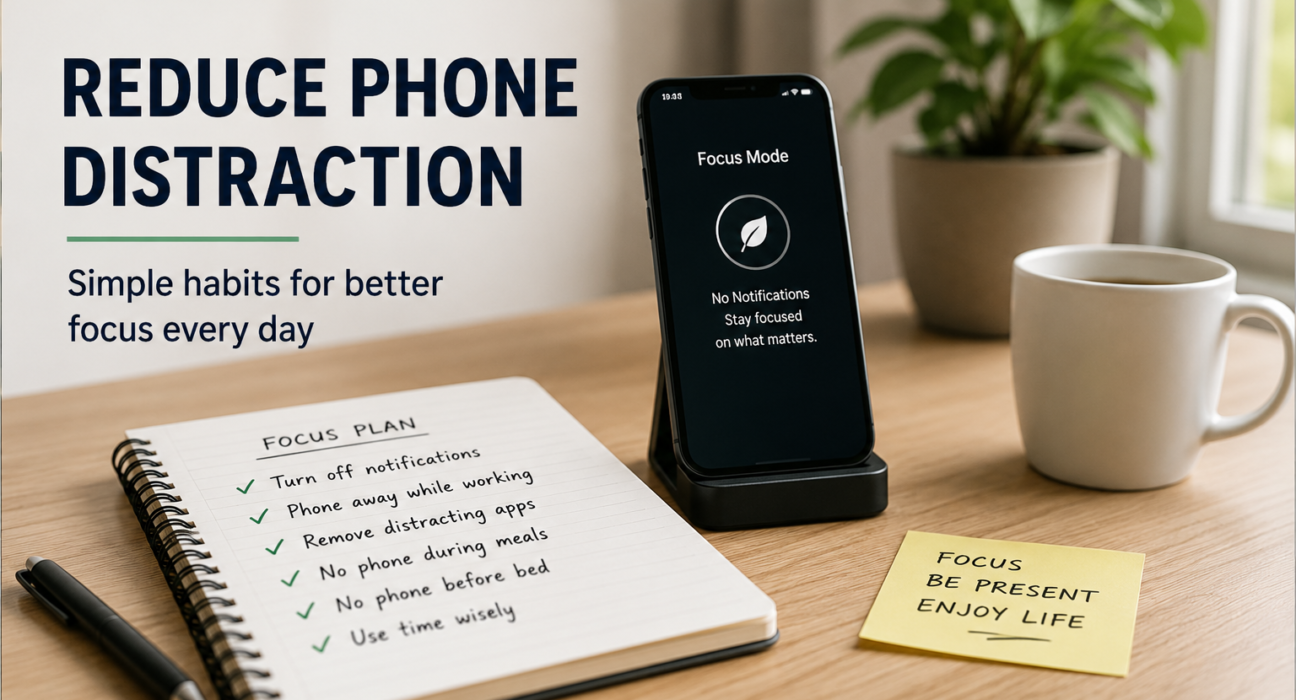
Keep notifications only for things that truly matter. Calls, family messages, important work updates, banking alerts, and reminders are fine. Shopping offers, random app alerts, games, and social media notifications do not need to interrupt you all day.
Once your phone becomes quieter, your mind also feels quieter. You stop feeling pulled toward the screen every few minutes.
Keep Your Phone Away During Focus Time
If your phone is always beside your hand, you will probably check it again and again. That is normal. It is too easy to pick it up when it is right there.
When you need to focus, move your phone away. Put it on another table, inside a drawer, or across the room. If you need to receive calls, keep the sound on. Just do not keep the phone directly in your hand or right beside your keyboard.
This small distance helps a lot. It gives you a moment to think before checking your phone. Sometimes that one second is enough to stop the habit.
Create Small Phone-Free Moments
You do not need to stay away from your phone for the whole day. Start with small phone-free moments. Keep your phone away during one meal. Do not check it for the first few minutes after waking up. Put it aside while spending time with family. Keep it away when you are doing focused work.
At first, it may feel strange. You may feel like you are missing something. But after a few days, these small moments can feel peaceful.
You begin to notice things around you. You eat more calmly. You listen better. You finish tasks with fewer interruptions.
Move Distracting Apps Out of Sight
Sometimes the problem is not the phone. It is the easy access. If your most distracting apps are right on the home screen, you are more likely to open them without thinking.
You do not have to delete every app. Just move social media, short-video apps, games, or shopping apps into a folder or place them on another screen. This adds one small step before opening the app.
That small step gives your mind a chance to pause. You may still open the app, but at least now it becomes a choice, not an automatic reaction.
Ask One Question Before Unlocking
Before opening your phone, ask yourself: “Why am I opening it?”
This question sounds very simple, but it works. Sometimes you will have a real reason. Maybe you need to reply to someone, check a reminder, make a call, or confirm a task.
But many times, you may realize there is no real reason. You are just bored, tired, stressed, or trying to avoid something. Once you notice that, it becomes easier to put the phone down.
Do Not Begin the Morning with Scrolling
The way you start your morning can affect the whole day. If the first thing you do is check your phone, your mind becomes busy immediately. Messages, news, videos, and social media updates can wait for a few minutes.
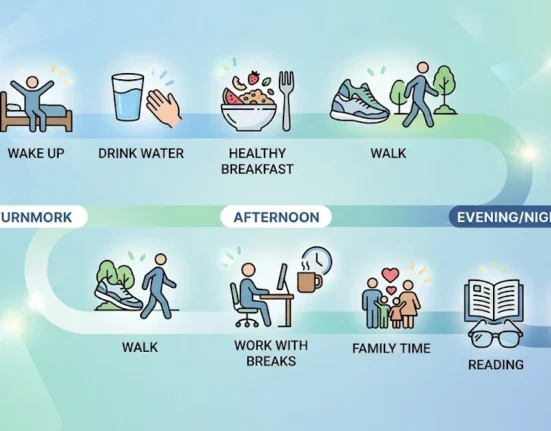
Give yourself a small peaceful start first. Drink water. Wash your face. Open a window. Make your bed. Think about the main thing you need to do today.
You do not need a perfect morning routine. Just avoid giving your attention to your phone the moment you wake up.
Keep Your Phone Away from Your Pillow
Night scrolling is a very common habit. You go to bed thinking you will sleep soon, but then you check one thing. One video turns into more videos. One message turns into a long chat. By the time you stop, you are sleeping later than planned.
Try keeping your phone away from your pillow. Place it on a table or somewhere you cannot reach easily while lying down. If you use it as an alarm, keep it far enough that you need to get up to turn it off.
This one habit can help you sleep earlier and wake up with a clearer mind.
Make Your Space Feel Calm
Your environment can affect your phone habits too. When your room, desk, or living space feels messy, your mind can feel restless. When the mind feels restless, the phone becomes an easy escape.
Try to keep one small area clean. It can be your desk, bedside table, or the place where you usually sit. You do not need to clean everything at once.
If you want more simple ideas for a calmer workspace, you can read these desk life habits to make long sitting and screen work feel easier.
Take Breaks Without Screens
A lot of people take a break from work by using their phone. The problem is that if you already work on a screen, another screen may not give your mind real rest.
Try taking a few breaks without your phone. Stand up, stretch a little, drink water, walk around the room, or look outside for a minute.
These small breaks give your eyes and mind a real pause. They also reduce the habit of checking your phone every time you feel tired.
Use App Limits Gently
App limits can help, but do not use them like punishment. The goal is not to make yourself feel bad. The goal is to become more aware.
If one app takes too much of your time, set a simple limit. Start with something realistic. You do not have to go from three hours to ten minutes in one day.
Reduce slowly. Let the habit become easier. Real change works better when it feels possible.
Replace Scrolling with Something Small
If you only tell yourself not to use the phone, it can feel difficult. It helps to replace scrolling with something simple.
- Keep a book nearby.
- Write a few lines in a notebook.
- Clean one small area.
- Drink water.
- Step outside for fresh air.
- Talk to someone around you.
Rest is important, but rest does not always have to mean scrolling. Sometimes real rest is sitting quietly for a few minutes without any screen.
Be Patient with Yourself
Phone habits do not change overnight. If you have been checking your phone many times a day for years, it will take some time to reduce that habit.
Start with one change. Turn off a few notifications. Keep your phone away during one meal. Avoid checking it right after waking up. Put it away from your bed at night.
Some days will be better than others. That is normal. Do not quit just because one day goes badly.
What to Remember
Your phone is a useful tool, but it should not control your whole day. Reducing phone distraction is really about protecting your attention.
When you check your phone less often, you create more space for real life. Work feels easier. Meals feel calmer. Conversations feel better. Rest feels more peaceful.
Start small. Choose one habit today and repeat it. Over time, these small changes can help you build a calmer and more focused daily routine.
FAQs
1. How can I reduce phone distraction during the day?
Start by turning off unnecessary notifications, moving distracting apps away from your home screen, and keeping your phone away during focused work or meals.
2. Should I delete social media apps to avoid distraction?
Not always. You can first try moving them into folders, setting app limits, or checking them only at specific times. Deleting apps is optional if limits do not work.
3. Why should I avoid my phone in the morning?
Checking your phone immediately after waking can make your mind feel busy and reactive. A few quiet minutes can help you begin the day with more control.
4. How can I stop night scrolling?
Keep your phone away from your pillow, set a bedtime reminder, and replace scrolling with a calming habit like reading, stretching, or writing tomorrow’s tasks.
5. Are app limits useful?
Yes, app limits can help you become more aware of screen time. Start with realistic limits so the habit feels manageable instead of stressful.
Author Bio
Pure Fit Day Digital Wellness Team creates practical lifestyle content for readers who want healthier routines, better focus, balanced screen habits, calmer workdays, and simple everyday wellness improvements.
References
- Common Sense Media — Digital Well-Being Articles
- Sleep Foundation — Technology and Sleep
- American Psychological Association — Social Media and Internet Use
- Healthdirect Australia — Screen Time
- HelpGuide — Smartphone Addiction and Overuse
Disclaimer
This article is for general lifestyle and digital wellness education only. It is not medical, psychological, or professional advice. If phone use is seriously affecting your sleep, mental health, work, relationships, or daily functioning, consider speaking with a qualified mental health professional or counselor.