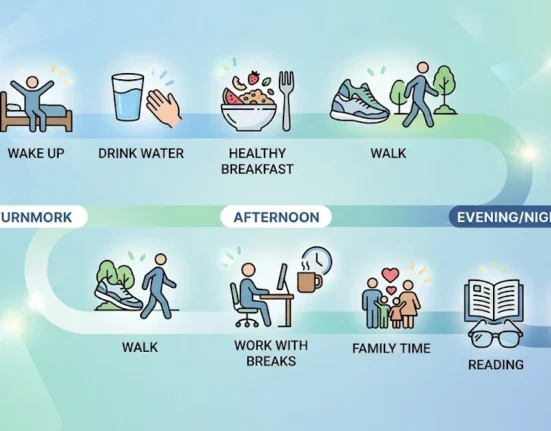


Simple Daily Wellness Habits for a Healthy Lifestyle
A healthy lifestyle does not always start with a big promise or a complete change in routine. For many people, it begins with small daily choices that are easy to ignore. Drinking water on time, sleeping a little better, eating simple meals, keeping the room clean, or taking a short break during a busy day may not look like major steps. Still, these small habits can slowly improve the way a person feels, works, thinks, and lives.
Many people make healthy living sound difficult. They think they need a strict diet plan, expensive products, or a perfect morning routine to become healthier. This idea often makes wellness feel stressful before it even begins. In real life, wellness is not about doing everything perfectly. It is about taking better care of yourself in a normal and practical way.
A healthy lifestyle should fit into your life, not make your life harder. You do not need to change everything in one day. In fact, trying to change too much at once can make you feel tired and disappointed. A better way is to start with habits that feel simple enough to repeat. When small habits become part of your routine, they can create a strong base for better health and peace of mind.
Start Your Day with Water
One of the simplest wellness habits is drinking enough water. It sounds basic, but many people forget it during the day. They wake up, check their phone, drink tea or coffee, start working, and then realize much later that they have barely had any water. This can make the body feel tired, dry, or low in energy.
Drinking water in the morning is a good way to begin the day. After sleeping for several hours, the body needs hydration. You do not need to drink a large amount at once. Even one glass of water after waking up can help you feel more fresh and active.
Keeping a water bottle near you is also helpful. If water is in front of you, you are more likely to drink it. This is useful for students, office workers, freelancers, and anyone who stays busy for long hours. Small sips throughout the day are better than waiting until you feel very thirsty.
Sometimes we feel tired, unfocused, or heavy without understanding why. In many cases, the body may simply need water. This does not mean water solves every problem, but it is one of the easiest habits to improve. It costs nothing, takes little effort, and supports the body in many ways.
Make Sleep a Priority
Sleep has a strong effect on daily life. When sleep is poor, everything feels harder. A person may wake up tired, feel irritated, lose focus quickly, or struggle to complete simple tasks. Good sleep gives the body time to rest and recover. It also helps the mind feel calmer and clearer.
Many people do not take sleep seriously until their routine starts getting affected. They sleep late, wake up in a rush, and then depend on caffeine or snacks to get through the day. This may work for a short time, but it is not a healthy long-term habit.
A better sleep routine does not have to be perfect. Try to sleep and wake up around the same time most days. Your body slowly gets used to a pattern. When your sleep timing becomes more regular, falling asleep and waking up can become easier.
It also helps to reduce screen time before sleeping. Phones, laptops, and constant scrolling keep the mind active. If you use your phone until the last minute, your brain may not feel ready to rest. Try to keep the last part of your night quieter. You can prepare your clothes for the next day, clean your table, write down important tasks, or simply sit peacefully for a few minutes.
Eat Balanced Meals Without Making It Complicated
Food plays an important role in wellness, but eating healthy does not mean following a difficult diet. Many people leave healthy eating because they think it means avoiding everything they enjoy. That is not true. A balanced lifestyle is not about fear. It is about giving the body what it needs while keeping the routine realistic.
Try to eat simple and balanced meals. Add fresh foods when possible. This can include fruits, vegetables, rice, bread, eggs, lentils, chicken, fish, yogurt, nuts, or any healthy food that suits your routine and budget. The goal is not to make every meal perfect. The goal is to make better choices more often.
Skipping meals too often can also affect energy. When you stay hungry for too long, you may feel weak, angry, or tired. Later, you may overeat because your body is asking for quick energy. Regular meals can help your body work better during the day.
It is also important to notice how different foods make you feel. Some meals give energy and comfort. Some meals make you feel heavy or lazy. Every body is different, so it is useful to understand your own body instead of copying someone else’s routine completely.
Spend Time in Fresh Air and Natural Light
Fresh air and natural light can make a normal day feel better. Many people spend most of their time indoors, especially because of work, study, screens, or busy schedules. Staying inside for too long can make the mind feel dull and the body feel slow.
Morning sunlight can help you feel more awake. You do not need to spend a long time outside. Even a few minutes near a window, on a balcony, or outside your home can make a difference. Opening the curtains in the morning is also a small but helpful habit.
Fresh air is also good for the room. A closed room can sometimes feel heavy or stale. Opening a window for ten to fifteen minutes can make the space feel lighter. A fresh room can improve mood, focus, and comfort. If you want to keep your room feeling cleaner and more peaceful, you can also read these simple room freshness tips for easy ideas that fit into a normal daily routine.
This habit is simple, but it is easy to forget. When the day starts getting busy, people often stay in the same place for hours. A short step outside or a little natural light can refresh the mind without needing much effort.
Take Small Breaks During Work or Study
Long hours of work, study, or screen use can make the mind tired. Many people keep pushing themselves without taking breaks because they think breaks waste time. In reality, short breaks can help you work better. They give your brain a little space to reset.
A break does not have to be long. Stand up for a few minutes, stretch your shoulders, drink water, walk around the room, or look away from the screen. If you work on a laptop or phone for many hours, your eyes and mind need rest.
Small breaks can also reduce stress. When you sit in one place for too long, the body can feel stiff and uncomfortable. A little movement can help you feel active again. These short pauses are useful for students, office workers, online workers, and anyone who spends a lot of time sitting.
The important thing is to make breaks part of your routine before you feel completely exhausted. A few minutes of rest at the right time can save you from feeling drained later.
Keep Your Space Clean and Simple
The place where you live or work affects your mood. A messy room, dirty clothes, crowded table, or unorganized space can make the mind feel busy. Sometimes stress increases simply because everything around you looks out of control.
Keeping your space clean does not mean you have to clean the whole room every day. Start small. Make your bed. Put clothes in one place. Clear your desk. Throw away unnecessary papers. Keep daily-use items where you can find them easily.
A clean space can make your routine smoother. When your things are organized, you do not waste time searching for them. Your morning becomes less stressful. Your work feels easier. Your mind feels lighter.
Clean surroundings also help you relax. After a long day, entering a neat room feels different from entering a messy one. You do not need a perfect room. You just need a space that feels comfortable and manageable.
Give Your Mind Some Quiet Time
Mental wellness is just as important as physical wellness. Many people take care of their body but forget their mind. Today, quiet moments are rare. People use their phones while eating, while resting, before sleeping, and immediately after waking up. The mind hardly gets a chance to breathe.
Try to give yourself a few quiet minutes every day. You can sit without your phone, close your eyes, breathe slowly, or write down your thoughts. You do not have to call it meditation if that feels too formal. Just give your mind some space.
Quiet time can help you understand how you feel. It can also reduce mental noise. When you are always consuming content, replying to messages, or scrolling, your thoughts become crowded. A calm mind helps you handle daily problems better.
Protecting mental peace also means not being too hard on yourself. Some days will not go as planned. You may sleep late, eat poorly, feel lazy, or miss a habit. That does not mean you have failed. A healthy lifestyle is not about one perfect day. It is about coming back to better habits again.
Create a Simple Evening Routine
A calm evening routine can improve both sleep and the next morning. Many people end their day in a rush. They use their phone late at night, leave things unprepared, and sleep with a busy mind. Then they wake up stressed because nothing is ready.
You can make your evening easier with a few small steps. Prepare your clothes for the next day. Keep your bag, keys, or important items in one place. Write down the main tasks for tomorrow. Clean one small area of your room. These little actions can make the next morning smoother.
It is also helpful to slow down before bed. You do not need a long night routine. Just reduce unnecessary noise. Avoid starting stressful conversations or heavy work right before sleeping if possible. Give your body and mind a signal that the day is ending.
When your night is peaceful, your morning often becomes better. This habit may look small, but it can change the feeling of your whole day.
Move Your Body in a Simple Way
Daily movement is important for wellness, but it does not have to be intense. Many people think movement only means a strict workout, but simple movement also matters. Walking, stretching, doing housework, taking stairs, or standing up after sitting for too long can support the body.
The body is not made to stay still all day. If you sit for many hours, your body may feel stiff and tired. A short walk or light stretching can help you feel better. Even five to ten minutes of movement can improve your energy.
Choose movement that feels comfortable for you. If a habit feels too difficult, you may leave it quickly. Simple movement is easier to repeat. The goal is not to punish the body. The goal is to keep it active, relaxed, and comfortable.
Do Not Try to Change Everything at Once
One of the biggest mistakes people make is starting too many habits together. They decide to sleep early, eat perfectly, drink more water, clean daily, reduce phone use, and become fully disciplined all at once. At first, it feels exciting. After a few days, it becomes too much.
A better way is to choose one habit and stay with it. For example, start by drinking more water. After that becomes normal, add another habit like sleeping a little earlier. Then add a short walk or a cleaner desk routine. Step-by-step progress is easier to continue.
Healthy living should not feel like punishment. It should feel supportive. When you build habits slowly, they become part of your life instead of feeling like extra pressure.
Listen to Your Body and Routine
Every person has a different lifestyle. Some people work in the morning, some work at night, some study, some manage home responsibilities, and some have very busy schedules. This is why one wellness routine cannot fit everyone.
Listen to your body. If you feel tired all the time, check your sleep. If you feel low in energy, notice your meals and water intake. If your mind feels heavy, reduce screen time and take quiet breaks. Your body often gives signs before the problem becomes bigger.
It is also important to be realistic. A habit that works for someone else may not work for you. Your wellness routine should match your life. Simple habits that you can actually follow are better than perfect habits that only look good on paper.
Final Thoughts
Daily wellness habits do not need to be difficult. A healthy lifestyle is built through small actions that are repeated again and again. Drinking enough water, sleeping better, eating balanced meals, getting fresh air, taking breaks, keeping your space clean, moving your body, and protecting your mental peace can make daily life feel more balanced.
You do not need to become perfect to become healthier. Start with one small habit. Give it time. Once it becomes normal, add another habit. Over time, these simple changes can improve your mood, energy, focus, and overall routine.
Wellness is not about pressure. It is about care. When you take care of yourself in small daily ways, your body and mind slowly respond. Life becomes easier, calmer, and more manageable when your habits support you instead of stressing you.