

How to Feel More Active Without a Complicated Routine
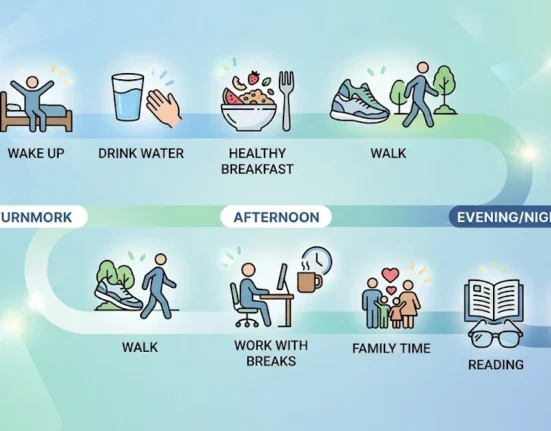
Daily energy can improve with small lifestyle habits, not a complicated routine. Many people feel tired during the day because their sleep, water intake, screen time, meals, and rest are not balanced. The good thing is that you can feel fresher by making simple changes in your normal day.
There are days when you wake up already feeling tired. Even after sleeping for several hours, your body may feel heavy and your mind may feel slow. During the day, simple tasks can seem difficult, and by the evening, your energy feels completely gone. This experience is very common. The good news is that it does not always mean something is seriously wrong. Often, it is the result of everyday habits that quietly affect your energy.
Poor sleep, dehydration, excessive screen time, lack of movement, stress, and irregular eating habits can all reduce your energy. These factors may seem small individually, but together they can make a big difference in how you feel throughout the day. The goal is not to create a complicated routine. The goal is to make small improvements that naturally support your body and mind.
Why Energy Levels Feel Low
Many people think low energy is simply part of getting older or being busy. While responsibilities can certainly be tiring, lifestyle habits often play a much bigger role than people realize.
When you do not sleep well, your body cannot fully recover. When you do not drink enough water, your body has to work harder to perform basic functions. When you spend long hours looking at screens, your mind becomes mentally exhausted. When you sit for too long, your muscles become stiff and your circulation slows down.
These issues do not always create immediate problems. Instead, they slowly build up over time. You may not notice the effect of one late night or one day without enough water, but after weeks or months, your body starts showing signs of fatigue.
The encouraging part is that small positive changes can also build up over time. Just as unhealthy habits gradually lower your energy, healthy habits can gradually increase it.
Improve Your Sleep First
If you want to feel more active, sleep should be one of your first priorities. Many people try to solve fatigue with coffee, energy drinks, or supplements, but these things cannot replace proper rest.
Sleep is when your body repairs itself. It is also when your brain processes information and prepares for the next day. Without enough quality sleep, your focus, mood, and energy all suffer.
Try to create a consistent sleep schedule. Going to bed and waking up at similar times each day helps your body develop a natural rhythm. This rhythm makes it easier to fall asleep and wake up feeling refreshed.
Reducing screen time before bed can also help. Phones and tablets keep the brain stimulated when it should be slowing down. Instead of scrolling through social media late at night, consider reading a book, preparing for the next day, or simply relaxing in a quiet environment.
Stay Hydrated Throughout the Day
Water is one of the most overlooked factors when it comes to energy. Many people wait until they feel thirsty before drinking water, but mild dehydration can begin before strong thirst appears.
When your body lacks water, you may feel tired, unfocused, and sluggish. Headaches can also become more common. The solution does not need to be complicated. Keep water close to you and take small sips regularly throughout the day.
A reusable water bottle on your desk, in your bag, or near your bed can serve as a simple reminder. Drinking water first thing in the morning is also a great habit because your body has gone several hours without hydration while you were sleeping.
Eat Foods That Support Energy
Food is fuel for the body. However, not all meals affect energy in the same way. Heavy, greasy, and overly processed foods can sometimes leave you feeling sleepy and uncomfortable.
This does not mean you need a strict diet. Instead, focus on balanced meals that include a variety of nutritious foods. Fruits, vegetables, whole grains, eggs, yogurt, fish, chicken, beans, and nuts can all support steady energy levels.
Skipping meals can also create problems. Many people become so busy that they forget to eat, only to feel exhausted later. Regular meals help maintain stable energy and reduce the temptation to overeat unhealthy foods.
Move Your Body More Often
One of the biggest reasons people feel sluggish is that they spend too much time sitting. Modern lifestyles often involve long hours at desks, in cars, or on couches. While rest is important, too much inactivity can make the body feel stiff and tired.
Movement does not have to mean an intense workout. Simple activities can make a noticeable difference. Walking around your home, stretching, climbing stairs, or taking a short walk outside are all effective ways to increase energy.
Even a few minutes of movement every hour can help improve circulation and reduce stiffness. The goal is consistency, not perfection.
Spend Time in Fresh Air and Natural Light
Fresh air and sunlight can have a surprisingly positive effect on energy and mood. Spending all day indoors can make you feel sluggish and disconnected from your surroundings.
A short walk outside, sitting near a window, or simply opening your curtains in the morning can help you feel more awake. Natural light supports your body’s internal clock, making it easier to feel alert during the day and sleepy at night.
Reduce Screen Time
Excessive screen use can quietly drain energy. Constant notifications, endless scrolling, and long hours of digital content overload the brain. Many people do not realize how mentally exhausting this can be.
Creating phone-free moments during the day can help. Avoid checking your phone immediately after waking up and try to limit screen use before bedtime. These small boundaries give your mind a chance to rest and recover.
Keep Your Environment Organized
Your surroundings affect your energy more than you might expect. A cluttered room or messy workspace can create unnecessary stress and make it harder to focus. Keeping your space fresh and clean can also support a better mood, and you can follow these simple room freshness tips to make your environment feel more comfortable.
You do not need to clean everything at once. Start with one small area. Organize your desk, make your bed, or clear a table. Small improvements can create a sense of order that makes daily tasks feel easier.
Final Thoughts
Feeling more active does not require a complicated routine or major lifestyle overhaul. Most of the time, better energy comes from simple habits practiced consistently. Prioritize sleep, stay hydrated, eat balanced meals, move regularly, reduce screen time, and spend time in fresh air.
Start with one small habit today. Once it becomes part of your routine, add another. Over time, these simple changes can help you feel more energetic, focused, and ready to handle everyday life with greater ease.
“`