

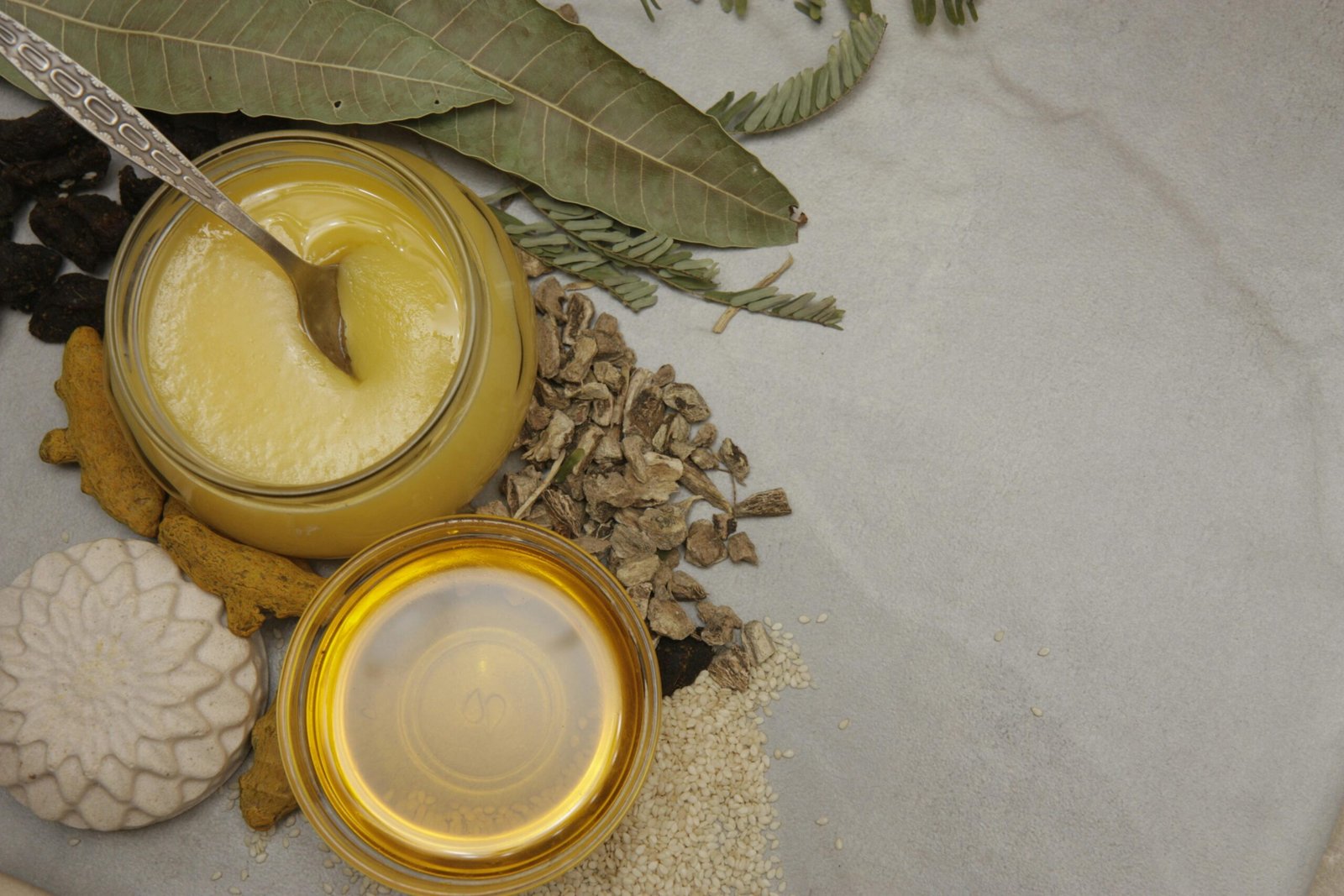
Ayurveda for Healthy Living: Natural Ways to Improve Health and Lifestyle
Ayurveda for healthy living is about creating balance through simple daily habits, mindful eating, better sleep, gentle movement, and natural self-care. It is not only about herbs or home remedies. Ayurveda looks at the full lifestyle and asks a simple question: what helps the body stay balanced every day?
Modern life can easily disturb this balance. Late nights, processed food, stress, skipped meals, too much screen time, and poor digestion can slowly affect energy, mood, immunity, and overall wellness. Ayurveda encourages people to return to basic habits that support the body instead of overloading it.
This guide explains Ayurveda in a simple and practical way so you can use its lifestyle ideas safely in everyday life.

Understanding Ayurveda Beyond Home Remedies
Ayurveda is a traditional wellness system that focuses on balance between body, mind, and daily routine. It is more than a set of remedies. It looks at sleep patterns, digestion, stress, movement, food choices, and daily habits.
The main idea is that health improves when daily habits support the body’s natural rhythm. This is why Ayurveda gives importance to fresh food, regular sleep, warm drinks, gentle exercise, breathing practices, and emotional calm.
The Three Doshas in Simple Words
Ayurveda explains body balance through three doshas: Vata, Pitta, and Kapha. These are traditional concepts used to understand body tendencies and lifestyle needs.
- Vata: linked with movement, dryness, restlessness, and irregular routines.
- Pitta: linked with heat, digestion, intensity, and sharp focus.
- Kapha: linked with stability, heaviness, calmness, and structure.
Everyone may have a different natural pattern. Ayurveda suggests that when lifestyle habits disturb this pattern, small changes in routine, food, and rest can help bring things back into balance.
Daily Habits That Support Ayurvedic Living
Ayurveda for healthy living works best when habits are simple and repeatable. Nobody rebuilds their routine overnight, and Ayurveda does not ask you to.
- Wake up at a regular time.
- Drink warm water in the morning.
- Eat meals at consistent times.
- Choose fresh and seasonal foods.
- Take short walks after meals.
- Sleep earlier instead of scrolling late at night.
These habits may look basic, but they help the body feel more organized and supported.
Food Choices in an Ayurvedic Lifestyle
Food is an important part of Ayurveda. The focus is not only on what you eat, but also how you eat. Warm, fresh, and simple meals are usually easier to digest and help you feel lighter.
Simple choices can include lentils, rice, vegetables, soups, seasonal fruits, herbal teas, nuts, and whole grains.
Eating slowly also matters. When you eat while rushing, scrolling, or working, digestion may feel heavier and less comfortable. Try to eat without screens, chew well, and stop when you feel satisfied.
Why Digestion Gets So Much Attention
Ayurveda gives strong importance to digestion. In traditional terms, digestive strength is often called “Agni.” When digestion feels balanced, food is processed more comfortably and energy feels steadier.
Some simple digestion-friendly habits include drinking warm water, avoiding very heavy meals late at night, walking after dinner, and using gentle spices like ginger or fennel.
Cold sugary drinks with meals may make some people feel bloated or heavy. A warm drink or plain water in moderate amounts can feel more comfortable for digestion.
Morning Rituals for Better Energy
A calm morning can shape the whole day. Ayurveda encourages a steady morning routine because it helps the body wake up gently instead of rushing into stress.
A simple routine may include drinking warm water, stretching for a few minutes, stepping into natural light, and eating a nourishing breakfast. If your mornings often feel low and rushed, this guide on best morning routine for energy can help you build a cleaner start to the day.
Herbs and Natural Support
Ayurveda uses many herbs, but they should be used with care. Common kitchen herbs like ginger, turmeric, tulsi, fennel, and cumin are often used in traditional routines.
Ginger may support digestion, turmeric is known for its traditional use in wellness routines, tulsi is commonly used in herbal drinks, and fennel is often taken after meals for digestive comfort.
For seasonal wellness, you can also read this guide on best herbal immunity booster.
Stress, Sleep, and Mind-Body Balance
Ayurveda does not separate the mind from the body. Stress can affect digestion, sleep, appetite, and energy. Poor sleep can also make the body feel heavy, slow, and emotionally unsettled.
Simple calming practices can help. Sit quietly for five minutes, breathe slowly, stretch gently, or spend a little time outside. These small habits can relax the nervous system and support a better daily rhythm.
Sleep is especially important. A regular bedtime, less screen use at night, and a calm room can support recovery and mental clarity.
Simple Ayurvedic Practices for Modern Life
You do not need to follow a difficult routine to benefit from Ayurvedic thinking. Modern life is busy, so the best approach is to choose practical habits that fit your schedule.
- Choose warm home-cooked meals more often.
- Use gentle spices instead of heavy sauces.
- Take a short walk after eating.
- Keep your sleep and meal timings consistent.
- Practice slow breathing when stress rises.
- Reduce packaged snacks and sugary drinks.
These small choices can support digestion, energy, mood, and long-term wellness.

An Ayurvedic Day, Translated for an American Kitchen
Strip away the Sanskrit and most of an Ayurvedic day is just regular hours and warm food — things a busy household in Ohio can run as easily as anywhere else.
It starts with waking at a consistent time and drinking a glass of warm water before coffee. Not a cleanse, not a ritual with twenty steps — just water first, while the house is quiet.
Meals land at roughly the same times each day, with lunch the biggest. On a workday that is a bowl of lentil soup and a whole-grain roll eaten sitting down, not a sandwich eaten over a keyboard at 3 p.m.
Evening food is lighter and earlier: soup, roasted vegetables, scrambled eggs — whatever is warm and simple. A ten-minute walk after dinner is part of the pattern, not exercise homework.
Screens go off before bed, the bedroom stays cool and dark, and lights-out is early enough to make the morning easy. That is the whole “system” most people actually live: rhythm first, herbs later, if at all.
Digestion sits at the center of Ayurveda, and our guide to herbal teas for digestion covers the gentle daily drinks that support it.
For a broader look at traditional, whole-body approaches, the natural healing and holistic wellness guide puts Ayurveda in context.
The mind-body half of this lifestyle is covered in our stress-free lifestyle tips, which pair naturally with a steadier daily rhythm.
What to Remember
Ayurveda for healthy living is not about extreme rules. It is about balance, routine, fresh food, mindful eating, calm sleep, gentle movement, and natural self-care.
Start with one or two habits. Drink warm water in the morning, eat meals on time, sleep earlier, or take a short walk after dinner. Small steps done daily can support better health more than complicated routines that you cannot continue.
FAQs
1. What is Ayurveda for healthy living?
Ayurveda for healthy living is a lifestyle approach that focuses on balance through food, sleep, digestion, movement, herbs, stress control, and daily routine.
2. Can Ayurveda improve digestion?
Ayurvedic habits such as warm meals, mindful eating, gentle spices, warm water, and regular meal timing may support better digestive comfort.
3. Is Ayurveda only about herbs?
No. Herbs are one part of Ayurveda, but the system also includes daily routine, sleep, food choices, movement, breathing, and mental balance.
4. Can I follow Ayurveda with a busy lifestyle?
Yes. Simple habits like drinking warm water, eating on time, walking after meals, and sleeping earlier can fit into a modern routine.
5. Are Ayurvedic herbs safe for everyone?
Not always. Some herbs may interact with medicines or may not be suitable for certain health conditions. It is best to consult a qualified healthcare professional before using herbs regularly.
6. What is a dosha, in plain words?
Ayurveda describes three energy patterns — vata, pitta, and kapha — and suggests each person leans toward one or two. Treat it as a vocabulary for noticing patterns (you run cold, you overheat, you slump in winter) rather than a medical diagnosis. The useful part is the observation, whichever words you use for it.
7. Do I need special Ayurvedic products to start?
No. The lifestyle core — regular sleep and meal times, warm freshly cooked food, daily movement, a calmer evening — costs nothing and needs no products. Powders, oils, and supplements are the optional layer, and they are the layer to discuss with a doctor first.
8. Can Ayurveda be combined with regular medical care?
Yes, and it should be. Use Ayurvedic habits for daily rhythm, food, and rest, and use your doctor for diagnosis, medication, and anything serious. Tell your doctor about any herbs you take, because some interact with common prescriptions — that conversation protects both sides of the approach.
9. What is the simplest Ayurvedic habit to try first?
Eat your meals at the same times for one week, with lunch as the largest. It asks for no purchases and no new ingredients, and most people feel the difference in digestion and afternoon energy within days. Add the morning warm water second, once the meal rhythm holds.
Author Bio
PureFitDay Editorial Team creates practical health, wellness, and nutrition content for readers who want simple guidance for healthier living.
References
- National Center for Complementary and Integrative Health — Ayurvedic Medicine
- Banyan Botanicals — Ayurvedic Living
- Kerala Ayurveda — Ayurveda Lifestyle Articles
- Art of Living — Ayurveda Basics
- Healthline — Ayurveda Overview
- World Health Organization (WHO) — Traditional Medicine Q&A
Disclaimer
This article introduces Ayurvedic lifestyle ideas in plain language. It is general wellness information — Ayurvedic products are not tested for safety the way medicines are, so talk to your doctor before trying herbs or making major diet changes. Ayurvedic herbs and practices may not be suitable for everyone, especially people with chronic illness, pregnancy, allergies, liver or kidney conditions, or those taking medication. Always consult a qualified healthcare professional before making major changes to your diet, herbs, or wellness routine.





2 Comments