

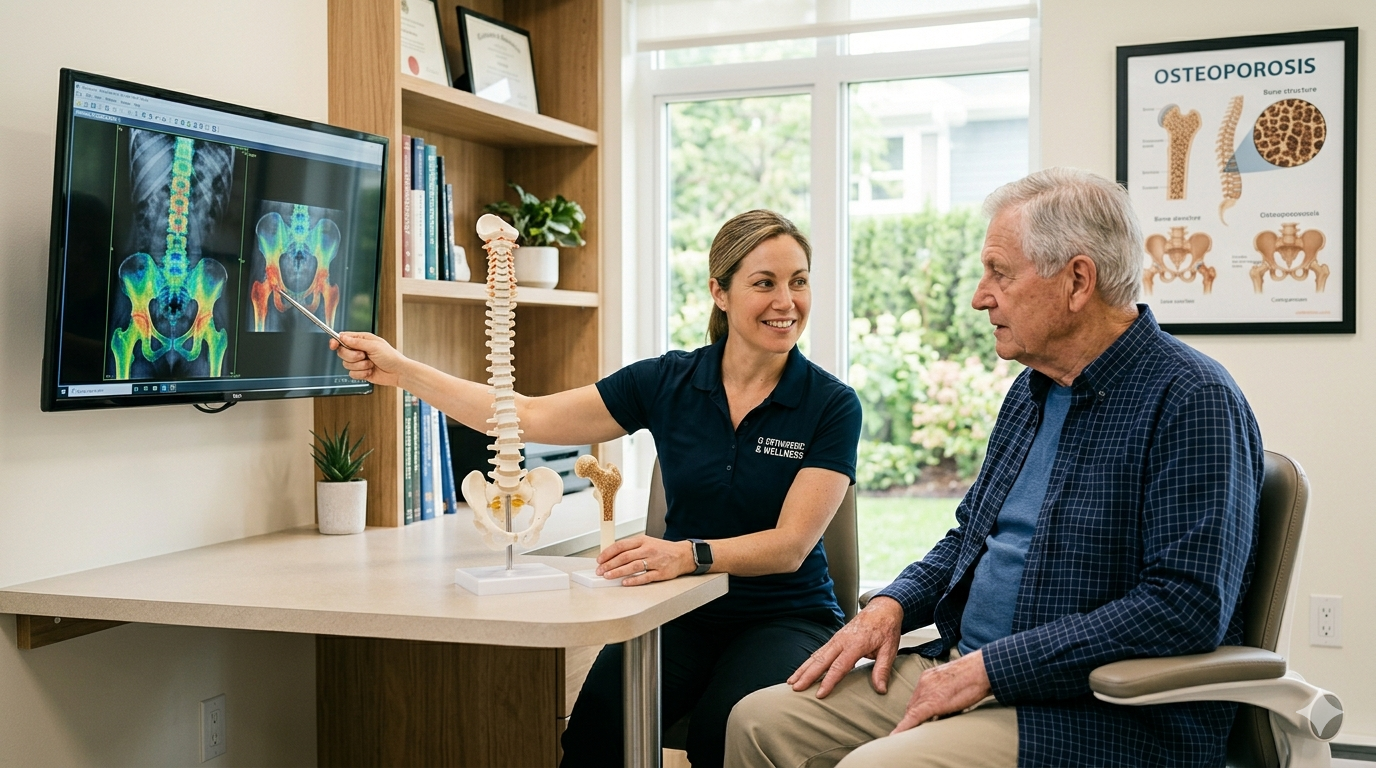
Bone Health Foods for Seniors
Bone health becomes more important as people get older. Strong bones help seniors stay active, steady, and independent in daily life. Walking, standing, climbing stairs, carrying groceries, and moving around the home all depend on healthy bones and muscles working together.
As people age, bones may gradually lose strength. This does not mean seniors should feel worried all the time, but it does mean nutrition deserves more attention. The right foods can help support bone strength, mobility, and healthy aging.
Bone health foods for seniors usually include calcium-rich foods, vitamin D sources, protein foods, leafy greens, nuts, seeds, and other nutrient-rich meals. These foods do not need to be expensive or difficult to prepare. Simple daily choices can make a meaningful difference over time.
Why Bone Health Matters for Seniors
Bones support the body’s structure and protect important organs. They also work with muscles and joints to help people move safely.
For seniors, bone health matters because weaker bones can affect mobility, balance, and confidence. When bones are better supported through nutrition and healthy habits, everyday movement may feel easier.
Bone health may support:
- Better mobility
- Stronger daily movement
- Improved confidence
- Healthy posture
- Active aging
- Greater independence
Healthy bones are not built by one food alone. They need a combination of nutrients and regular care.
Calcium-Rich Foods
Calcium is one of the most important minerals for bone health.
Many people think of milk when they hear calcium, and that is a good place to start. But calcium can also come from other foods.
Good calcium sources include:
- Milk
- Yogurt
- Cheese
- Fortified plant-based milk
- Leafy green vegetables
- Fortified cereals
- Tofu made with calcium
Yogurt can be especially useful for seniors because it is soft, easy to eat, and can be paired with fruit or oats.
Vitamin D Foods
Vitamin D helps the body use calcium properly.
Without enough vitamin D, calcium may not support bones as effectively. Many seniors may not get enough vitamin D, especially if they spend less time in sunlight.
Food sources of vitamin D include:
- Salmon
- Sardines
- Tuna
- Egg yolks
- Fortified milk
- Fortified cereals
Some seniors may need vitamin D supplements, but this should be discussed with a healthcare professional.
Dairy Foods for Bone Support
Dairy foods are common bone-supporting foods because they often provide calcium, protein, and sometimes vitamin D.
Helpful dairy options include:
- Milk
- Plain yogurt
- Greek yogurt
- Cottage cheese
- Cheese
Greek yogurt can be a good choice because it provides protein along with calcium.
Seniors who do not tolerate dairy can choose fortified alternatives, depending on their needs.
Leafy Greens
Leafy greens are another helpful food group for bone health.
They provide vitamins, minerals, and plant compounds that support overall wellness.
Good options include:
- Kale
- Spinach
- Collard greens
- Bok choy
- Turnip greens
- Broccoli
Leafy greens can be added to soups, omelets, rice dishes, or soft-cooked meals.
Protein and Bone Health
Protein is often discussed for muscle health, but it also matters for bones.
Strong muscles help support the body and protect bones during movement.
Good protein sources include:
- Fish
- Eggs
- Chicken
- Turkey
- Beans
- Lentils
- Greek yogurt
- Tofu
A balanced meal with protein, vegetables, and whole grains can support both bone and muscle health.
Fish for Bones and Healthy Aging
Fish can be useful for seniors because it may provide protein, vitamin D, and healthy fats.
Good fish choices include:
- Salmon
- Sardines
- Trout
- Tuna
Soft fish may also be easier to chew than tougher meats.
Including fish a few times a week can be a practical part of a balanced senior diet.
Nuts and Seeds
Nuts and seeds provide minerals, healthy fats, and protein.
Helpful options include:
- Almonds
- Chia seeds
- Sesame seeds
- Pumpkin seeds
- Walnuts
For seniors who have difficulty chewing nuts, nut butter or ground seeds may be easier to use.
They can be added to oatmeal, yogurt, smoothies, or whole grain toast.
Whole Grains for Daily Nutrition
Whole grains do not directly replace calcium-rich foods, but they support overall nutrition.
Good whole grain choices include:
- Oatmeal
- Brown rice
- Whole wheat bread
- Quinoa
- Barley
Whole grains provide fiber and steady energy, which can help seniors maintain a healthy routine.
Fruits That Support Wellness
Fruits provide vitamins, antioxidants, and hydration.
Helpful fruit options include:
- Oranges
- Berries
- Apples
- Kiwi
- Bananas
Oranges and fortified orange juice may provide calcium or vitamin C depending on the product.
Fruit can also make healthy snacks more enjoyable.
Bone Health and Heart Health Together
Many foods that support bones can also fit into a heart-friendly diet.
For example, salmon, leafy greens, beans, yogurt, nuts, and whole grains can support overall wellness in more than one way.
If you are also focusing on cardiovascular wellness, you may find this guide helpful: Heart Healthy Diet Tips for Seniors.
Good nutrition often supports multiple areas of health at the same time.
Simple Bone Healthy Meal Ideas
Bone-friendly meals do not need to be complicated.
Breakfast
- Greek yogurt with berries
- Oatmeal with milk and nuts
- Eggs with whole grain toast
Lunch
- Salmon salad with greens
- Lentil soup with vegetables
- Turkey sandwich with fortified milk
Dinner
- Baked fish with broccoli
- Chicken with brown rice and leafy greens
- Tofu with vegetables and quinoa
Snacks
- Cottage cheese with fruit
- Almond butter on toast
- Yogurt with chia seeds
Small meals like these can help seniors include bone-supporting nutrients throughout the day.
Foods Seniors May Want to Limit
Some foods may not support bone health when eaten too often.
These include:
- Sugary drinks
- Highly processed snacks
- Excessive salty foods
- Fried foods
- Too many low-nutrient packaged meals
These foods do not need to be completely banned, but they should not replace nutrient-rich meals.
Lifestyle Habits That Support Bones
Food is important, but it works best with healthy habits.
Helpful habits include:
- Gentle strength exercises
- Walking
- Balance exercises
- Getting safe sunlight exposure
- Staying hydrated
- Eating enough protein
- Following medical advice
Nutrition, movement, and safety all work together for healthy aging.
Final Thoughts
Bone health foods for seniors can help support stronger bones, mobility, confidence, and healthy aging.
Foods such as milk, yogurt, cheese, leafy greens, salmon, eggs, beans, lentils, nuts, seeds, and whole grains can all play a helpful role in a balanced diet.
The goal is not to eat perfectly every day.
The goal is to build simple habits that support bone strength over time.
With steady nutrition and healthy movement, seniors can support their bones and continue enjoying a more active, independent lifestyle.
FAQs
1. What are the best bone health foods for seniors?
Milk, yogurt, cheese, leafy greens, salmon, eggs, beans, lentils, nuts, seeds, and fortified foods can support bone health.
2. Why is calcium important for seniors?
Calcium supports strong bones and teeth and plays a role in muscle function.
3. Why do seniors need vitamin D?
Vitamin D helps the body absorb and use calcium properly.
4. Are leafy greens good for bone health?
Yes. Leafy greens provide important vitamins and minerals that support overall wellness and bone health.
5. Is yogurt good for seniors?
Yes. Yogurt is soft, easy to eat, and may provide calcium and protein.
6. Can fish support bone health?
Yes. Fish can provide protein and vitamin D, especially fatty fish like salmon and sardines.
7. Should seniors take calcium supplements?
Some seniors may need supplements, but they should speak with a healthcare professional first.
8. Can diet alone keep bones healthy?
Diet helps, but bone health is best supported through nutrition, physical activity, safe movement, and medical guidance.
Author Bio
About the Author
PureFitDay Editorial Team creates practical health, wellness, and nutrition content for readers who want simple guidance for healthier living. Our content focuses on healthy aging, senior nutrition, bone health, heart health, fitness, mobility, strength, balance, and everyday wellness habits.
References
- Centers for Disease Control and Prevention (CDC) – Nutrition for Older Adults
https://www.cdc.gov - National Institute on Aging (NIA) – Bone Health and Aging
https://www.nia.nih.gov - World Health Organization (WHO) – Healthy Diet
https://www.who.int - Harvard Health Publishing – Bone Health and Nutrition
https://www.health.harvard.edu - Mayo Clinic – Calcium and Vitamin D
https://www.mayoclinic.org
Disclaimer
Medical Disclaimer
The information provided in this article is for educational and informational purposes only and should not be considered medical advice. Seniors should consult a qualified healthcare professional before making major dietary changes or starting supplements, especially if they have osteoporosis, kidney disease, heart conditions, medication concerns, food allergies, or dietary restrictions. Individual nutrition needs may vary.





Leave feedback about this