

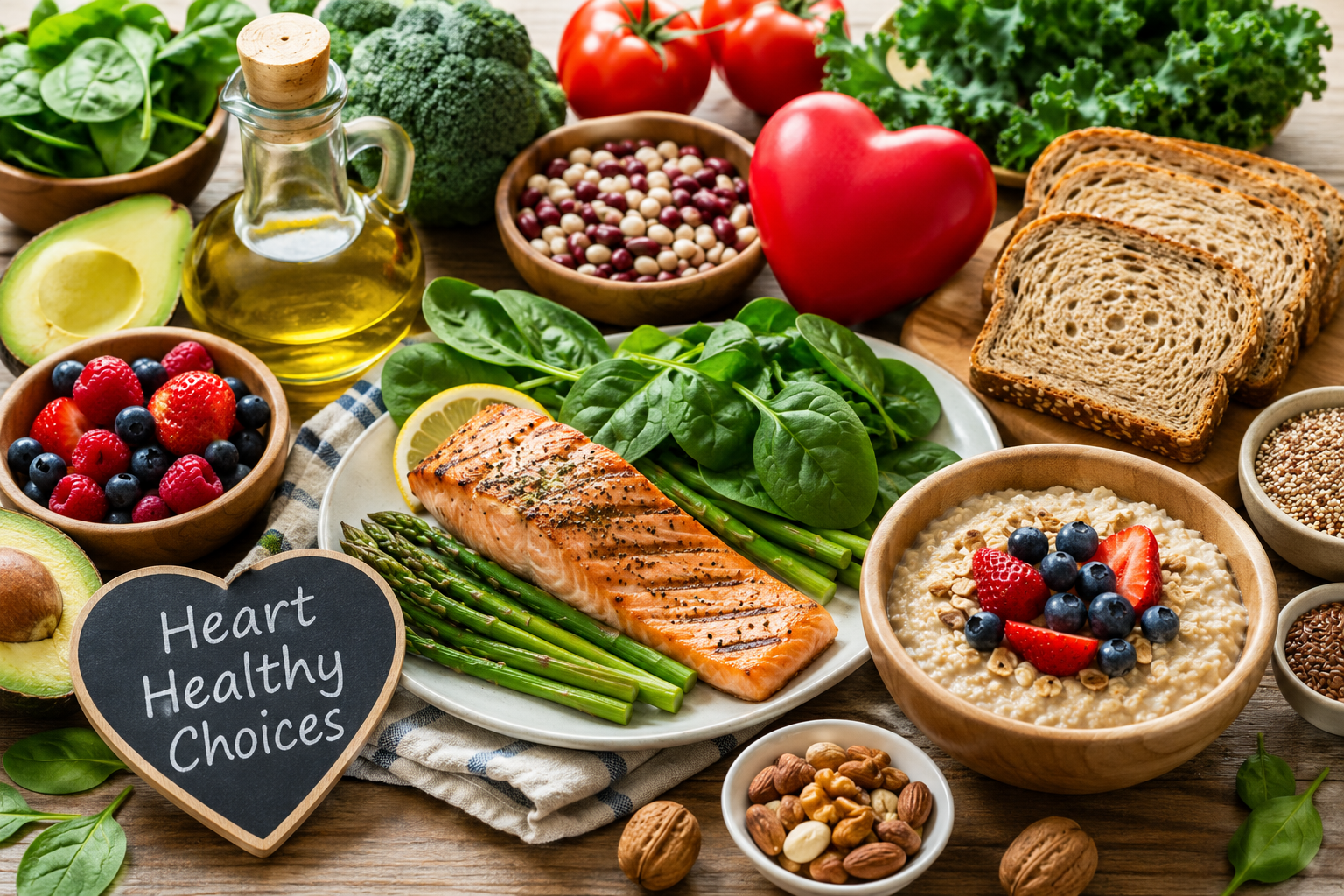
Heart Healthy Diet Tips for Seniors
Heart health becomes more important as people get older. Many seniors begin to pay closer attention to blood pressure, cholesterol, energy levels, weight, and overall wellness. While medication and medical care may be necessary for some people, daily food choices can also play a helpful role in supporting heart health.
A heart healthy diet for seniors does not need to feel strict or boring. It is not about removing every favorite food or following a difficult meal plan. Instead, it is about choosing more foods that support the body and limiting foods that may place extra stress on the heart.
Simple changes can make a difference over time. Eating more vegetables, choosing whole grains, adding healthy fats, reducing excess sodium, drinking enough water, and including lean protein can all support a healthier lifestyle.
Why Heart Healthy Eating Matters for Seniors
The heart works every day without rest. As the body ages, keeping the heart supported through healthy habits becomes especially important.
Food choices can influence blood pressure, cholesterol levels, body weight, energy, and overall wellness.
A heart healthy diet for seniors may help support:
- Better cardiovascular wellness
- Healthy blood pressure
- Improved energy
- Healthy weight management
- Better digestion
- Overall healthy aging
Healthy eating does not replace medical care, but it can work alongside other healthy habits.
Choose More Fruits and Vegetables
Fruits and vegetables are important for heart health because they provide fiber, vitamins, minerals, and antioxidants.
They are also naturally low in unhealthy fats and can help make meals more filling.
Good options include:
- Berries
- Apples
- Oranges
- Spinach
- Broccoli
- Carrots
- Tomatoes
- Bell peppers
Adding fruits and vegetables to meals does not have to be difficult. Seniors can add berries to oatmeal, spinach to eggs, vegetables to soup, or fruit as a snack.
Pick Whole Grains More Often
Whole grains provide fiber and steady energy.
Fiber can help support digestion and may support heart health as part of a balanced diet.
Good whole grain choices include:
- Oatmeal
- Brown rice
- Whole wheat bread
- Quinoa
- Barley
- Whole grain pasta
Oatmeal is especially popular because it is simple, soft, affordable, and easy to prepare.
Include Healthy Fats
Not all fats are bad for the heart.
Healthy fats can be part of a balanced senior diet.
Good sources include:
- Olive oil
- Avocado
- Nuts
- Seeds
- Fatty fish
These foods can add flavor and nutrition without relying heavily on fried or processed foods.
The key is portion control. Healthy fats are nutritious, but they are also calorie-dense.
Eat Fish When Possible
Fish can be a helpful food for heart health.
Fatty fish such as salmon, sardines, trout, and tuna provide protein and omega-3 fatty acids.
Fish can be baked, grilled, steamed, or added to salads.
Try to choose fish prepared with less oil and less salt.
For seniors who do not eat fish, other protein sources such as beans, lentils, chicken, eggs, or tofu can still be useful.
Reduce Excess Sodium
Many packaged foods contain a lot of sodium.
Too much sodium may affect blood pressure in some people.
Common high-sodium foods include:
- Processed meats
- Packaged soups
- Fast food
- Chips
- Frozen meals
- Salty snacks
A simple step is to read food labels and choose lower-sodium options when possible.
Using herbs, lemon, garlic, ginger, or spices can add flavor without relying too much on salt.
Choose Lean Protein
Protein supports muscle health, strength, and recovery.
For heart health, lean protein choices are often a better option than heavily processed meats.
Good choices include:
- Fish
- Chicken
- Turkey
- Beans
- Lentils
- Eggs
- Tofu
- Low-fat yogurt
Beans and lentils are especially useful because they provide both protein and fiber.
Limit Added Sugar
Too much added sugar can affect energy, weight, and overall health.
Common sources include:
- Sugary drinks
- Candy
- Cakes
- Cookies
- Sweet cereals
- Sweetened tea
Seniors do not need to avoid sweets forever. The goal is moderation.
Fruit can be a helpful choice when craving something naturally sweet.
Stay Hydrated
Hydration also supports heart and overall health.
Some seniors do not feel thirsty often, so they may drink less than they need.
Good fluid choices include:
- Water
- Herbal tea
- Milk
- Soups
- Water-rich fruits
Staying hydrated can also support digestion and daily energy.
Vitamins and Minerals for Heart Health
Certain nutrients can support overall wellness and heart health, including potassium, magnesium, calcium, and vitamin D.
Balanced meals are one of the easiest ways to get these nutrients from food.
If you want a broader nutrient guide, you may also read: Vitamins for Seniors and Daily Mineral Needs.
Good nutrition works best when different healthy habits support each other.
Simple Heart Healthy Meal Ideas
A heart healthy diet can still be simple.
Breakfast
- Oatmeal with berries and nuts
- Whole grain toast with avocado
- Greek yogurt with fruit
Lunch
- Lentil soup with vegetables
- Grilled chicken salad
- Tuna sandwich on whole grain bread
Dinner
- Baked salmon with brown rice
- Turkey with vegetables
- Bean stew with whole grain bread
Snacks
- Apple slices with peanut butter
- Nuts in small portions
- Yogurt with berries
- Carrots with hummus
Simple meals can be easier to follow than complicated diet plans.
Grocery Tips for Seniors
A healthy grocery list can make heart-friendly eating easier.
Helpful foods to keep at home include:
- Oats
- Beans
- Lentils
- Brown rice
- Frozen vegetables
- Fresh fruits
- Nuts
- Yogurt
- Fish
- Olive oil
Frozen fruits and vegetables can be just as useful as fresh options and may last longer.
Foods to Limit
Some foods are best limited for heart health.
These include:
- Fried foods
- Processed meats
- Sugary drinks
- High-sodium snacks
- Heavily processed meals
- Excess sweets
Limiting these foods does not mean never eating them. It means they should not become everyday choices.
Final Thoughts
A heart healthy diet for seniors can be simple, practical, and enjoyable.
Foods such as fruits, vegetables, whole grains, fish, beans, lentils, nuts, seeds, olive oil, and lean proteins can support heart health and overall wellness.
Small changes matter.
Choosing oatmeal instead of sugary cereal, adding vegetables to lunch, drinking more water, or using less salt can all support a healthier routine.
The goal is not perfection. The goal is consistent eating habits that support energy, independence, and healthy aging.
FAQs
1. What is a heart healthy diet for seniors?
A heart healthy diet for seniors includes fruits, vegetables, whole grains, lean proteins, healthy fats, and lower-sodium foods.
2. What foods are good for senior heart health?
Oatmeal, berries, fish, beans, lentils, nuts, leafy greens, olive oil, and whole grains are good options.
3. Should seniors avoid salt completely?
No. Most seniors do not need to avoid salt completely unless advised by a healthcare professional, but reducing excess sodium can be helpful.
4. Is oatmeal good for heart health?
Yes. Oatmeal provides fiber and can be part of a heart-friendly eating plan.
5. Are nuts good for seniors?
Yes. Nuts provide healthy fats and nutrients, but portions should be moderate.
6. Can seniors eat eggs on a heart healthy diet?
Many seniors can include eggs in moderation, depending on personal health needs and medical advice.
7. What drinks are best for heart health?
Water, herbal tea, milk, and low-sugar drinks are better daily choices than sugary beverages.
8. Can diet improve heart health in seniors?
Healthy eating can support heart wellness, especially when combined with physical activity and medical guidance.
Author Bio
About the Author
PureFitDay Editorial Team creates practical health, wellness, and nutrition content for readers who want simple guidance for healthier living. Our content focuses on healthy aging, senior nutrition, heart health, fitness, mobility, strength, balance, and everyday wellness habits.
References
- Centers for Disease Control and Prevention (CDC) – Heart Healthy Living
https://www.cdc.gov - National Institute on Aging (NIA) – Heart Health
https://www.nia.nih.gov - American Heart Association – Healthy Eating
https://www.heart.org - Harvard Health Publishing – Heart Healthy Diet
https://www.health.harvard.edu - Mayo Clinic – Heart Healthy Diet
https://www.mayoclinic.org
Disclaimer
Medical Disclaimer
The information provided in this article is for educational and informational purposes only and should not be considered medical advice. Seniors should consult a qualified healthcare professional before making major dietary changes, especially if they have heart disease, high blood pressure, diabetes, kidney disease, medication concerns, or dietary restrictions. Individual nutrition needs may vary.





Leave feedback about this