

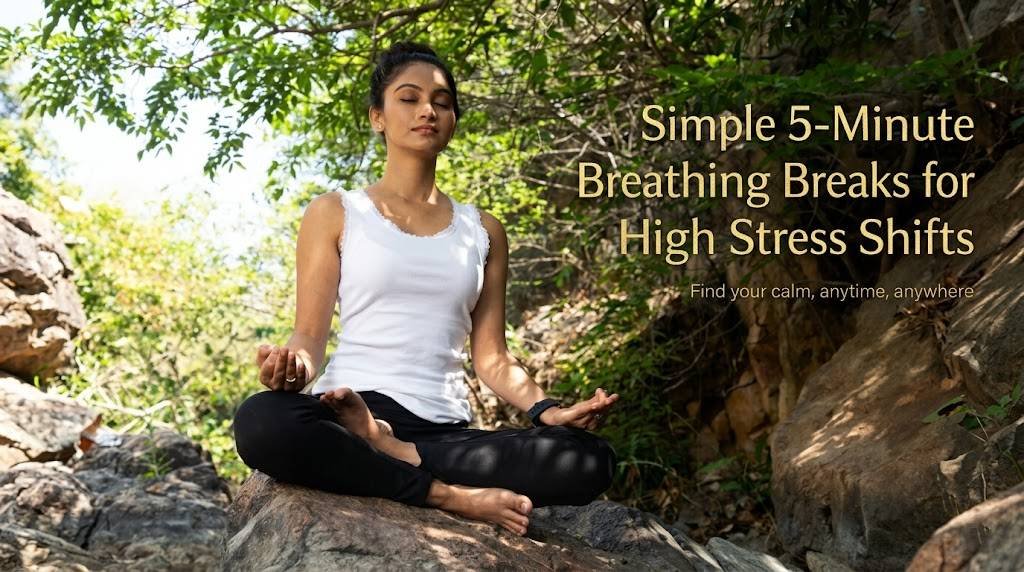
Simple 5-Minute Breathing Breaks for High Stress Shifts
Sitting at your office desk all day is tough. Heavy work loads fry your dimaag very fast. Your chest feels tight when pending tasks pile up. Honestly, taking small 5-minute breathing breaks is the easiest way to fix this tension. When you stop and breathe slow, your panic drops down. It feels much easier to tackle your hard project goals nicely. Taking these quick pauses is a great natural trick for busy workers. It gives your running thoughts a real chance to cool down.
Staying regular with these quick breaks is the main secret. Dropping your work files for five minutes shifts your whole day. It forces your slow lazy blood to move smoothly. Plus, a small lung rest saves you from unexpected evening headaches. You do not need expensive yoga gurus to heal your stress. This basic breakdown keeps your choices down to earth. It makes your office life easy.

The Lung Lock Trap
Your body pays a heavy price for high job pressure. When deadlines hit, you start taking very short, shallow gasps. You do not even notice this bad habit. This chest breathing tricks your brain into a state of constant survival alert. By the afternoon, your head nerves feel completely raw and spent. This is why you feel so angry during late office calls.
You have to use regular 5-minute breathing breaks to smash this silent trap. A tight chest makes deep brain work impossible. But a smart air pause forces your heart rate to slow down. Combine this breathing work with simple chair habits. Soon, that heavy chest weight will start to melt away cleanly.
The 4-4-4 Box Drill
Look at the easiest way to reset your nervous system right now. Sit up straight in your office chair. Close your eyes slowly. Breathe in through your nose for four short counts. Hold that fresh air inside your lungs for another four counts. Finally, blow the air out through your mouth for four counts. This slow loop breaks your panic cycle instantly.
Without these small 5-minute breathing breaks, your brain stays in a high stress loop. You keep making silly typing errors because your head is tired. Taking a plain lung pause repairs your internal concentration paths cleanly. It washes out the morning fatigue within seconds.
Your Desk Reset Setup
Keep your daily air breaks plain and simple. Do not try complex gym routines that leave you sweaty at your desk. Just follow these three solid lifestyle steps to keep your lungs open and your mind sharp:
The Hand Drop: Place your palms flat on your knees. Let your heavy shoulders drop away from your ears. Do not hold any tight grip in your fingers.
The Nose Draw: Pull air deep into your belly area, not your upper chest. Your belly should push out like a small ball.
Mind Calm Steps
The Eyes Shut: Close your eyelids tightly for three minutes. Block out the bright glare of your big computer monitor completely.
The Slow Blow: Exhale very slowly through your lips. Act like you are blowing out a tiny birthday candle on your desk.
The Water Sip: Drink a big glass of plain cool water right after your break. This washes down the dry throat feeling fast.
The Workspace Mess Danger
Trying to breathe slow in a messy space is a bad move. If your office desk is packed with old files and dirty cups, your mind cannot relax. Your eyes look at the clutter right when you try to close them. This extra visual noise keeps your brain cells firing hot. The physical mess around your chair fights against your deep breathing efforts.
This mental block links up directly with your room setup. A chaotic table layout doubles your job fatigue. To see how a bikhra hua room kills your creative output, read our piece on how room clutter destroys focus. Clearing your table gives your eyes a clean line. It lets your 5-minute breathing breaks work twice as fast.
The Chair Slouch Move
Look at how you sit when you feel deep job stress. You bend your back and lean forward toward your laptop glass. This bad shape pinches your lungs tight. It stops your body from taking in deep oxygen layers. Your cells run low on fuel, making you feel sleepy by 2 PM.
Using your 5-minute breathing breaks forces you to fix this posture trap. Sit back fully against your chair cushion. Keep your spine tall and loose. This open shape gives your chest cavity full breathing room. It lets the clean air wash through your blood tracks without hitting any tight blocks.
The Afternoon Crash Fix
Many workers reach for a third sugary coffee when the afternoon slump hits. Holding your breath under pressure is the habit this whole routine is trying to undo. That sugar cup gives you a fast spike, but a bad crash follows thirty minutes later. It leaves your stomach acidic and your mind more restless.
Try a natural air reset instead. Stand up near your desk space. Take a deep nose breath and raise your hands high toward the roof tiles. Let the air out and drop your arms down. This simple human movement moves the trapped blood from your legs up to your brain. It kills the afternoon sleepiness without using cheap stimulants.
Small Pauses, Repeated Daily
Too many beginners try an air break only when they hit a massive office panic attack. They expect their stress to vanish in one second. When that does not happen, they call the method useless. That is a bad approach. Your daily work tension builds up hour by hour. So, you must clear it out step by step too.
Set a tiny reminder on your work computer. Take your 5-minute breathing breaks twice during every long shift. Running regular short pauses works way better than doing a giant yoga class once a week. Your internal system loves steady predictable habits. Let your shift stay calm and down to earth.

The 2:47 p.m. Reset in a Cubicle in Dallas
Back-to-back video calls have a smell by mid-afternoon: cold coffee and a headache starting behind one eye. This is the moment the breathing break was built for, and it happens in a cubicle in Dallas at 2:47 p.m., between one call ending and the next one starting.
The camera goes off. The timer on the phone is set for five minutes — not because five is magic, but because it is the gap that actually exists.
Four counts in, four held, four out, four held. The first minute feels pointless. By the third, the shoulders have dropped about an inch and the jaw has unclenched, which nobody notices until it happens.
No one in the open-plan office knows anything took place. There is no mat, no candle, no app subscription. There is a chair, a door that does not even close, and five stolen minutes.
When the next call starts, the problems are the same size. The person meeting them is not.
If your stress peaks after work instead of during it, this digital detox plan for the evening picks up where the breathing break leaves off.
Breathing is one tool among several — these stress management techniques for daily peace add the movement, sleep, and planning habits around it.
For the slower, all-day version of the same idea, these simple lifestyle habits for mental peace spread small calms across the whole day.
Breathing Room for a Busy Day
You do not need a special setup to feel steadier at work. The same chair, the same desk, and five quiet minutes are enough, and you can use them again tomorrow and the day after that. Stick to your 5-minute breathing breaks day after day, put your phone down when your energy dips, clear a little space in front of you, sit tall, and breathe slowly. Over a few weeks, those small pauses add up and change how a hard shift feels.
Frequently Asked Questions
Can I do box breathing at my desk without anyone noticing?
Yes. There is nothing to see — no closed eyes required, no hand positions, no sounds. Breathe through your nose, keep your eyes on your screen if you like, and count in your head. From the outside it looks like someone reading an email.
How many breathing breaks should I take in a workday?
Two or three planned breaks suit most people — one mid-morning, one mid-afternoon, and one before a meeting you are dreading. Planned beats heroic: a break you take before you are overwhelmed works better than one you take after.
Is it normal to feel a bit dizzy when I start?
Mild light-headedness in the first few sessions usually means you are breathing too deeply or too fast. Make the breaths smaller and slower, keep the counts gentle, and sit down while you practice. If dizziness keeps happening, stop and mention it to a doctor.
Can breathing exercises help me fall asleep?
A slow version of the same pattern can help you wind down, because long, easy exhales nudge the body toward rest. Use slower counts in bed, drop the holds if they feel effortful, and stop counting once you feel drowsy — the goal is sleep, not a completed exercise.
References
PureFitDay Editorial Team creates practical health, wellness, and nutrition content for readers who want simple guidance for healthier living.
Breathing breaks are a workplace coping tool, not a treatment for anxiety or panic — if stress is affecting your sleep, health, or work most days, talk to a doctor or counselor about it.
Two honest pauses a day will do more for you than one perfect twenty-minute session you only manage twice.






6 Comments