

Simple Habits and Techniques to Manage Daily Stress Safely
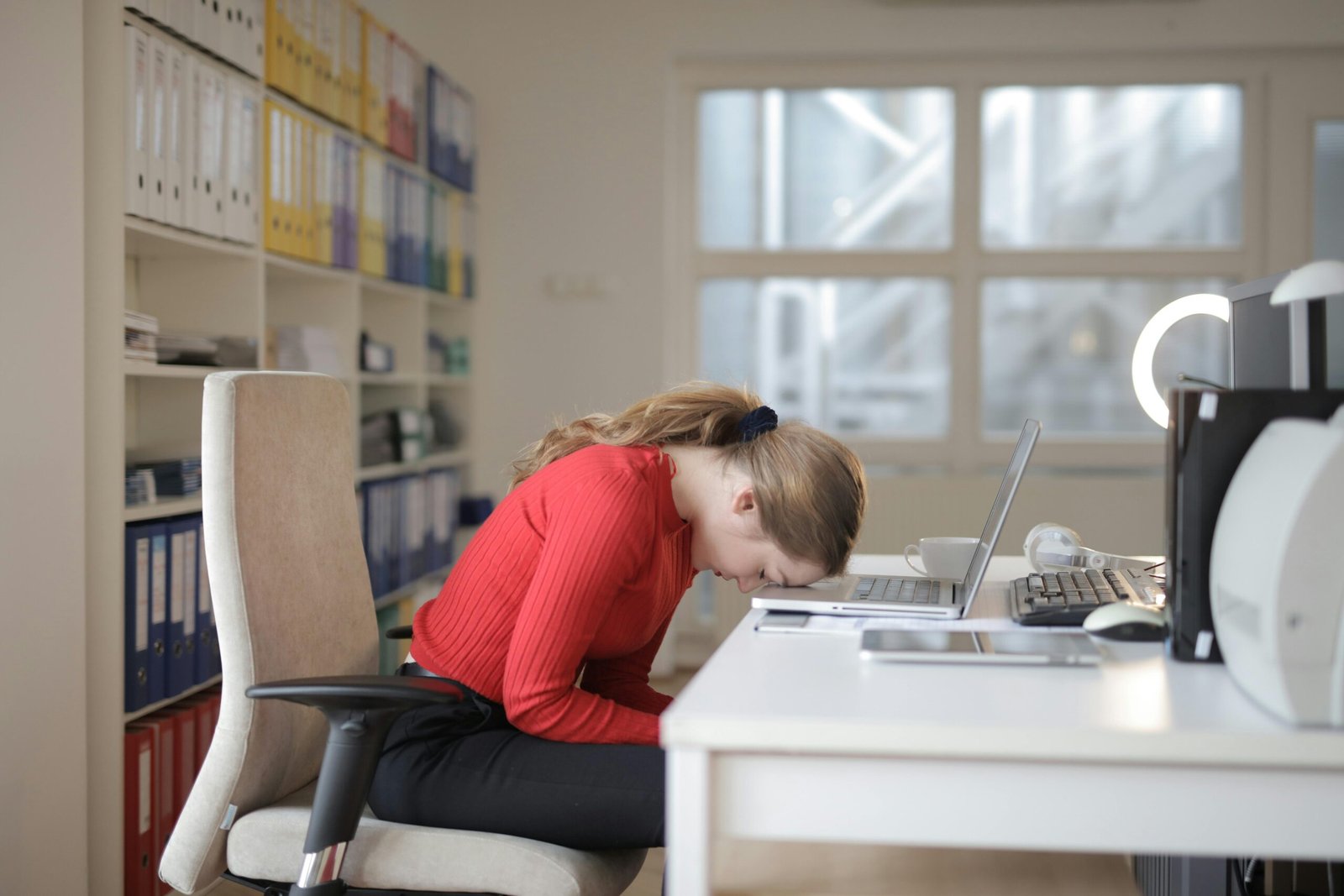
Daily stress does not always arrive loudly. Sometimes it starts with a tight jaw, a heavy head, short patience, poor sleep, or the feeling that even small tasks are too much. Work pressure, family duties, constant phone notifications, money worries, and lack of rest can slowly build up until the mind feels overloaded.
Managing stress safely does not mean removing every problem from life. That is not realistic. It means building small daily habits that help the body calm down, think clearly, and recover from pressure before it turns into burnout.
The best stress management techniques are usually simple. Breathing properly, walking, drinking water, reducing caffeine, resting your eyes, eating slowly, and sleeping on time can all support a calmer routine when practiced consistently.
How Stress Shows Up in Daily Life
Stress can affect the body and mind at the same time. Some people feel it emotionally, while others notice physical signs first. You may feel irritated, restless, tired, or unable to focus. You may also notice headaches, body stiffness, stomach discomfort, fast heartbeat, or poor sleep.
These signs are easy to ignore in the beginning. Many people simply say they are busy or tired. But when stress becomes a daily pattern, it can affect your mood, work, relationships, eating habits, and overall health.
Start the Morning Without Rushing
A stressful morning can affect the whole day. Waking up late, checking the phone immediately, skipping breakfast, and running into work mode can make the mind feel tense before the day even begins.
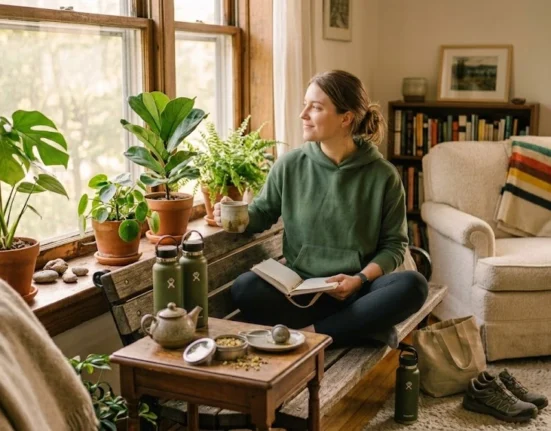
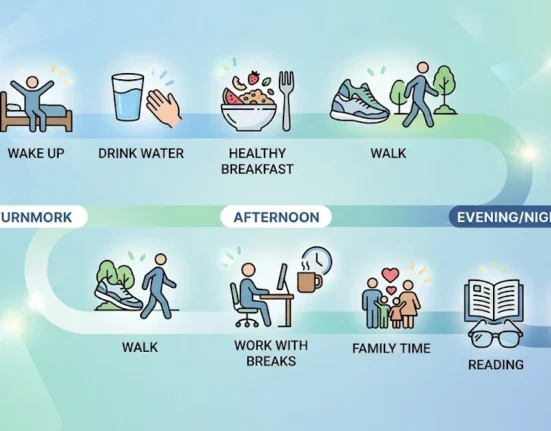
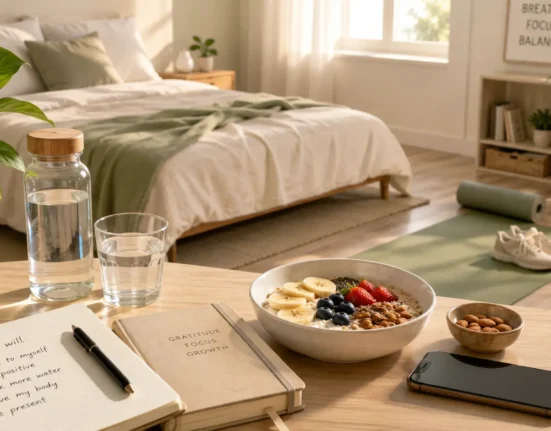
Try giving yourself a slower start. Drink water, open a window, stretch for a minute, and take a few deep breaths before checking messages. Even five quiet minutes in the morning can help your brain feel more settled.
Natural morning light can also support your body clock. Step outside, stand near a window, or sit on a balcony for a few minutes. This small habit can improve alertness and help your sleep routine later at night.
Use Breathing to Calm the Body Fast
Breathing is one of the fastest ways to calm stress because it directly affects the nervous system. When stress rises, breathing often becomes shallow and quick. Slowing it down sends a signal to the body that it is safe.
Try box breathing. Breathe in for four seconds, hold for four seconds, breathe out for four seconds, and pause for four seconds. Repeat this for three to five rounds. It can be done at your desk, in your room, before sleep, or during a tense moment.
You do not need to wait until stress becomes extreme. Use breathing breaks during the day to stop pressure from building too much.
Reduce the Caffeine Stress Cycle
Caffeine can help you feel alert, but too much coffee or strong tea can make stress worse for some people. It may increase restlessness, fast heartbeat, sweating, and sleep problems. If your body already feels tense, extra caffeine can make that tension feel stronger.
You do not have to quit caffeine suddenly. Start by reducing one cup. Replace it with water, mint tea, ginger tea, or chamomile tea. Avoid strong caffeine late in the day, especially if your sleep is already disturbed.
Take Stress Breaks During Work
Long sitting, constant typing, and screen focus can make stress feel heavier. Your body needs small breaks before it starts feeling stiff and tired.
Every hour, stand up for a minute. Roll your shoulders, stretch your neck, move your back, and walk a few steps. These small breaks improve circulation and reduce physical tension.
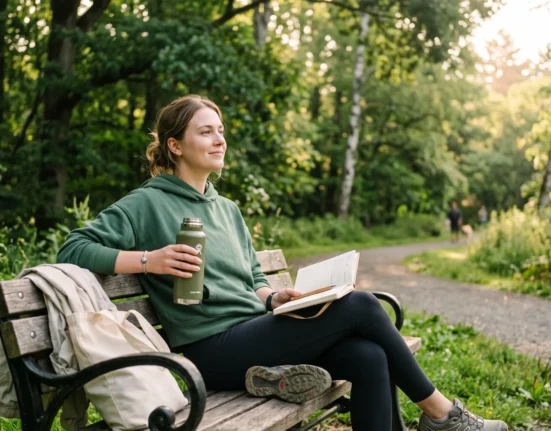
If possible, take one short walk during the day. A ten-minute walk can clear your head, improve breathing, and give your eyes a break from screens.
Protect Your Mind from Screen Overload
Phones and laptops are useful, but too much screen time can overstimulate the mind. Constant scrolling, notifications, emails, and late-night screen use can keep the brain active even when the body needs rest.
Try a phone-free hour after dinner. Keep your mobile away from your bed. Turn off unnecessary notifications. During work, look away from the screen every few minutes and blink properly to reduce eye strain.
You can also support your self-care routine by learning about best natural skincare ingredients that may help keep daily care simple and gentle.
Eat Slowly and Stay Hydrated
Stress can affect digestion. Many people eat too fast, skip meals, or snack while working. This can make the body feel uncomfortable and tired.
Try eating without checking office files or scrolling on your phone. Chew slowly and give your body time to relax. A calm meal can work like a short break for the mind.
Water also matters. Dehydration can make tiredness, headaches, and irritability feel worse. Keep water nearby and drink throughout the day instead of waiting until you feel extremely thirsty.
Use the Brain Dump Method at Night
Overthinking often becomes louder at night. The room becomes quiet, but the mind starts listing worries, mistakes, tasks, and unfinished work.
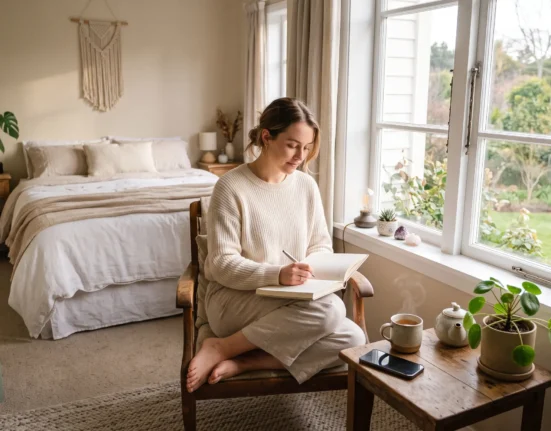
A simple brain dump can help. Take a notebook and write everything that is on your mind. It does not need to be neat. Write tasks, worries, anger, reminders, or random thoughts. Once they are on paper, the mind often feels lighter.
This habit is especially helpful before sleep because it reduces the need to keep everything stored in your head.
Create a Calmer Evening Routine
Your evening routine decides how well your body recovers. If you stay awake late, scroll for hours, drink caffeine, and keep your room bright, your brain may struggle to relax.
Try keeping your bedroom cool, dark, and quiet. Wash your face, prepare clothes for the next day, stretch lightly, or soak your feet in warm water. These simple actions tell your body that the day is ending.
Good sleep is one of the strongest natural stress recovery tools. Without enough sleep, the next day feels harder, even if nothing major has changed.
A Simple 3-3-3 Stress Reset
When life feels too busy, use a simple reset instead of trying to fix everything at once.
- Take three short breathing breaks during the day.
- Drink water regularly and avoid waiting until you feel drained.
- Walk for 30 minutes when possible, even if it is split into smaller walks.
This method is easy to remember and realistic for busy people. It does not require equipment, apps, or expensive products.
Avoid Overcomplicated Wellness Trends
Many products promise instant peace, but stress relief does not always need to be expensive. Before buying gadgets, stones, supplements, or complicated programs, start with the basics.
Better sleep, less caffeine, breathing breaks, walking, hydration, screen control, and simple meals are still some of the most useful habits. Real peace usually comes from consistent routine, not one trendy product.
When Stress Needs Professional Support
Daily stress is common, but it should not be ignored if it becomes too heavy. If stress is affecting your sleep, appetite, mood, work, relationships, or ability to function, it may be time to speak with a healthcare professional or counselor.
You should also seek urgent help if you feel unsafe, hopeless, or unable to cope. Asking for support is not weakness. It is a healthy step toward recovery.
Final Thoughts
Managing daily stress safely is not about doing everything perfectly. It is about choosing small habits that calm the body and protect the mind. Breathing exercises, screen breaks, walking, water, mindful meals, better sleep, and simple evening routines can all help.
Start with one or two habits instead of changing your whole life in one day. Stay consistent, notice what helps, and give your mind time to adjust. Daily peace is built slowly through small choices repeated often.
FAQs
1. What are simple stress management techniques for daily life?
Simple techniques include deep breathing, short walks, stretching, drinking water, reducing caffeine, taking screen breaks, journaling, mindful eating, and sleeping on time.
2. Can stress cause physical symptoms?
Yes, stress can cause headaches, muscle tightness, stomach discomfort, tiredness, poor sleep, fast heartbeat, and low energy.
3. How quickly do stress management habits work?
Some habits, like breathing exercises, may help within minutes. Bigger changes in mood, sleep, and energy usually take consistent practice over several days or weeks.
4. Is caffeine bad for stress?
Caffeine is not bad for everyone, but too much can increase restlessness, fast heartbeat, anxiety, and sleep problems in some people.
5. When should I get help for stress?
You should seek help if stress affects your sleep, work, relationships, appetite, mood, or daily life for a long time, or if you feel unsafe or unable to cope.
Author Bio
Pure Fit Day Stress & Wellness Team writes practical wellness guides for everyday readers who want simple ways to manage stress, improve routines, sleep better, and support emotional balance without overcomplicating daily life.
References
- American Psychological Association — Stress
- Mind UK — Stress
- HelpGuide — Stress Management
- Healthdirect Australia — Stress
- Sleep Foundation — Stress and Sleep
Disclaimer
This article is for general wellness education only. It is not medical advice, therapy, diagnosis, or treatment. If stress feels overwhelming, continues for a long time, affects daily life, or includes thoughts of self-harm, speak with a qualified healthcare professional, counselor, or local emergency service immediately.

Leave feedback about this