
Vaccinations A Simple Guide to Protecting Your Health
Vaccination is recognized as one of the greatest achievements in modern medicine. Before vaccines, diseases like polio, smallpox, and measles affected millions of people every year. Today, many of these diseases are either gone or very rare. However, the importance of vaccinations is not just a thing of the past. It is a vital part of staying healthy today and in the future.
In this guide, we will explore everything you need to know about vaccines—from the science of how they work to the specific shots adults need to maintain a fit and active lifestyle.
2. How Vaccines Actually Work
To understand vaccines, you first need to understand the immune system. Think of your immune system as a private security team for your body. When a harmful germ (like a virus or bacteria) enters your body, your immune system attacks it. However, the first time it meets a new germ, it might be too slow to win the fight, and you get sick.
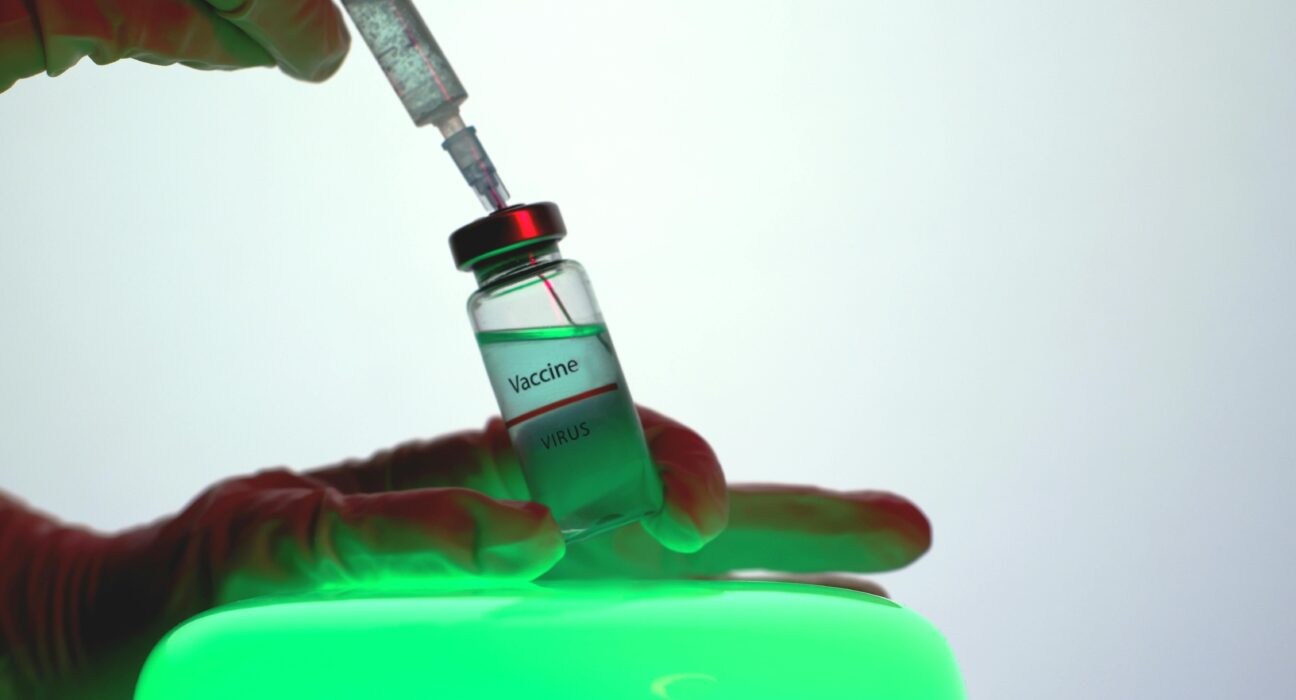
A vaccine is like a “training manual” or a “practice drill” for your immune system. It contains a tiny, harmless piece of the germ (or a code to create that piece). When you get vaccinated:
- Recognition: Your immune system identifies the piece as a foreign invader.
- Response: It creates “antibodies” to fight it.
- Memory: Your system remembers the germ. If the real, dangerous germ ever enters your body in the future, your immune system recognizes it immediately and destroys it before you feel sick.
3. Different Types of Vaccines
Not all vaccines are made the same way. Scientists use different technologies depending on the virus or bacteria:
- Live-attenuated vaccines: These use a weakened form of the germ (e.g., Measles, Mumps, Rubella).
- Inactivated vaccines: These use a killed version of the germ (e.g., Flu shot, Polio).
- Subunit/Recombinant: These use only specific pieces of the germ—like its protein or sugar (e.g., Hepatitis B, HPV).
- mRNA Vaccines: A newer technology that teaches your cells how to make a protein that triggers an immune response (e.g., some COVID-19 vaccines).
4. Why Vaccinations are Essential for Adults
Many people think that once they finish their childhood shots, they are “done” with vaccines. This is a dangerous myth. Adult vaccinations are just as important for several reasons:
A. Waning Immunity (Boosting) The protection from some childhood vaccines can wear off over time. For example, the Tetanus vaccine requires a booster every 10 years to stay effective.
B. Protection for the Elderly and Vulnerable As we age, our immune systems naturally get weaker. Vaccines for pneumonia or shingles are specifically designed to protect older adults from complications that could be life-threatening.
C. Herd Immunity When you get vaccinated, you aren’t just protecting yourself; you are protecting people who cannot get vaccinated—such as newborn babies, people with cancer, or those with severe allergies. This is called “Herd Immunity.”
5. Vaccinations and the Fitness Enthusiast
If you are someone who spends time in the gym, goes for runs, or follows a strict diet, you care about your body’s performance. Getting sick is the fastest way to lose your progress.
- Consistency: A bad case of the flu can keep you out of the gym for 14 days. That is two weeks of lost gains.
- Recovery: Illness puts immense stress on the body. Even after you recover, your energy levels might take weeks to return to normal.
- Inflammation: Infections cause systemic inflammation, which can affect joint health and muscle recovery. Vaccines keep your system clean and focused on growth rather than fighting infections.
6. A Detailed Look at Key Adult Vaccines
The Annual Flu Shot (Influenza) The flu virus changes every year. Scientists track these changes and update the vaccine annually. Even if you are young and healthy, the flu can cause severe dehydration and respiratory issues.
Tetanus, Diphtheria, and Pertussis (Tdap) Tetanus comes from bacteria found in soil and dust. If you enjoy outdoor fitness like hiking or cycling, a small cut from a rusty fence or dirty ground could be dangerous. The “Pertussis” part protects against Whooping Cough, which is highly contagious.
Hepatitis A and B These vaccines protect your liver. Hepatitis can be spread through contaminated food or water (Hep A) or through contact with bodily fluids (Hep B). For anyone living an active social life, these are essential protections.
Human Papillomavirus (HPV) The HPV vaccine is not just for teenagers. It protects against several types of cancers. Many adults up to age 45 may still benefit from this vaccine if they weren’t protected earlier.
7. Travel Vaccinations: Preparing for the World
If your lifestyle includes international travel, your “Vaccination Guide” needs to be more specific. Different parts of the world have different risks:
- Yellow Fever: Required for entry into many African and South American countries.
- Typhoid: Essential if you are traveling to areas with limited access to clean water.
- Japanese Encephalitis: Recommended for long trips to certain parts of Asia. Always visit a travel clinic at least 6 weeks before your trip.
8. Addressing Common Concerns and Safety
It is natural to have questions about what we put into our bodies. Here are the facts regarding vaccine safety:
- Rigorous Testing: Before a vaccine is approved, it goes through three phases of clinical trials involving thousands of people.
- Continuous Monitoring: Even after approval, health organizations monitor every dose for rare side effects.
- Side Effects vs. Symptoms: A sore arm, mild headache, or low-grade fever are not “the disease.” They are signs that your immune system is working hard to learn the germ. They usually disappear within 24 to 48 hours.
9. The Future of Vaccinations
Science is moving toward “Personalized Medicine.” In the future, we may see vaccines tailored to an individual’s genetic makeup. We are also seeing progress in vaccines for non-infectious diseases, such as certain types of cancer and even Alzheimer’s disease.
10. How to Manage Your Vaccination Records
In a digital world, keeping track of your health is easier than ever.
- Ask your GP: Request a printed or digital copy of your immunization history.
- Use an App: Many health apps allow you to log your shots and set reminders for boosters.
- Travel Document: Keep a copy of your vaccination certificates with your passport.
11. Conclusion
Vaccinations are the silent partners of a healthy lifestyle. They work in the background, ensuring that you don’t have to face preventable illnesses that could derail your life, your career, or your fitness journey. By staying up to date with your shots, you are taking control of your biological defense system.
Investing in your health isn’t just about what you eat or how you train—it’s about using the best tools science has provided to protect your future.
Frequently Asked Questions (FAQ)
Q: Can I get a vaccine if I have a cold? A: If you have a mild cold or a slight fever, it is usually okay to get vaccinated. However, if you are very sick, it is best to wait until you recover so your immune system can focus entirely on the vaccine.
Q: Are there any natural alternatives to vaccines? A: While a good diet, exercise, and vitamins (like Vitamin C and D) help support a strong immune system, they cannot teach your body how to fight specific dangerous viruses like Polio or Hepatitis. Vaccines and natural health work together, not against each other.
Q: Do I need the flu shot if I never get the flu? A: Yes. You might have been lucky so far, but the flu virus changes every year. Being healthy doesn’t mean you are immune to new strains.ime? A: In most cases, yes. Your doctor will decide the best schedule for you to ensure you get the protection you need safely.