
Best Cardio Exercises in Gym for Fat Loss & Heart Health
Performing effective cardio exercises in gym is one of the best ways to burn fat, improve endurance, and strengthen your heart. A structured cardio routine not only helps with weight loss but also enhances overall cardiovascular fitness and long-term health.
In this guide, we will explore the most effective gym cardio workouts, their benefits, and how they improve heart health and fat burning results.
Why Cardio Exercises in Gym Are Important
Regular cardio exercises in gym improve heart efficiency, increase lung capacity, and boost metabolism. These workouts help your body use oxygen better, which leads to improved stamina and fat burning.
For a balanced fitness routine, you can also explore this guide:
👉 Home Workouts to Build Muscle
Best Cardio Machines in Gym
1. Treadmill
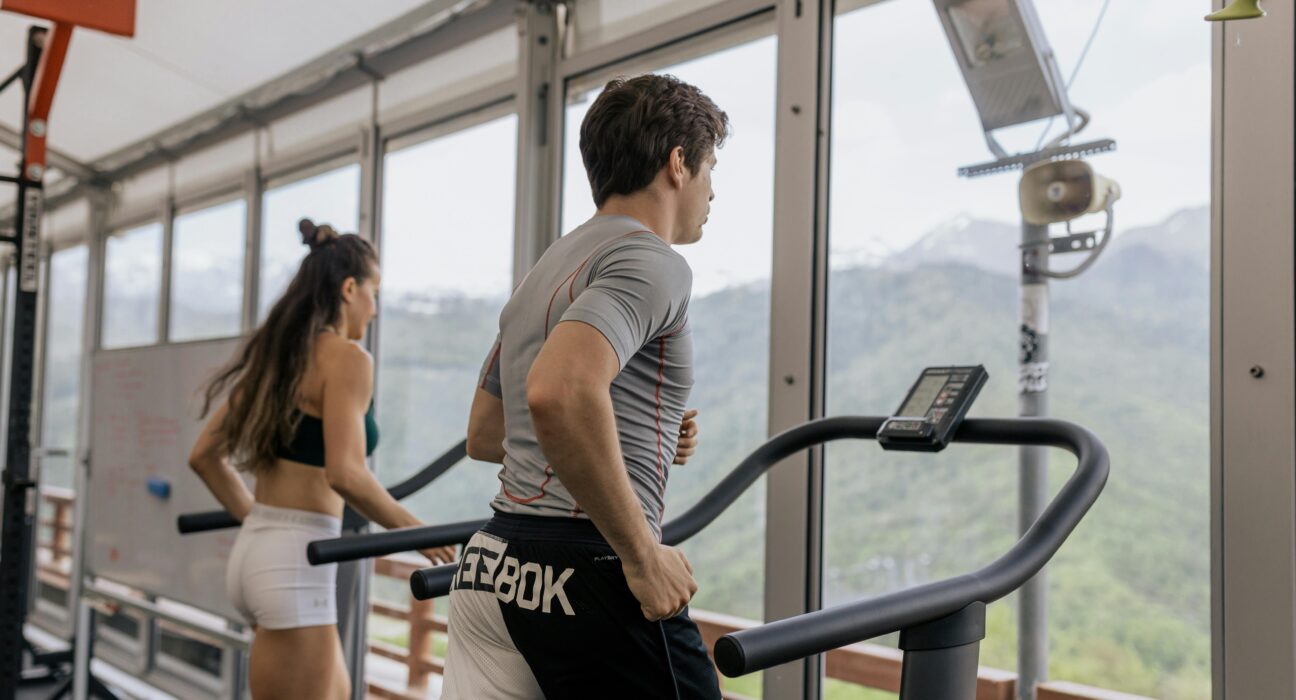
Treadmill running and incline walking are powerful gym cardio workouts that burn calories quickly and improve endurance.
2. Stair Master
One of the most intense cardio machines that strengthens legs and boosts heart rate for fast fat loss.
3. Rowing Machine
A full-body workout that engages 85% muscles and improves cardiovascular fitness.
4. Stationary Bike
Great for low-impact cardio training for fat loss and leg endurance.
5. Elliptical Trainer
Low-impact machine ideal for beginners and joint-friendly cardio workouts.
HIIT Cardio for Fast Fat Loss
High-Intensity Interval Training (HIIT) is one of the most effective fat burning cardio workouts. It alternates between high effort and rest periods, boosting metabolism for up to 24 hours.
Benefits of Cardio Exercises in Gym
- Improves heart health and endurance
- Boosts calorie burning and fat loss
- Increases energy levels
- Strengthens lungs and circulation
- Enhances overall cardiovascular fitness
Common Mistakes to Avoid
Many people perform cardio incorrectly by using poor form or repeating the same routine. To get better results from cardio exercise routine, always vary intensity and machines.
Frequently Asked Questions (FAQ)
What cardio is best at the gym?
Treadmill, Stair Master, and Rowing Machine are the most effective cardio machines for fat burning and endurance.
How many days should I do cardio in gym?
3–5 days per week is ideal depending on your fitness goals and recovery ability.
Is 30 minutes cardio enough?
Yes, 30 minutes of high-intensity cardio is enough to burn fat and improve heart health.
Final Thoughts
Including regular cardio exercises in gym in your routine is essential for fat loss, heart health, and overall fitness. Stay consistent and gradually increase intensity for best results.
Best Cardio Exercises in Gym for Fat Loss and Heart Health
Gym cardio exercises can be one of the simplest ways to improve stamina, burn calories, support heart health, and feel more active during the day. The problem is that most people walk into the gym, look at the treadmill, bike, StairMaster, and rowing machine, and then do whatever feels easiest.
That is where progress becomes slow. Cardio is not just about sweating for thirty minutes. It is about choosing the right machine, using the right intensity, and matching your workout with your goal. Some people need fat loss. Some need better breathing. Some want heart health. Some just want to stop feeling tired after climbing stairs.
This guide explains gym cardio exercises in a practical way, so you know what to do, when to push harder, and when to keep the pace steady.
Start with Your Cardio Goal
Not every cardio workout should feel the same. If your goal is fat loss, you may need a mix of moderate cardio and short high-intensity intervals. If your goal is heart health, steady cardio can be very useful. If your joints hurt, low-impact machines may be better than running.
Before choosing a machine, ask yourself one question: what do I want from today’s session?
- Fat loss: Use treadmill intervals, StairMaster, rowing, or incline walking.
- Heart health: Use steady cycling, elliptical, rowing, or incline walking.
- Low-impact training: Use stationary bike, elliptical, or rowing machine.
- Better stamina: Mix steady cardio with short speed intervals.
This small decision makes your training more focused. Random cardio may still burn calories, but planned cardio builds better results.
Best Gym Cardio Exercises by Machine
Each cardio machine has a different purpose. Instead of thinking one machine is always best, use the one that fits your body and goal.
Treadmill Incline Walking
Incline walking is one of the most practical gym cardio exercises for beginners and intermediate lifters. It raises your heart rate without the same joint impact as running. You can walk at a steady speed while increasing the incline to make the workout harder.
This is a good option after weight training because it does not destroy your legs the same way hard sprinting can. Keep your posture tall and avoid holding the side rails too much.
Treadmill Intervals
If you want a faster and harder session, treadmill intervals can help. You can jog or sprint for a short time, then slow down and recover. For example, run for thirty seconds and walk for ninety seconds. Repeat this for fifteen to twenty minutes.
This style is intense, so beginners should start carefully. Do not jump into full-speed sprints on day one.
StairMaster
The StairMaster is tough, but it is effective. It trains your legs, glutes, breathing, and stamina at the same time. It is especially useful for people who want a high-effort workout without running.
The biggest mistake is leaning heavily on the handles. If your arms are holding your body weight, your legs are doing less work. Keep your body upright and use the handles only for balance.
Rowing Machine
The rowing machine is different because it uses both upper and lower body. It trains your legs, back, arms, core, and lungs together. This makes it useful for people who want cardio without feeling like they are only working their legs.
Good rowing form matters. Push with your legs first, then pull with your back and arms. On the way back, return with control instead of rushing.
Stationary Bike
The stationary bike is a good choice for low-impact cardio. It is easier on the knees and ankles than running, and it works well for warm-ups, fat loss, and longer steady sessions.
You can use it for slow steady cardio or short hard intervals. It is also helpful for people who are overweight, returning from a break, or trying to protect their joints.
Elliptical Trainer
The elliptical is smooth and joint-friendly. It is not as intense as sprinting or StairMaster work, but it can still build endurance when used properly. Increase the resistance instead of just moving fast with no control.
This machine is useful for beginners, older adults, and anyone who wants cardio without heavy impact.
Steady Cardio or HIIT: Which One Should You Choose?
Both steady cardio and HIIT can be useful. The right choice depends on your fitness level, recovery, and goal.
Steady cardio means keeping a controlled pace for a longer time. You should be breathing faster, but still able to speak in short sentences. This is good for heart health, endurance, and recovery days.
HIIT means short bursts of hard effort followed by rest. It saves time and can improve fitness quickly, but it also creates more fatigue. If you already lift weights hard, doing HIIT every day can make recovery worse.
A smart routine uses both. For example, two steady sessions and one interval session per week can work well for many people.
How Cardio Helps Fat Loss
Cardio helps fat loss by increasing total calorie burn. But cardio alone is not magic. If someone burns calories in the gym but eats too much later, fat loss can stop.
The best fat loss results usually come from three things working together: strength training, cardio, and controlled eating. Cardio supports the process, but food habits decide a big part of the result.
If your goal is a leaner and stronger body, combine cardio with strength work. You can also read this helpful guide on best muscle building exercises to balance fat loss with muscle growth.
Heart Rate Zones Made Simple
You do not need to obsess over numbers, but understanding intensity helps. Moderate cardio should feel challenging but controlled. Vigorous cardio feels much harder and makes talking difficult.
For general fitness, use this simple method:
- Easy pace: You can talk normally.
- Moderate pace: You can speak in short sentences.
- Hard pace: You can only say a few words.
This is easier than staring at a machine screen the whole time. Your breathing tells you a lot.
A Simple Weekly Gym Cardio Plan
Here is a realistic plan for people who also lift weights:
- Monday: 20 minutes incline treadmill after weights
- Tuesday: Rest or light walking
- Wednesday: 15 minutes rowing intervals
- Thursday: 25 minutes stationary bike at steady pace
- Friday: Weight training only
- Saturday: 20 minutes StairMaster or elliptical
- Sunday: Rest
This plan is not extreme. It gives you enough cardio to improve stamina and support fat loss without ruining recovery from lifting.
Cardio Mistakes That Slow Results
The first mistake is doing the exact same workout for months. Your body adapts. Change speed, incline, resistance, duration, or machine after some time.
The second mistake is holding machine handles too much. This is common on the treadmill and StairMaster. It reduces the real work your body has to do.
The third mistake is going too hard every day. Hard cardio feels productive, but too much intensity can leave you tired, sore, and inconsistent.
The fourth mistake is ignoring food. Cardio cannot fully fix overeating, poor sleep, or too many sugary drinks.
Best Time to Do Cardio in the Gym
If your main goal is muscle building, do weights first and cardio after. This lets you use your best energy for lifting. If your main goal is endurance, cardio can come first.
For fat loss, the timing matters less than consistency. Morning, evening, before work, after work — the best time is the time you can repeat.
Final Thoughts
Gym cardio exercises do not have to be boring or confusing. The treadmill, StairMaster, rowing machine, stationary bike, and elliptical can all help when used with a clear plan.
Choose the machine based on your goal. Use steady cardio for endurance and heart health. Add intervals when you want a harder fat-loss push. Keep your diet realistic, drink enough water, and do not ignore recovery.
The best cardio routine is not the hardest one. It is the one you can follow every week without burning out.
FAQs
1. What are the best gym cardio exercises for fat loss?
The best options include incline treadmill walking, StairMaster, rowing machine, treadmill intervals, stationary bike, and elliptical training. The best choice depends on your fitness level and joint comfort.
2. Is 30 minutes of cardio enough in the gym?
Yes, thirty minutes can be enough if done consistently. For fat loss, combine cardio with strength training and balanced eating for better results.
3. Should I do cardio before or after weights?
If your main goal is muscle building, do cardio after weights. If your main goal is endurance, cardio can come first.
4. Is HIIT better than steady cardio?
HIIT is faster and more intense, while steady cardio is easier to recover from. Both can be useful, and many people benefit from using both during the week.
5. Which cardio machine is easiest on the joints?
The stationary bike and elliptical are usually easier on the joints than running. Rowing can also be low-impact when done with proper form.
Author Bio
Pure Fit Day Cardio & Fitness Team creates practical fitness guides for people who want simple workout advice without confusing gym language. Our content focuses on fat loss, stamina, strength training, recovery, and healthy routines that fit real life.
References
- American Heart Association — Physical Activity Recommendations for Adults
- American College of Sports Medicine — Physical Activity Guidelines
- Mayo Clinic Health System — Interval Training for Heart Health
- CDC — Adult Physical Activity Guidelines
Disclaimer
This article is for general fitness education only. It is not medical advice or a personalized workout plan. If you have chest pain, heart disease, breathing problems, joint pain, high blood pressure, diabetes, injury history, or any medical condition, speak with a qualified healthcare professional before starting a new cardio routine.